
19th Century Bronze Figurine
A 19th century bronze figurine brings classical mythology, animals, and historical personages into domestic interiors with enduring tactile presence.
19th Century Bronze Figurine
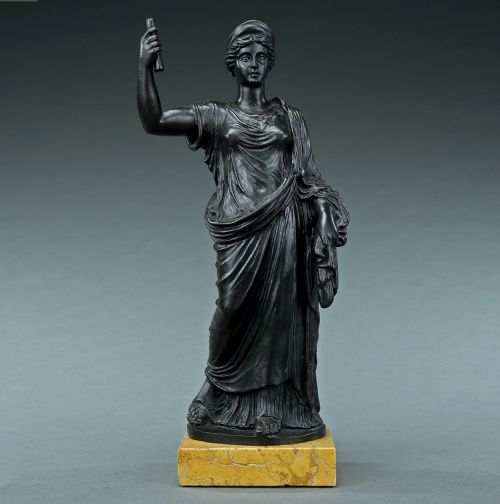
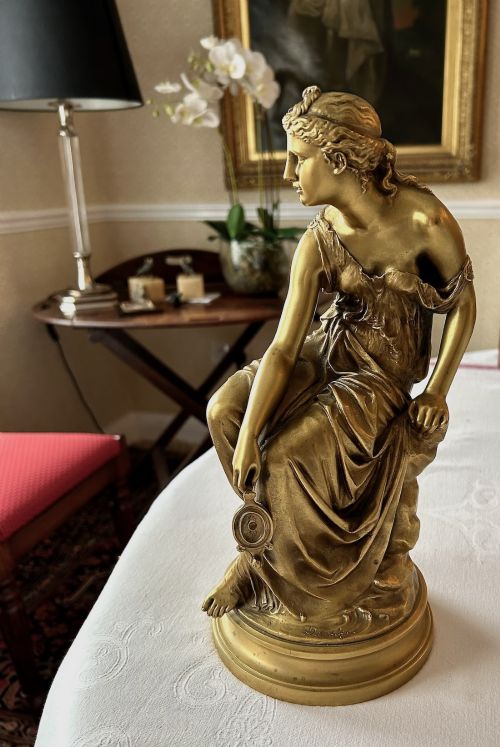
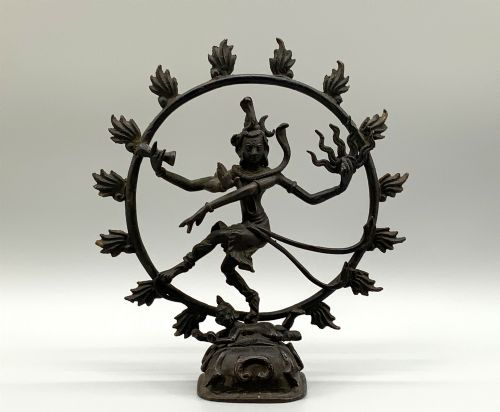
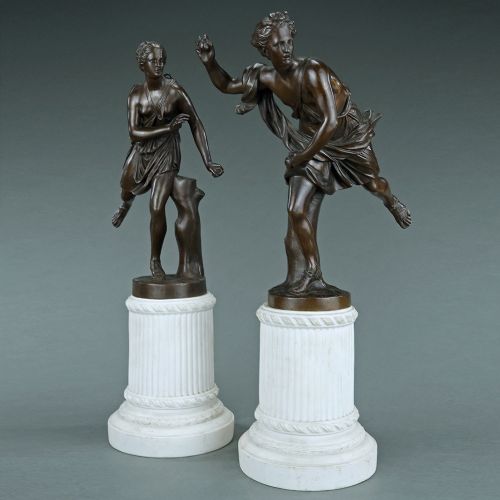
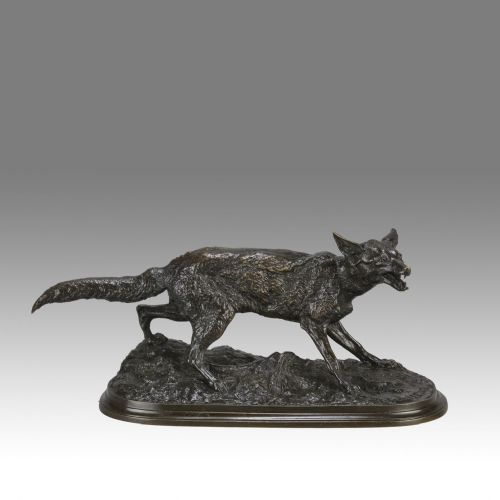
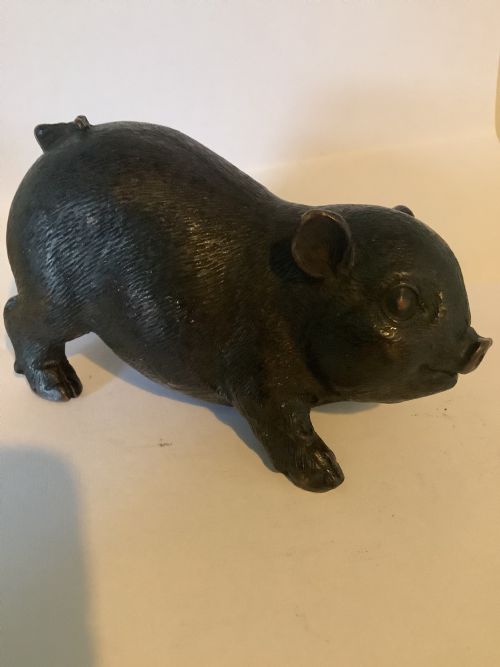
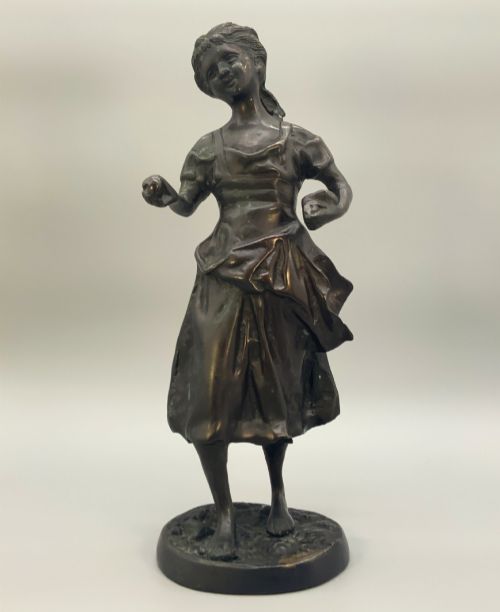
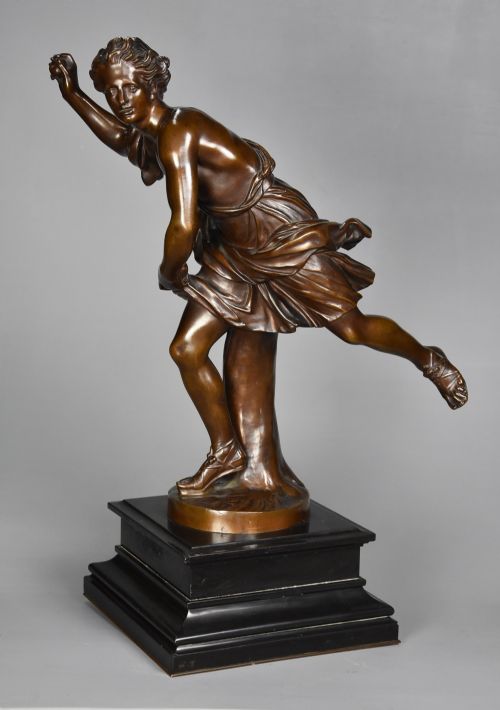
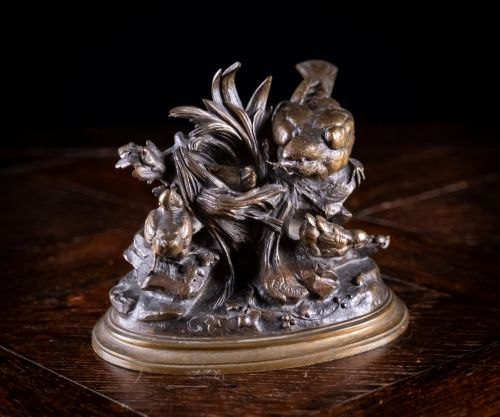
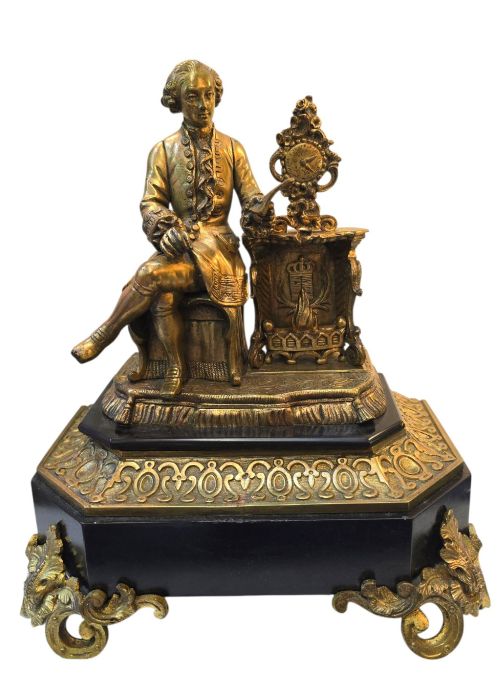
When you search for a 19th century bronze figurine, you encounter small-scale sculptures created across Europe and beyond, spanning mythological deities, literary heroes, and domestic or wild animals. These pieces range from classical figures inspired by ancient ruins to naturalistic representations produced by the French Animalier school.
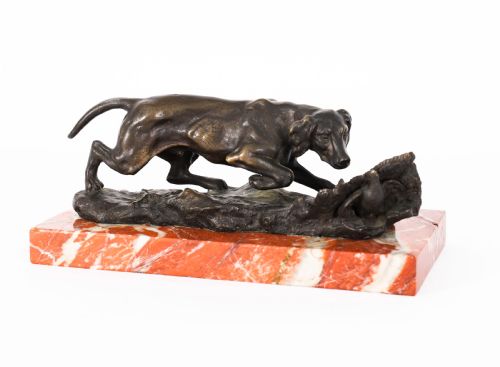
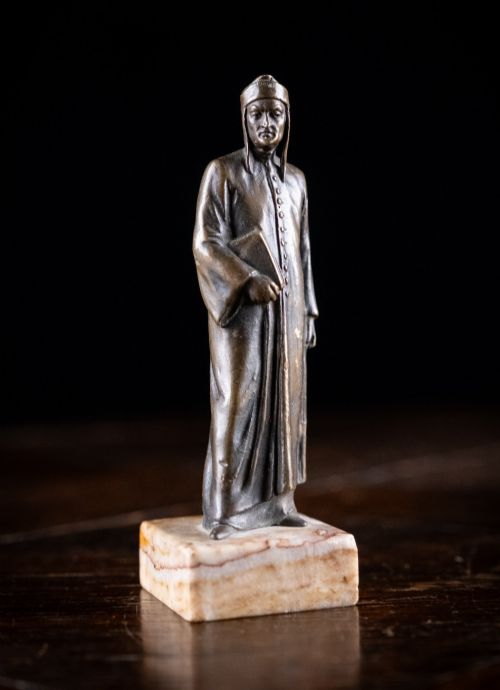
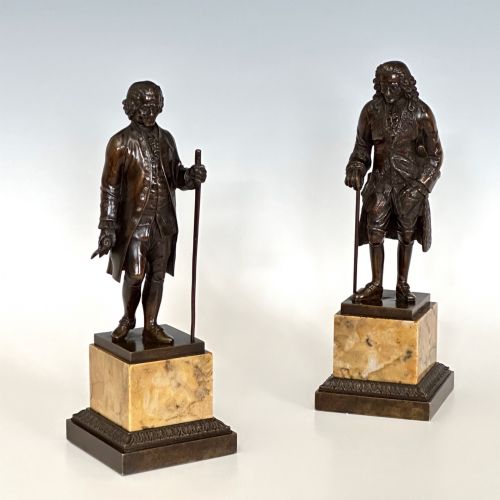
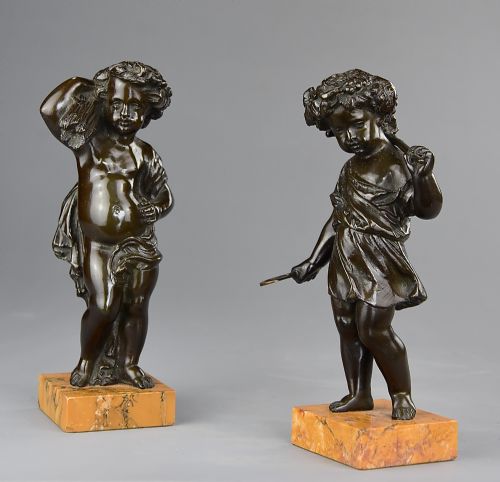
You are most likely to meet French foundry works and Grand Tour souvenir bronzes on this page, often mounted on marble bases or ebonised wood plinths. The subjects extend from Roman soldiers and allegorical putti to horses, hunting dogs, and figures from Dante or classical drama.
Materials and casting methods
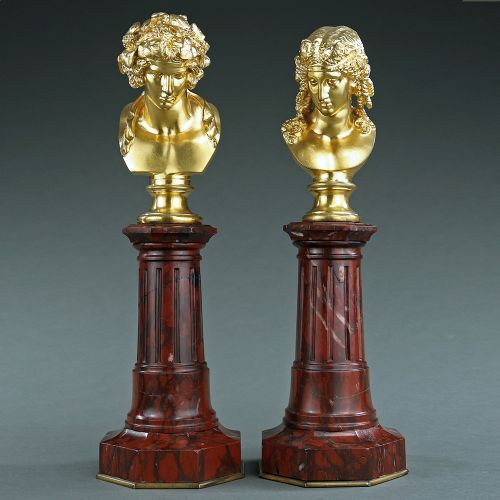
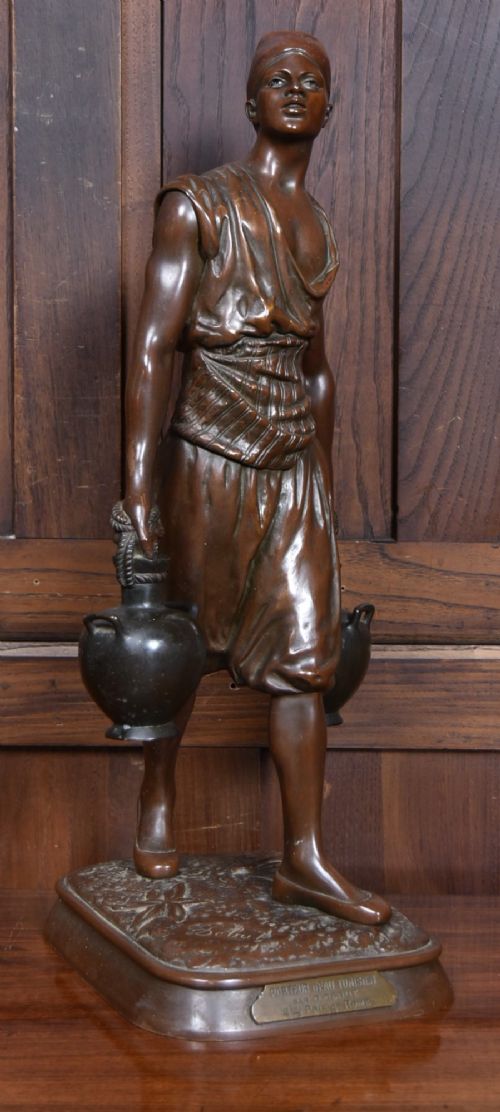
The objects on this page rely upon bronze cast primarily through traditional methods, capturing minute details in hair, drapery, and muscle structure. Surfaces receive chemical treatments to produce patinas that range from deep brown to greenish tones, alongside occasional applications of gilt bronze or ormolu highlights.
Many sculptures incorporate secondary materials such as red marble plinths or polished stone bases that elevate the metalwork and provide physical stability. Founders utilised chiselling and polishing after casting to sharpen the definition of each figure before signing.
19th Century Bronze Figurine Retail Price Guide 2026
Typical asking prices for 19th century bronze figurine among the pieces listed under this phrase on Sellingantiques today, from the lower quarter to the upper quarter. They describe what is for sale here now, not the wider market.
Listings feature periods spanning from the eighteen-fifties through the early nineteen-hundreds, utilising bronze, marble, and patinated surfaces.
Distinctions in craftsmanship
The separation between standard foundry output and superior work rests upon the crispness of the chasing and the subtlety of the surface patina. Finer examples retain sharp relief in facial expressions and musculature, avoiding the softness that occurs when moulds are reused excessively.
The integration between the bronze casting and its marble or wood base also indicates quality, where tight fitting and careful finishing distinguish master foundry productions from commercial souvenirs.
Carl Kauba·Etienne-Henri Dumaige·Barbedienne·P J Mêne·Claude Michael Clodion·Moreau Family·Louis Emile Cana·Pierre-Augustin Caron de Beaumarchais·E Villanis·Hamo Thornycroft·Émile Louis Picault·Jules Bonheur·Mathurin Moreau·Antoine Louis Barye·Alfred Dubucand·Alfred Barye·Jean-Baptiste Carpeaux
The 19th Century Bronze Figurine Glossary
- Animalier
- A style of sculpture focusing on the realistic depiction of animals, which reached high popularity in nineteenth-century France through artists such as P J Mêne and Antoine Louis Barye. These works capture creatures in motion or repose with anatomical accuracy.
- Grand Tour
- A traditional trip through Europe undertaken by upper-class scholars and collectors who acquired small bronzes depicting classical antiquities. These souvenir sculptures replicate famous statues found in Italian museums and archaeological sites.
- Patina
- A thin layer that naturally or artificially forms on the surface of bronze through oxidation and chemical treatment. It protects the metal and gives the figurine its characteristic colour depth.
- Ormolu
- A technique of applying finely ground high-carat gold to an object of bronze through mercury amalgamation. This finish creates a bright golden appearance seen on decorative mounts and specific figural highlights.
- Lost-wax casting
- A metal-casting process where a molten metal is poured into a mould that has been created by means of a wax model. The wax is melted and drained away to allow intricate detailing.
19th Century Bronze Figurine: Frequently Asked Questions
How do I care for bronze figures?
Bronze sculptures require minimal intervention, needing only gentle dusting with a soft, dry cloth to prevent particulate accumulation. Avoid applying liquid cleaners or polishes that can strip the original chemical patina.
Keeping the figurine away from direct sunlight and excessive humidity preserves the stability of both the metal surface and any attached marble or wooden plinths.
What is the Animalier school?
The Animalier school refers to a nineteenth-century movement centred in France that concentrated on realistic portrayals of animals in natural settings. Sculptors studied subjects in menageries and rural environments to capture authentic movement and behaviour.
Works from this tradition feature domestic animals, game, and exotic species rendered with careful attention to anatomy, texture, and muscle tension.
How are signatures found on bronzes?
Signatures of the sculptor or foundry stamps usually appear cast directly into the base, along the edge of the bronze plinth, or incised into the metal after casting. These markings identify the originating studio or the artist responsible for the model.
Examining these inscriptions helps connect individual figures to documented nineteenth-century founders and prominent artistic dynasties.