


19th Century Brass Clock
When you search for a 19th century brass clock, you meet heavy carriage pieces, architectural mantle designs, and polished dial wall clocks driven by precision movements.
19th Century Brass Clock
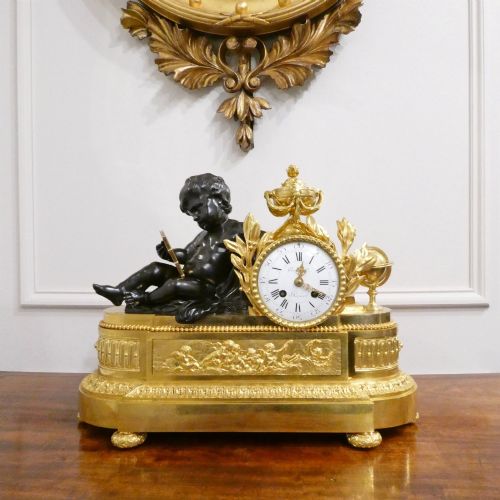
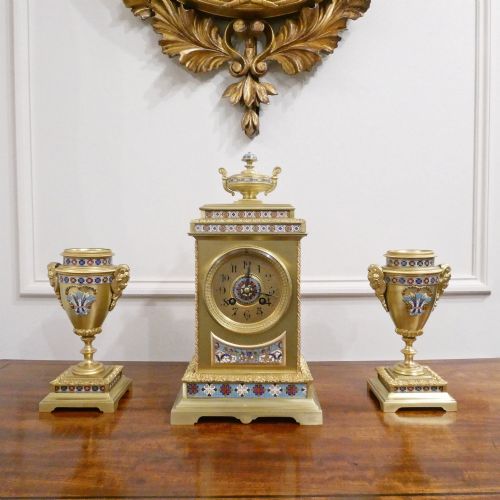
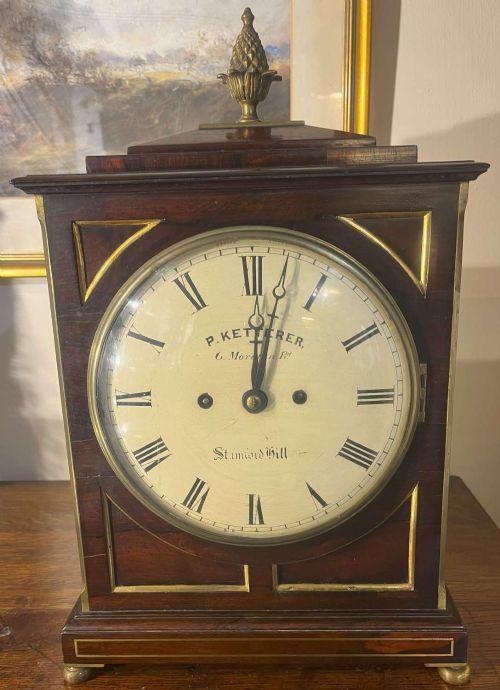
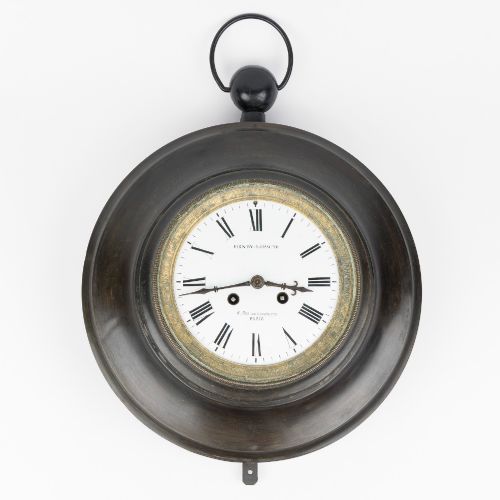
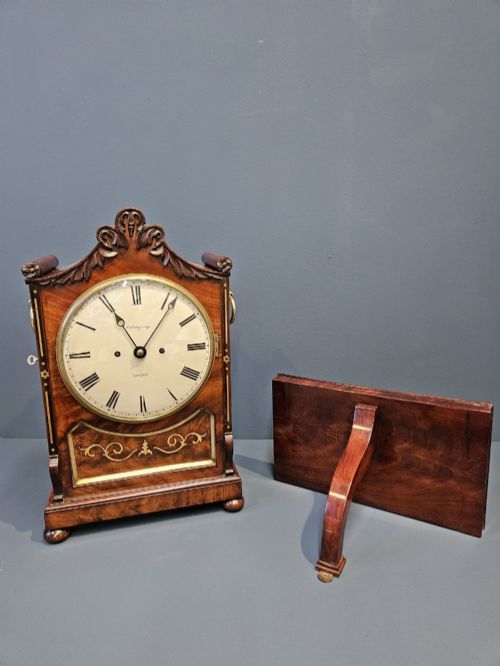
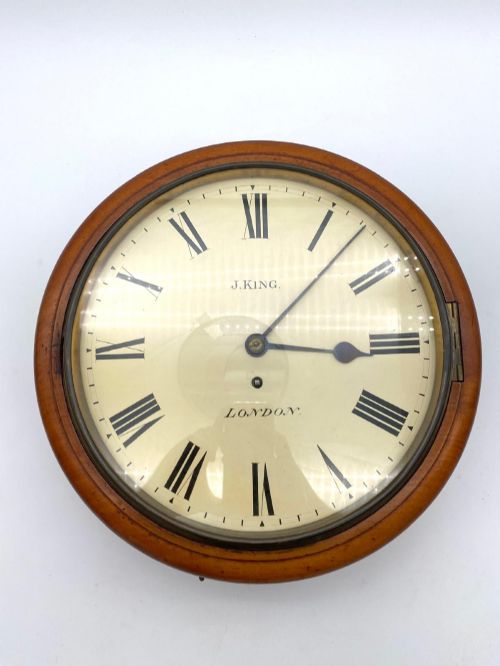
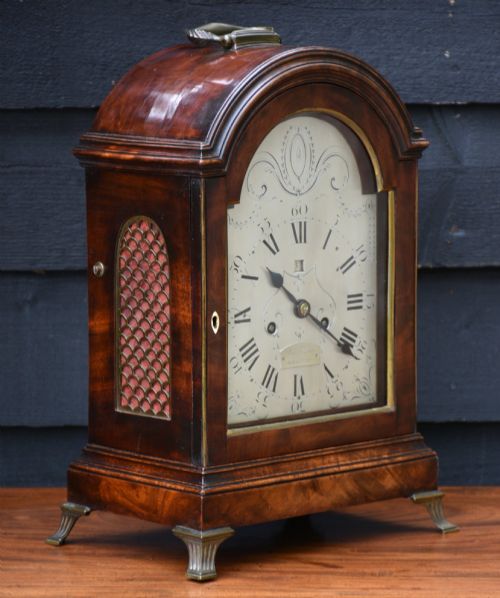
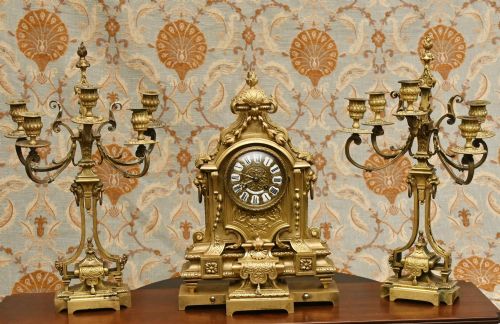
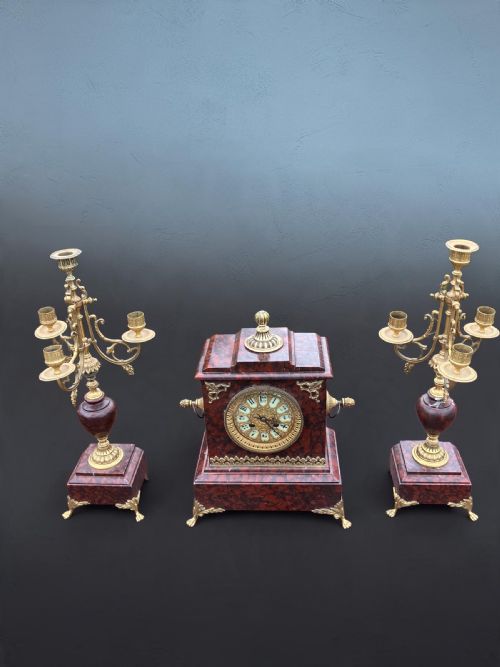
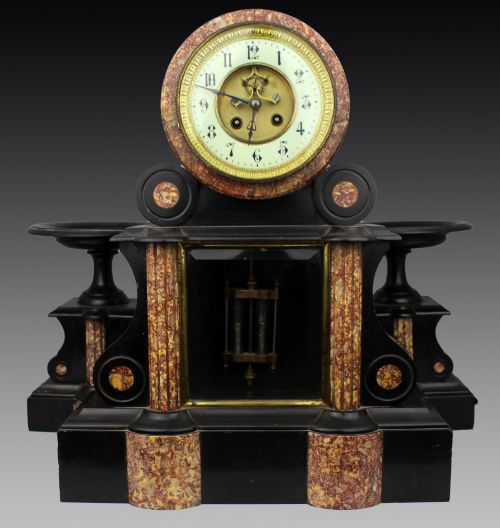
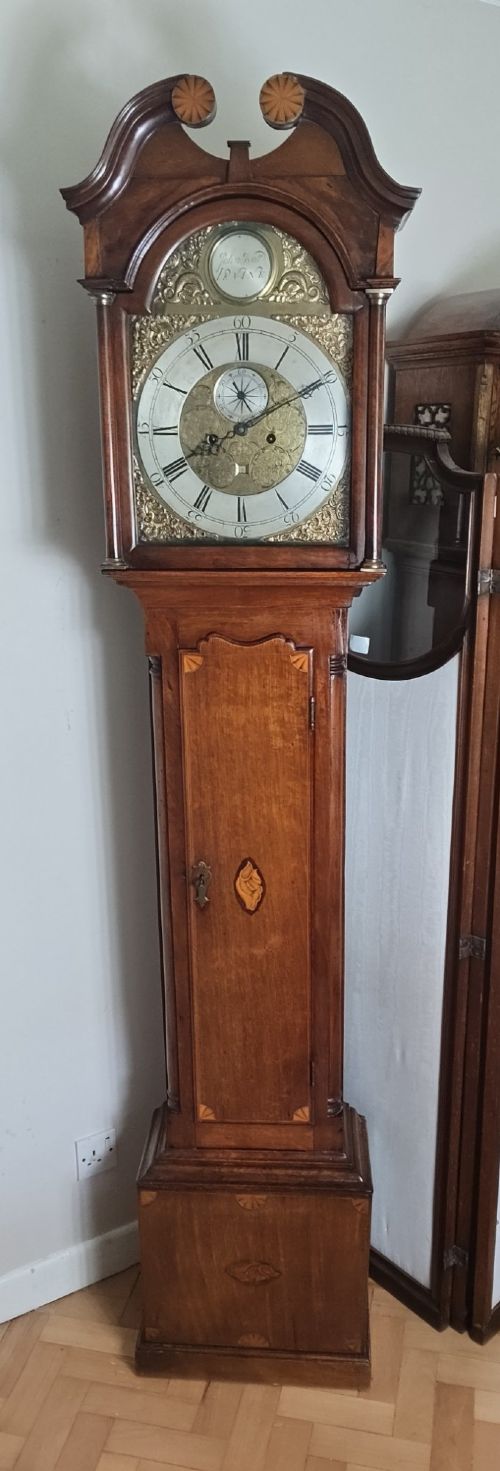
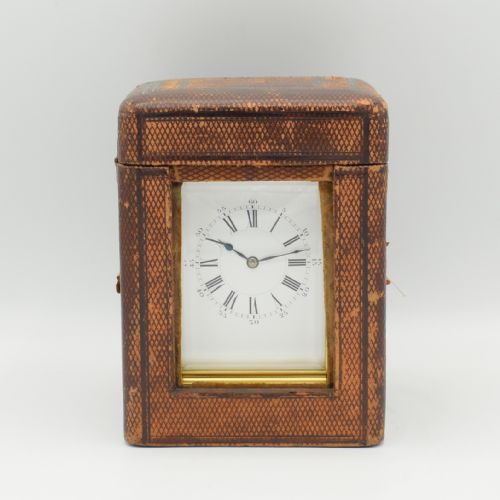
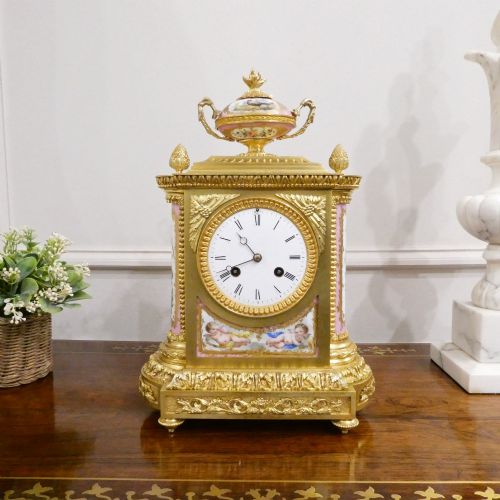
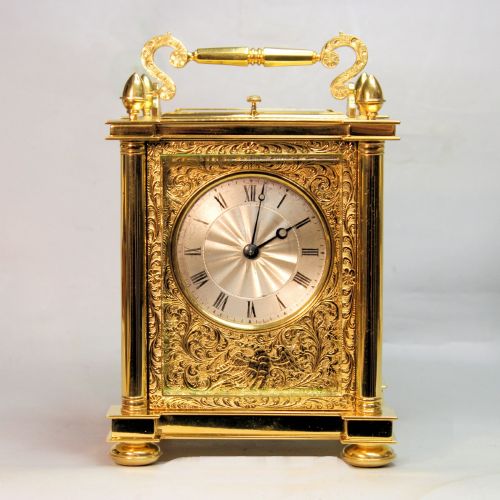
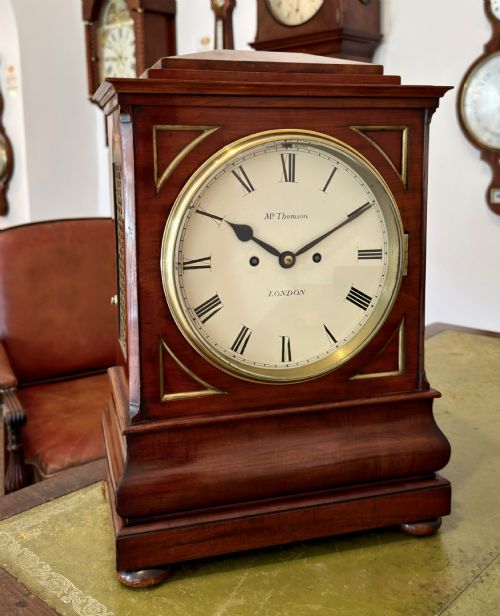
A 19th century brass clock encompasses several distinct domestic forms, ranging from portable glass-sided carriage pieces to substantial mantel and wall clocks. The selections recorded here draw heavily from French carriage designs and English bracket or longcase varieties.
Makers across Britain and France produced these pieces using materials like gilt brass, mahogany, marble, and enamel dials. Buyers frequently encounter French carriage clocks with platform escapements alongside British fusee wall and bracket movements.
How they were made
Workshops utilised cast brass, gilt bronze, and heavy mahogany cases to house complex mechanical movements driven by springs and fusee chains. Dial faces combined white enamel with fine steel hands, protected by bevelled glass panels in carriage and mantel formats.
French and English horologists incorporated striking and repeating mechanisms, utilising champleve enamel, porcelain panels, and intricate ormolu mounts to decorate the architectural brass housings.
19th Century Brass Clock Retail Price Guide 2026
Typical asking prices for 19th century brass clock among the pieces listed under this phrase on Sellingantiques today, from the lower quarter to the upper quarter. They describe what is for sale here now, not the wider market.
Some 19th-century workshops doubled as kitchen suppliers, offering brass clockwork rotisserie hooks alongside traditional mantel pieces.
What varies in quality
The standard of a movement separates everyday timepieces from master-workshop examples, particularly regarding whether the piece includes striking, alarm, or repeating complications. Fusee movements and signed escapements by known makers elevate the engineering standard.
Case execution dictates visual hierarchy, distinguishing plain brass housings from heavy gilt bronze cases featuring hand-chased mounts, inset porcelain plaques, and matching marble garniture sets.
Henri Jacot·Japy Freres·Alfred Drocourt·Winterhalder and Hoffmeier·A D Mougin
The 19th Century Brass Clock Glossary
- Fusee
- A conical pulley used in clock movements to maintain even force on the gear train as the mainspring unwinds. This mechanism ensures more accurate timekeeping throughout the duration of the wind.
- Carriage clock
- A small, portable spring-driven clock designed for travel, typically featuring a brass frame with glass panels and a folding handle on top.
- Escapement
- The mechanical linkage that controls the release of gear power to keep the pendulum swinging or balance wheel oscillating at a steady rate.
- Dial
- The face of the clock where hours and minutes are marked, frequently manufactured from white enamel with Roman numerals or brass with engraved details.
19th Century Brass Clock: Frequently Asked Questions
What is a fusee movement?
A fusee movement is a mechanical system utilising a conical drum and a cord or chain to regulate power delivery from the mainspring. As the spring loses tension, the chain moves to a wider part of the cone to maintain steady torque.
This sophisticated engineering standard is commonly found in better quality English bracket, dial, and mantel clocks from the period.
How do I date a brass clock?
Dating relies on stylistic clues, maker signatures, and movement construction types such as fusee versus going barrels. Victorian and later 19th-century pieces often feature stamp marks or patent numbers on the backplate.
Comparing the case style, whether French Empire or Victorian architectural, helps narrow the decade of manufacture alongside recorded maker activity.
Where should I place a mantel clock?
Position the clock on a stable, level surface away from direct sunlight, draughts, and dampness. Heavy marble and gilt bronze pieces require sturdy support due to their substantial weight.
Keep mechanical clocks away from high-traffic areas where vibrations could disturb the pendulum or balance wheel oscillation.