


19th Century Blue Porcelain
These pieces of 19th century blue porcelain range from deep cobalt cabinet plates to delicate tea trios, offering rich colour and historic craftsmanship for the home.
19th Century Blue Porcelain
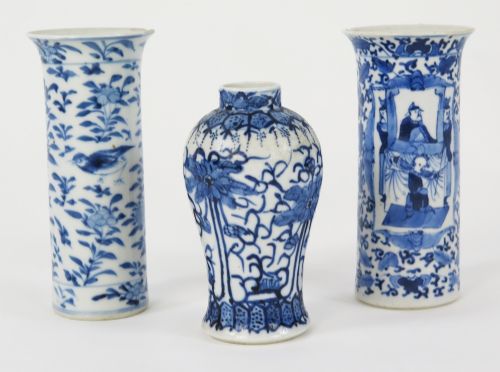
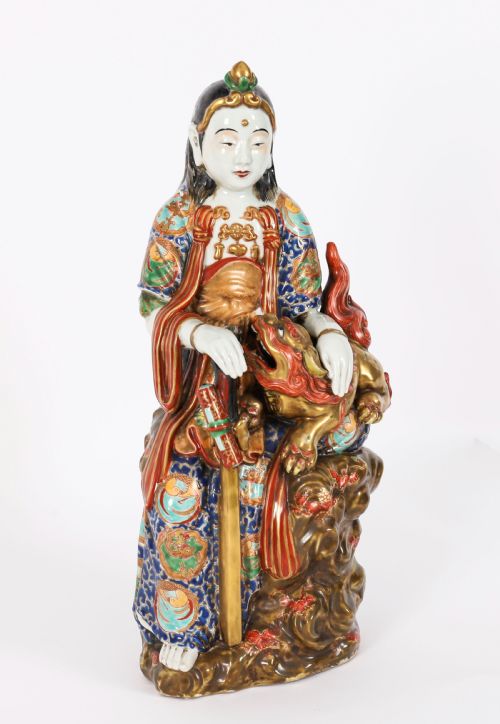
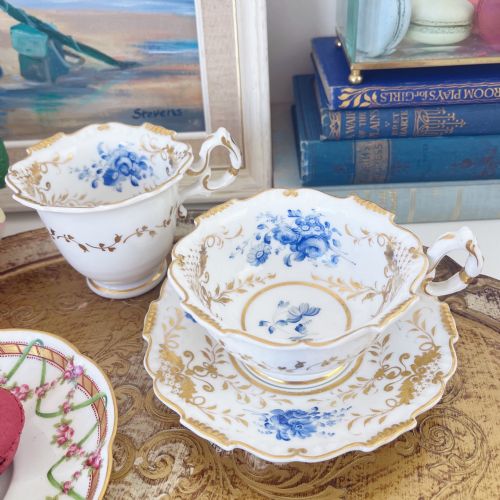
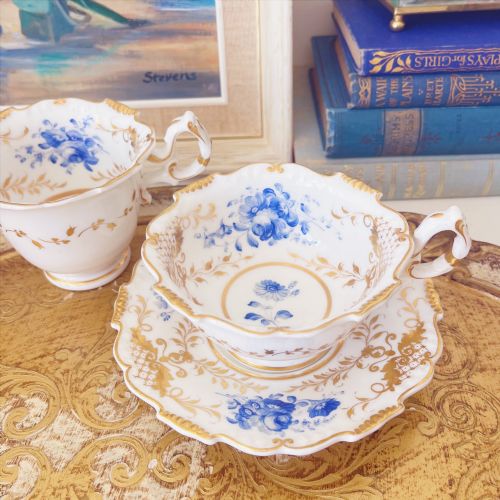
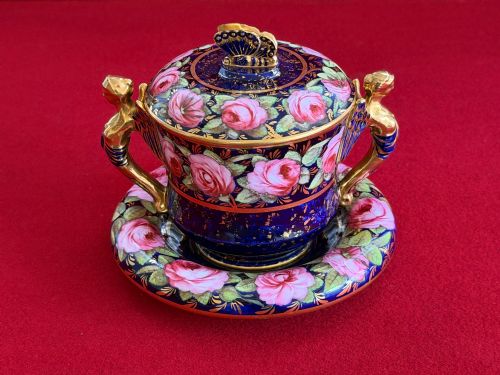
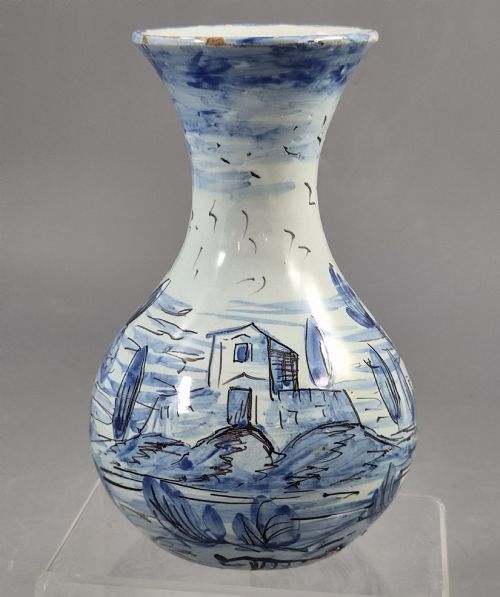
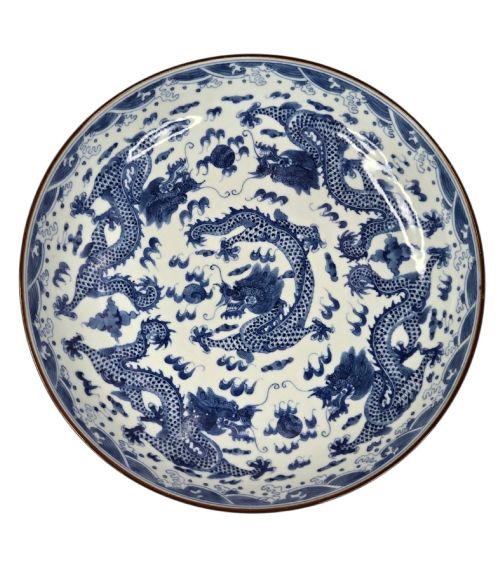
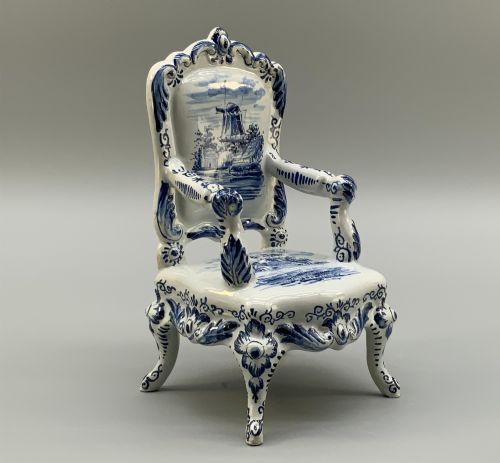
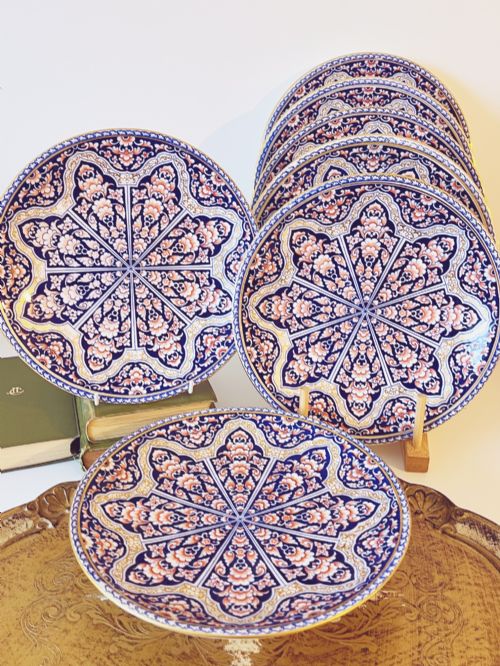
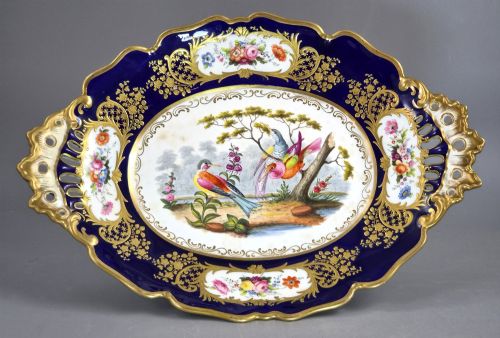
Most items you will meet on this page take the form of cabinet plates, decorative vases, urns, and tea services produced during the Victorian and Regency eras. European factories frequently imitated Oriental designs, creating hybrid styles that combined traditional cobalt hues with elaborate gilding.
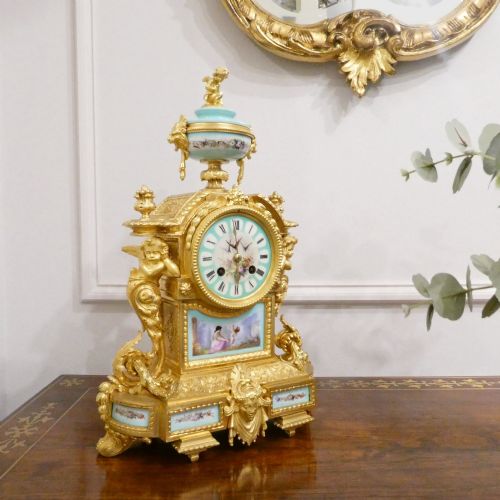
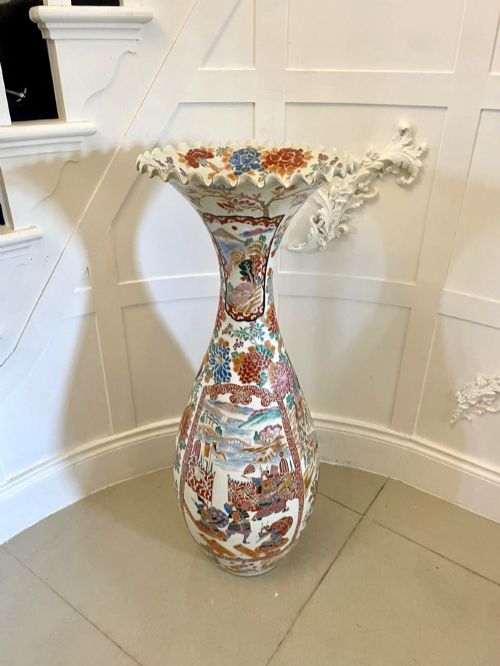
Domestic items such as water jugs, sauce tureens, and desk accessories also appear alongside monumental floor-standing pieces and mantel clocks mounted in ormolu. This variety reflects a period of immense manufacturing output where blue ceramics served both functional dining roles and high-status interior display.
Materials and production methods
Potters relied on refined ceramic bodies painted with cobalt oxide underglaze to achieve the characteristic deep blue tones before firing at high temperatures. Many European pieces received subsequent overglaze enamel decoration and hand-applied gold leaf or gilding.
Mounts in gilt bronze, ormolu, or brass frequently accompanied French and continental decorative vases, clocks, and lamps. Ironstone and earthenware also appear as durable alternatives to traditional hard-paste and soft-paste porcelain bodies.
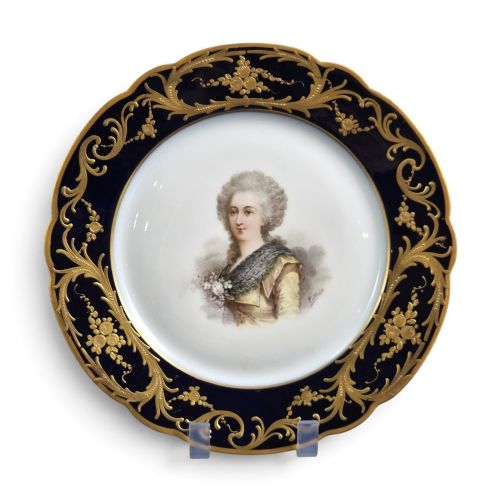
Hand-painting predominated across fine tea trios and portrait plates, whilst transfer-printing allowed factories to produce intricate patterns on domestic tableware at a larger scale.
Listings feature porcelain forms ranging from miniature clocks and toothpick holders to monumental floor-standing vases and chargers.
Distinctions in execution and design
The standard of a piece rests heavily on the precision of the hand-painting, particularly in facial portraits, floral motifs, and fine underglaze cobalt linework. Crisp brushwork and well-defined details separate master studio output from mass-market factory production.
The application and richness of the gold leaf or gilding also indicate grade, with burnished gold showing superior craftsmanship compared to flat, printed metallic finishes. Mounts executed in heavy cast bronze display greater artistry than lightweight stamped brass fittings.
The clarity of the porcelain body and the absence of firing distortions in large forms such as chargers and floor-standing vases mark out the superior examples in any collection.
H & R Daniel·Royal Crown Derby·Coalport·Henry Marc·Villeroy & Boch·Mason's
The 19th Century Blue Porcelain Glossary
- Cobalt blue
- A deep, stable metallic oxide pigment used underglaze to produce vibrant blue decoration that withstands high kiln temperatures without fading.
- Gilding
- The application of gold leaf or powdered gold to ceramic surfaces, often hand-burnished to achieve a bright reflective finish.
- Ormolu
- Gilt bronze mountings cast and chased to adorn French porcelain clocks, vases, and decorative urns.
- Cabinet plate
- A decorative ceramic plate intended for display on a wall, shelf, or cabinet rather than for functional dining use.
- Tea trio
- A matching set comprising a teacup, a coffee cup, and a saucer, frequently produced by English porcelain factories in the Regency period.
- Underglaze
- A decorative technique where pigments are applied to the raw ceramic body before the transparent glaze is fired over top.
19th Century Blue Porcelain: Frequently Asked Questions
How do I identify a Sèvres-style piece?
Sèvres-style pieces typically feature rich blue grounds such as bleu céleste or cobalt, combined with hand-painted portraits or pastoral scenes framed in heavy raised gilding. They often emulate the neoclassical forms and delicate ornamentation associated with the famous French royal manufactory.
While genuine Sèvres items bear specific historical factory ciphers, many 19th-century European potteries produced excellent hommage pieces inspired by these French designs without marking them as direct reproductions.
Were these porcelain items meant for daily use?
Many items like tea trios, cups, and water jugs were produced for functional dining and social rituals in middle- and upper-class households. Their survival in good condition suggests they were handled with care and often reserved for special occasions.
Conversely, large chargers, cabinet plates, and monumental vases were strictly decorative ornaments intended to display wealth and artistic taste in drawing rooms and parlours.
What is the difference between Imari and traditional blue and white?
Traditional blue and white porcelain relies exclusively on cobalt blue pigment painted directly onto the white ceramic body. The results are monochromatic designs showcasing floral, landscape, or figurative scenes.
Imari ware incorporates a distinct palette combining underglaze blue with iron red, accented by gold leaf details. This Japanese style originated in Arita and heavily influenced European factories during the 19th century.
How can I date 19th century porcelain accurately?
Dating relies on examining a combination of factory marks, stylistic influences, and manufacturing techniques. Impressed or painted marks, pattern numbers, and registry diamonds often point to specific decades or active years of a pottery.
Material composition also offers clues, as the transition from soft-paste to harder porcelain bodies and the evolution of chemical gilding methods shifted noticeably across the Victorian and Regency periods.