



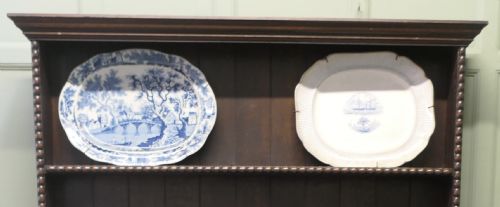
19th Century Blue Plate
These 19th century blue plate examples range from transfer-printed earthenware to cobalt porcelain, offering rich colour and pattern for display or dining.
19th Century Blue Plate
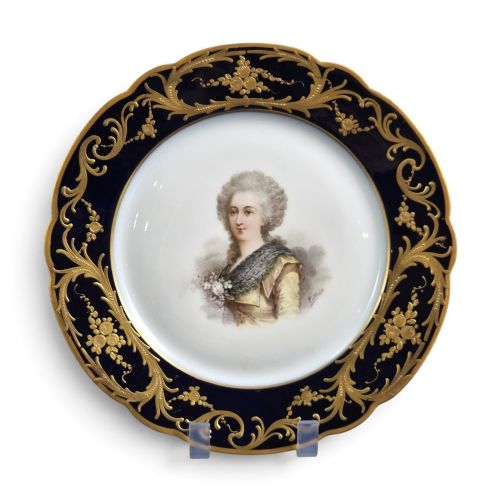
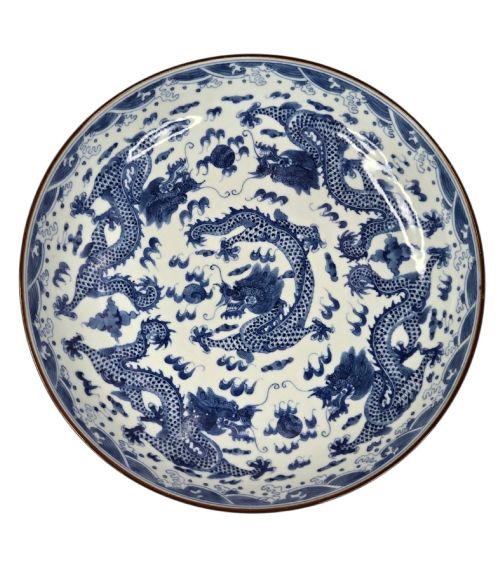
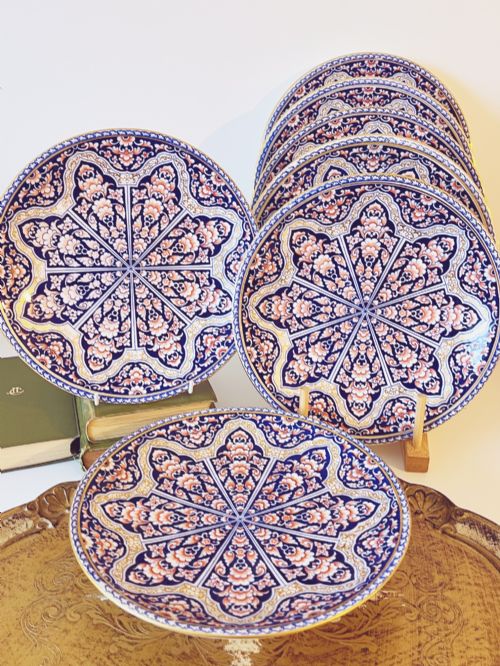
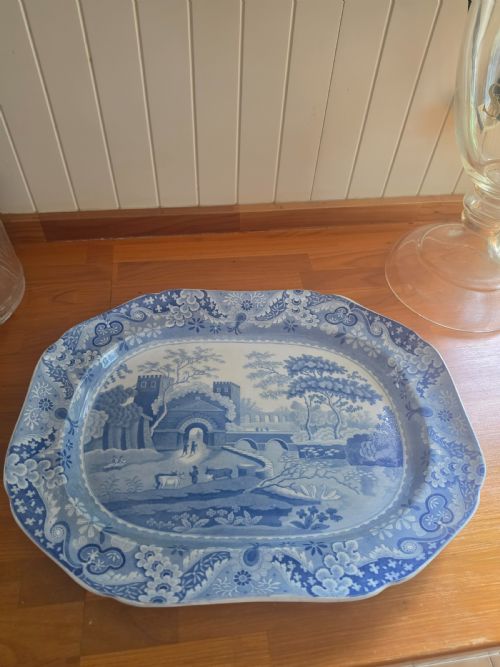
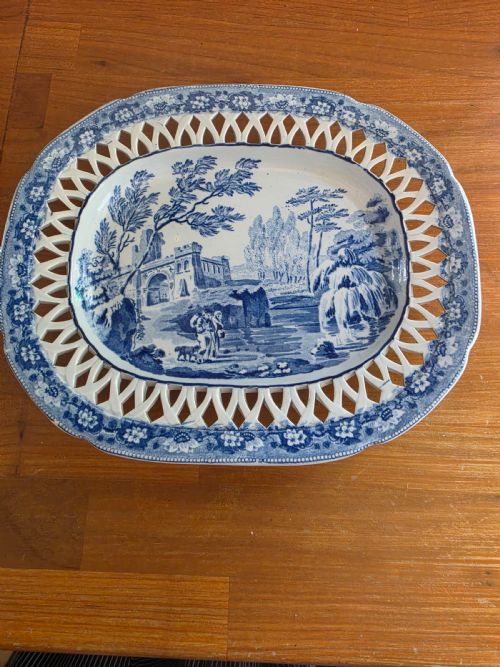
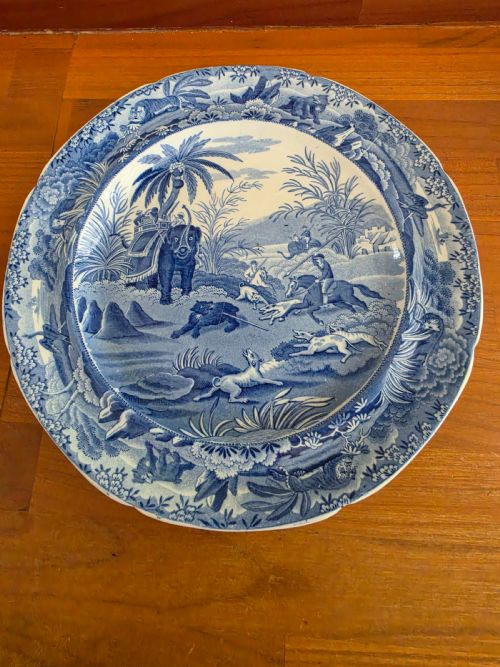
A 19th century blue plate covers a broad spectrum of ceramic wares, including large meat platters, decorative chargers, and soup bowls spanning the Georgian, Victorian, and later eras. You will frequently encounter transfer-printed earthenware featuring traditional motifs such as the willow pattern or scenic landscapes alongside deep cobalt porcelain.
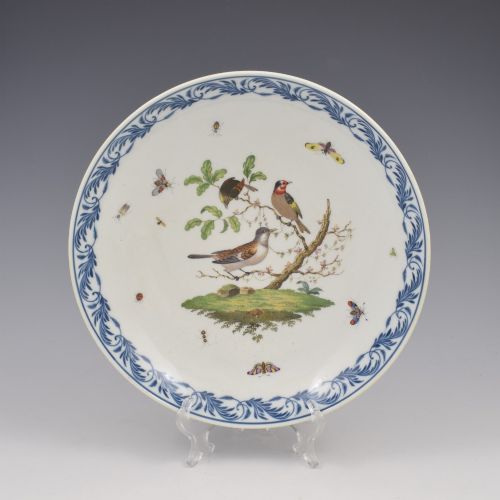
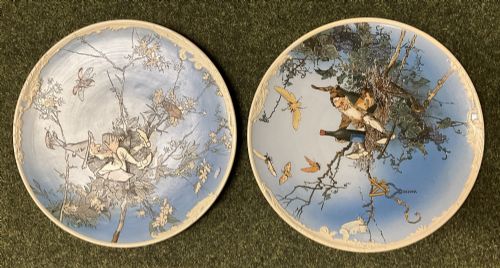
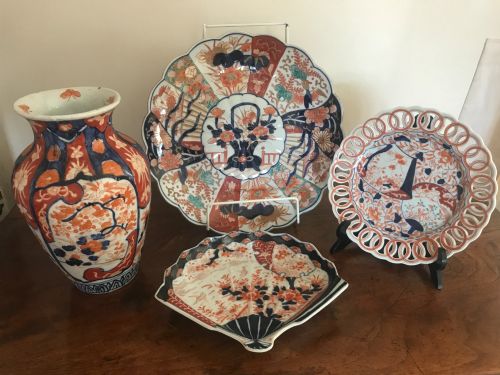
The selection extends from domestic English pottery to continental European porcelain and Japanese Imari wares produced during the Meiji period. Forms vary from modest dessert dishes to expansive wall plaques and serving platters intended for formal dining.
How They Were Made
Potters shaped these objects using ceramic, earthenware, stoneware, and porcelain, frequently applying glaze to seal the body and create a smooth finish. Cobalt oxide provided the primary blue pigment, applied by hand or via copper-plate transfer printing before high-temperature firing.
Additional ornamentation involved gold leaf, gilding, and enamel work applied over the glaze, particularly on decorative cabinet pieces and Imari palette items. Cloisonné enamel pieces utilised copper foundations fitted with wire cells to hold coloured enamel pastes.
Object forms include meat platters, soup bowls, cabinet plates, and decorative wall plaques.
What Varies in Quality
The refinement of the ceramic body and the crispness of the blue transfer print determine the baseline standard of a piece, with finer porcelain offering greater translucency than denser earthenware. Hand-painted details, precision in gilding, and the complexity of pictorial scenes distinguish standard utilitarian tableware from exceptional cabinet plates.
Maker attribution and the preservation of original enamel colours without fading or rubbing heavily influence the standing of an item within its specific category.
Royal Crown Derby·Hicks And Meigh·Mettlach·Darte Brothers·John Ridgway·Coalport·Wedgwood·Hackwood·Rogers·Spode·Davenport·Meissen·Minton
The 19th Century Blue Plate Glossary
- Charger
- A large decorative plate or platter typically exceeding standard dinner service dimensions, often displayed upright on a wall or dresser.
- Transfer printing
- A mechanical method of applying complex decorative patterns to ceramics by pressing a paper design inked from a copper plate onto the biscuit or glazed surface.
- Imari palette
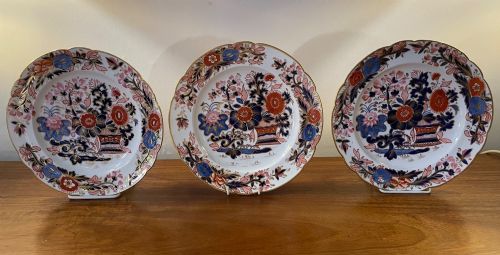
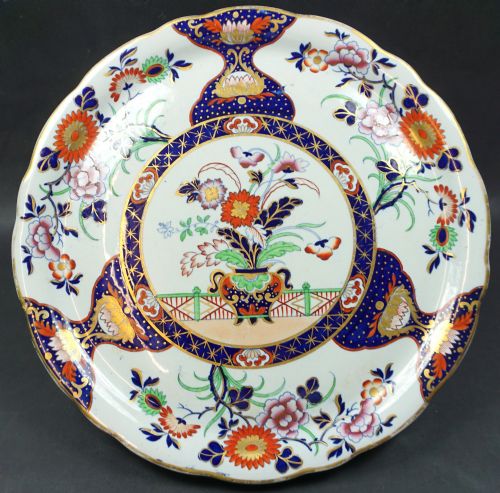
- A decorative style originating in Japan utilising deep underglaze blue, iron red, and gold highlights, which nineteenth-century European potteries frequently imitated.
- Earthenware
- A porous, opaque pottery body fired at lower temperatures than porcelain, commonly utilised for nineteenth-century transfer-printed meat plates and dining services.
- Comport
- A raised dish or bowl used for serving fruit or desserts as part of a formal nineteenth-century tablescape.
19th Century Blue Plate: Frequently Asked Questions
How were nineteenth century blue and white meat plates used?
These large platters served joint meats at the centre of the dining table, catching juices in recessed wells.
Their robust earthenware construction handled daily family dining as well as formal entertaining throughout the Victorian period.
Can I use these antique plates for serving food today?
Most nineteenth-century earthenware and porcelain plates remain structurally sound for serving dry foods, though historic glaze composition warrants careful hand washing.
Many collectors prefer to display cabinet plates and chargers on walls or stands rather than risk modern dishwasher heat.
What is the difference between transfer printed and hand painted plates?
Transfer printing uses an inked copper plate to stamp repeating pictorial designs onto ceramic surfaces with mechanical precision. Hand-painted examples display subtle brushwork variations and individual artist touches across the cobalt or enamel decoration.
How do I identify Japanese Imari from European copies?
Japanese Imari pieces from the nineteenth century typically feature distinct paste characteristics, characteristic iron-red and cobalt tones, and specific body textures associated with Arita kilns.
European factories like Royal Crown Derby produced their own interpretations of the Imari palette using Western ceramic bodies and date marks.