



Blue White Transferware Plate
A blue white transferware plate brings the rich pictorial scenes and domestic utility of the nineteenth century straight to the table.
Blue White Transferware Plate
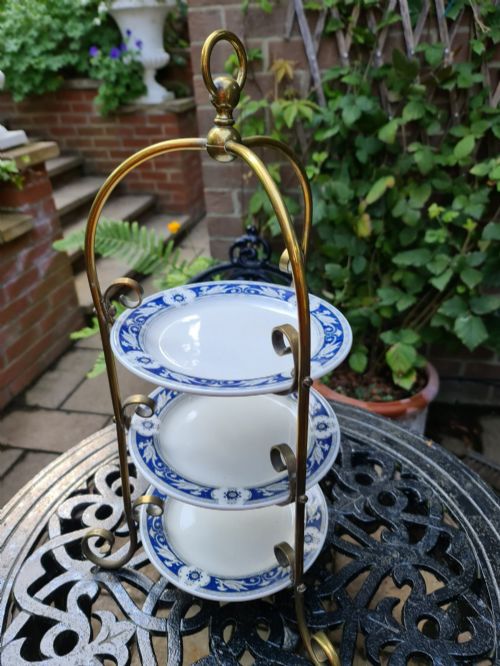
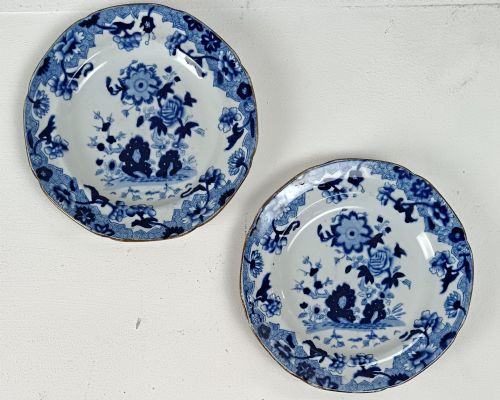
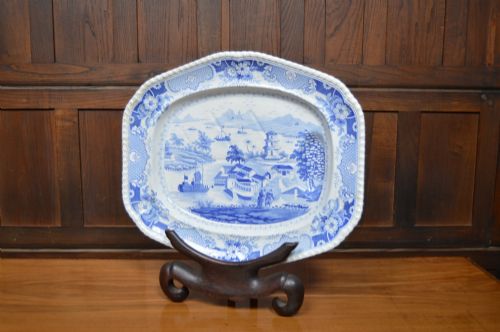
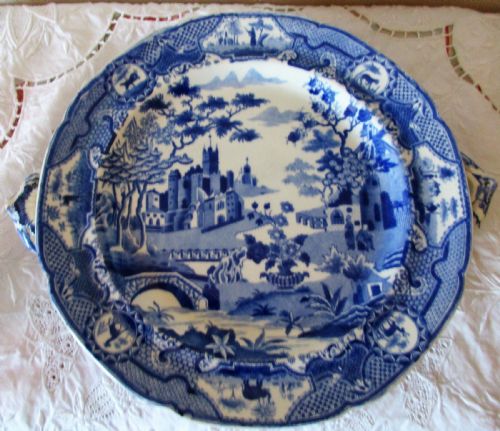
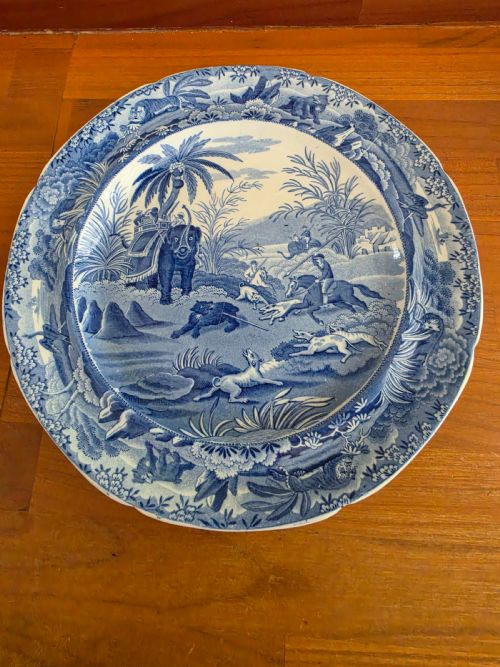
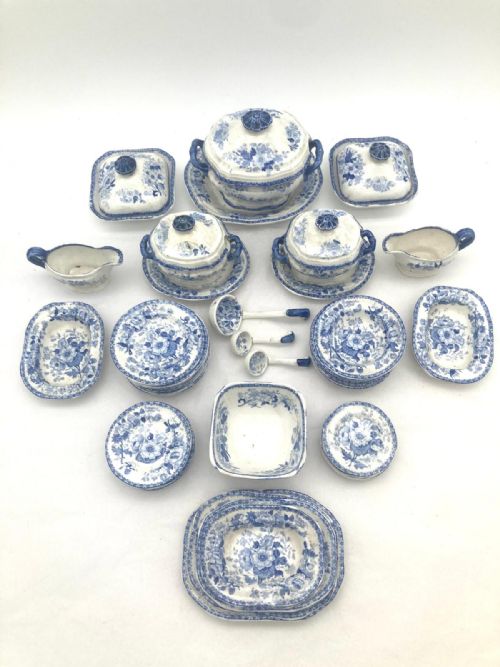
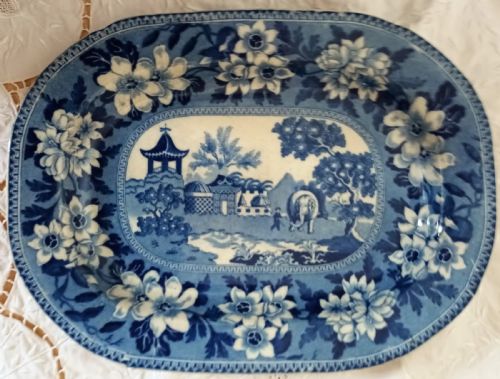
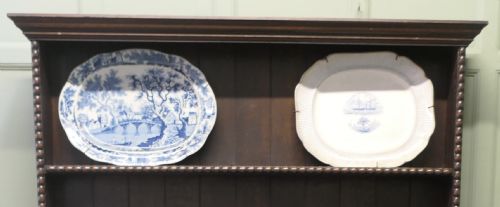
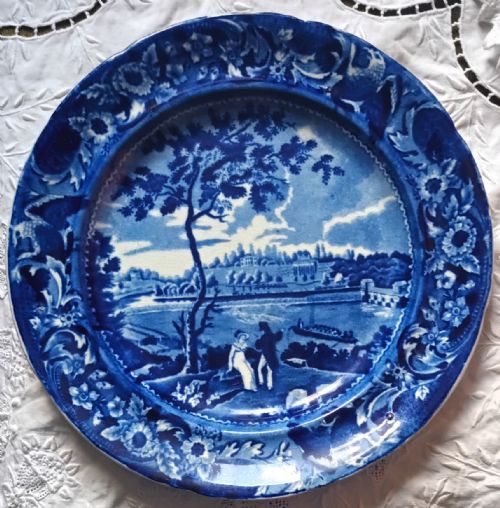
A blue white transferware plate encompasses everything from tea plates and bread stands to large meat platters and chargers produced across the Georgian, Regency, and Victorian eras. Buyers encounter standard table plates alongside expansive serving dishes and cake stands decorated in cobalt pigment.
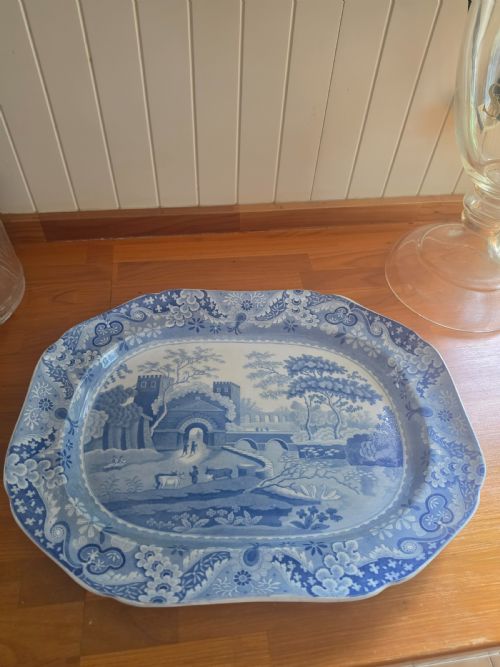
The pieces originating from nineteenth century Staffordshire potteries dominate the selection, featuring named topographical views, classical Chinoiserie subjects, and narrative scenes printed onto earthenware, pearlware, and ironstone.
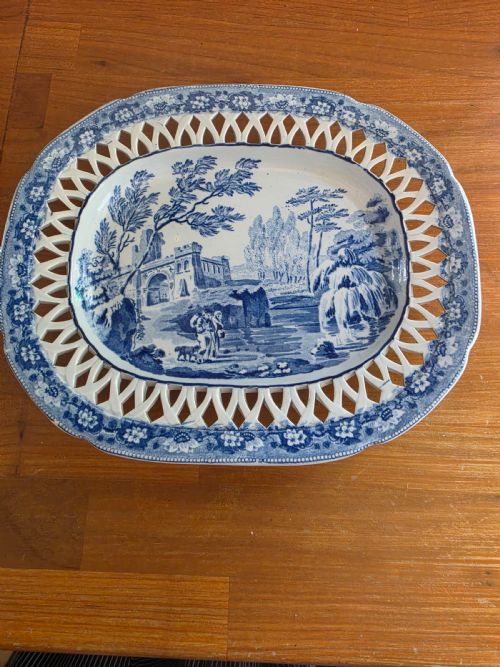
Domestic service pieces such as meat platters and drainage inserts sit alongside decorative chargers, reflecting both the daily dining habits and the ornamental display of historical households.
Materials and technique
Potters built these vessels using earthenware, pearlware, ironstone, and improved stone china, applying a liquid ceramic glaze to seal the porous body before or after firing.
The characteristic decoration relies upon cobalt pigment transferred from an engraved copper plate onto tissue paper, which workers then applied by hand to the biscuited ceramic surface prior to glazing.
Some plates record specific local events like the Hastings powder mill explosion or historical battles rather than standard pastoral scenes.
Execution and depth
The clarity of the transfer print dictates visual success, separating sharply defined architectural lines and deep cobalt tones from blurred or smudged impressions.
The weight and substance of the ceramic body, ranging from delicate pearlware to robust ironstone and new stone, alters the tactile presence of the dish in the hand.
Spode·Davenport·John Rogers Son·Stubbs·Minton·John Ridgway·Caughley·Mason·Wedgwood·Copeland Garrett
The Blue White Transferware Plate Glossary
- Transferware
- Pottery decorated by printing a design from an engraved copper plate onto paper and transferring it to the ceramic body. This technique allowed factories to produce intricate pictorial patterns with consistent repetition.
- Pearlware
- A refined earthenware developed in the late eighteenth century featuring a subtle bluish glaze that pooled in recesses to mask the natural cream colour of the clay. It served as a direct precursor to heavier Victorian ironstone bodies.
- Ironstone
- A dense, durable type of feldspathic stoneware patented in the early nineteenth century to resist chipping during heavy kitchen and dining use. It provides a sturdy, opaque foundation for cobalt printed scenes.
- Charger
- A large decorative or serving plate intended for ceremonial use or as a base for smaller courses. These substantial pieces frequently display complex topographical or narrative transfer prints.
- Drainer
- A perforated ceramic insert placed inside a meat platter to allow juices to pool beneath the roasting joint. They share the same cobalt printed motifs as the surrounding service dishes.
Blue White Transferware Plate: Frequently Asked Questions
How do I care for antique plates?
Wash these ceramic pieces gently by hand in warm water using mild soap rather than placing them in an automated dishwasher. Avoid harsh scrubbing brushes that might scratch the historical glaze or dull the cobalt pigment.
Store them securely on plate racks or with protective felt dividers between stacked chargers to prevent rim chips and surface abrasions.
Can I use these plates for dining?
Most nineteenth-century earthenware and pearlware plates remain structurally sound for serving dry foods, though historical crazing in the glaze warrants caution with greasy or deeply pigmented items.
Many collectors prefer to use them for display, dessert service, or special occasions rather than heavy daily dining to preserve the integrity of the antique ceramic.
How do I date a transferware plate?
Examine the weight of the ceramic body, the shade of the underlying clay, and any impressed factory marks or pattern names on the reverse. Pearlware bodies typically suggest a date around the late eighteenth or early nineteenth century, while heavier ironstone pieces often point toward the Victorian era.
Matching the printed scene against known historical registry marks or factory output helps narrow the production window further.
What is the Willow pattern?
The Willow pattern is a classic landscape design featuring traditional Chinese motifs such as bridges, pagodas, birds, and figures, adapted by British potteries during the Georgian period. It became the most prolific transfer-printed motif in ceramic history.
Plates decorated with this scene appear across multiple nineteenth-century eras, produced by numerous different factories.