







English Earthenware Plate
An english earthenware plate brings tactile warmth to a room, offering centuries of hand-painted pigments and transfer-printed histories directly to the wall or table.
English Earthenware Plate
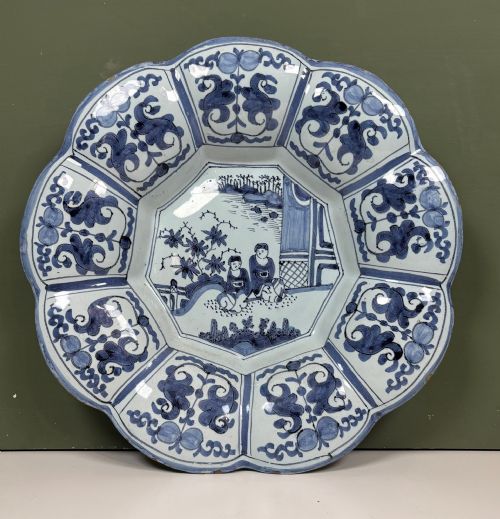
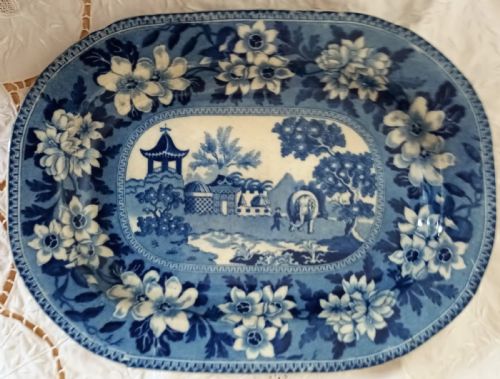
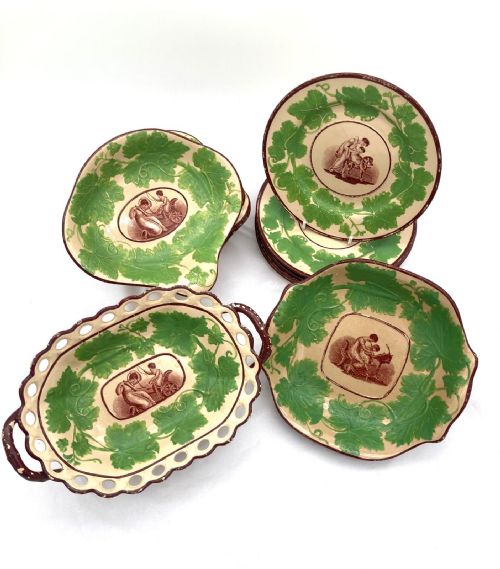
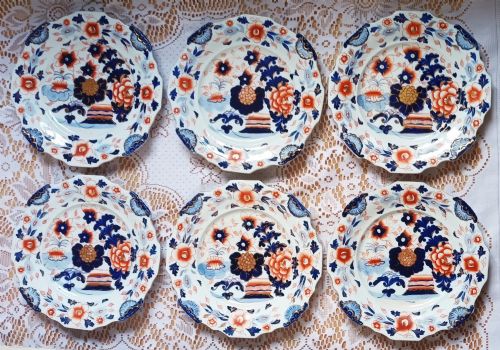
When searching for an english earthenware plate, collectors encounter a diverse range of forms spanning from early tin-glazed chargers to later transfer-printed service dishes. The selection on this page leans heavily toward eighteenth-century delftware and nineteenth-century blue and white pottery.
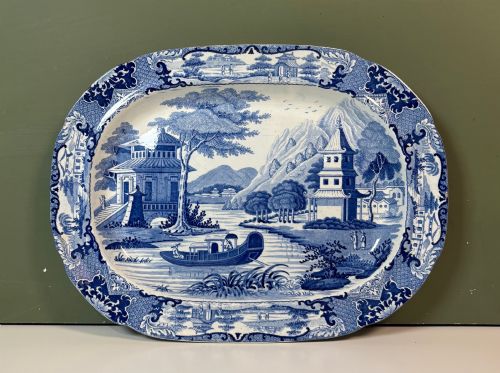
Makers utilised these ceramic surfaces for everything from small shallow bowls to large decorative chargers and meat serving platters. Pieces often double as wall art, displaying landscapes, historical scenes, or Chinoiserie motifs.
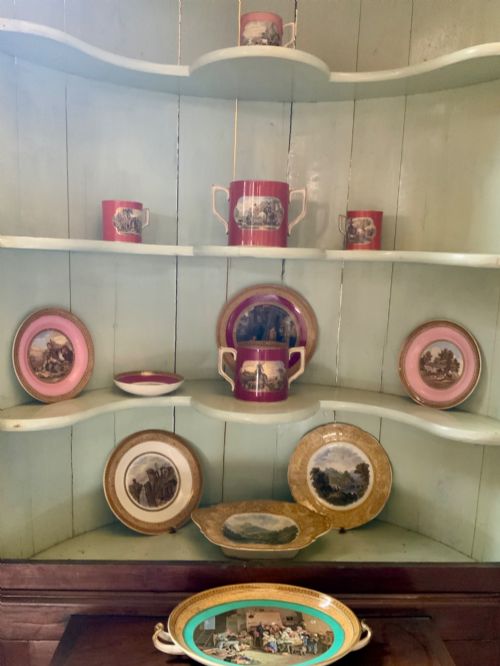
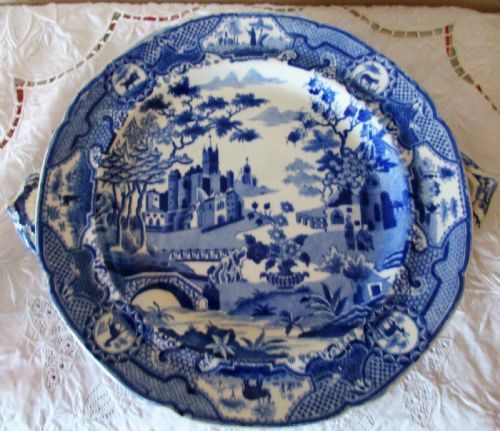
Domestic and decorative wares alike survive from Georgian and Victorian periods, showcasing how households combined utility with visual display. Standard plates sit alongside specialised items such as hot-water plates and bread platters.
How they were made
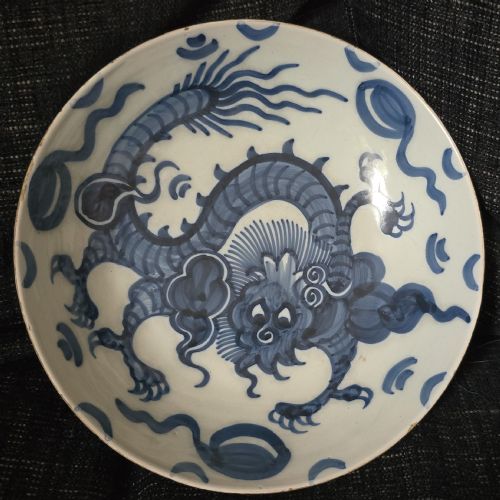
Potters built these items using earthenware clay bodies, later coating them with tin glaze, pearlware, or standard ceramic glaze depending on the period. Cobalt pigment and enamel colours provided the palette for hand-painted brushwork.
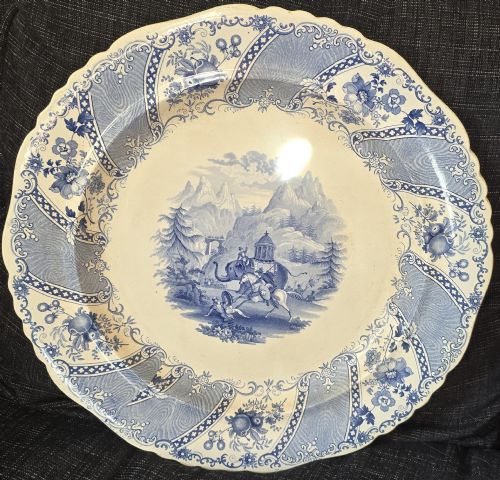
Transfer printing revolutionized production in the nineteenth century, allowing crisp blue and white designs like willow patterns and topographical views to transfer onto the clay surface before firing. Ironstone china offered a harder, heavier alternative for durable service wares.
English Earthenware Plate Retail Price Guide 2026
Typical asking prices for english earthenware plate among the pieces listed under this phrase on Sellingantiques today, from the lower quarter to the upper quarter. They describe what is for sale here now, not the wider market.
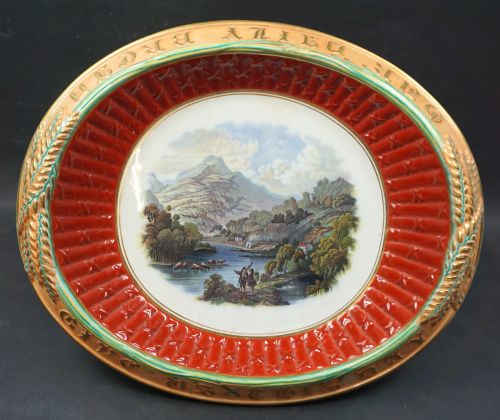
A nineteenth-century bread platter sternly commands diners to give us this day our daily bread whilst they slice.
What varies in quality
The clarity of the transfer print and the skill of the hand-painted brushwork separate standard domestic wares from exceptional display pieces. Early delftware depends on the crispness of the tin glaze and the vibrancy of the polychrome pigments.
The complexity of the narrative scene or pattern dictates desirability, with named views, historical subjects, and signed works by notable factories holding greater visual weight. Glaze uniformity and minimal firing distortion also mark superior craftsmanship.
William Smith and Co·Spode·John Rogers and Son·Stubbs·William Yale·C J Mason·Charlotte Rhead Crown Ducal·Wedgwood
The English Earthenware Plate Glossary
- Delftware
- Tin-glazed earthenware produced in England, typically featuring white surfaces painted with blue or polychrome designs. It characteristically shows a softer body than later ironstone.
- Transferware
- Pottery decorated by applying a printed design from a copper plate onto paper, then transferring the ink onto the ceramic surface. This technique enabled intricate repeatable patterns.
- Charger
- A large decorative plate or dish traditionally used for display on a sideboard or wall rather than for individual dining. These substantial pieces often showcase the highest artistry of the period.
- Pearlware
- A refined earthenware developed in the late eighteenth century with a slightly bluish glaze that pooled in recesses, creating a whiter appearance than creamware.
- Ironstone
- A heavy, durable type of earthenware patented in the early nineteenth century that resists chipping and mimics porcelain. It formed the body of many sturdy dinner services.
English Earthenware Plate: Frequently Asked Questions
How do I hang a heavy charger?
Large chargers and platters require specialised wall brackets or spring-loaded plate hangers designed to distribute the weight evenly across the rim. Ensure the fixing secures firmly into a wall stud rather than plaster alone.
Avoid using adhesive disk hangers on antique earthenware, as the porous nature of the bisque or old glaze can weaken under sustained tension.
Can I use these plates for dining?
Most antique earthenware is best reserved for display or gentle service due to centuries of accumulated hairline crazing in the glaze. Acidic foods can stain or penetrate vulnerable historic ceramic bodies.
Hand washing in lukewarm water with mild soap protects the glaze and pigments. Dishwashers and microwaves will cause permanent damage to these historic surfaces.
What is the difference between pearlware and creamware?
Creamware utilises a warm, yellowish transparent glaze over a pale earthenware body, defining much of the mid-to-late eighteenth-century tableware. It offers an ivory tone.
Pearlware introduces a small amount of cobalt to the clear glaze to neutralize the yellow tones, resulting in a bluish tint that pools thickly around the footring and edges.