

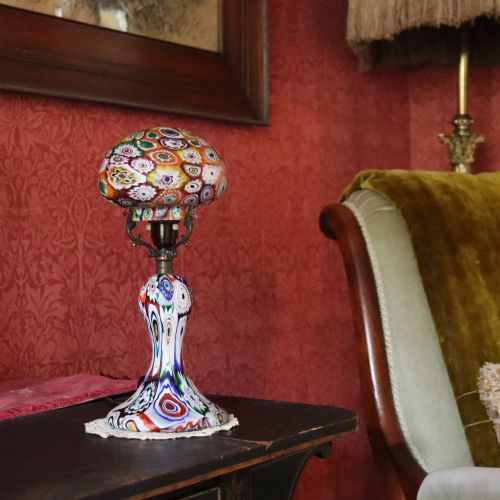
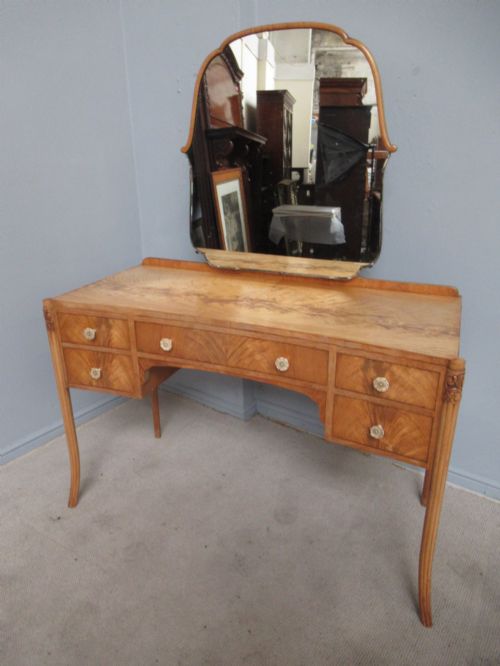
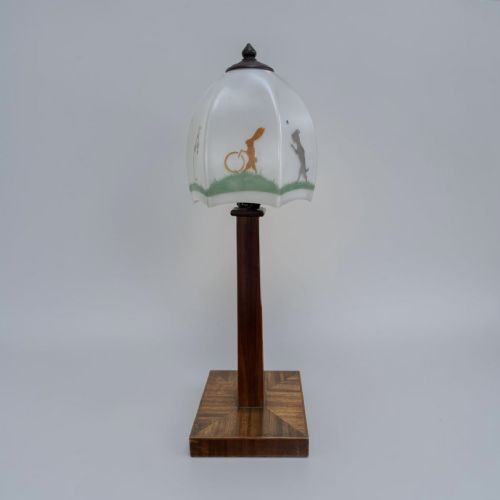
1930s Art Deco Glass
When exploring 1930s art deco glass, you encounter functional objects and decorative lighting that define mid-century elegance.
1930s Art Deco Glass
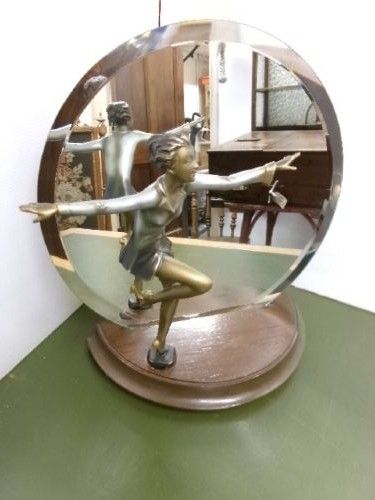
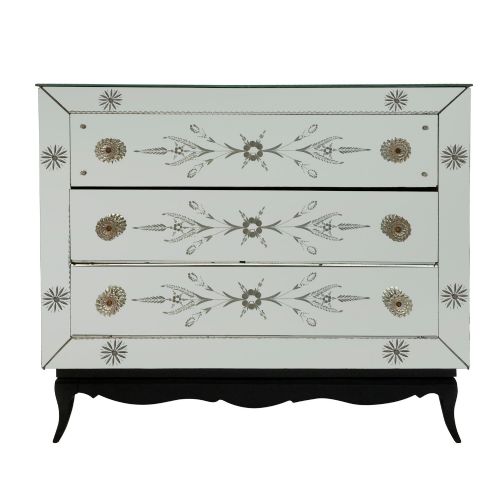
Collectors seeking 1930s art deco glass encounter pieces ranging from delicate perfume bottles and decanter sets to large vases, lighting, and wall mirrors. The selection encompasses items originating from Britain, France, Czechoslovakia, and Italy, reflecting diverse manufacturing centres.
The objects most frequently met on this page include moulded glass vases, dressing table atomisers, and geometric drinking vessels often paired with chrome or metal mounts. Many pieces combine coloured glass with silver enamel decoration or contrasting backgrounds.
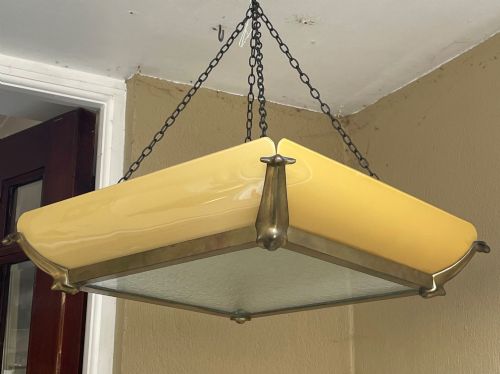
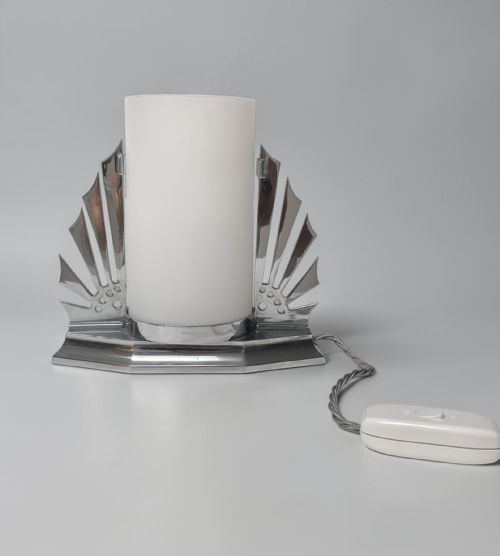
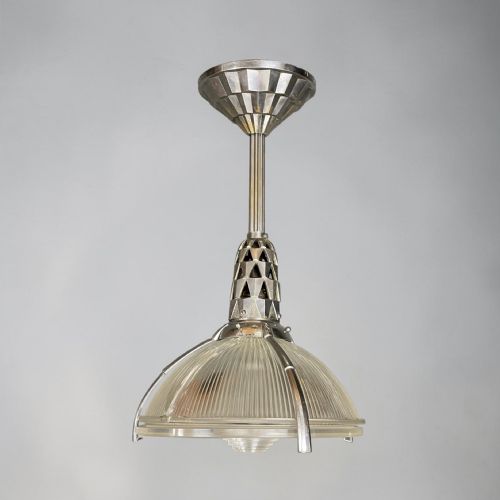
Lighting fixtures form another substantial category, featuring hanging pendants, wall sconces, and table lamps that utilise frosted, opalescent, or clear crystal materials. These items bridge decorative arts and practical home furnishings from the interwar period.
Materials and production methods
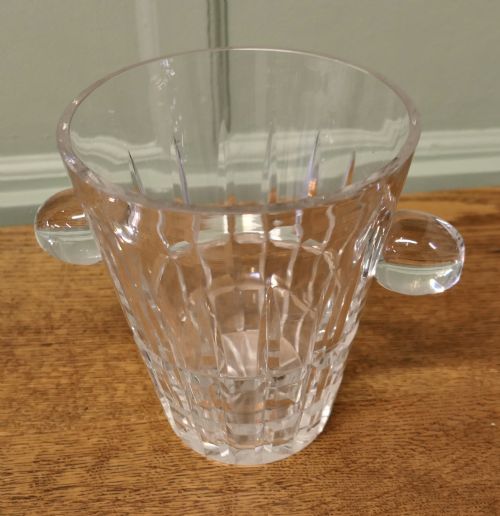
Makers utilised heavy crystal, opalescent glass, and coloured glass bodies, frequently combining them with chrome, brass, or silver-plated metal components. Techniques such as hand-cutting, mould-blowing, and acid-etching allowed artisans to achieve sharp geometric lines and tactile surface textures.
Enamelling and reverse-painting were applied to glassware surfaces to introduce contrasting patterns, while aventurine inclusions provided metallic shimmer within the glass body during melting.
1930s Art Deco Glass Retail Price Guide 2026
Typical asking prices for 1930s art deco glass among the pieces listed under this phrase on Sellingantiques today, from the lower quarter to the upper quarter. They describe what is for sale here now, not the wider market.
Hairdressing establishments once utilised reverse-painted glass signs to advertise treatments during the interwar period.
Evaluating craftsmanship and design
Quality in these glass pieces depends on the precision of the cutting, the clarity and weight of the crystal or glass body, and the integration of metal fittings. Superior examples display crisp facet edges, balanced proportions, and clean coloured enamelling without blurring.
The presence of signatures, attribution to known designers or potteries, and intact original chrome mounts or atomiser hardware elevate individual pieces above standard production items.
Fratelli Toso·Émile-Jacques Ruhlmann·Rene Lalique·Karl Palda·Sowerby·Marcel Franck·Jaz·Pierre D'Avesn·Baccarat·Enfield·Dudley & Co
The 1930s Art Deco Glass Glossary
- Atomiser
- A perfume spray bottle typically fitted with a metal pump mechanism and a glass body, frequently produced in colourful Czech or French glass during the interwar years.
- Opalescent
- A milky, translucent glass property that reflects blue light in direct illumination and appears amber or warm tones when viewed against transmitted light.
- Millefiori
- A glasswork technique involving multi-coloured glass canes fused together and sliced to reveal intricate floral or geometric cross-sections within the material.
- Comport
- An elevated dish or bowl resting on a pedestal base, commonly utilised for serving fruit or displaying decorative objects on dining tables.
- Paste
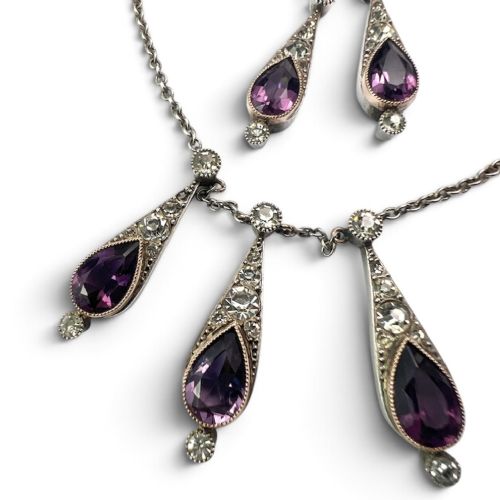
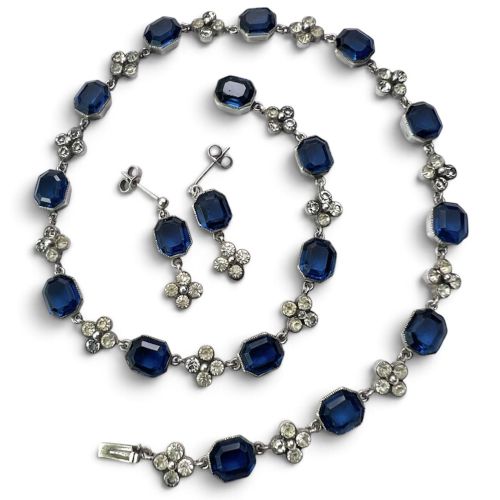
- Cut and polished lead glass or crystal used to simulate precious gemstones in jewellery sets and decorative metalwork.
1930s Art Deco Glass: Frequently Asked Questions
Were these items used daily?
Many glass items served practical domestic functions, including perfume storage, serving drinks from decanters, and illuminating rooms with wall lights.
Others functioned purely as decorative centerpieces or mirrors within domestic interiors.
What metal is paired with the glass?
Chromium plating and polished brass appear frequently as structural mounts, handles, and frames alongside the glass bodies.
Silver plate and sterling silver are also found on dressing table jars and cocktail accessories.
How do I care for my glass?
Clean glass surfaces gently using lukewarm water and mild detergent, avoiding harsh abrasives that might damage enamel or metal mounts.
Inspect metal fittings periodically to ensure secure attachment to the glass components.