




Val Saint Lambert Crystal
Val saint lambert crystal pieces are striking examples of mid-century Belgian glassmaking that bring vibrant colour and bold form to any room.
Val Saint Lambert crystal pieces
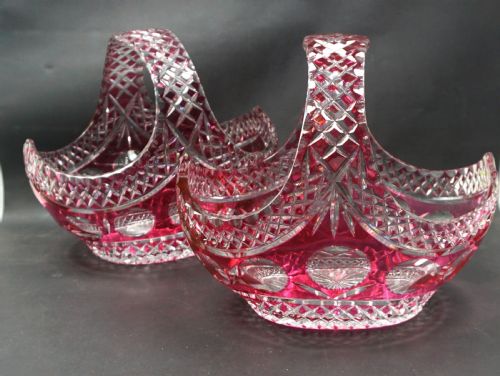
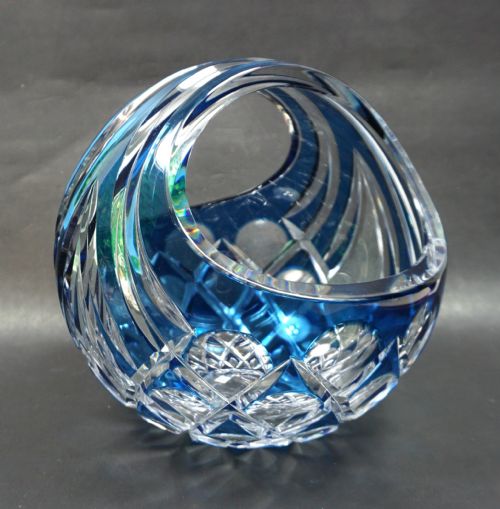
When you search for val saint lambert crystal, you encounter distinguished glassware originating from Belgium, encompassing vases, decorative bowls, hock wine glasses, jugs, and bowls. These items showcase the sophisticated output of a renowned European glasshouse known for its distinctive output.
The pieces you are most likely to meet on this page include striking items from the 1930s era, particularly vessels exhibiting strong Art Deco design sensibilities. Collectors frequently encounter forms designed by notable figures associated with the factory.
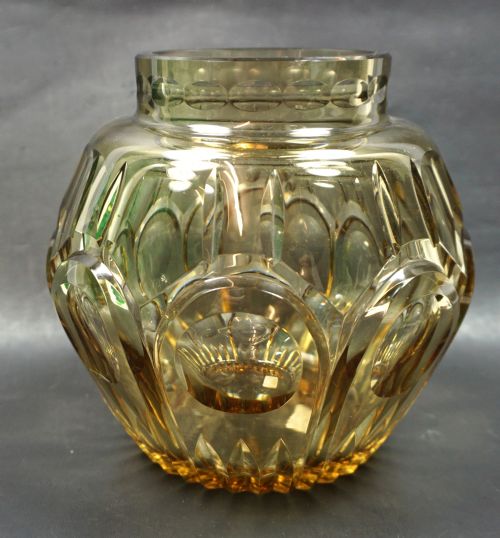
Examples range from vibrant topaz glass vases to green overlay crystal bowls and purple petal-shaped cut glass crystal hock wine glasses. Each category demonstrates the refined aesthetic and technical precision characteristic of this Belgian manufacturer.
Production methods and materials
Makers utilised high-quality glass, crystal, and cut lead crystal to achieve brilliant clarity and substantial weight in their vessels. These materials allowed artisans to execute deep, precise cuts that catch and refract light effectively.
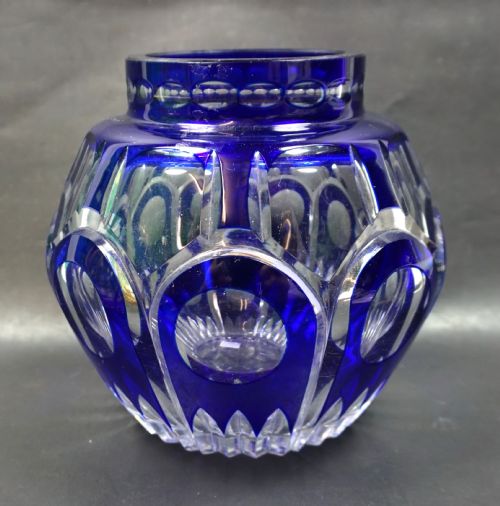
Techniques such as colour overlay involved fusing a layer of coloured glass over a clear or contrasting crystal base, which was then cut away to reveal the underlayer. This method created dramatic contrast and depth in pieces like green overlay glass bowls.
The factory operated out of a converted former Cistercian abbey, where monks once prayed before glassblowers took over the halls.
Distinctions in quality
Quality in these items rests upon the precision of the cutting and the richness of the glass coloration, whether in topaz, purple, or green overlay. Superior examples display crisp facet edges and harmonious proportions that reflect master craftsmanship.
The presence of factory marks and specific design attribution elevate certain items above standard production pieces. Exceptional works combine innovative Art Deco forms with flawless execution across the crystal body.
Joseph Simon for Val St. Lambert
The Val Saint Lambert Crystal Glossary
- Overlay glass
- A technique where a layer of coloured glass is applied over a clear or different coloured body. Artisans cut through the outer layer to expose the contrasting colour beneath.
- Cut lead crystal
- Glass containing substantial lead oxide, which increases brilliance and weight, shaped through precise wheel cutting. This material forms the foundation of many decorative vessels.
- Topaz glass
- A transparent glass formulation exhibiting a warm yellow-brown or amber hue. This colour was particularly popular during the Art Deco period.
- Art Deco
- A design style characterised by sleek lines, geometric shapes, and stylised motifs that dominated decorative arts around nineteen thirty. It heavily influenced the silhouette of these glass pieces.
Frequently Asked Questions
What is val saint lambert crystal?
Val saint lambert crystal refers to luxury glassware produced by the historic Belgian glassworks established in the nineteenth century. The factory gained international renown for its artistic designs and technical proficiency in glass cutting.
Items range from tableware such as hock wine glasses to decorative objects like vases and bowls. Many of the most sought-after examples date from the Art Deco period of the 1930s.
How do I identify a 1930s piece?
Pieces from the 1930s typically exhibit characteristic Art Deco geometries, stylised forms, and specific colour palettes such as topaz or green overlay. Design markers from this decade often reflect the modernist aesthetic prevalent in European decorative arts.
Factory marks, where present, help confirm the production era and specific designer attribution. Comparing stylistic traits with authenticated period pieces remains a reliable method of identification.
Where were these items made?
These pieces were manufactured in Belgium at the Val Saint Lambert crystal works, located in an abandoned abbey near Liège. The facility became a major centre for European glass production.
Artisans at this location developed advanced techniques in cutting and overlay glass. Their output was exported globally, establishing a strong reputation among international collectors.