




Belgian Art Glass
Belgian art glass brings striking colour and sculptural form to a room, spanning delicate cased vessels and substantial lighting.
Belgian Art Glass
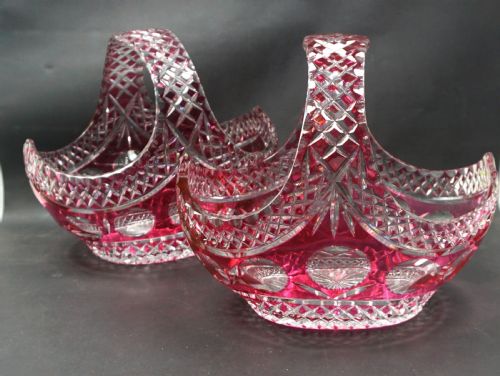
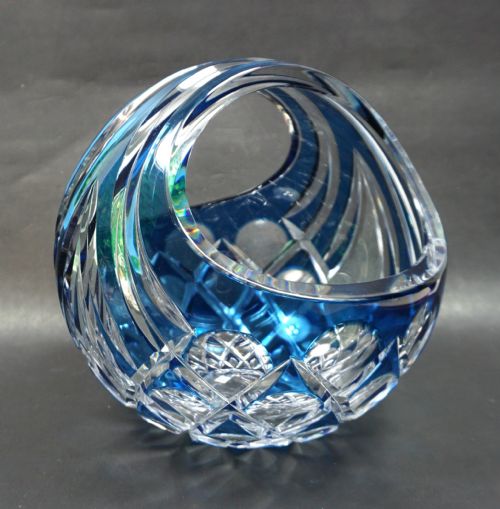
Belgian art glass encompasses sculptural vases, decorative bowls, and lighting from periods ranging through the Victorian era, the Secessionist movement, and Art Deco. When searching for belgian art glass, buyers encounter diverse forms such as cased glass baskets and liquor services.
How they were made
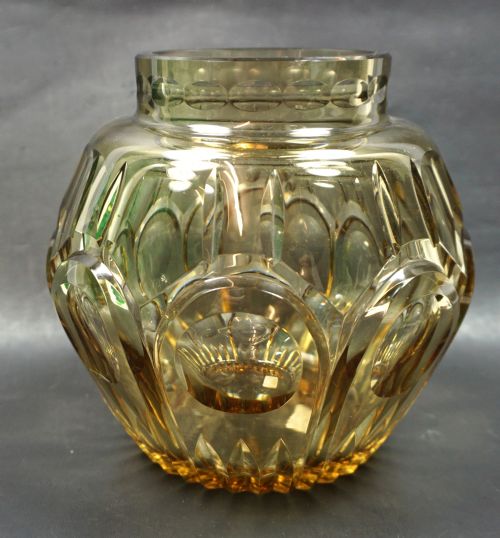
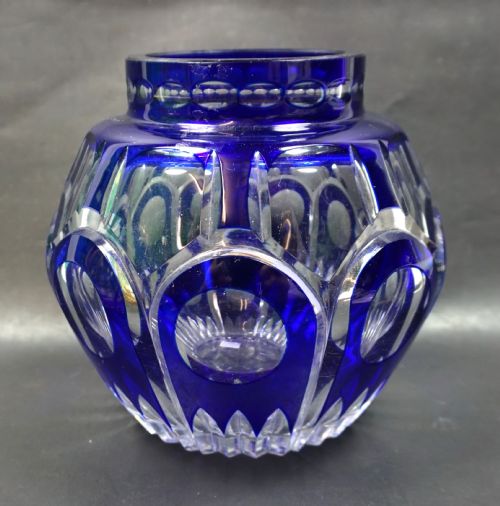
Maker studios shaped molten material into lead crystal, ruby glass, and hyalite glass vessels. Artisans applied overlay and cased glass methods to build contrasting layers of colour.
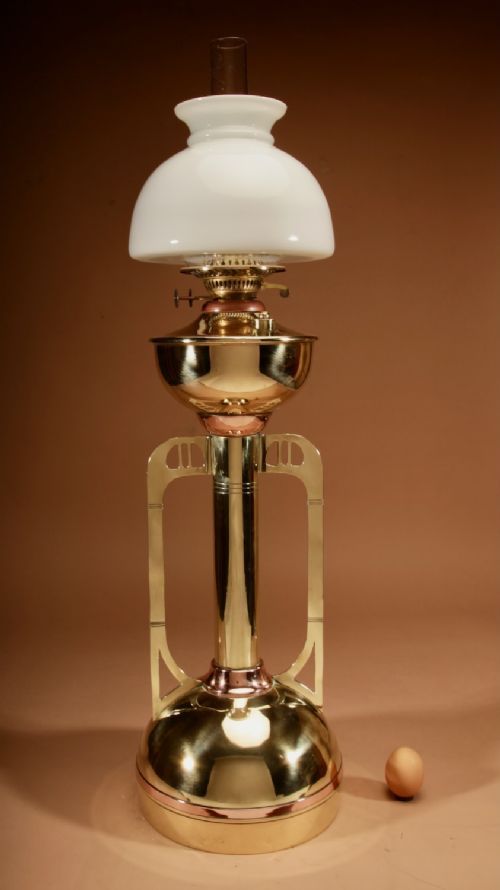
Lamp production combined glass components with metalwork elements in brass and copper. Cord fittings completed functional lighting designs.
Listings feature lead crystal, hyalite glass, and brass components across Art Deco and Secessionist styles.
What varies in quality
Quality separates standard production items from pieces bearing specific designer attributions and distinct factory marks. The depth of the colour layers and the precision of the cut crystal define superior examples.
The complexity of the form, from simple vessels to multi-part liquor services and combination brass lighting, determines the distinction between ordinary utility items and ambitious artistic achievements.
Gustave Serrurier Bovy·Val St Lambert·Joseph Simon·Charles Graffart·Paul Heller·Booms glass
The Belgian Art Glass Glossary
- Cased glass
- Glass composed of multiple distinct layers of different colours, often created by blowing one gathering of glass inside another. This technique allows artisans to cut through the outer layer to reveal contrasting colours beneath.
- Overlay glass
- A form of cased glass where a completely enveloping outer layer of coloured glass is applied over a base layer of clear or contrasting crystal. Subsequent cutting or engraving exposes the underlayer.
- Lead crystal
- Glass manufactured with the addition of lead oxide, providing increased weight, brilliance, and clarity. It allows for sharper facet cutting.
- Hyalite glass
- An opaque black or coloured glass developed during the nineteenth and early twentieth centuries. It presents a smooth, glossy surface resembling obsidian or jet.
- Secessionist
- An artistic movement flourishing around nineteen hundred that rejected historicism in favour of geometric abstraction and stylised natural forms. It bridges late Victorian design and Art Deco.
Belgian Art Glass: Frequently Asked Questions
What is cased glass?
Cased glass involves fusing distinct layers of coloured glass together during the blowing process. This creates rich chromatic depth.
Artisans often cut away parts of the outer layer to expose the contrasting colour underneath.
How do I identify Val St Lambert pieces?
Val St Lambert pieces frequently appear in cased or overlay crystal formats with specific designer attributions such as Charles Graffart or Joseph Simon.
Look for factory marks dating to the nineteen thirties.
What periods do these items cover?
The pieces span from late Victorian items through Secessionist lighting to Art Deco crystal.
The nineteen thirties represent a particularly prominent period for these designs.
How were old glass bell pulls used?
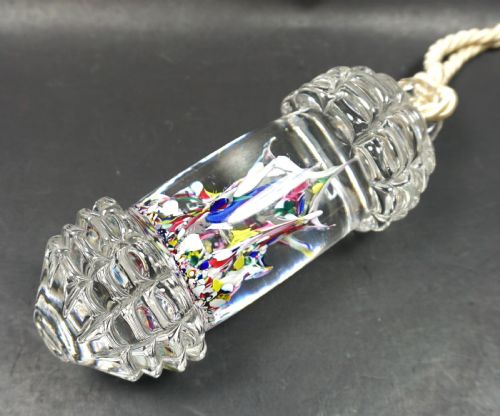
Glass bell pulls served a purely functional role in summoning household staff in Victorian and Edwardian interiors.
They hung near doorways or fireplaces, connected to mechanical bell systems by cords.