
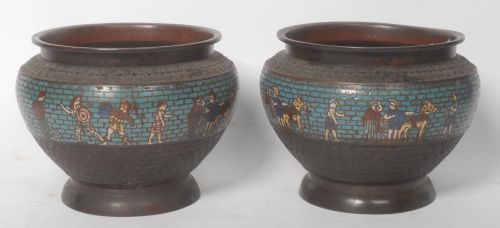

1920s Bronze Figure
A 1920s bronze figure captures the kinetic energy of the Jazz Age, offering collectors miniature works of art that define the period.
1920s Bronze Figure
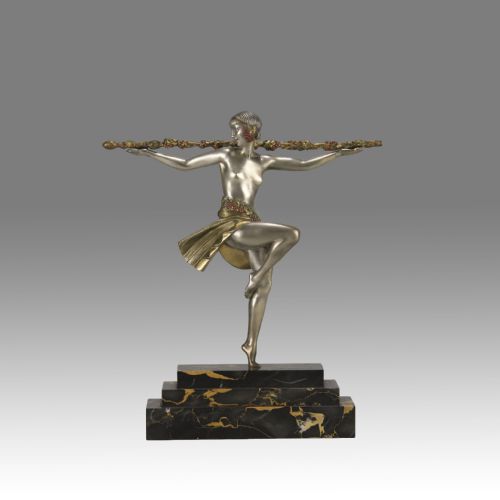
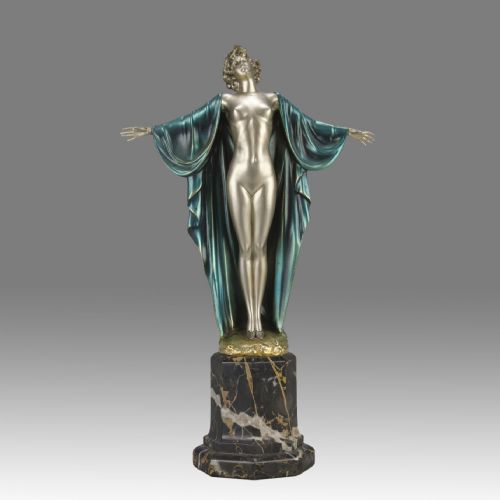
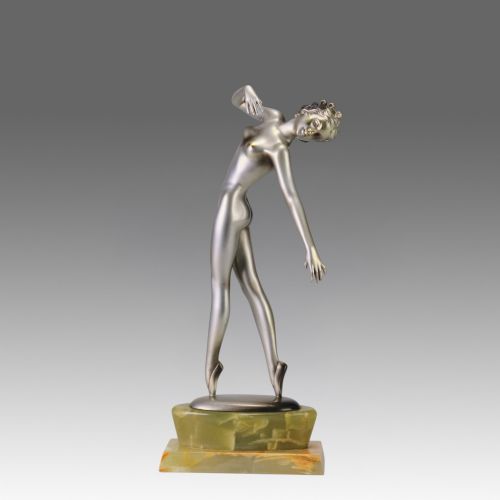
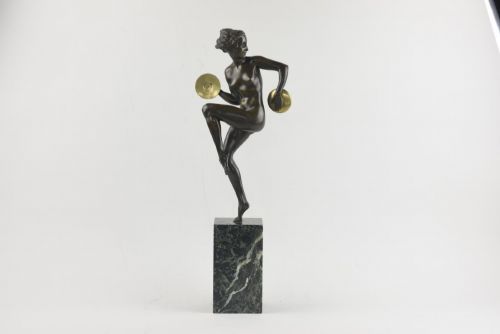
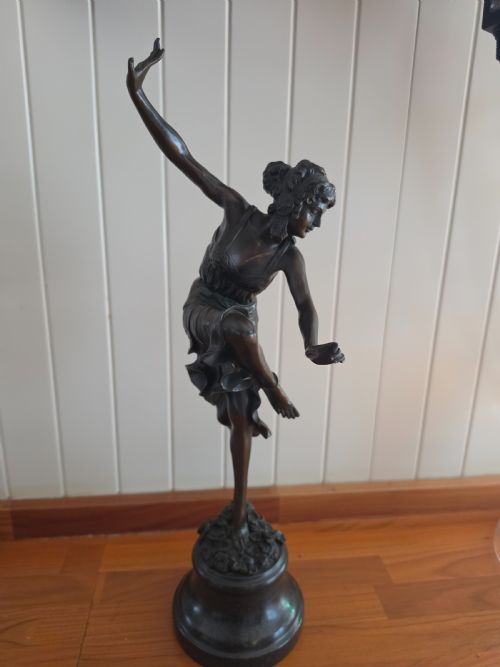
When you examine a 1920s bronze figure, you look at compact sculptures that embody the bold aesthetic of the early 20th century. Dancers, athletes and animal studies dominate the forms, reflecting a societal shift toward movement and modernity.
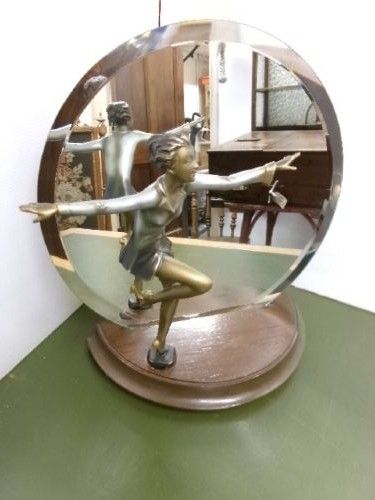
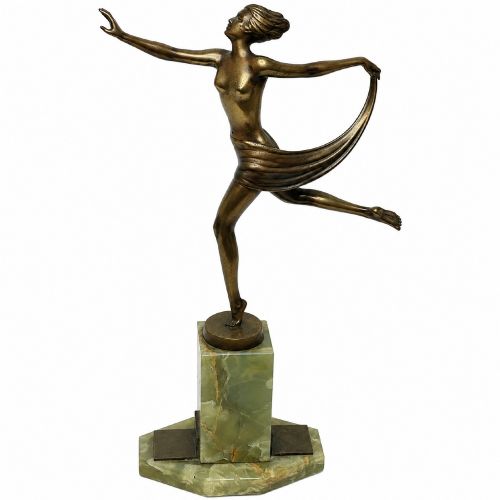
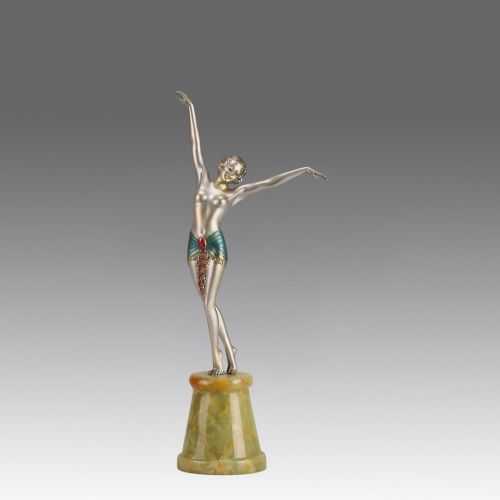
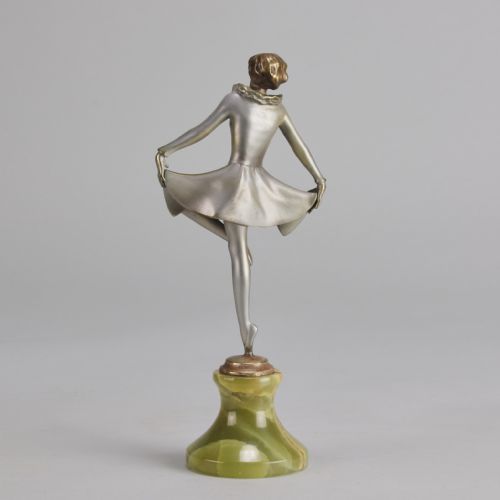
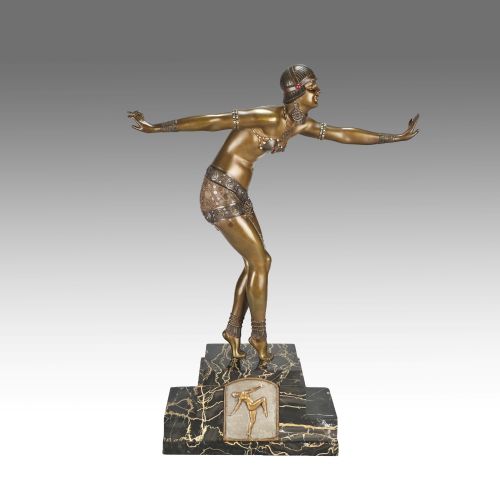
You are most likely to meet figures cast in the Art Deco style, frequently portraying female dancers with outstretched arms or poised in dynamic leaps. These pieces often incorporate practical functions such as lamps, bookends or centrepiece bowls alongside pure statuary.
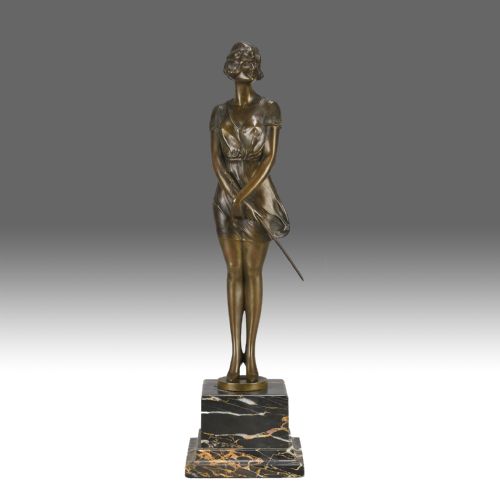
Originating predominantly from France and Austria, these works capture the exuberance of the interwar years. Makers utilised substantial stone bases like green onyx or marble to anchor the slender metallic forms of the subjects.
How They Were Made
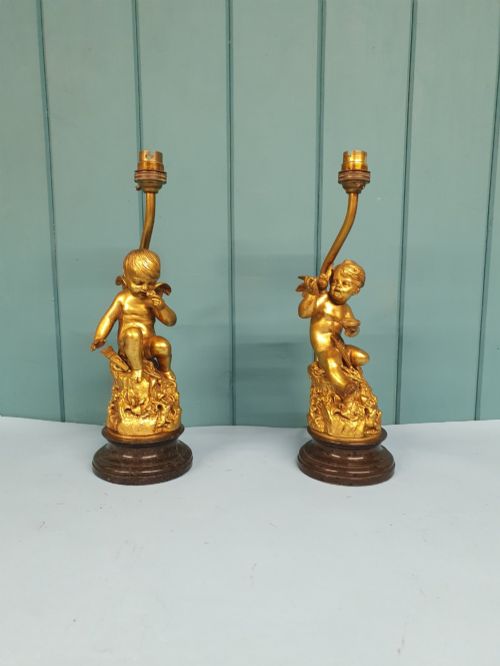
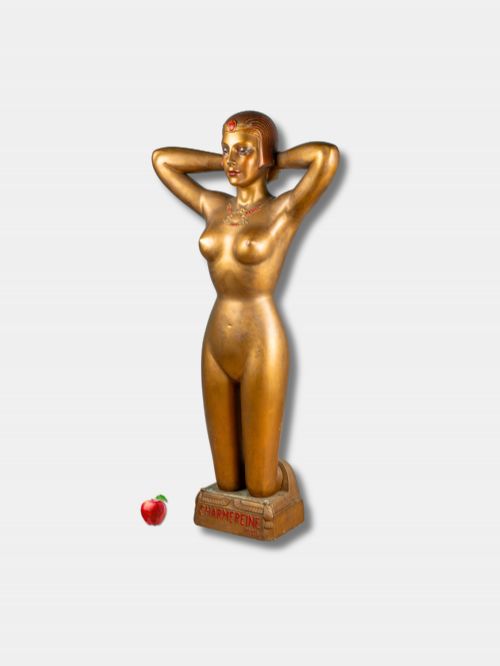
Foundries employed the lost-wax casting method to render intricate details in bronze, capturing flowing garments and muscular definition with precision. Craftsmen then applied surface treatments including cold-painted polychrome pigments, rich gilding and chemical patination to enhance texture.
Many sculptures integrated mixed media, combining metal figures with carved ivory faces and hands, or mounting them securely onto heavy bases of marble and onyx. Silvered bronze and gilt variants further demonstrate the diverse metallurgical techniques of the period.
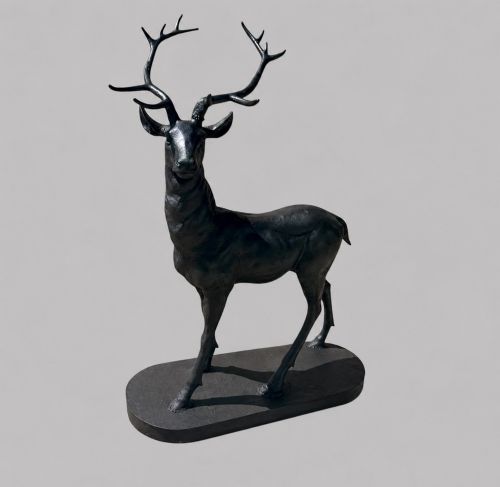
A bronze frog prince and a stag stand ready alongside dancers, proving that sculptors found room for whimsy in the jazz age.
What Varies in Quality
Quality rests in the crispness of the casting and the sensitivity of the hand-finishing, distinguishing works produced by leading sculptors from commercial workshop output. Finer examples display meticulous facial expressions, carefully chased surface details and harmonious proportions.
The choice and execution of the base material significantly influence the overall integrity of the piece. Superior sculptures feature precisely fitted marble or onyx mounts that complement the metallic body without overwhelming the composition.
Bruno Zach·Pierre le Faguays·Ferdinand Preiss·Josef Lorenzl·Demetre Chiparus·Claire Jeanne Roberte Colinet·Maurice Guiraud Riviere·Paul Philippe·Rene Andre Varnier·Elna Borch
The 1920s Bronze Figure Glossary
- Art Deco
- A dominant design style of the interwar period characterised by sleek lines, geometric shapes and streamlined forms. It draws heavily on modernism and classical antiquity.
- Chryselephantine
- A term describing statues made from a combination of bronze and ivory. The technique highlights the face and hands of figures against metallic drapery.
- Patination
- The chemical process or natural ageing that alters the surface colour of bronze. Artists deliberately induce patinas to create depth and shadow.
- Chasing
- The manual refinement of a raw metal casting using hammers and punches. This step sharpens contours and removes casting flaws.
1920s Bronze Figure: Frequently Asked Questions
What subjects are most common?
Dancers and animal studies dominate the output of this era, reflecting a cultural fascination with physical movement and performance.
Female figures with outstretched arms, acrobats and wildlife appear frequently across French and Austrian workshops.
Why are some figures mounted on stone?
Heavy bases made of marble or onyx provided necessary stability for tall, slender figures that would otherwise topple easily.
These natural stones also added visual contrast and weight, anchoring the dynamic poses typical of the period.
How do I care for cold-painted bronze?
Keep these delicate pieces away from direct sunlight and high humidity to prevent the paintwork from fading or flaking.
Dust gently with a soft, dry cloth and avoid using chemical cleaners or liquids on the painted surfaces.
Are these sculptures signed?
Many pieces bear the signature or foundry mark of the artist inscribed directly into the bronze base during casting.
Signatures help attribute works to specific sculptors, though unsigned commercial castings also exist from the same period.