
18th Century Soft Paste Porcelain
These pieces of 18th century soft paste porcelain offer collectors tactile intimacy and fragile historical survival.
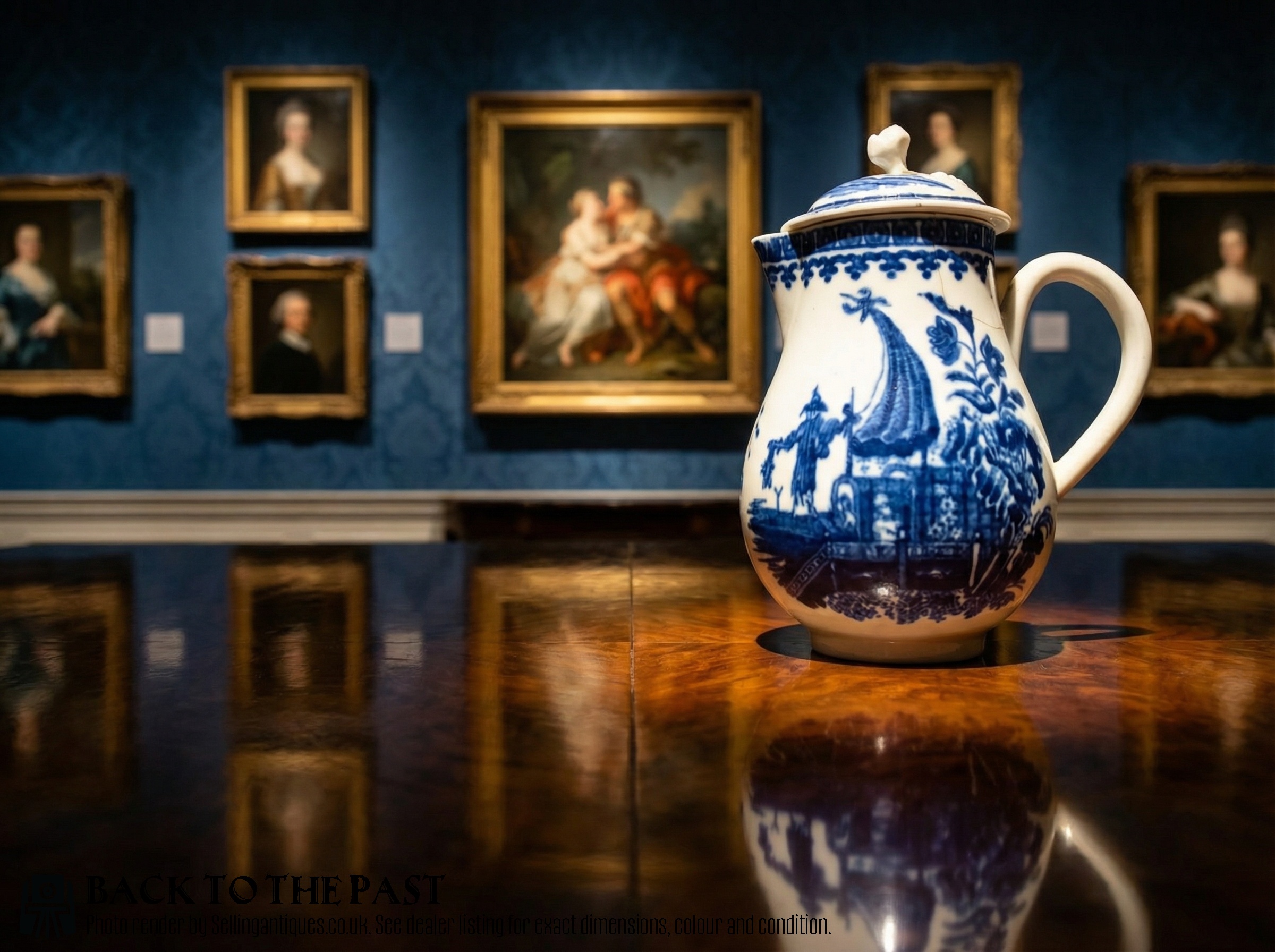
18th Century Soft Paste Porcelain
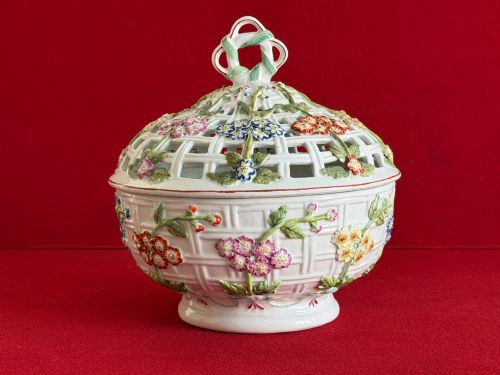
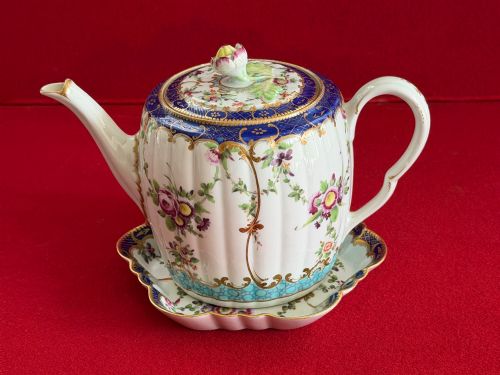
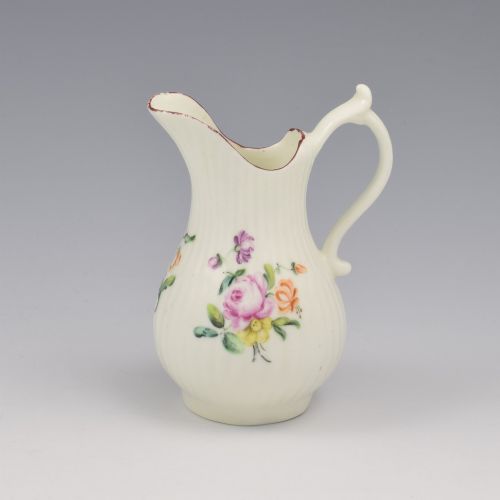
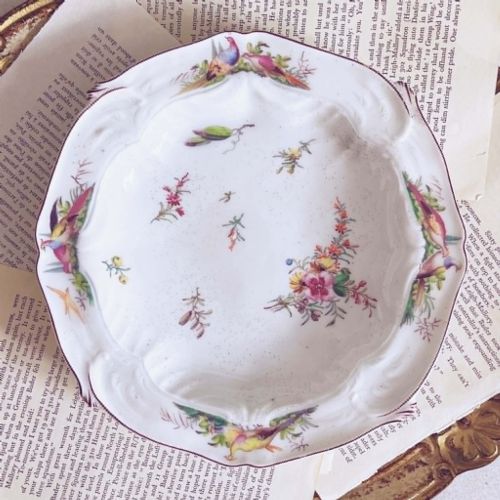
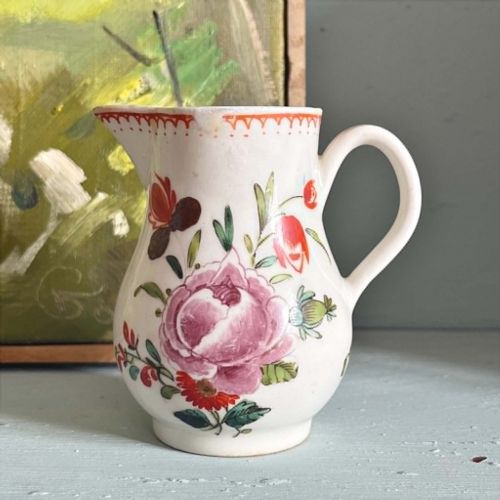
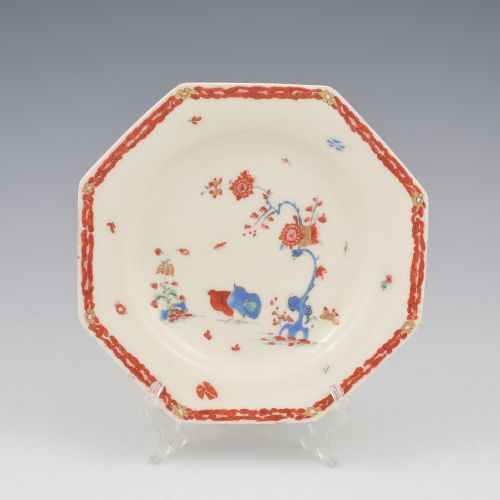
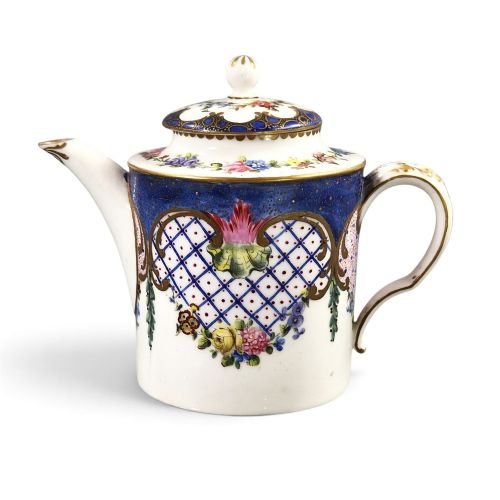
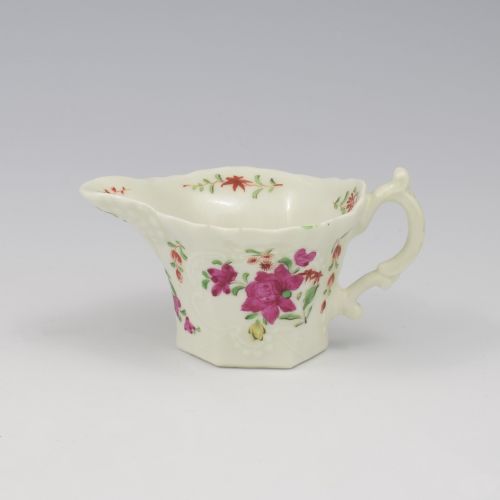
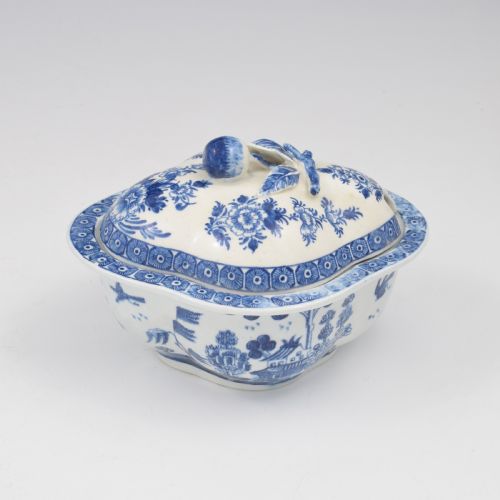
When buyers search for 18th century soft paste porcelain, they are navigating an array of early ceramic tablewares, figures, and decorative dishes produced across English and European factories. The pieces on this page span domestic table items like teapots, sauce boats, and pickle dishes, alongside sculptural figures and baskets. These objects represent a period of intense experimentation before hard-paste formulas became standard.
The dominant offerings in this collection stem from prominent English manufactories such as Worcester during the Dr Wall period, alongside Derby, Bow, and Caughley. French influence also appears through pieces originating from Sèvres. Forms range from utilitarian cream jugs and dessert plates to elaborate bocage candlestick figures and punch bowls.
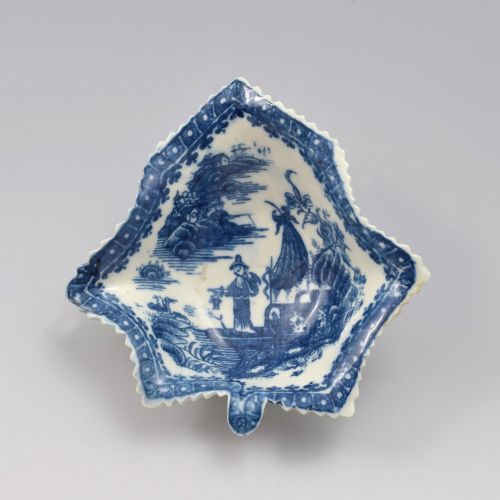
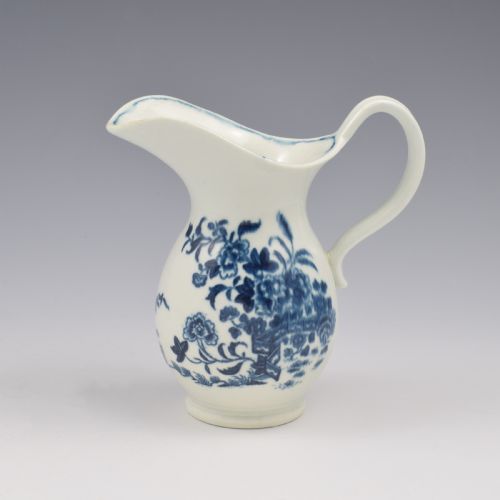
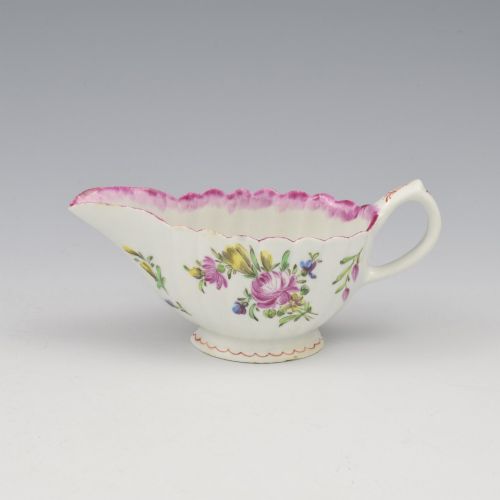
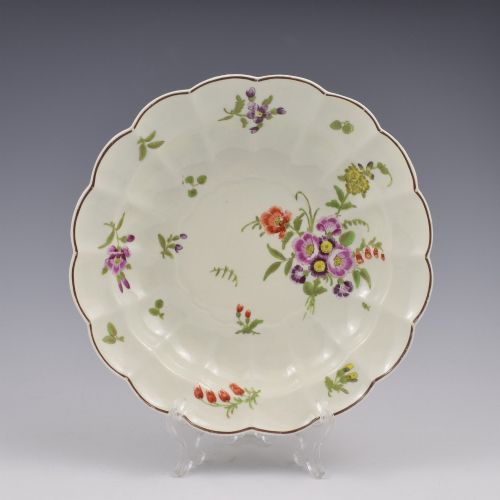
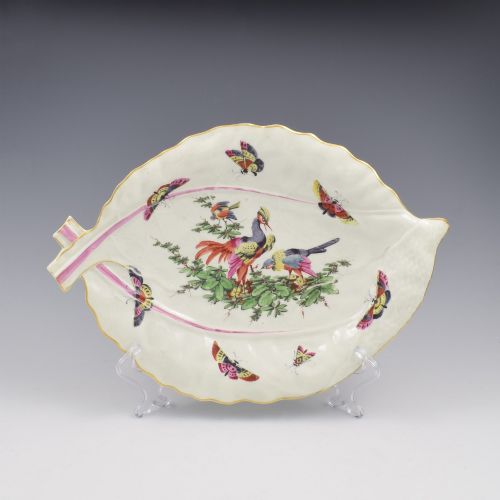
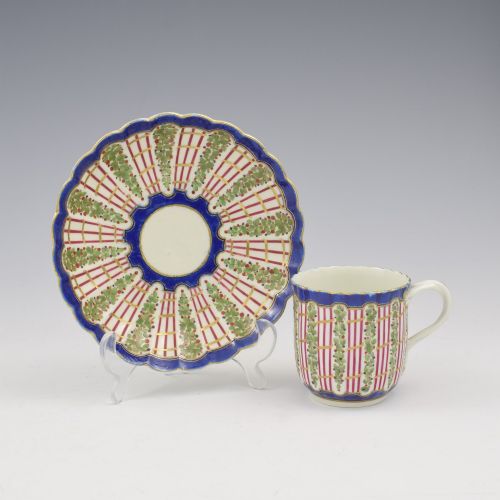
Stylistically, these ceramics reflect Georgian tastes alongside Rococo, Chinoiserie, and Neoclassical design influences. Domestic wares often feature transfer-printed or handpainted botanical, avian, and Chinese figures. Buyers encounter items defined by distinct period aesthetics, from blue and white floral patterns to rich polychrome enamels.
Materials and production methods
Makers produced these ceramics using artificial mixtures of white-burning clay, glass frits, and alabaster rather than natural kaolin. This soft-paste body fired at lower temperatures, producing a warmer, slightly creamy ground that interacted differently with glazes than true oriental porcelain. Artisans applied transparent lead glazes that frequently pooled in recesses, creating a characteristic softness to the touch and eye.
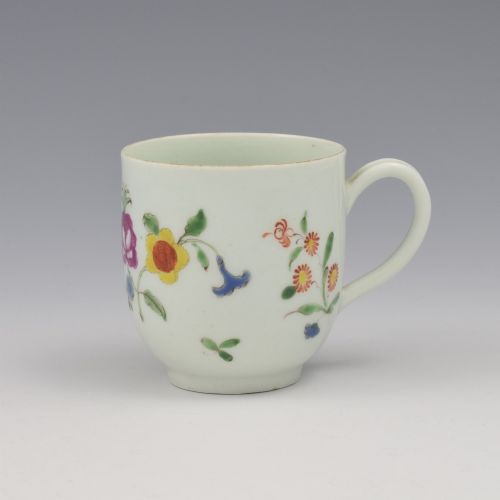
Decoration relied heavily on handpainted polychrome enamels, cobalt blue underglaze painting, and occasional gold leaf gilding. Painters applied pigments directly onto the unfired or lightly fired glaze before a final kiln fixation. Specialised techniques also encompassed moulded reliefs, pierced basketwork, and biscuit porcelain firing for unglazed sculptural figures.
Listings feature eighteenth-century soft paste porcelain tablewares and figures originating primarily from English factories like Worcester, Derby, and Bow.
Evaluating quality and execution
The stability of the kiln load also dictates worth, as lesser pieces often suffer from warping, firing cracks, or kiln grit trapped within the soft glaze. The application of gilding and the depth of cobalt blue underglaze pigments reveal the expertise of the decorator. First-period factory marks and well-balanced forms elevate the standing of individual items.
Richard Chaffers·Royal Sèvres
The 18th Century Soft Paste Porcelain Glossary
- Soft-paste porcelain
- An artificial ceramic body composed of clay and glass frit fired at lower temperatures than true hard-paste porcelain. This material yields a distinctive creamy texture and a softer glaze.
- Frits
- A fused mixture of glass and other raw materials ground into a powder and used as the glassy matrix in soft-paste bodies. It provided the vitrification necessary before true porcelain ingredients became widely available.
- Bocage
- An applied background of leaves, flowers, and branches common in eighteenth-century figure grouping. It provides a dense botanical setting behind figures like putti or classical subjects.
- Biscuit porcelain
- Unglazed fired ceramic that leaves a matte, marble-like finish on figures and groups. This finish highlights sculptural modeling without surface gloss.
- Kakiemon
- A style of Japanese enamelling adopted by European factories featuring asymmetrical floral and bird motifs on a white ground. The palette typically includes soft iron red, yellow, blue, and turquoise.
18th Century Soft Paste Porcelain: Frequently Asked Questions
What is soft paste porcelain?
Soft paste porcelain is an early artificial ceramic composition made from white clay and glass frits rather than hard-paste ingredients. Fired at lower temperatures, it possesses a warmer visual depth and a softer glaze.
This material allowed eighteenth-century European factories to emulate imported Chinese wares before discovering native deposits of kaolin. The resulting bodies interact distinctively with underglaze cobalt and enamel colours.
How were teapots used?
Teapots served as central vessels for brewing and serving tea during the height of Georgian social gatherings. They formed part of larger matching tea services alongside sugar bowls and cream jugs.
Due to the delicate nature of the soft-paste body, these vessels required careful handling during daily domestic use. Many surviving examples retain their original covers and stands.
How do I identify a Dr Wall piece?
Dr Wall period Worcester items typically display fine potting, delicate blue and white transfer printing, or rich polychrome enamelling. Factory marks on the base often include crescent or disguised numeral symbols.
These pieces date from the foundational years of the Worcester factory under the management of Dr John Wall. The forms frequently incorporate ribbed bodies, scalloped edges, and elaborate floral motifs.
Where were pickle dishes placed?
Pickle dishes functioned as small table dishes designed to hold relishes, pickles, or sweetmeats during formal eighteenth-century dining. Their leaf and shell shapes reflected naturalistic Rococo design preferences.
Hosts arranged these small dishes around the dining table alongside larger centerpiece baskets and tureens. Their moulded forms made them both decorative and practical accessories.
How should I clean my porcelain?
Cleaning antique soft paste porcelain requires gentle hand washing in warm water using mild, non-abrasive soap. Submerging items for extended periods or utilising modern dishwashers damages the fragile glaze and historic enamels.
Patting pieces dry with a soft cloth prevents water spots on the porous glaze surface. Owners should avoid scrubbing gilt highlights or delicate painted borders entirely.