

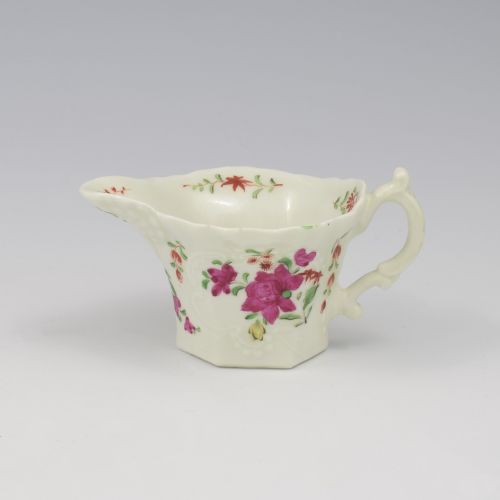


Worcester Porcelain Cream Jug
Worcester porcelain cream jug pieces combine centuries of ceramic history with practical forms, offering collectors functional vessels created by renowned factories.
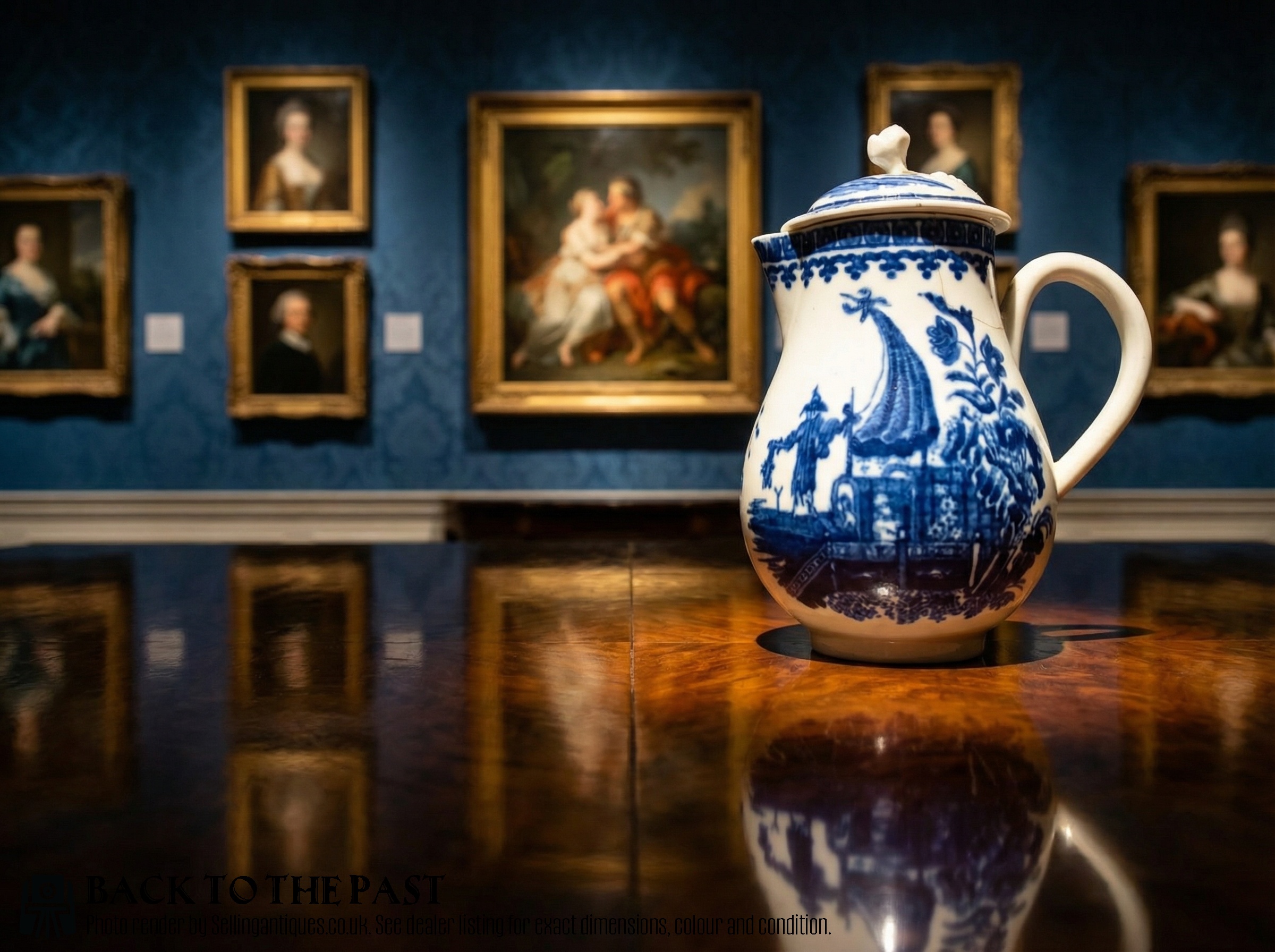
Worcester Porcelain Cream Jug
When you search for a worcester porcelain cream jug, you encounter an array of forms spanning the eighteenth, nineteenth, and twentieth centuries. The selection ranges from early soft-paste saucers and sauce boats to later bone china ewers and milk jugs.
The eighteenth-century examples feature classical shapes like sparrow beak jugs and hexagonal sauce boats, often decorated with blue and white transfer prints or hand-painted patterns. Later Victorian and twentieth-century pieces introduce blush ivory finishes, gilded highlights, and botanical or fruit painting.
Buyers frequently find pieces attributed to specific historical periods such as the Dr Wall era, Flight period, and the later Royal Worcester manufactory. These objects serve both as display items and as functional tablewares reflecting changing British aesthetic tastes.
How they were made
Makers utilised porcelain and soft-paste porcelain bodies, shaping them into handled jugs, ewers, and pitchers using traditional throwing and moulding techniques. Artisans applied cobalt underglaze decoration before firing, or added enamel paints and gold leaf during subsequent stages.
Surface ornamentation involved intricate hand-painting, gilding, and transfer printing, frequently finished with rich gilt accents or gold leaf borders. Manufacturers like Royal Worcester combined these chemical and thermal processes to achieve durable, highly decorative domestic wares.
Worcester Porcelain Cream Jug Retail Price Guide 2026
Typical asking prices for worcester porcelain cream jug among the pieces listed under this phrase on Sellingantiques today, from the lower quarter to the upper quarter. They describe what is for sale here now, not the wider market.
Some eighteenth-century cream boats feature lamprey handles, giving porcelain water-pourers the surprising anatomical tail of a jawless fish.
What varies in quality
The distinction between standard examples and exceptional pieces rests upon the precision of the hand-painted artistry, particularly in detailed botanical or fruit scenes signed by notable artists. Early pieces derive their standing from the clarity of the cobalt underglaze transfer and the crispness of the moulded forms.
Material composition also dictates worth, with early soft-paste bodies and rich gold gilt embellishments representing distinct manufacturing eras. The preservation of original enamel colours and gold leaf highlights largely determines the desirability of later nineteenth and twentieth-century production.
Royal Worcester·Chamberlains Worcester
The Worcester Porcelain Cream Jug Glossary
- Dr Wall
- The founding period of Worcester porcelain production, dating from the mid-eighteenth century and associated with fine soft-paste bodies and blue and white printing.
- Soft-paste porcelain
- An artificial ceramic paste used in early English factories, fired at lower temperatures than hard-paste porcelain and possessing a warm, slightly creamy translucency.
- Blush ivory
- A matte cream-coloured ceramic ground popularised by Royal Worcester in the late nineteenth century, often decorated with delicate floral motifs and gilding.
- Ewer
- A large jug with a wide spout and elaborate handle, historically used for pouring water but frequently produced in decorative ceramic forms.
- Cobalt underglaze
- A blue metallic oxide pigment applied to the unfired ceramic body beneath a transparent glaze, highly stable at high firing temperatures.
Worcester Porcelain Cream Jug: Frequently Asked Questions
How do I identify a Dr Wall period jug?
First period or Dr Wall pieces typically date from the eighteenth century and feature soft-paste porcelain bodies. They often display early blue and white underglaze transfer prints or hand-painted oriental and landscape patterns.
Examination of the base often reveals characteristic potting marks, workman's ciphers, or early crescent marks rather than printed factory stamps. The glaze on these early pieces tends to show characteristic pooling and minor imperfections typical of eighteenth-century kilns.
What is blush ivory porcelain?
Blush ivory is a distinctive ceramic finish developed during the Victorian era, characterised by a soft, matte cream background that mimics the tone of ivory. Manufacturers used this surface as a base for delicate hand-painted floral designs and subtle gilding.
This technique became a hallmark of late nineteenth and early twentieth-century production. Pieces finished in this style often carry specific factory date codes stamped on the underside.
How were eighteenth-century cream jugs used?
These vessels served a practical role in formal tea service, holding milk or cream to temper brewed tea. Their forms, such as sparrow beak jugs and small pitchers, allowed for controlled pouring from small table settings.
Over time, these functional items transitioned into decorative display objects collected for their historical manufacturing techniques and painted artistry. Their domestic utility evolved alongside changing dining customs throughout the Georgian and Victorian periods.
What distinguishes Flight period porcelain?
The Flight period follows the earlier Dr Wall era, marking a transition in factory management and stylistic output towards the end of the eighteenth century. Pieces from this time often exhibit refined neoclassical shapes, such as waisted cream jugs.
Decoration during this phase frequently incorporated cornflower sprigs, gilded fly patterns, or stylised floral motifs. The paste body also evolved during this era toward harder, more durable ceramic formulations.