

18th Century Pottery
18th century pottery brings together tin-glazed chargers, creamware tea ware and salt-glazed jugs shaped by hands across Europe.
18th Century Pottery
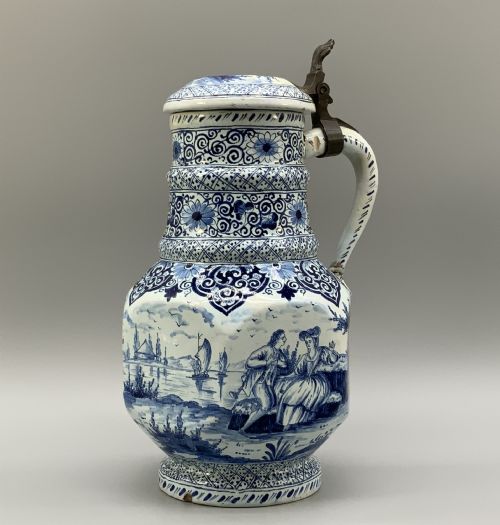
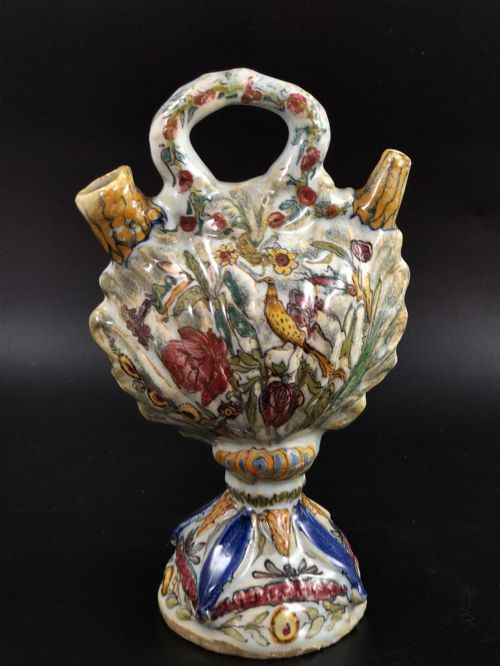
When you search for 18th century pottery, you encounter a diverse array of domestic and decorative vessels from European workshops. The most frequent pieces on this page are blue and white delft chargers, creamware tableware, and salt-glazed stoneware jugs.
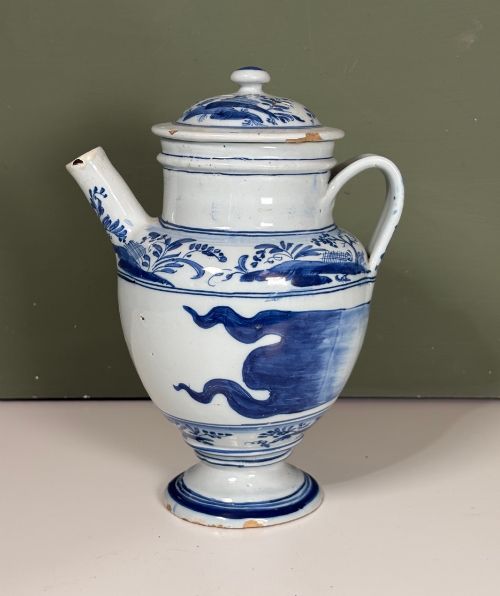
The selection ranges from apothecary jars and puzzle jugs to armorial platters and devotional plaques. These items reflect the domestic habits, apothecary practices, and formal dining customs of the Georgian era and continental equivalents.
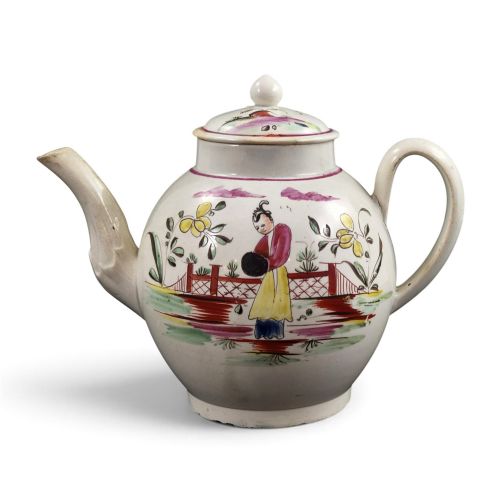
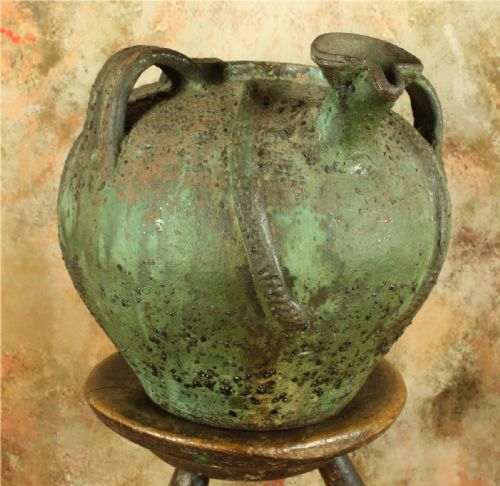
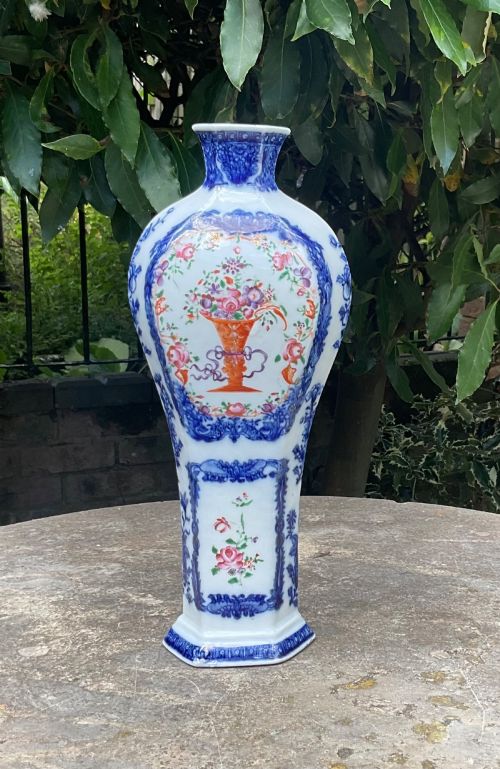
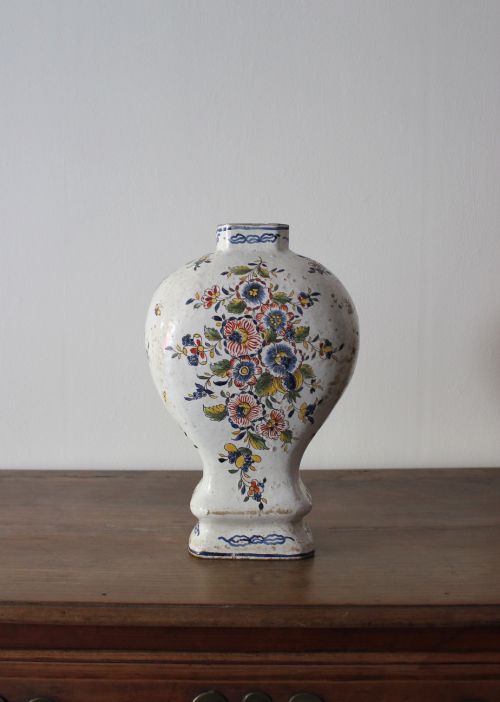
Dutch, English, and Italian origins dominate the inventory, accompanied by French faience and German stoneware. Buyers frequently find tin-glazed earthenware dishes alongside refined creamware teapots and bowls.
Materials and construction
Potters of this period relied primarily on earthenware bodies coated with tin glazes to create an opaque white surface for painting. Cobalt oxide and enamel pigments provided the blue and polychrome designs applied before firing.
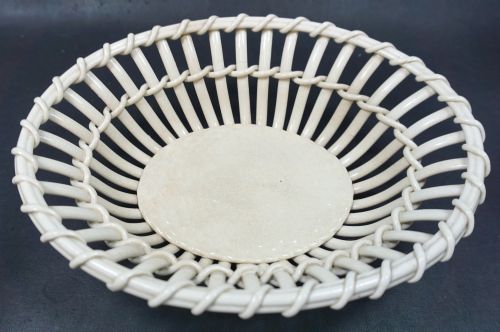
Creamware utilised refined clays that produced a pale yellow body beneath a transparent lead glaze, supplanting heavier earthenwares for dining. Salt-glazed stonewares involved throwing dense clay bodies and introducing salt into the kiln at peak temperature to yield a pitted, orange-peel texture.
18th Century Pottery Retail Price Guide 2026
Typical asking prices for 18th century pottery among the pieces listed under this phrase on Sellingantiques today, from the lower quarter to the upper quarter. They describe what is for sale here now, not the wider market.
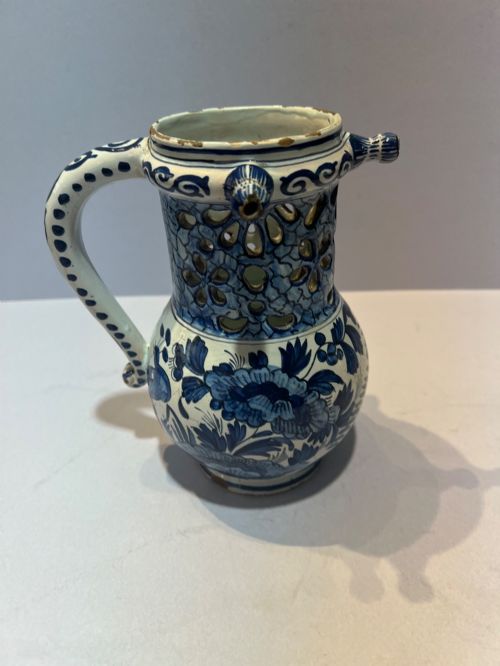
Eighteenth-century drinkers tested their coordination with puzzle jugs designed to spill their contents if the imbiber missed hidden spouts.
Assessing quality in early ceramics
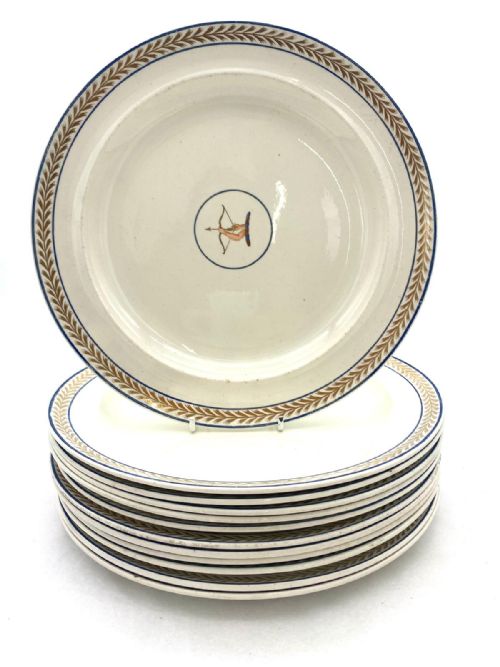
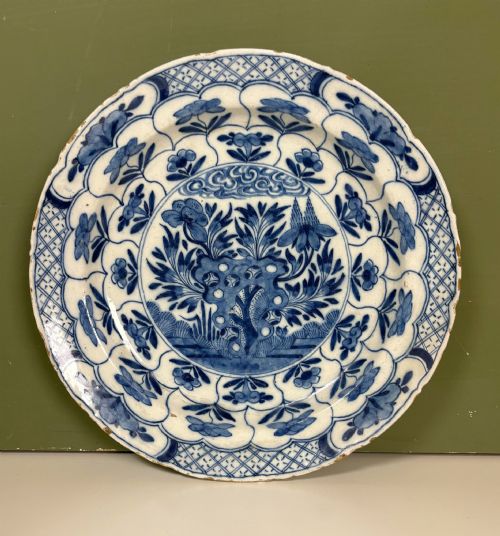
Quality rests upon the crispness of the painted decoration, the stability of the glaze, and the refinement of the clay body. Superior pieces display confident brushwork and balanced proportions, particularly visible in armorial creamware platters and detailed delft chargers.
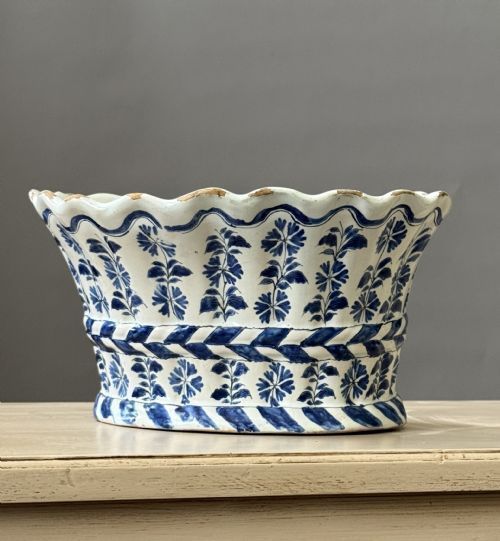
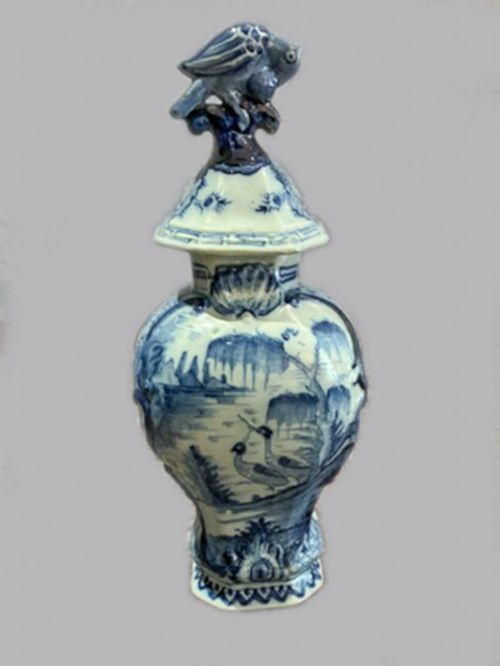
The sophistication of the potting technique and the uniformity of the kiln atmosphere dictate distinction. Items with complex forms, such as lidded puzzle jugs or moulded bough pots, demonstrate greater technical ambition than standard flatware.
Wedgwood·Spode·Whieldon·Staffordshire
The 18th Century Pottery Glossary
- Creamware
- A fine-bodied, light-coloured earthenware developed in England during the eighteenth century. It replaced heavier wares for functional dining and tea service.
- Salt glaze
- A vitreous coating formed by throwing common salt into a hot kiln. The sodium reacts with the clay to create a durable, pebbled surface.
- Faience
- European tin-glazed earthenware originating primarily in France, Italy, and Spain. It carries colourful painted decoration over a white enamel ground.
- Armorial
- Ceramic vessels or plates decorated with painted coats of arms. These were commissioned by affluent families for formal dining.
- Posset pot
- A spouted vessel used for serving a traditional hot drink of spiced milk curdled with wine or ale. They frequently feature twin handles and fitted lids.
18th Century Pottery: Frequently Asked Questions
What is creamware?
Creamware is a refined earthenware body developed in England that revolutionised eighteenth-century dining tables. Its pale yellow hue and smooth glaze offered a lighter alternative to heavier slipwares.
Potters used it extensively for armorial dinner services, teapots, and platters. Wedgwood stands out among the makers producing this refined tableware.
How do I spot delftware?
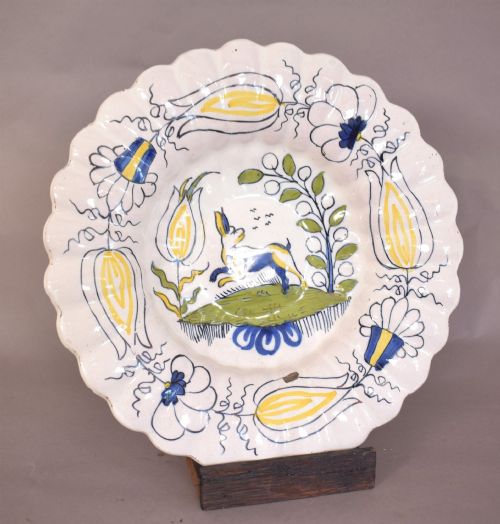
Delftware is identified by its tin-glazed white surface painted with cobalt blue or polychrome pigments. The body beneath is a porous earthenware that shows through chips or unglazed foot rims.
Most examples originate from Dutch or English kilns active during the seventeen and eighteenth centuries. Chargers, plates, and apothecary jars form the majority of surviving pieces.
Were these pots used daily?
Many items served practical functions in households, apothecaries, and taverns. Jugs held liquids, while apothecary jars stored dry or wet medical drugs.
Armorial platters and decorative chargers also functioned during formal meals or display. Over time, survival rates varied depending on how heavily individual vessel types were handled.
Where was salt glaze made?
Salt-glazed stoneware was produced extensively in Germany and England during the period. The technique involved throwing dense clay and introducing salt into the kiln.
This created a distinctive pitted texture on items like wine bottles and GR royal cipher jugs. German potteries exported many of these durable storage vessels across Europe.