

18th Century Furniture
These pieces of 18th century furniture bring centuries of domestic craftsmanship into modern rooms.
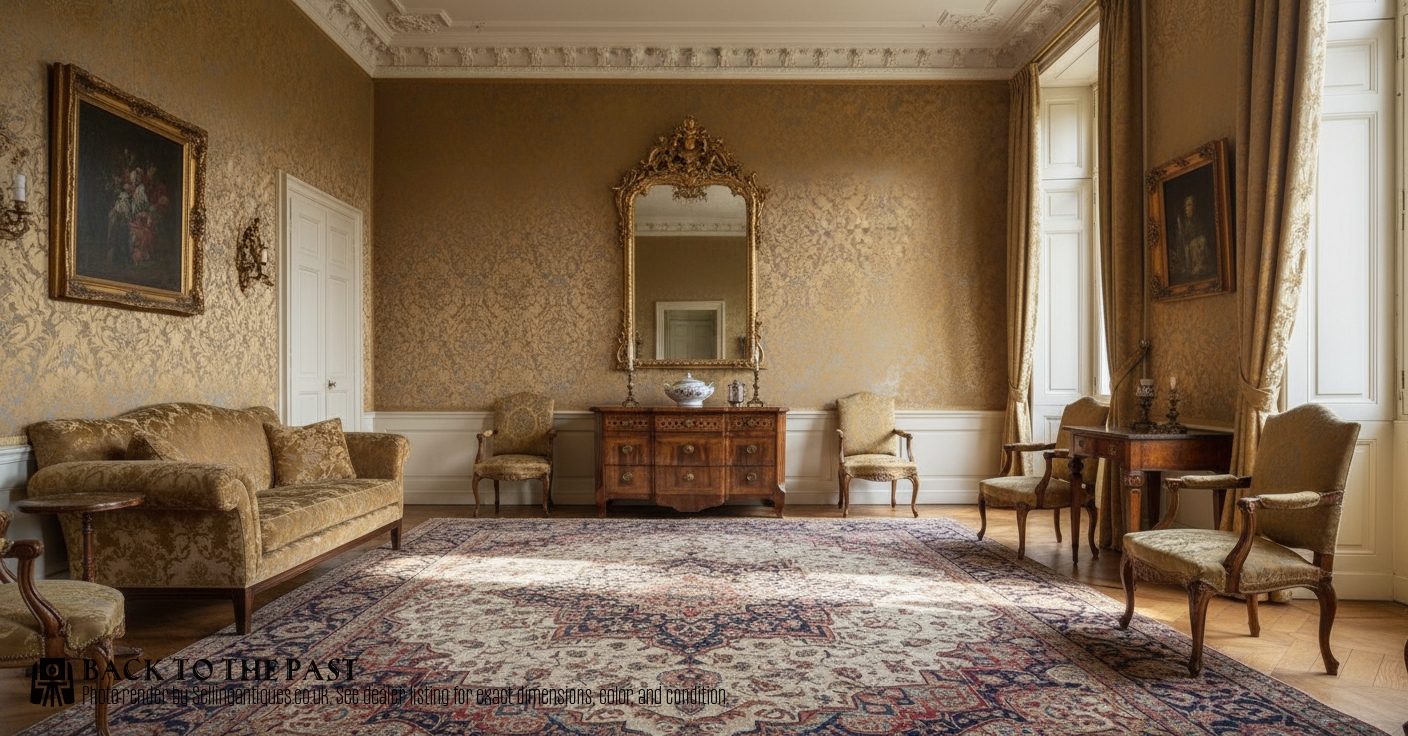
18th Century Furniture
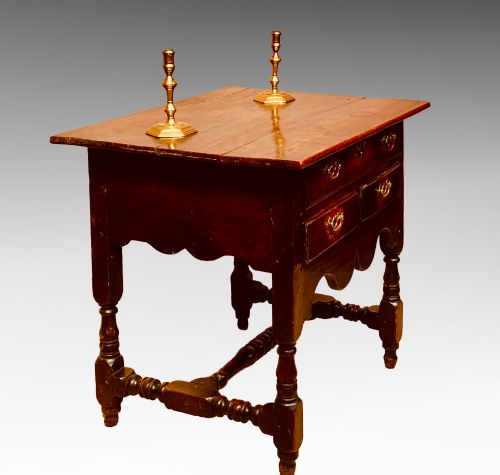
When you search for 18th century furniture, you encounter practical domestic pieces spanning walnut, oak, and mahogany eras. The selection on this page centres heavily on Georgian forms alongside continental walnut and oak pieces.
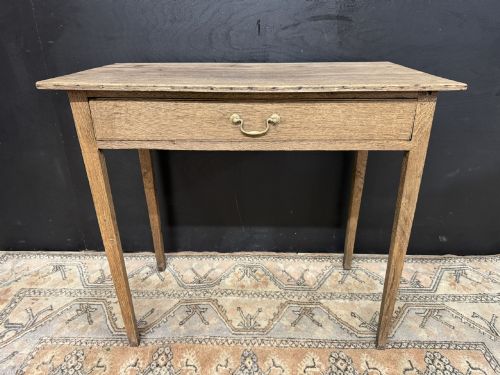
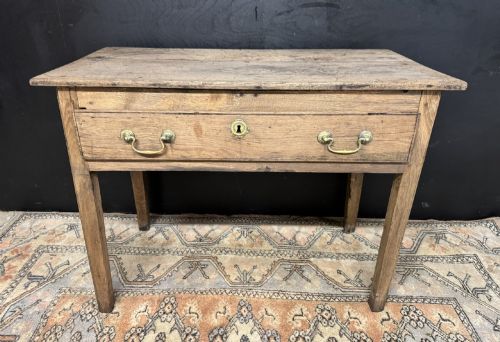
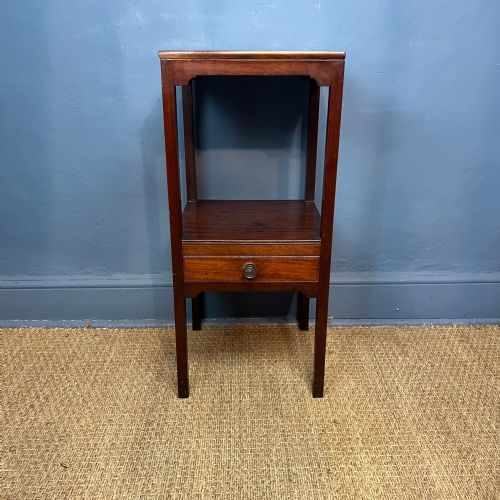
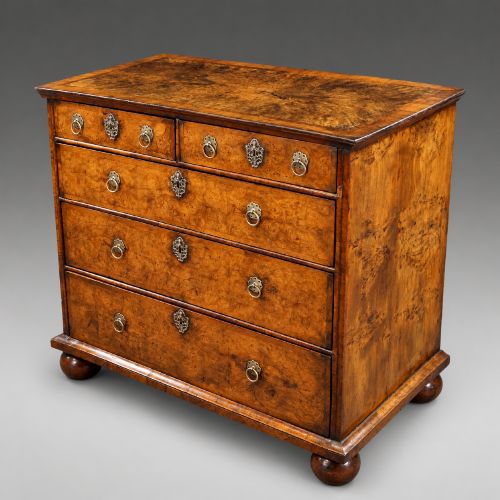
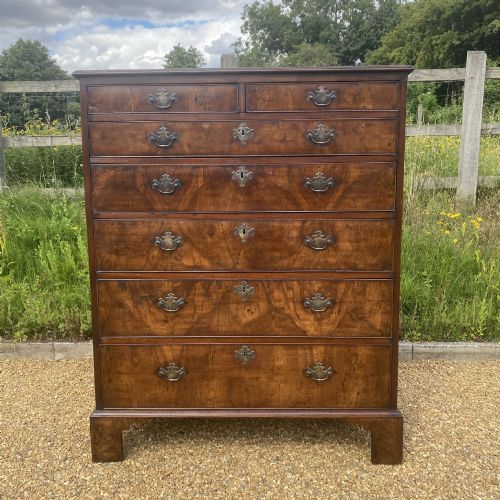
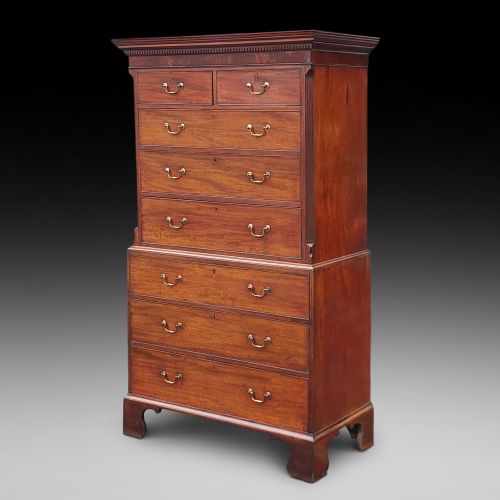
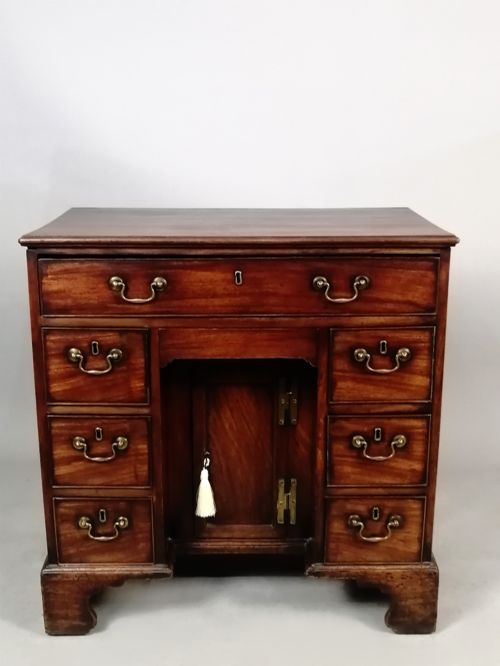
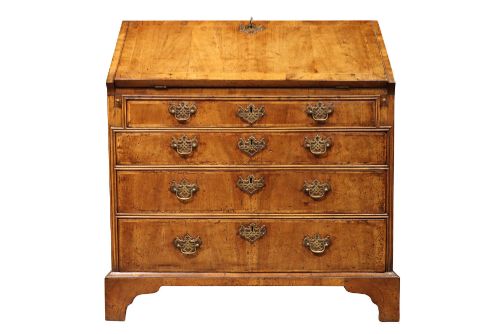
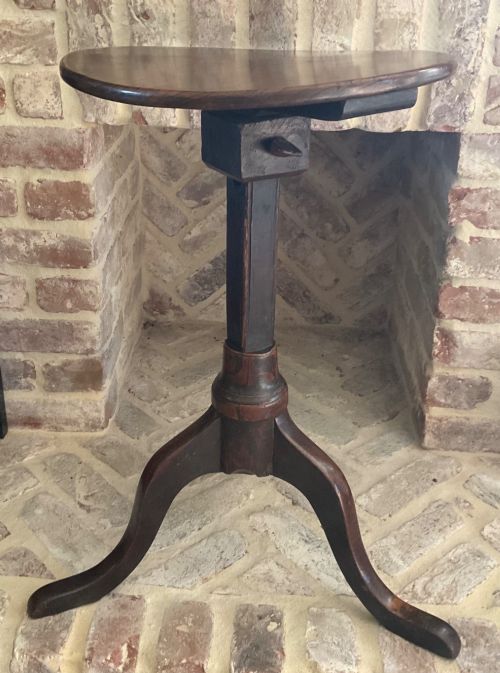
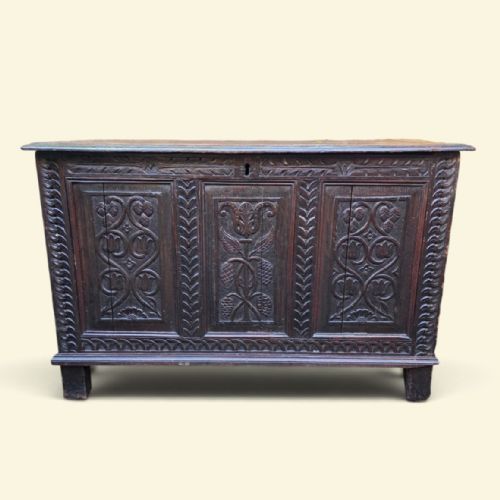
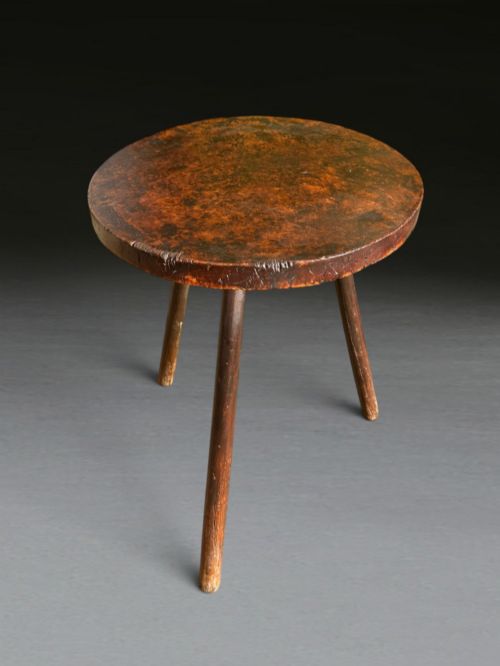
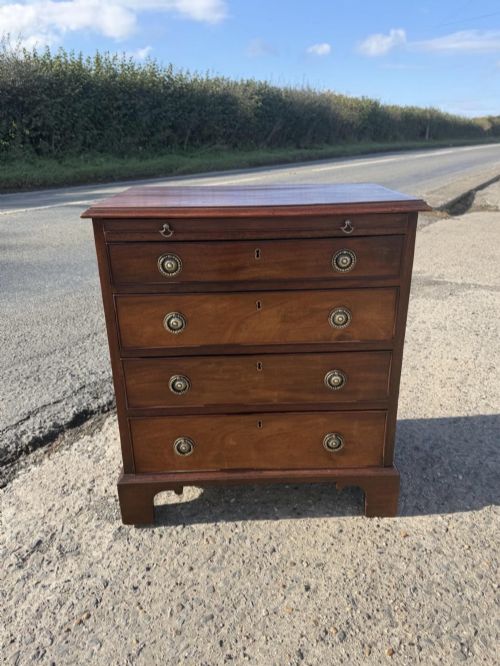
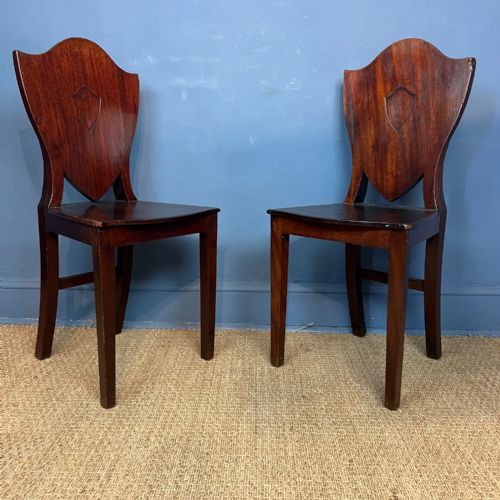
You meet storage items such as chests of drawers, chests on chests, and bureaux, alongside functional surfaces like wine tables, side tables, and kneehole desks. Seating appears in the form of armchairs and oval stools.
The periods represented stretch from Queen Anne and early Georgian through to George III and the turn of the nineteenth century. These forms served specific domestic functions in period interiors, from dining and writing to clothes storage.

Materials and construction methods
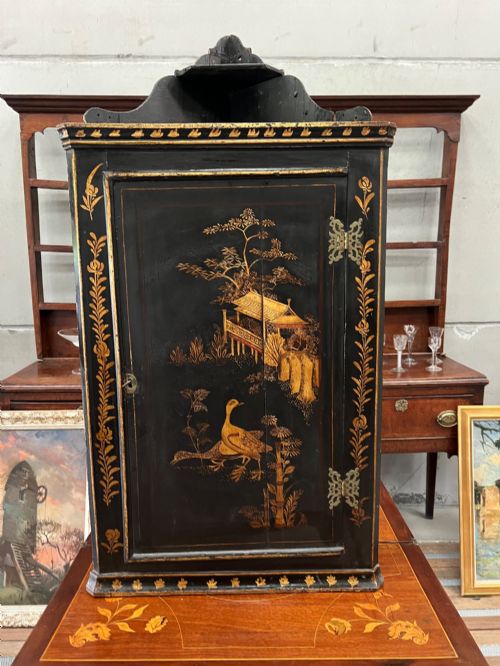
Cabinet makers utilised dense hardwoods including mahogany, walnut, and oak, often selecting figured veneers for drawer fronts and cabinet doors. Secondary woods such as fruitwood and pine appear in carcases and drawer linings.
Metal fittings such as brass handles, drop pulls, and escutcheons complement the woodwork, frequently retaining their original pierced backplates. Joinery methods relied on precise dovetailing for drawers and mortise and tenon joints for frames.
18th Century Furniture Retail Price Guide 2026
Typical asking prices for 18th century furniture among the pieces listed under this phrase on Sellingantiques today, from the lower quarter to the upper quarter. They describe what is for sale here now, not the wider market.
The inventory records regional variations including English, Irish, Spanish, Dutch, and Austrian pieces from the 1700s and 1800s.
Distinctions in quality
Quality rests upon the selection of timber, visible in the figured grain of walnut or Cuban mahogany veneers. Superior examples maintain original brass hardware, stable bracket or cabriole feet, and well-executed interior cabinetry such as fitted bureau drawers.
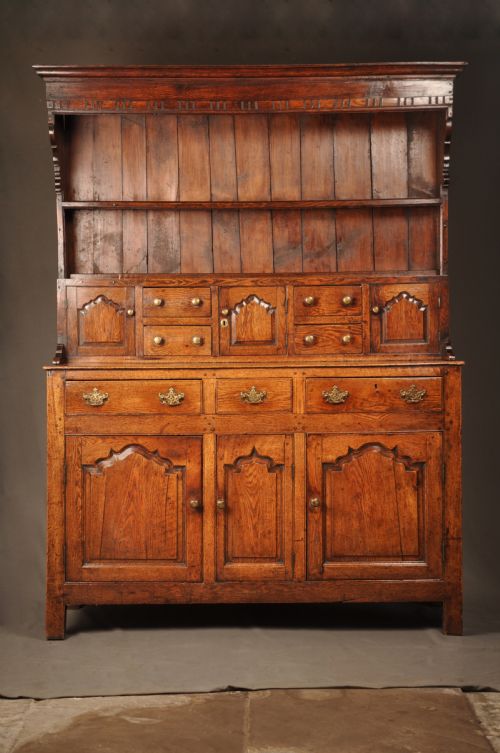
Proportion and surface finish dictate the standing of a piece, with untouched patination on oak dressers and walnut tables outranking over-restored surfaces. The complexity of construction, seen in serpentine fronts or marquetry inlay, separates standard utilitarian items from high-status commissions.

The 18th Century Furniture Glossary
- Bureaux
- A sloping hinged writing flap enclosing small drawers and pigeon holes above a chest of drawers. This form provides both a writing surface and concealed compartment storage.
- Chest on chest
- A tall storage unit comprising a lower chest section topped by a slightly smaller upper chest. This configuration maximises vertical drawer space.
- Kneehole desk
- A compact desk featuring a central recessed space for the legs flanked by pedestals of small drawers. These pieces suit smaller study spaces.
- Marquetry
- Decorative inlay patterns formed by fitted pieces of veneer applied to furniture surfaces. Floral and geometric designs appear on continental pieces.
- Brushing slide
- A pull-out shelf integrated above the top drawer of a chest or bureau. It served as a temporary surface for folding clothes or writing.
18th Century Furniture: Frequently Asked Questions
How do I identify a Georgian piece?
Georgian pieces align with the reigns of the Georges from the early eighteenth century to around eighteen hundred. Look for characteristic timbers like mahogany and walnut alongside specific architectural proportions.
Detailing such as bracket feet, cockbeaded drawer edges, and original brasses helps confirm the period. Stylistic shifts move from heavy walnut forms to lighter mahogany designs as the century progresses.
Where should I place a wine table?
Wine tables function well beside seating in a living room or study as a compact surface for drinks or books. Their small circular or oval tops occupy minimal floor space.
Tilt-top mechanisms allow the surface to rest vertically against a wall when not in use. This flexibility makes them practical additions to smaller rooms.
What is a kneehole desk used for?
Kneehole desks serve as compact writing and correspondence tables in private rooms or studies. The recessed central cupboard provides additional storage behind the knee space.
Their smaller footprint suits domestic spaces where a full pedestal desk overwhelms the room. The arrangement of drawers keeps writing materials organised.
How do oak and mahogany differ?
Oak represents earlier vernacular domestic furniture, displaying strong grain and sturdy construction in dressers, tables, and chests. It forms the backbone of seventeenth and early eighteenth-century pieces.
Mahogany arrived later in the century, offering a dense, reddish-brown timber suitable for carved details, crisp dovetails, and high-polish finishes on formal furniture.