


18th Century Chinese Ceramic
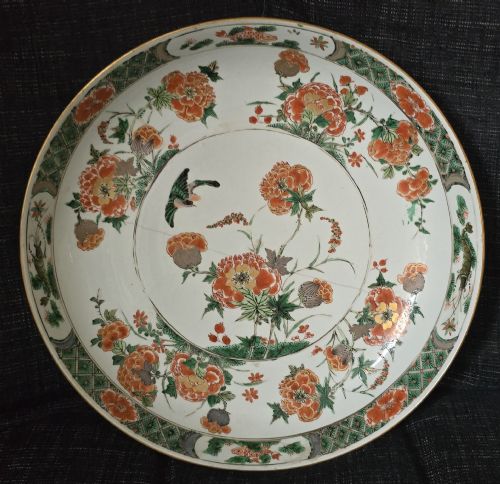
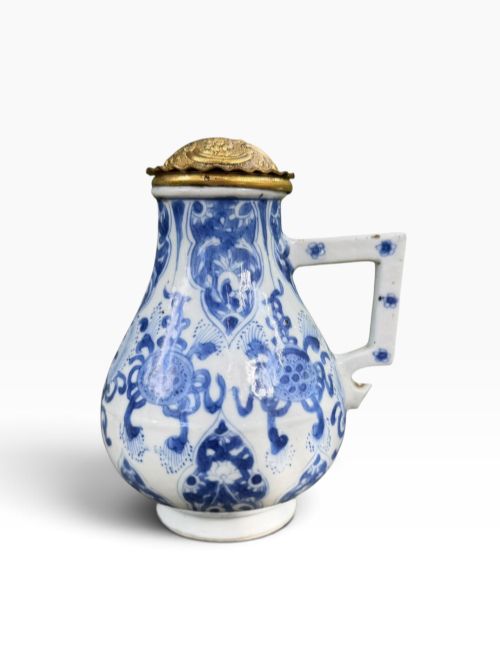
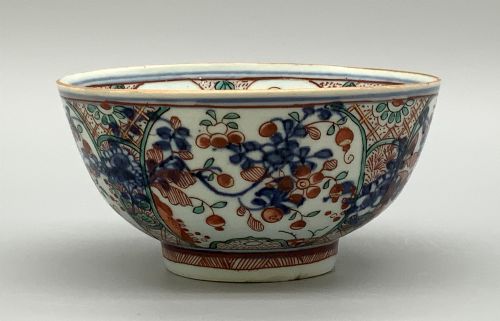
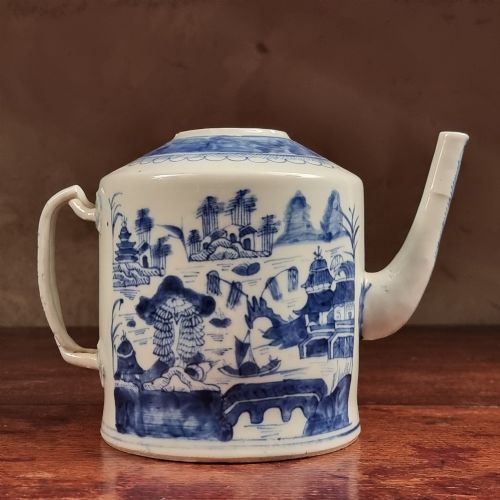
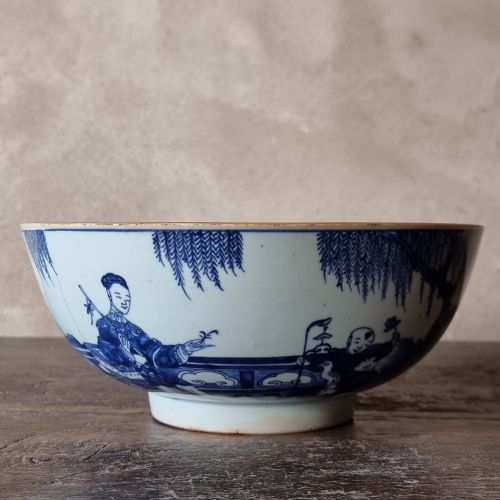
These pieces of 18th century chinese ceramic include punch bowls, brush pots, and export plates created during the Qing Dynasty, prized for intricate hand-painted palettes and durable bodies.
18th Century Chinese Ceramic
When you search for 18th century chinese ceramic, you encounter objects spanning the Kangxi, Qianlong, and broader Qing Dynasty periods. The selection includes domestic vessels like brush washers and scholarly items alongside robust export services made for Western markets.
The most common forms on this page are decorative plates, bowls, teapots, and brush pots. These functional and decorative pieces demonstrate the high standards of imperial kilns and provincial kilns alike during the seventeen-hundreds.
Materials and Techniques
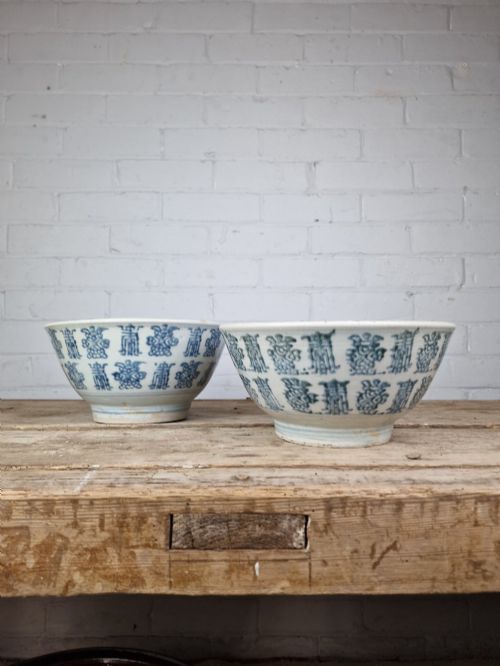
Potters utilised hard-paste porcelain and soft-paste porcelain bodies, shaping them into vessels before applying cobalt underglaze or various coloured enamels. Techniques such as powder-blue glazing and iron rust-glazing created rich, varied surfaces across jars, vases, and censers.
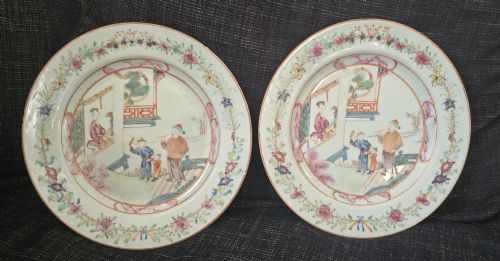
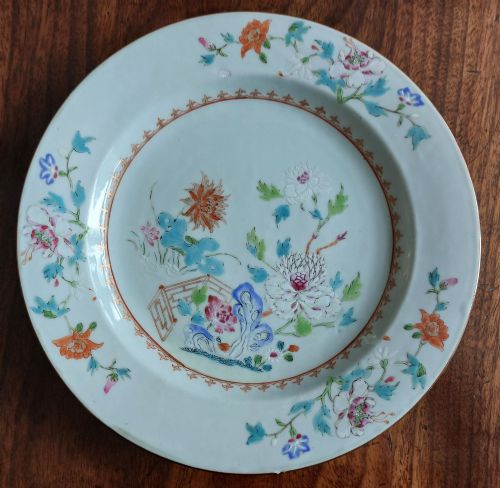
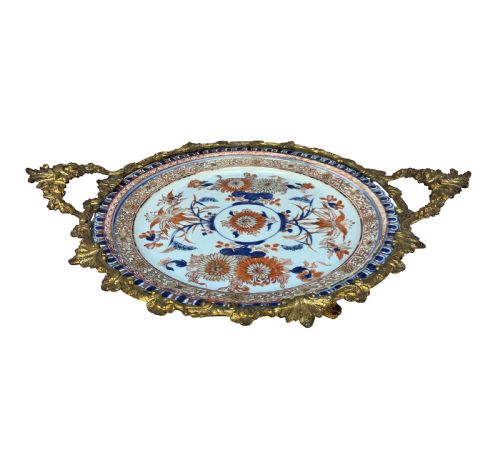
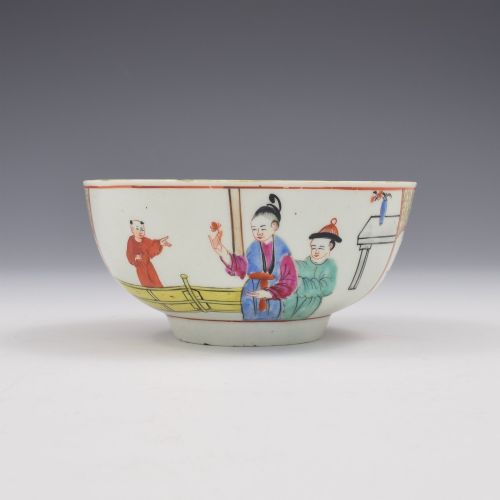
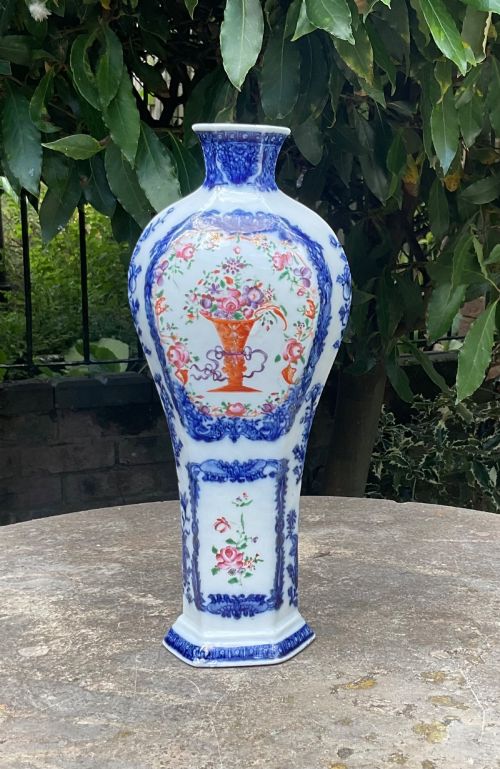
Many items feature hand-painted details in famille rose palettes or cobalt blue, sometimes complemented by ormolu mounts added later in Europe. The firing process required precise temperature control in large kilns to achieve the smooth, lustrous finishes seen on chargers and teacups.
18th Century Chinese Ceramic Retail Price Guide 2026
Typical asking prices for 18th century chinese ceramic among the pieces listed under this phrase on Sellingantiques today, from the lower quarter to the upper quarter. They describe what is for sale here now, not the wider market.
Scholars occasionally rested their wet brushes against miniature porcelain mountain ranges designed specifically to keep ink off desks.
Craftsmanship and Execution
The distinction between standard export wares and imperial-quality pieces rests on the precision of the potting and the artistry of the brushwork. Superior examples display balanced symmetry in the form, fine details in the painted scenes, and smooth, even glaze distribution without pooling or pitting.
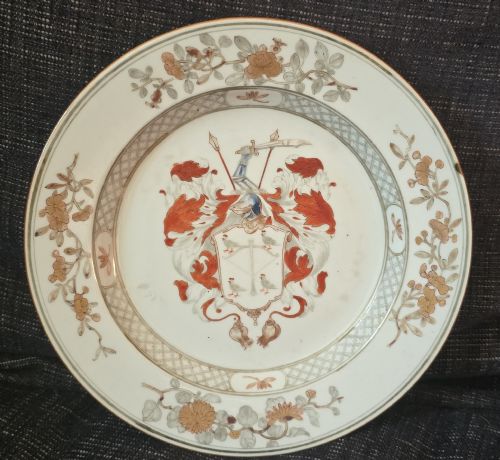
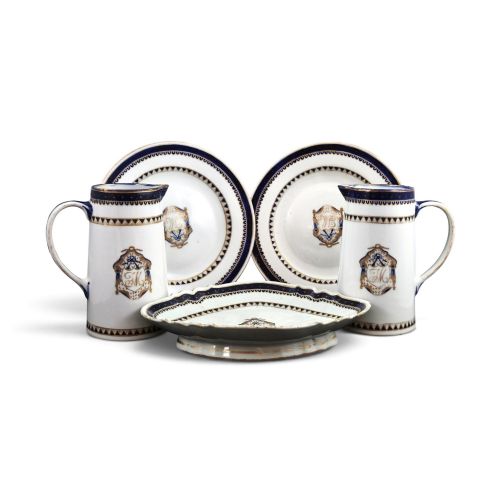
The depth and clarity of the cobalt underglaze or the vibrancy of the famille rose enamels indicate the skill of the artisan. Items commissioned with bespoke armorial details or specific monograms often reveal a higher grade of meticulous hand-finishing.
The 18th Century Chinese Ceramic Glossary
- Famille Rose
- A palette of opaque rose-pink and other soft enamel colours introduced during the Qing Dynasty. This technique allowed for nuanced shading and detailed pictorial designs.
- Chinese Export
- Porcelain manufactured in China specifically for the European and American markets. These objects often combined traditional Chinese shapes and motifs with Western heraldry or shapes.
- Celadon
- A type of transparent green glaze applied to porcelain, mimicking the appearance of jade. The subtle hue results from iron oxide reacting in a reduction kiln atmosphere.
- Imari
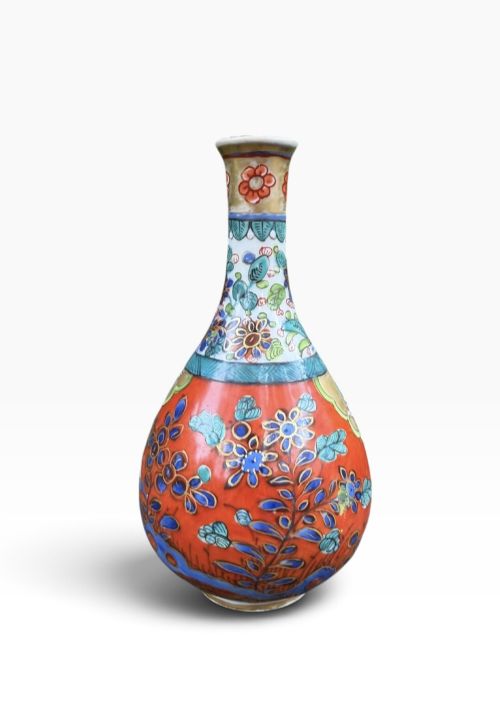
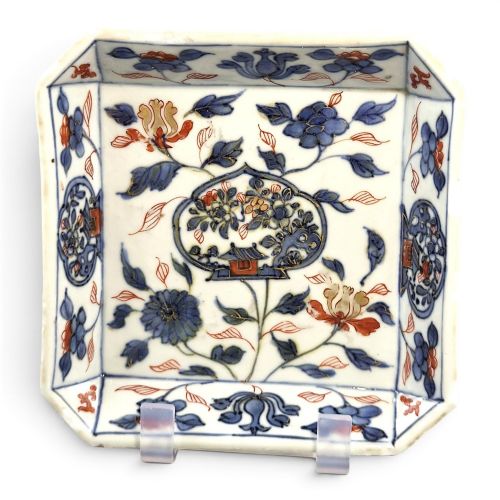
- A style of ceramic decoration featuring underglaze blue combined with iron red, gold, and secondary colours. This aesthetic originated in Japan but was widely imitated in Chinese export wares.
- Bitong
- A cylindrical brush pot used by scholars for holding writing brushes. These vessels are typically carved from porcelain, jade, or wood.
- Qing Dynasty
- The final imperial dynasty of China, lasting from 1644 until 1912. This era encompassed significant technical advancements in ceramic production and enamel work.
18th Century Chinese Ceramic: Frequently Asked Questions
How were 18th century chinese ceramic pieces used?
These ceramics served multiple functions ranging from practical dining services and tea wares to scholarly desk accessories like brush pots and water washers. Wealthy households also displayed large chargers, vases, and jardinières purely for interior decoration.
Export pieces frequently travelled to Europe to furnish dining rooms and drawing rooms, while scholarly items remained central to the studies of literati officials. Their dual role as everyday utilities and status symbols shaped their varied forms.
What is the difference between blue and white and famille rose?
Blue and white porcelain relies on cobalt oxide painted directly onto the clay body under a clear glaze before firing at high temperatures. This technique creates a durable finish where the blue design sits beneath the glossy surface.
Famille rose decoration involves applying opaque enamels over a previously fired glazed surface, followed by a lower-temperature second firing. This method permits a wide spectrum of pastel colours, particularly pinks, greens, and yellows.
What does Chinese Export mean?
Chinese Export refers to porcelain produced in China specifically to satisfy international demand from Western buyers. These workshops adapted traditional Chinese manufacturing techniques to suit foreign tastes and functional requirements.
Orders frequently included European coat of arms, specific monograms, or shapes copied from silver prototypes. This trade bridged Eastern craftsmanship with Western dining habits during the seventeen-hundreds.