

18th Century Blanket Chest
Solid timber and deep storage define the 18th century blanket chest, offering practical utility and centuries of domestic history for the modern interior.
18th Century Blanket Chest
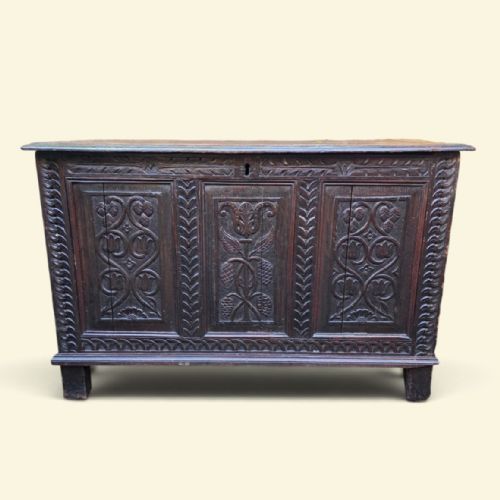
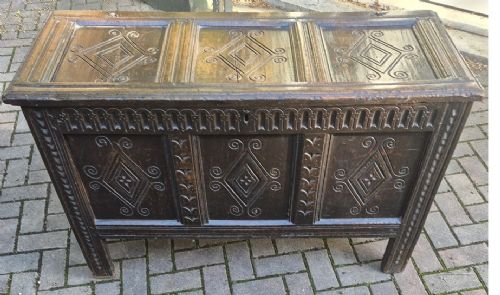
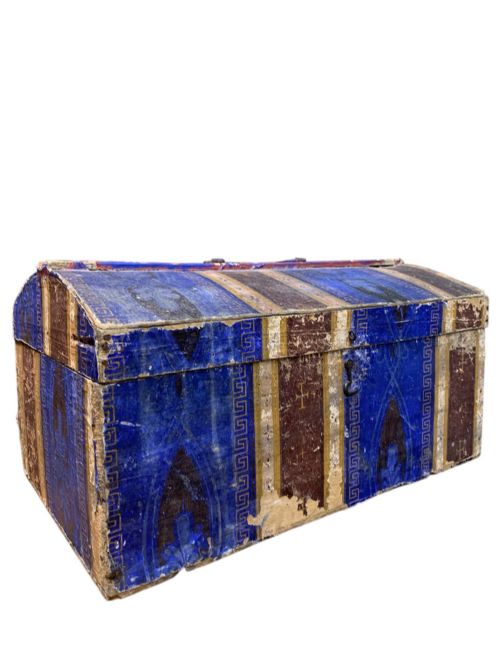
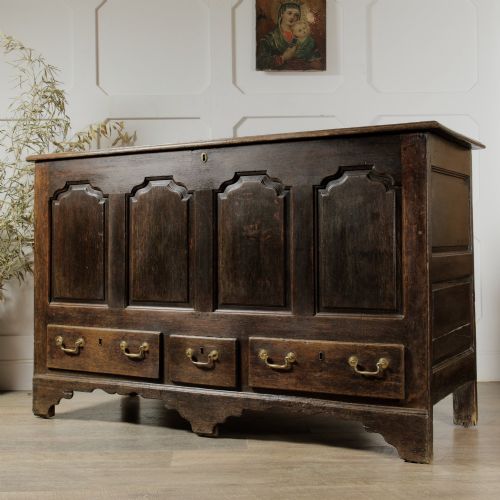
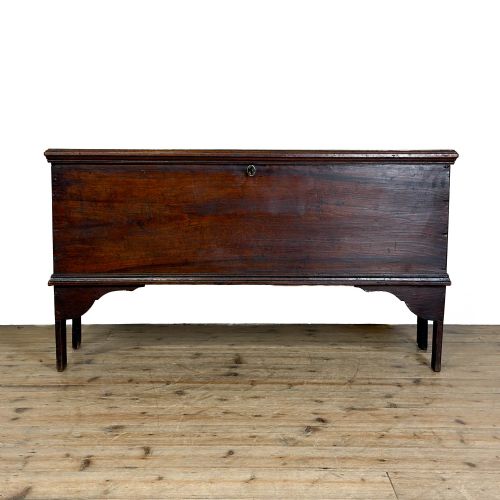
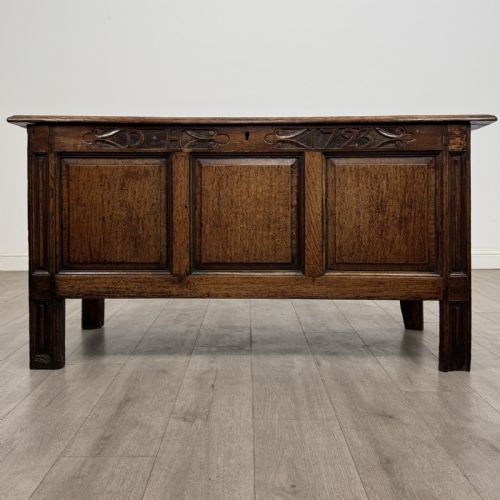
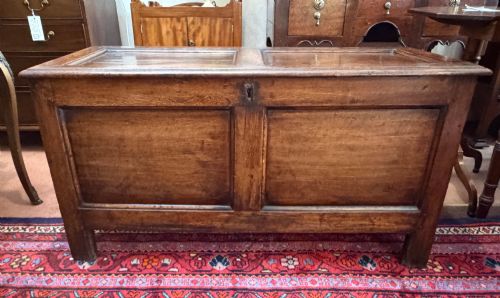
An 18th century blanket chest serves as a robust storage container typically encountered as an oak coffer or mule chest featuring internal space beneath a hinged lid. These pieces originated to house textiles, linens, and valuables in domestic settings before dedicated wardrobes became common.
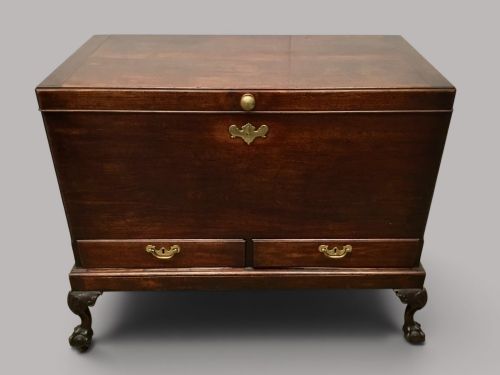
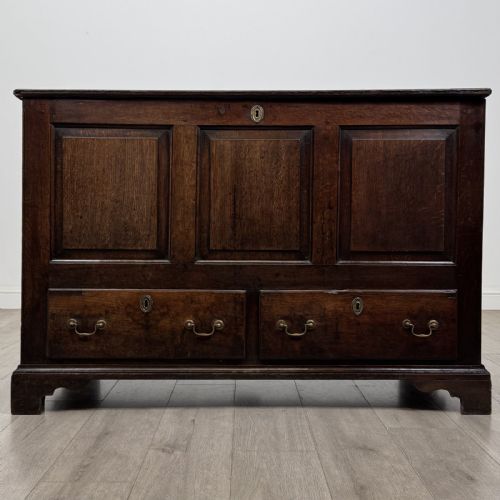
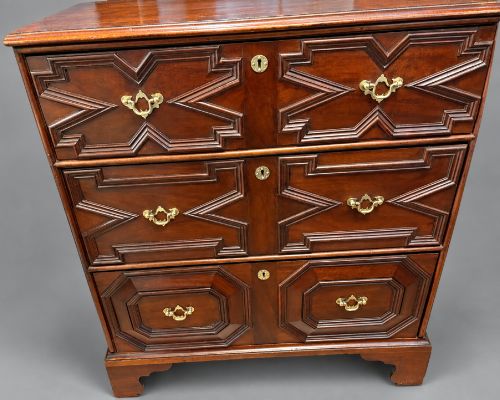
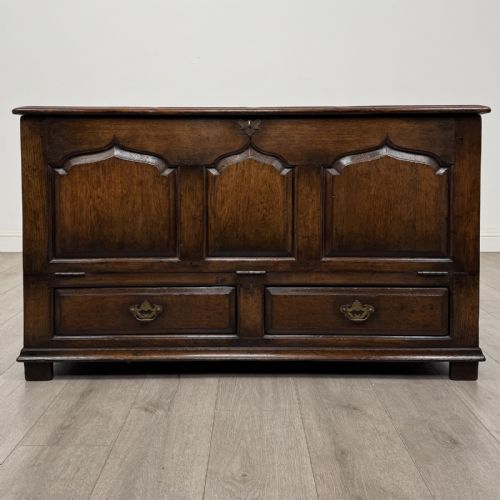
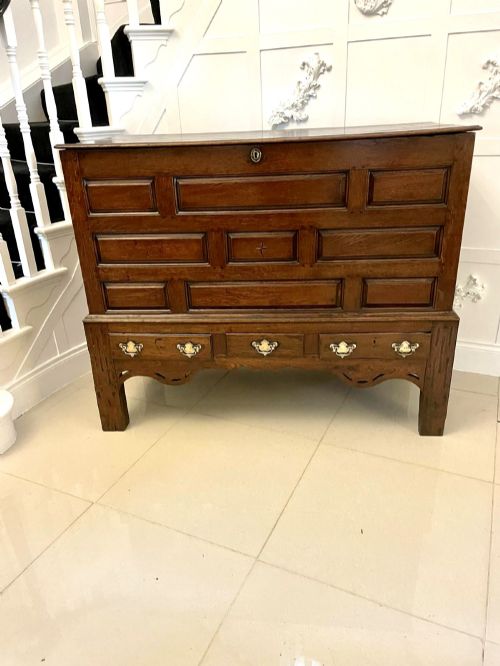
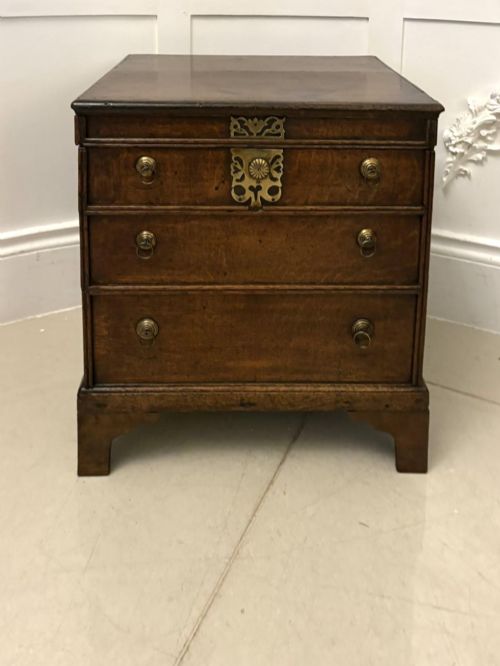
The variety most frequently met on this page is the panelled oak coffer from the Georgian period or earlier centuries, often displaying pegged joinery and simple rectangular proportions. Regional forms such as the Welsh coffer bach or the multi-drawer mule chest also appear regularly among the broader selection of coffers and trunks.
Makers produced these functional items across diverse regions, resulting in distinct styles including French provincial, Dutch colonial, and Scandinavian country variants alongside standard English vernacular work. Buyers encounter woods ranging from native British oak and elm to exotic padouk and teak depending on the regional workshop origins.

How they were made
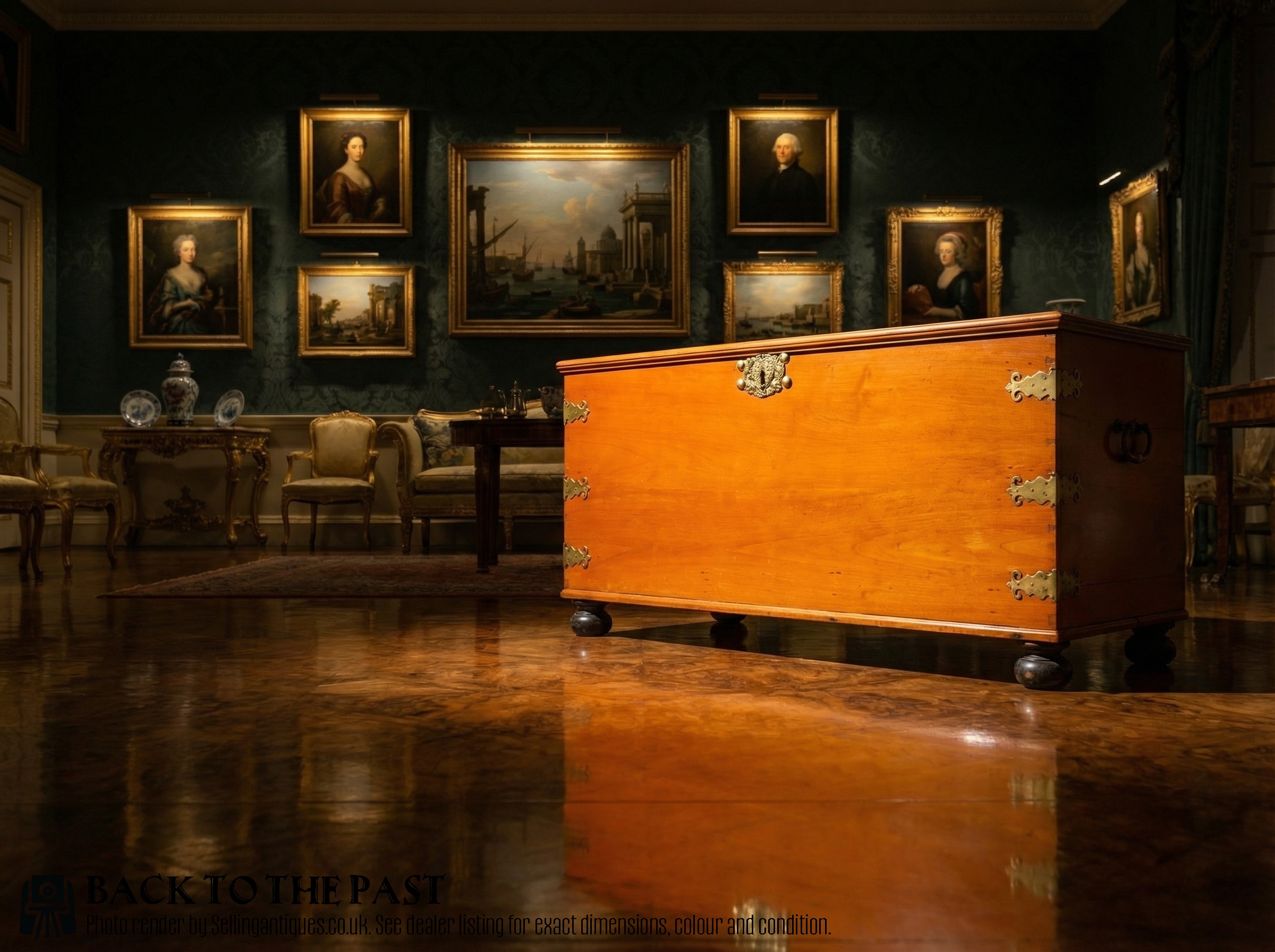
Joiners constructed these chests primarily using solid timber frameworks joined by mortise and tenon joints secured with wooden pegs rather than modern metal fasteners. Panel construction allowed the wood to expand and contract naturally with humidity changes without splitting the main structure.
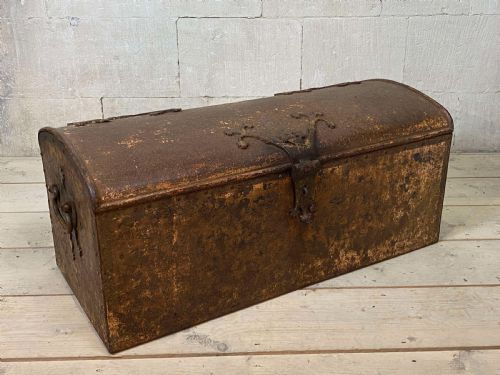
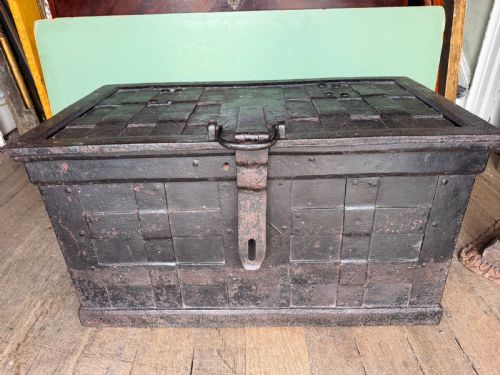
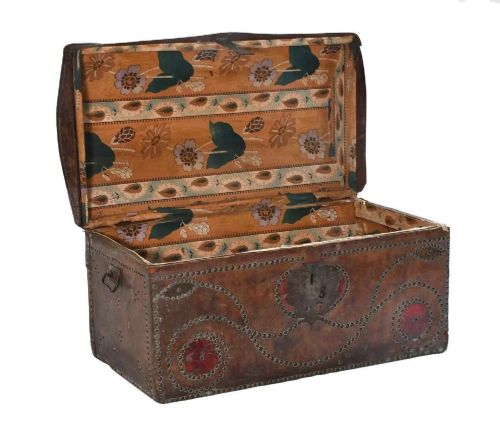
Iron and brass hardware played a functional role, providing sturdy strap hinges, carrying handles, and occasionally decorative studwork or locks. Secondary timbers like pine and elm frequently formed internal bases and drawer linings in multi-tier mule chests.
18th Century Blanket Chest Retail Price Guide 2026
Typical asking prices for 18th century blanket chest among the pieces listed under this phrase on Sellingantiques today, from the lower quarter to the upper quarter. They describe what is for sale here now, not the wider market.
Listings feature oak, elm, pine, and mahogany alongside exotic woods like padouk and teak.
What varies in quality
The integrity of the original timber and the retention of unreplaced hardware heavily influence the standard of a piece, separating examples that retain their early surfaces from heavily restored ones. Rich surface patination developed through decades of waxing and handling marks out superior examples from dry or stripped surfaces.
Complexity of construction also dictates the standing of a chest, distinguishing simple single-compartment coffers from sophisticated mule chests featuring dovetailed drawers and crossbanded mahogany or burr elm veneers.
The 18th Century Blanket Chest Glossary
- Coffer
- A large wooden chest traditionally used for holding valuables and textiles. These storage pieces form the backbone of early vernacular furniture production.
- Mule chest
- A storage chest featuring one or more drawers built beneath the main internal compartment. This form bridges the gap between the simple coffer and the chest of drawers.
- Coffer bach
- A small Welsh box or chest typically elevated on short feet or a drawer base. The term translates from Welsh as little coffer.
- Crossbanding
- A strip of veneer applied perpendicularly to the grain of the primary surface to create a decorative border. This technique appears on finer Georgian furniture.
- Patina
- The deep surface sheen and mellow colour acquired by wood over centuries of use, cleaning, and exposure to light. Collectors prize an undisturbed surface above restored finishes.
18th Century Blanket Chest: Frequently Asked Questions
What is the difference between a coffer and a mule chest?
A coffer consists of a single deep storage compartment accessed exclusively through the top lid. Carpenters added lower drawers to create the mule chest, combining box storage with easier access to smaller garments.
This evolution marked a shift in domestic organisation during the Georgian era. Both forms served similar utility in the bedchamber or hallway.
How do I care for an oak blanket chest?
Keep the timber away from direct heat sources and sudden temperature swings to prevent the wood from splitting. Apply a traditional beeswax polish occasionally to nourish the surface and maintain the natural sheen.
Avoid synthetic sprays or silicone-based products that can degrade the historic finish. Gentle dusting with a dry cloth keeps the patina intact over time.
Were these chests used only for blankets?
Households stored woollen blankets, household linens, winter garments, and family documents inside these vessels to protect them from dampness and pests. Valuable silver and legal papers also found secure quarters beneath the heavy lids.
Their robust construction and heavy locks made them dependable strong boxes for domestic valuables. Travelling versions even accompanied owners on military campaigns or overseas voyages.
How can I tell an 18th century chest from a later copy?
Examine the interior boards, nail types, and joinery methods for signs of age and hand tool usage. Hand-cut dovetails, pegged mortise and tenon joints, and shrinkage cracks in the base panels indicate period construction.
Later reproductions often display uniform machine milling marks and modern adhesives. The tactile quality of the wood surface and natural wear patterns around the handles provide further clues to authenticity.