

17th Century Chest of Drawers
A 17th century chest of drawers brings rugged timber and early domestic storage history directly into a modern room.
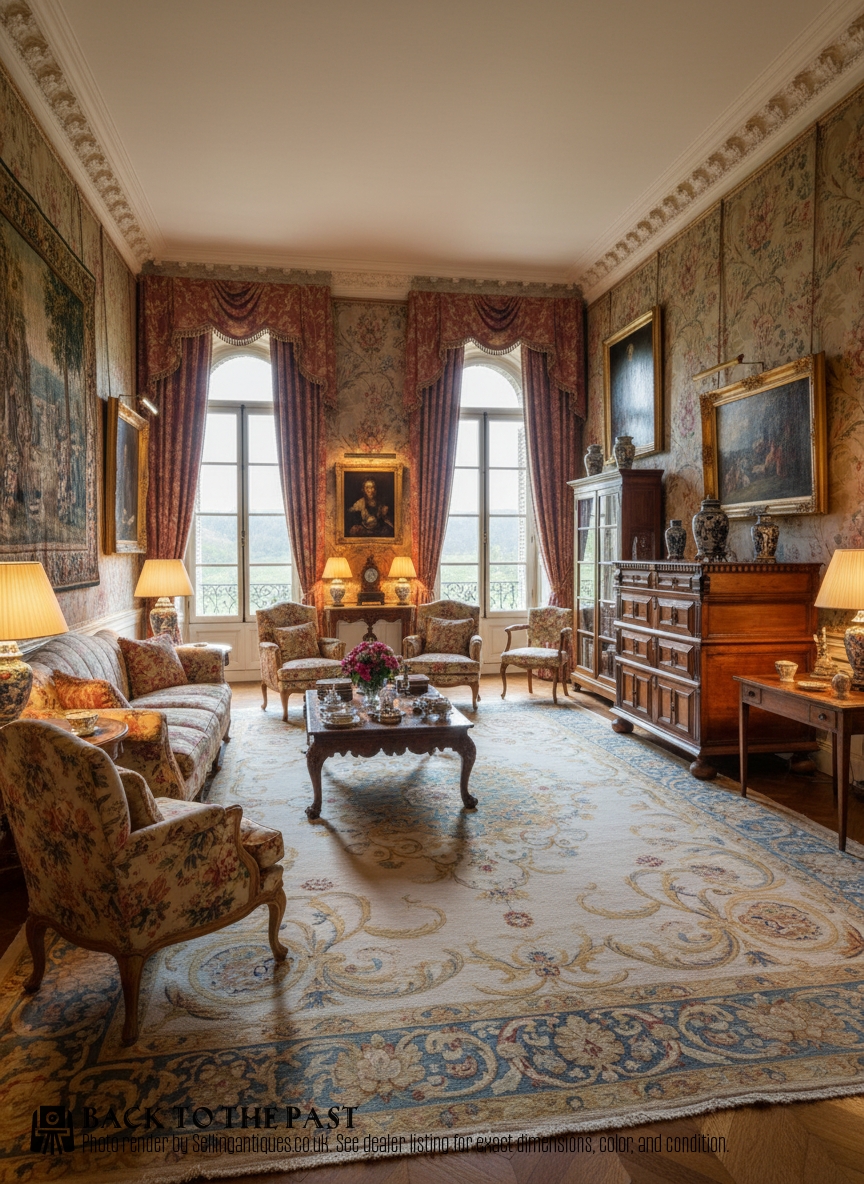
17th Century Chest of Drawers
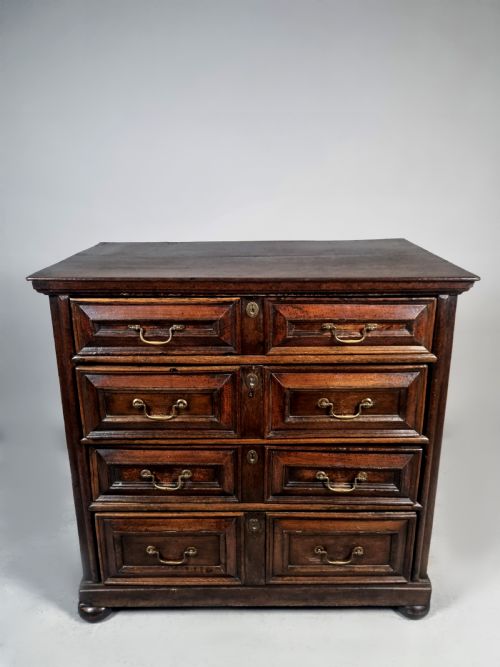
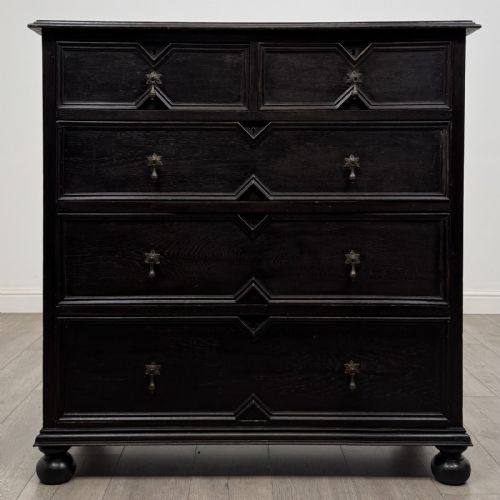
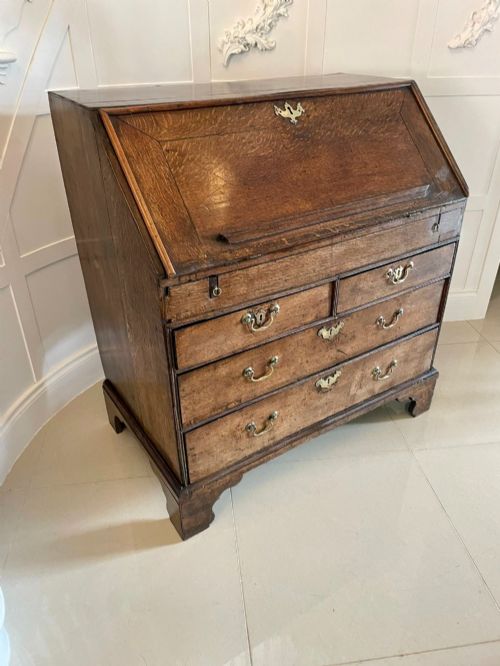
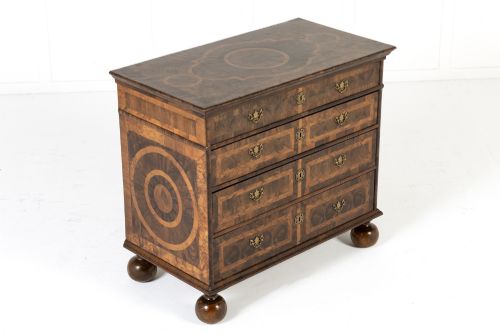
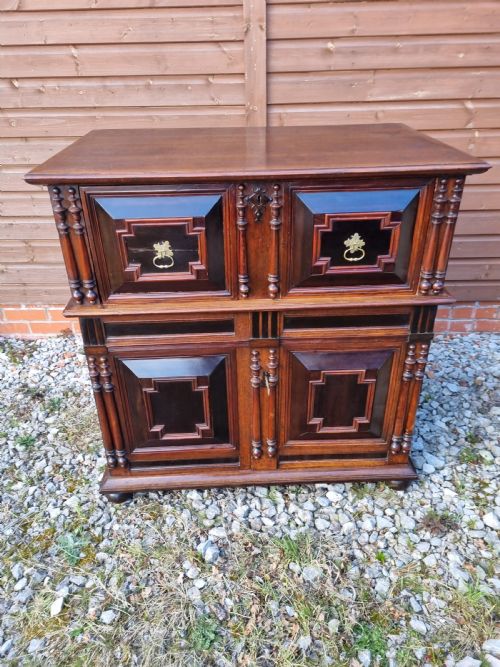
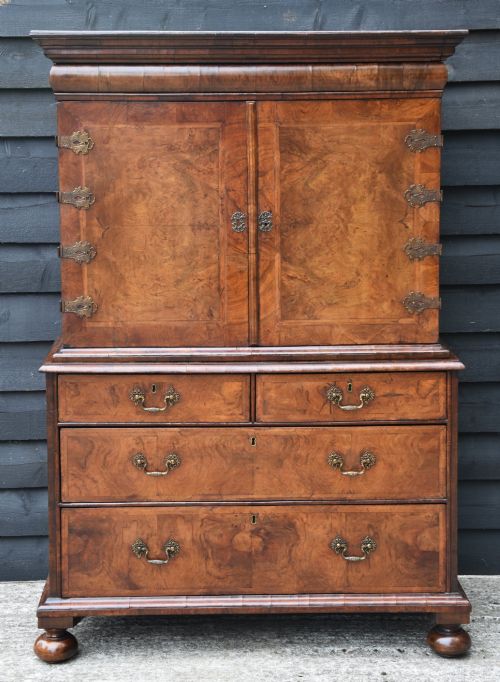
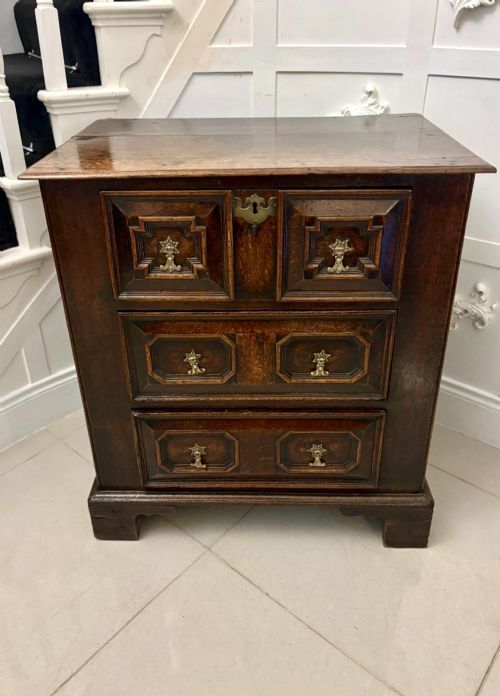
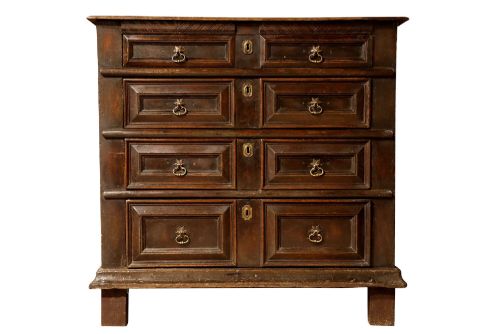
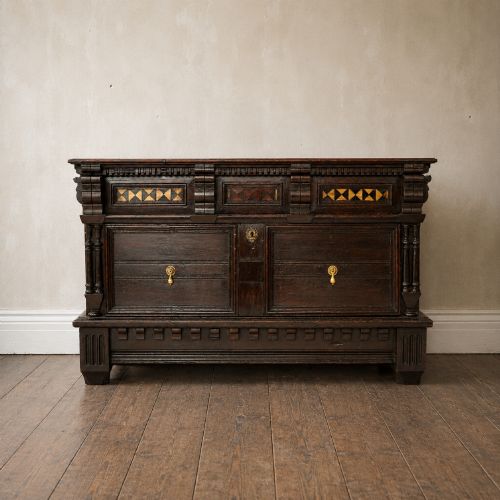
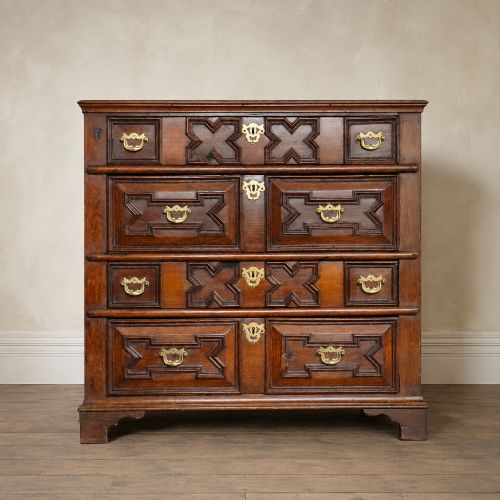
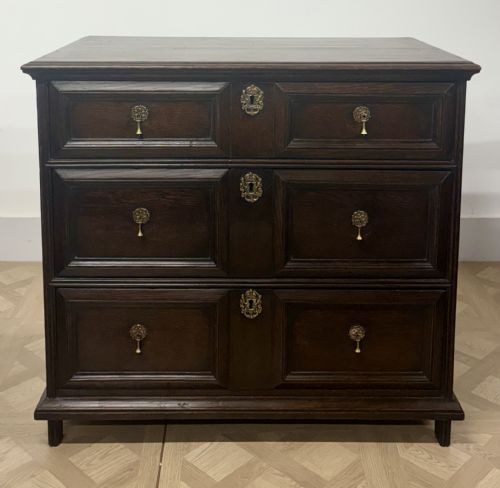
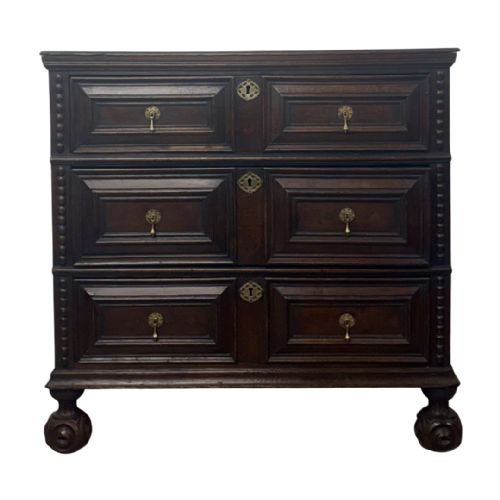
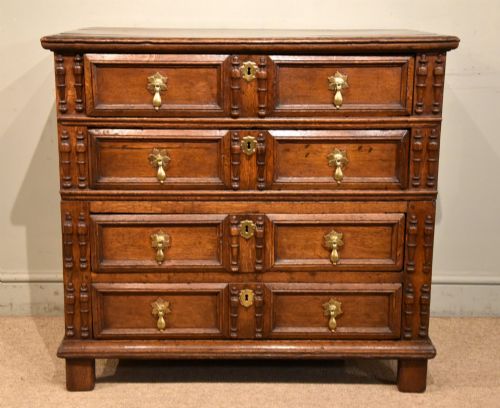
When you search for a 17th century chest of drawers, you encounter sturdy pieces of early furniture built primarily from solid English oak, walnut, and fruitwood. The most common examples on this page are sturdy oak carcasses featuring geometric mouldings, cushion panels, and two-part or chest-on-stand constructions from the Charles II and William and Mary periods.
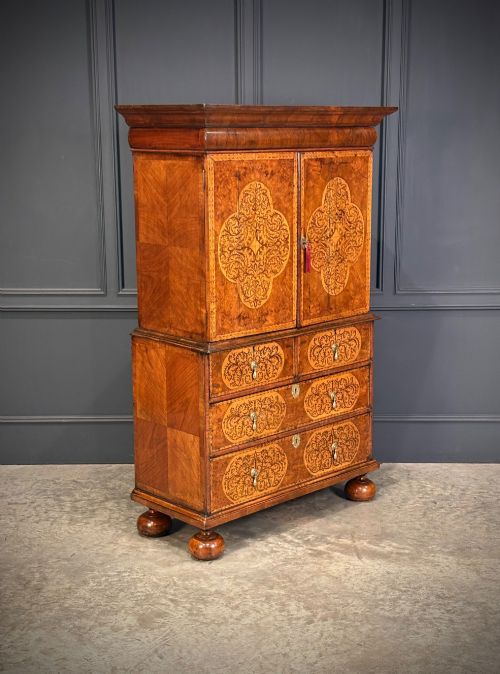
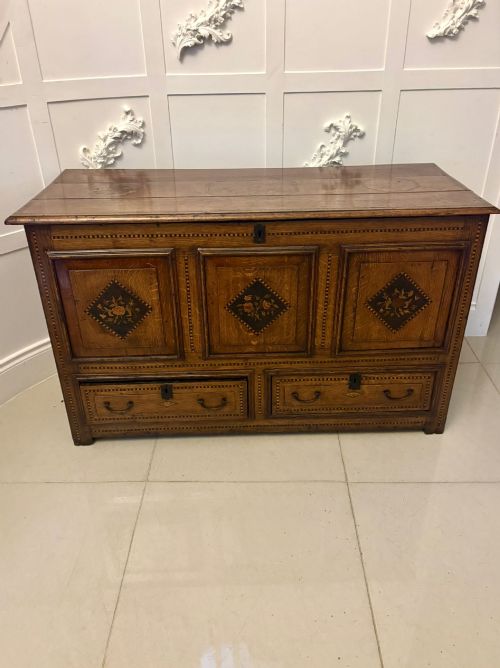
Beyond standard drawer configurations, the selection includes mule chests, cabinets on stands, and inlaid varieties featuring marquetry. These items reflect a transitional era in domestic storage, moving from simple boarded chests toward sophisticated multi-drawer case furniture designed for bedrooms and parlours.
Materials and Construction
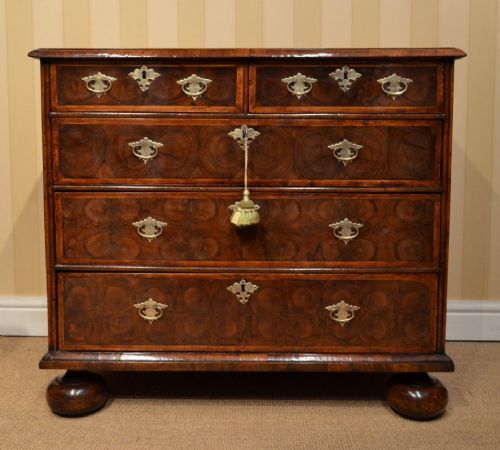
Cabinetmakers utilised native timber such as oak for structural integrity, often applying decorative veneers of walnut, olive, and laburnum to the drawer fronts. Elaborate surface decoration was achieved through geometric applied mouldings, oyster cutting, and detailed marquetry inlay using boxwood and fruitwoods.
Joinery techniques relied heavily on pegged mortise and tenon frames for the main body, while drawers were constructed with hand-cut dovetails. Surfaces were finished with traditional oils and waxes, developing a rich, faded patina over centuries of handling.
17th Century Chest of Drawers Retail Price Guide 2026
Typical asking prices for 17th century chest of drawers among the pieces listed under this phrase on Sellingantiques today, from the lower quarter to the upper quarter. They describe what is for sale here now, not the wider market.
The inventory spans the Jacobean, Charles II, and William and Mary stylistic periods across the 17th and early 18th centuries.
Distinctions in Standard
The degree of surface preservation and the originality of the timber separate standard examples from the finest pieces. Surviving elements such as original brass drop handles, escutcheons, and untouched backboards elevate a piece significantly above those with extensive later timber replacements.
Complexity of decoration also dictates quality, distinguishing simple planked fronts from laboriously worked oyster-veneered surfaces, intricate arabesque marquetry, or specialised cabinet-on-stand forms incorporating tortoiseshell and bone.
The 17th Century Chest of Drawers Glossary
- Oyster veneer
- Slices cut transversely across small branches or roots to create circular, repeating patterns resembling oyster shells. This technique gained immense popularity during the late seventeenth century on walnut and olive case furniture.
- Geometric moulding
- Raised wooden mouldings applied to drawer fronts in repeating octagonal, rectangular, or lozenge patterns. It creates strong visual depth and shadow on Charles II and William and Mary furniture.
- Mule chest
- A storage chest featuring one or more functional drawers built into the base beneath the main compartment. They bridge the gap between traditional blanket chests and modern drawer units.
- Chest on stand
- A tall storage section elevated upon a separate table-like base with legs and stretchers. This form lifts the storage capacity off the floor and often incorporates integrated cupboard doors or additional drawers.
- Patina
- The surface sheen and mellow colour developed by wood over hundreds of years through oxidation, waxing, and handling. A desirable, faded patina indicates genuine age and minimal harsh restoration.
17th Century Chest of Drawers: Frequently Asked Questions
How do I identify a Charles II chest?
Charles II pieces frequently display strong geometric mouldings on the drawer fronts and are constructed in two distinct sections. They rely heavily on solid oak timber combined with walnut veneers.
Look for panelled sides and substantial proportions that reflect the joinery methods common during the late seventeenth century.
What is oyster veneering?
Oyster veneering involves slicing thin rounds across small branches or roots to produce characteristic circular grain patterns. Cabinetmakers arranged these cross-sections across drawer fronts and table tops to create decorative surfaces.
This technique is commonly found on walnut, olive, and laburnum furniture from the William and Mary period.
Are these chests suitable for daily use?
These pieces function well for clothing and linen storage when handled with care. The internal drawers slide within historic runners that require gentle operation.
Positioning them away from direct heat sources protects the fragile veneers and prevents the solid timbers from splitting.
How do I distinguish oak from walnut examples?
Oak pieces generally exhibit a heavier, more golden-brown grain with visible medullary rays, typical of early seventeenth-century construction. Walnut versions often present a darker, richer tone with intricate swirling figure patterns.
Walnut was frequently paired with specialised veneers and marquetry inlay, whereas oak formed the structural backbone of earlier utilitarian pieces.