


Brown Cedar Chest
These brown cedar chest items are solid storage boxes and drawers chosen for scent and grain.

Brown Cedar Chest
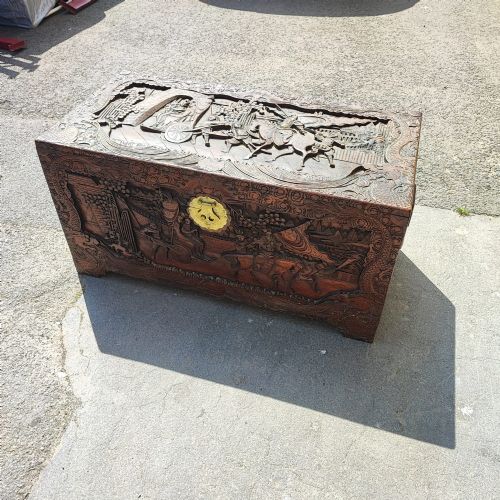
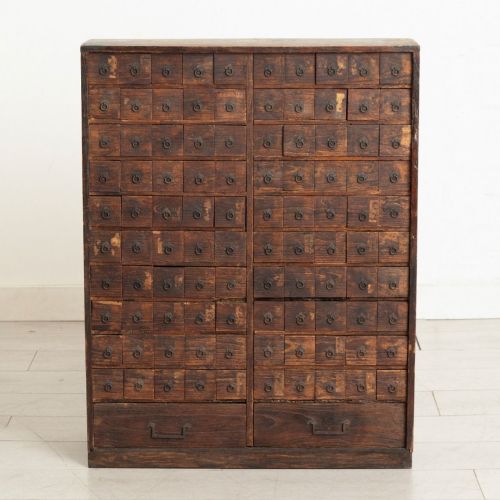
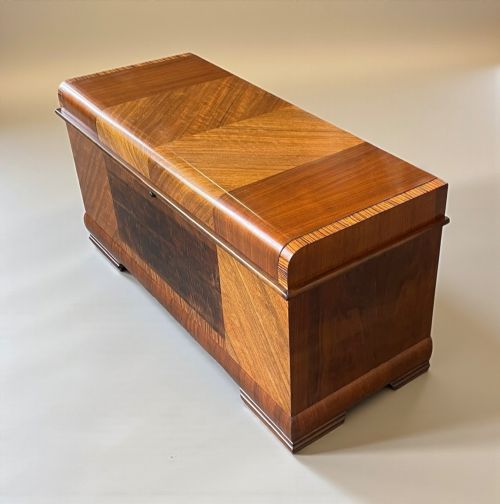
A brown cedar chest serves as a practical storage box or set of drawers built to hold garments and household goods safely. When searching for a brown cedar chest, buyers encounter items ranging from seventeenth-century Italian coffers to twentieth-century blanket boxes and Japanese tansu chests. These storage pieces often utilise fragrant wood to protect contents while offering robust utility in domestic spaces.
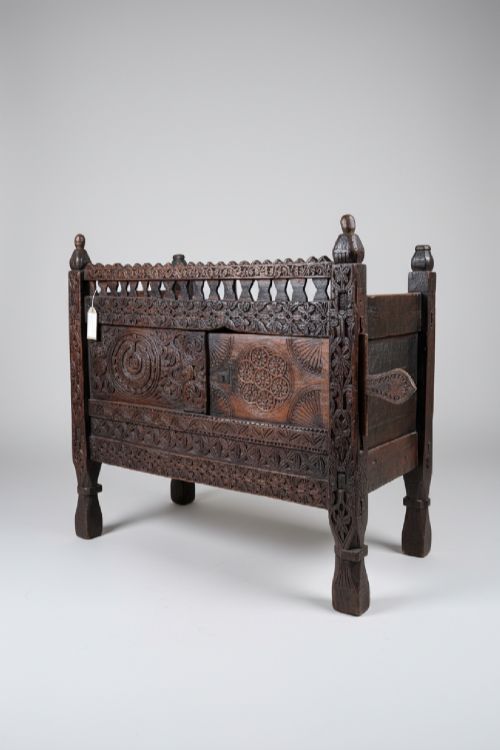
The selection on this page includes diverse forms such as apothecary cabinets, dowry chests, and carved trunks alongside traditional chests of drawers. Originating from periods spanning the seventeenth century through to the Art Deco era and the 1930s, these objects reflect global woodworking traditions. Buyers most frequently meet pieces fashioned from cedar, camphor wood, and walnut.
Regional styles shape these storage items significantly, drawing from Georgian designs, Swat Valley folk art, and traditional Chinese or Japanese Meiji aesthetics. Each form balances utilitarian storage needs with distinct decorative carving or clean twentieth-century lines. Such variety ensures that collectors find both rustic dowry chests and refined Georgian drawer units.
How they were made
Carpenters constructed these storage forms primarily using solid cedar wood, camphor wood, and walnut, complemented by secondary timbers. Artisans shaped boards with hand tools and joined them securely to withstand heavy domestic use over centuries. Surfaces often received carved ornamentation or remained plain to highlight the natural grain of the wood.
Hardware played a functional and decorative role, incorporating brass and iron fittings, hinges, and lock plates. These metal elements reinforced the structural corners and lids of trunks and coffers while providing secure closures. Interior drawers frequently utilised secondary woods like cedar for lining purposes.
Several chests double as apothecary banks and cigar humidors, proving that tiny drawers solve everyone's tiny hoarding habits.
What varies in quality
The standard of a storage chest rests upon the integrity of its timber construction and the precision of its joinery. Superior examples maintain robust structural framing that prevents warping in the aromatic cedar or walnut boards over generations. Finer pieces also display crisp, deliberate carving and well-fitted internal drawers rather than hasty assembly.
Original hardware, including brass and iron mounts, influences the overall integrity and historical value of the piece. Retaining period locks and hinges without modern replacements marks a higher grade of craftsmanship. The preservation of surface finishes and natural wood grain further separates standard utility items from exceptional works.
The Brown Cedar Chest Glossary
- Coffer
- A heavy wooden box or chest traditionally used for storing valuables and precious textiles. These sturdy receptacles often feature hinged lids and iron or brass reinforcement.
- Tansu
- A traditional Japanese mobile storage chest built from woods such as cedar. These cabinets typically incorporate multiple small drawers and sliding doors for organisational utility.
- Humidor
- A specialised wooden box designed to maintain proper humidity for storing cigars. Fine examples utilise aromatic woods and internal humidifiers to preserve tobacco.
- Apothecary cabinet
- A multi-drawer storage chest historically used by pharmacists to organise dried herbs and medicinal ingredients. These banks of drawers feature numerous small compartments.
- Dowry chest
- A decorative storage box prepared for a bride to hold household linens and personal possessions. These cultural items frequently display elaborate regional carvings or folk art.
Brown Cedar Chest: Frequently Asked Questions
What is a brown cedar chest used for?
These chests function primarily as secure storage for blankets, garments, and household textiles.
The natural aroma of cedar wood helps deter moths and keeps stored items fresh over long periods.
How do I date a cedar chest?
Dating relies on examining the construction techniques, tool marks, and stylistic motifs present on the piece.
Comparing hardware like hinges and locks to known period examples also helps establish the era of manufacture.
Are these chests made entirely of cedar?
Many pieces utilise cedar or camphor wood for primary visible surfaces and internal drawer linings.
Some items incorporate secondary hardwoods or mixed timbers to provide structural strength and stability.
How do I care for antique cedar furniture?
Keep wooden chests away from direct heat sources and dramatic humidity fluctuations to prevent wood splitting.
Clean surfaces gently with a soft cloth and avoid harsh chemical polishes that damage aged finishes.