




16th Century Chest
A 16th century chest brings heavy timber construction and domestic history directly into a room.
16th Century Chest
A 16th century chest is a heavy storage receptacle built to hold valuables, linen or provisions in domestic and ecclesiastical settings. These pieces include boarded coffers, plank construction arks and panelled examples originating from English, Welsh, French, Italian and German workshops.
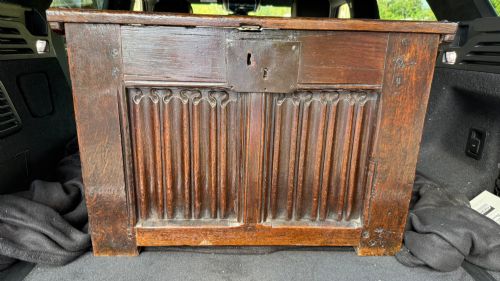
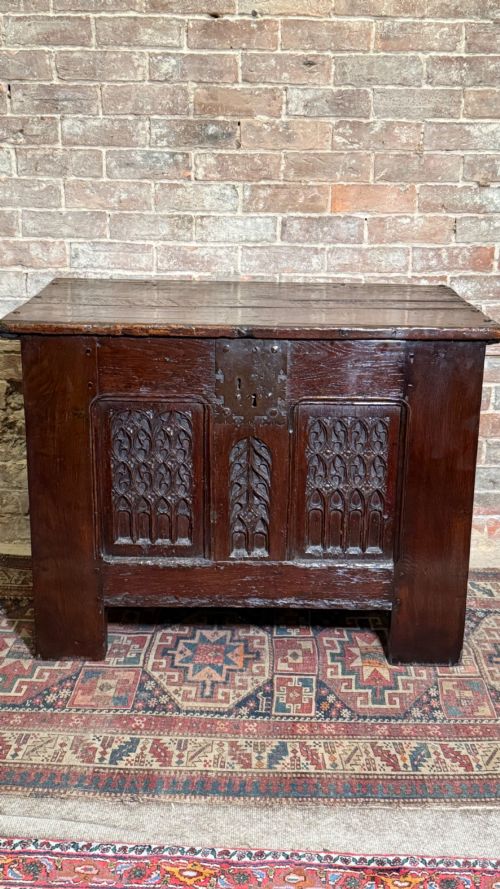
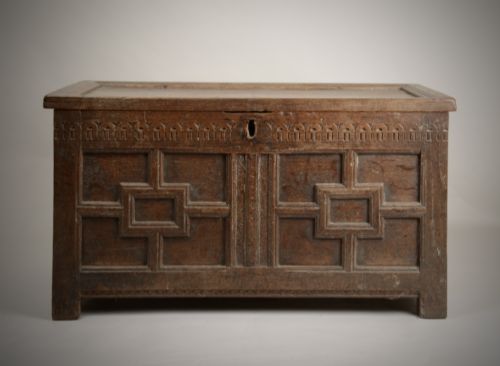
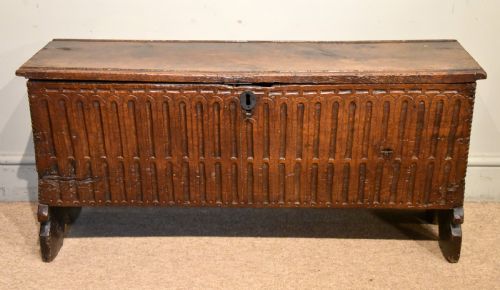
The version most commonly met on this page is the oak coffer or chest from the Tudor or Elizabethan periods, often displaying carved panels, linenfold motifs or simple boarded sides. Alongside these standard English and Welsh forms, continental examples in walnut, cypress and iron-bound construction appear regularly.
How they were made
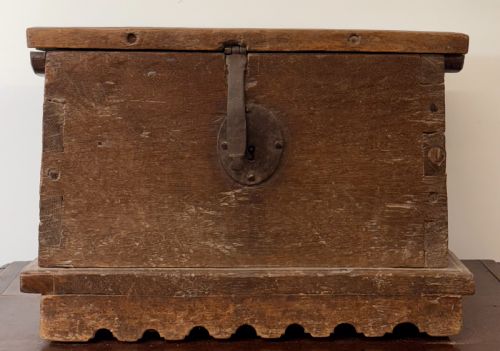
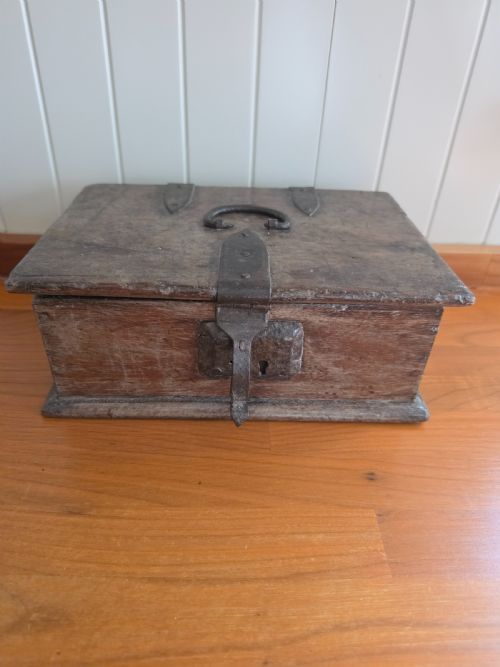
Construction relies primarily on sturdy native timbers such as oak, elm and walnut, hewn and joined using heavy framing, pegged mortise and tenon joints or simple boarded planks. Iron and wrought iron bands reinforce many examples, adding structural strength and security to strongboxes and collection chests.
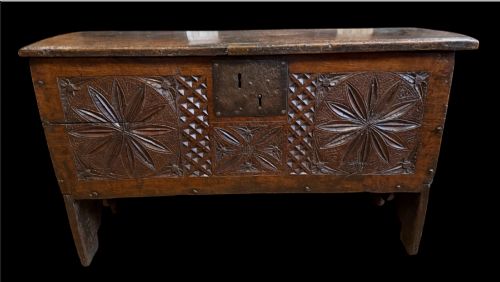
Surface ornamentation is achieved through direct carving, fluting, inlay and parcel gilding on woods like walnut and oak. Nuremberg and Armada chests utilise complex internal iron locking mechanisms concealed beneath lids or within heavy lids.
16th Century Chest Retail Price Guide 2026
Typical asking prices for 16th century chest among the pieces listed under this phrase on Sellingantiques today, from the lower quarter to the upper quarter. They describe what is for sale here now, not the wider market.
Some chests feature carved fighting birds or Adam and Eve beside the Tree of Life.
What varies in quality
The standard of a 16th century chest is determined by the ambition of its joinery and the depth of its carving. Highly articulated linenfold panels, figural carvings depicting biblical scenes like Adam and Eve, or complex architectural facades set superior examples apart from plain plank coffers.
Material selection and regional provenance also influence standing, with dense native oak and figured Italian walnut commanding greater interest. Original ironwork, intact locking mechanisms and surface patination contribute significantly to the integrity of each piece.
The 16th Century Chest Glossary
- Coffer
- A heavy wooden chest traditionally used for storing valuables or documents. These pieces often feature boarded or panelled construction.
- Cassone
- An Italian marriage chest designed to hold a bride's trousseau. They are frequently fashioned from walnut or cypress and decorated with carving or inlay.
- Linenfold
- A style of wood panelling carved to resemble folded vertical linen cloth. This motif is common on Tudor and Elizabethan oak pieces.
- Meal Ark
- A boarded storage chest or ark used for meal or grain. Examples of this vernacular form are recorded in the Welsh Borders.
- Armada Chest
- A heavy iron-bound strongbox featuring an intricate internal locking mechanism beneath the lid. These containers were manufactured in continental Europe.
16th Century Chest: Frequently Asked Questions
What were 16th century chests used for?
These receptacles served multiple domestic and administrative functions, primarily securing valuables, coin, important documents and textiles from theft or damp. Parish churches also utilised them to store parish records and communion plate.
In domestic settings, simpler plank chests held provisions like meal or grain, while grander panelled coffers functioned as benches or tables when covered with textiles.
How do I identify a Tudor or Elizabethan chest?
English and Welsh pieces from this era typically exhibit native oak construction joined with pegged mortises or arranged in six-plank boards. Look for characteristic decorative details such as linenfold panels, strapwork carving and geometric fluting.
Construction methods reflect the period through the use of hand- cleft timber and early iron hinges rather than later machine-made fixings.
How should I care for an antique oak chest?
Maintain stable environmental conditions away from direct heat sources and dramatic humidity fluctuations to prevent timber movement and splitting. Avoid modern chemical polishes and apply occasional traditional wax to nourish the dry wood.
Allow the natural surface patination to remain untouched by aggressive cleaning agents or modern sandpaper restorations.