



Tudor Oak Coffer
A tudor oak coffer is a robust storage chest holding centuries of domestic history, prized for its honest construction and architectural presence.
Tudor Oak Coffer
A tudor oak coffer provides deep and secure storage, originating as a functional receptacle for household valuables, documents and vestments. These pieces span the sixteenth century through the seventeenth century, alongside occasional revival examples from the nineteen-twenties.
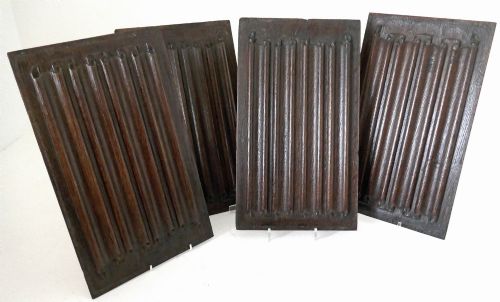
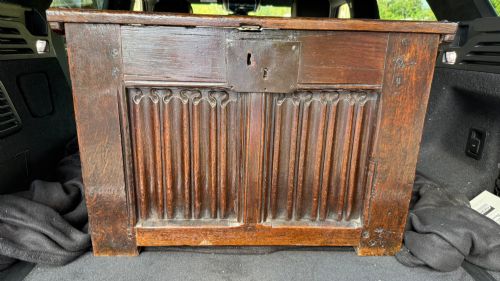
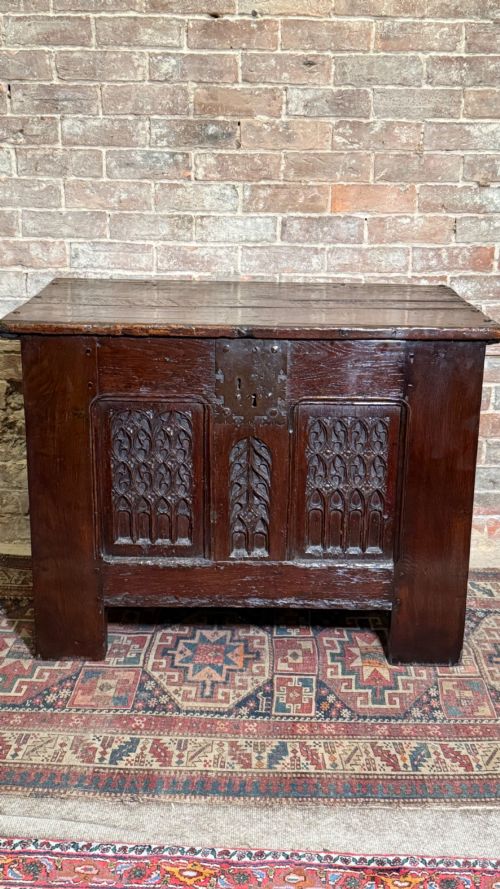
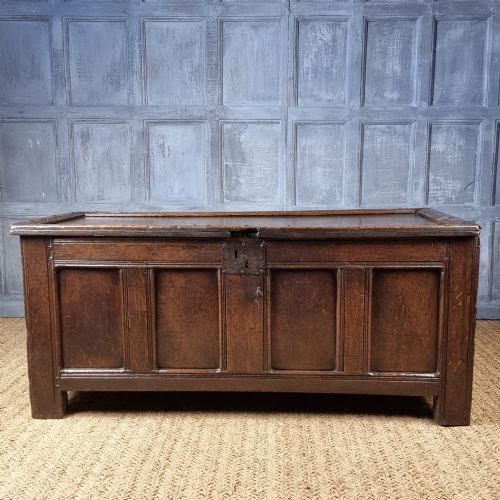
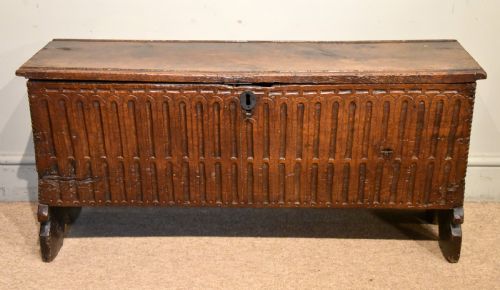
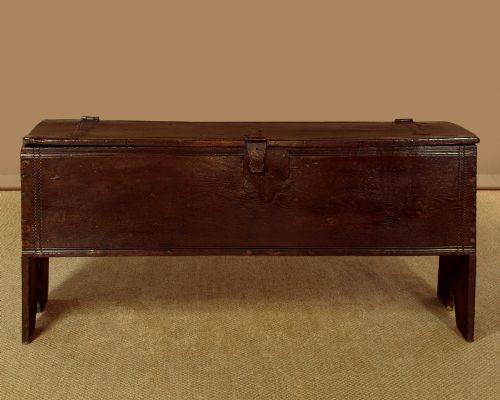
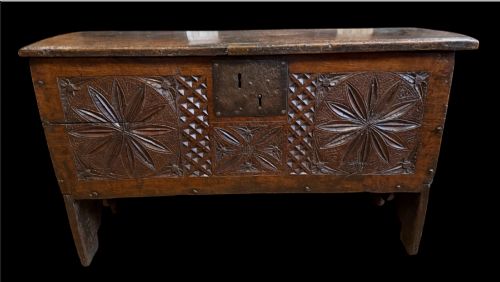
The board construction varies from simple six-plank chests to heavily carved front panels featuring linenfold motifs, fluted details or Gothic tracery. Welsh origins and English workshops dominate the surviving forms, alongside occasional architectural salvage elements adapted into storage furniture.
Materials and Construction
The primary material is solid timber, principally oak alongside occasional walnut and inlaid wood details. Artisans utilised sturdy boards joined with pegged mortise and tenon framing or simple edge joints in boarded constructions.
Iron and wrought iron fittings provide structural reinforcement and security, appearing as heavy strap hinges, brackets and locking mechanisms. Surfaces display hand-carved ornamentation, such as linenfold panels and geometric fluting, carved directly into the solid wood.
Tudor Oak Coffer Retail Price Guide 2026
Typical asking prices for tudor oak coffer among the pieces listed under this phrase on Sellingantiques today, from the lower quarter to the upper quarter. They describe what is for sale here now, not the wider market.
Early makers occasionally hid miniature carved faces within the linenfold folds, watching quietly over centuries of stored socks and deeds.
Assessing Quality and Authenticity
The distinction between ordinary and exceptional pieces lies in the crispness of the original hand-carvings and the integrity of the timber. Untouched board thickness, original ironwork and minimal later alterations elevate a piece significantly above heavily restored examples.
Surface patination tells the story of age, where centuries of handling produce a deep, warm texture on the wood. The sophistication of the design, ranging from plain boarded utility to elaborate Renaissance-influenced architectural carving, determines the standing of the work.
The Tudor Oak Coffer Glossary
- Linenfold
- A carved wood panel motif resembling folded cloth or linen. This decorative style gained immense popularity during the Tudor period.
- Six-plank chest
- A primitive and sturdy box construction made from six individual boards joined at the edges. These represent some of the earliest surviving storage forms.
- Boarded coffer
- A chest constructed from upright boards secured with nails or dowels rather than framed panels. They served basic storage needs in domestic and ecclesiastical settings.
- Meal ark
- A specialised chest or bin utilised for storing oatmeal or grain. These often feature internal divisions and ventilated construction.
- Fluted
- Decorative parallel shallow grooves carved into the wooden surface. This classical detail appears frequently on Elizabethan and Jacobean furniture.
Tudor Oak Coffer: Frequently Asked Questions
How do I care for a tudor oak coffer?
Keep the wood nourished by applying a traditional beeswax polish occasionally, avoiding modern silicone sprays or harsh chemical cleaners.
Position the chest away from direct heat sources and dramatic humidity fluctuations to prevent the ancient timber from splitting or warping.
Were these chests used for seating?
While many examples feature flat lids sturdy enough to support a person, they primarily served as secure receptacles for valuables and textiles.
Using them as impromptu benches occurred in period homes, though the primary function remained storage rather than seating.
What is a meal ark?
A meal ark is a specific regional variant designed to store household meal and grain safely away from pests.
These pieces often feature specialised interior compartments and sturdy board construction suited to utilitarian kitchen storage.
How can I tell a sixteenth century piece from a revival?
Examine the construction methods, tool marks and timber shrinkage patterns closely, as genuine sixteenth-century work displays hand-split or pit-sawn grain.
Twentieth-century revival pieces usually exhibit mechanical tool traces, standardised peg placements and cleaner internal surfaces without centuries of wear.