



Elizabethan Oak Chest
An elizabethan oak chest is a heavy timber domestic container from the sixteenth century that grounds a room with centuries of utilitarian history.
Identifying an Elizabethan Oak Chest
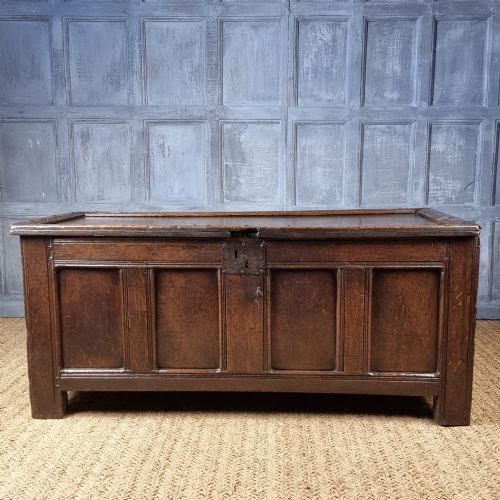
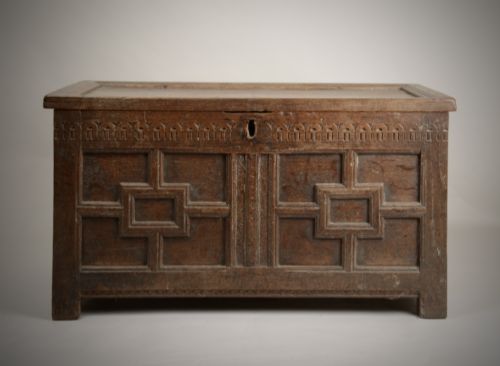
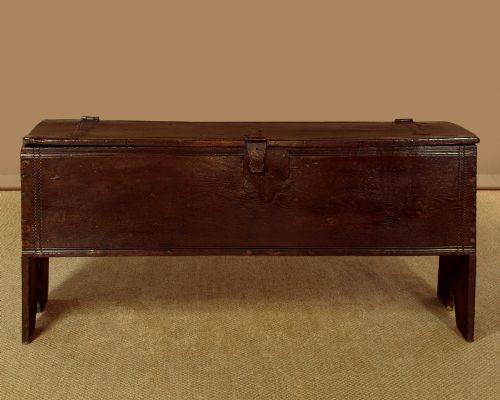
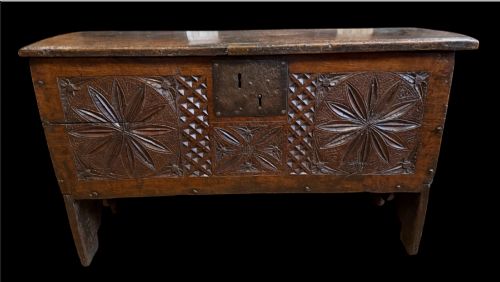
When you search for an elizabethan oak chest, you are looking at heavy sixteenth century timber containers built for storage and security in early homes. The pieces seen on this page span the Tudor and Elizabethan styles, taking the form of boarded coffers, plank coffers, and carved chests.
You are most likely to meet boarded and plank coffers from the sixteenth century, alongside carved examples originating from England and Wales. Some pieces incorporate inlaid wood, ironwork, or clamp chest construction, reflecting the diverse domestic utility of the period.
These items frequently double as coffers and kists, with specific regional variations including Welsh examples and meal ark forms. A design rooted in the sixteenth century occasionally bridges into later periods under Elizabethan design labels.
Construction and Materials
Makers of these sixteenth century pieces relied principally upon solid oak, utilising its dense grain for durable domestic storage. Structural integrity was reinforced through the integration of iron and wrought iron hardware.
Surface decoration involved carving directly into the timber or applying inlaid wood techniques to enrich the face of the coffer. Construction methods ranged from simple boarded joints to clamped trunk formats and panelled assemblies.
Retail Price Guide 2026
Typical UK retail prices for elizabethan oak chest, calculated from the Sellingantiques database of over a million retail prices indexed since 2003. This retail price guide relies exclusively on Sellingantiques data; no external sources or auction records are used, so the figures do not describe the wider market.
Every listed piece on this page originates from the sixteenth century, utilising solid oak and wrought iron.
Judging Quality and Character
The distinction between standard domestic boxes and superior items rests upon the depth and execution of the carved ornamentation. Heavily carved surfaces and sophisticated inlay distinguish the more ambitious sixteenth century works from plain boarded planks.
Proportion and scale also define the hierarchy, where smaller Welsh chests or substantial architectural coffers demonstrate greater regional ambition. Original ironwork and untouched patination elevate the standing of a survival from this early period.
The Elizabethan Oak Chest Glossary
- Coffer
- A heavy wooden chest traditionally used for storing valuables, documents, or textiles. These sturdy receptacles often feature flat lids suitable for seating.
- Boarded construction
- A method of building using wide planks joined directly at the edges with pegs or nails rather than a framed structure. It represents an early and direct carpentry technique.
- Inlaid wood
- The practice of embedding contrasting materials into the surface of the timber to create decorative patterns. This ornamental detail appears on select sixteenth century examples.
- Meal ark
- A specialised chest or bin designed specifically for storing dry foodstuffs such as oatmeal. These domestic utility pieces form part of the broader coffer tradition.
Frequently Asked Questions
What were elizabethan oak chests used for?
These sixteenth century containers served primarily to store valuable household goods, clothing, and legal documents securely away from damp floors. Their flat lids also allowed them to function as tables or extra seating benches within early domestic spaces.
In some regional contexts, variations such as meal arks were utilised specifically for keeping foodstuffs dry. They were essential mobile strongboxes in a period before fitted wardrobes and built-in cupboards existed.
How do I live with an elizabethan oak chest?
Placing one of these sixteenth century pieces in a modern interior requires stable humidity away from direct heat sources to protect the aged timber. They make exceptional hallway furniture, serving as striking focal points that provide practical hidden storage.
Their robust construction means they handle everyday use comfortably as coffee tables or blanket boxes at the foot of a bed. Allowing the natural oak grain and historical patination to breathe is the best approach to displaying them.
How can I tell an authentic sixteenth century piece apart?
Authenticating a piece from this era involves examining the tool marks, timber shrinkage, and the integration of original wrought iron hardware. Sixteenth century construction typically relies on boarded joints, pegged assemblies, and hand-rived oak planks.
Regional characteristics, such as Welsh carving styles or specific Tudor motifs, help contextualise the origin of the woodwork. Comparing the surface wear and construction logic to documented museum examples remains essential.
What is the difference between a coffer and a chest?
The terms are frequently used interchangeably in historical records, though a coffer traditionally denotes a more heavily secured container with boarded construction. Chests can encompass framed panel designs and later multi-drawer formats such as mule chests.
In sixteenth century terminology, both functioned as primary receptacles for household possessions and valuables. The distinction often comes down to regional naming conventions rather than a strict structural difference.