

Vintage Oak Blanket Box
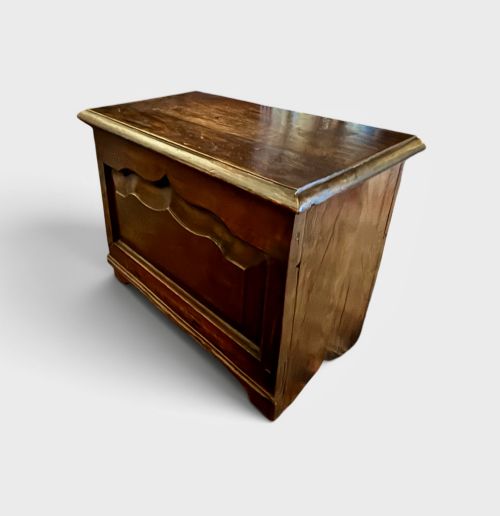
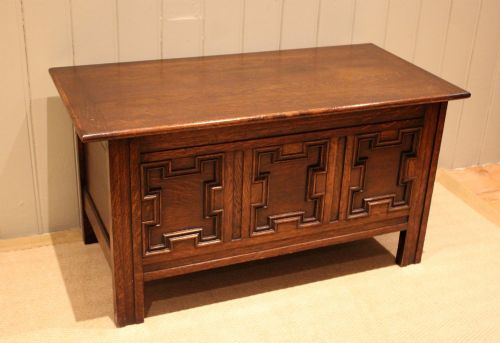
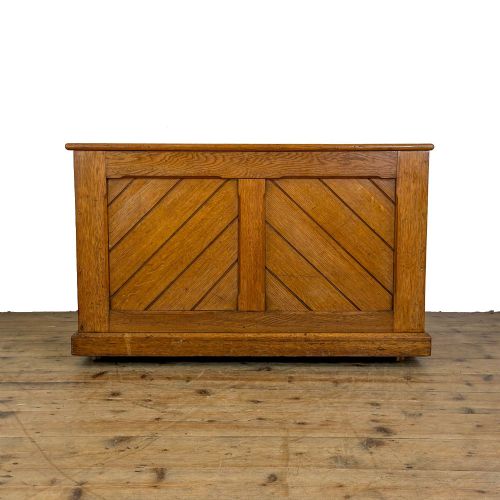
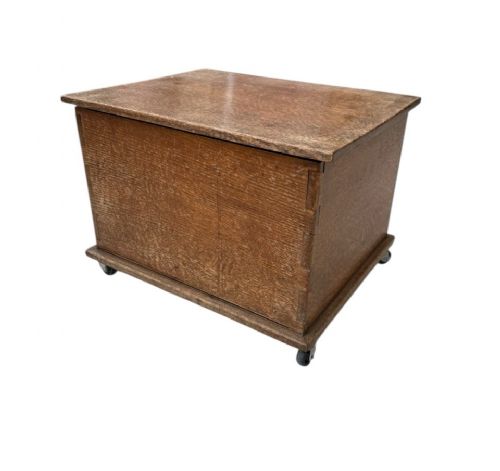
A vintage oak blanket box offers robust household storage rooted in centuries of traditional English craftsmanship.
Vintage Oak Blanket Box
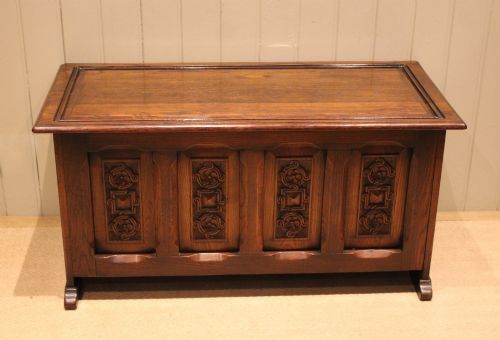
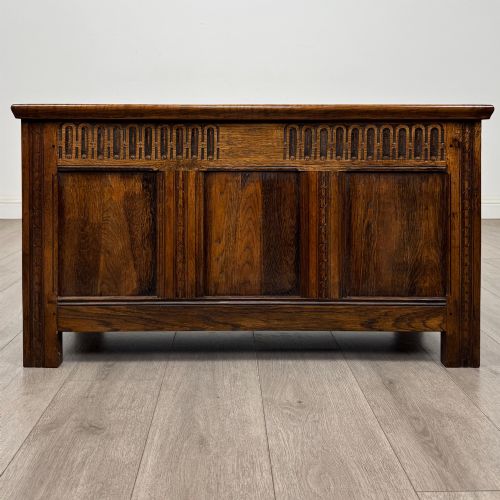
A vintage oak blanket box encompasses traditional storage forms including coffers, mule chests, and panelled trunks. These pieces serve as practical storage solutions while bringing historic character into domestic interiors.
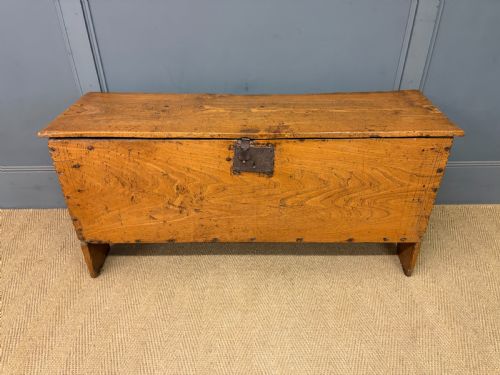
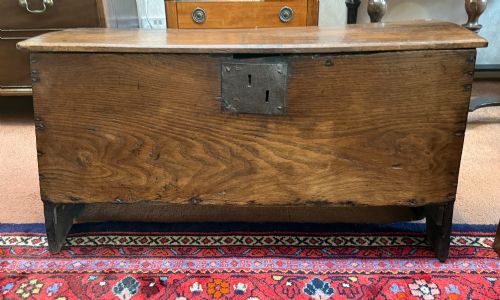
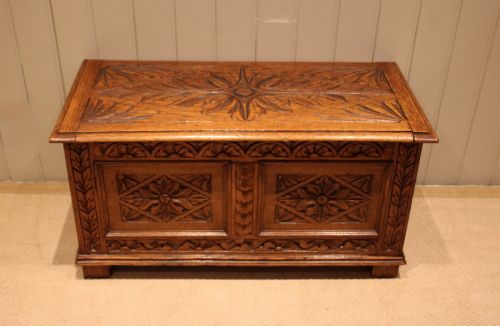
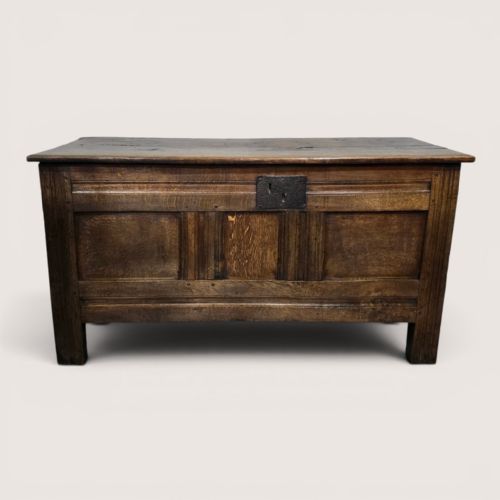
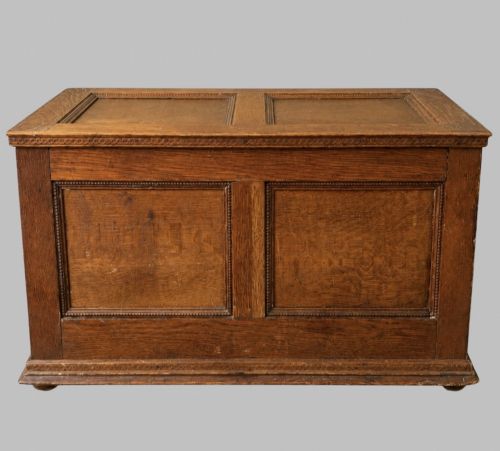
The selection ranges from early panelled examples dating to the sixteenth and seventeenth centuries through to revival pieces produced in the Victorian, Edwardian, and nineteen-thirties eras. Solid oak predominates, occasionally accompanied by elm, walnut, and painted or metal-bound finishes.
Buyers frequently encounter nineteenth-century and early twentieth-century interpretations alongside earlier country furniture. Styles span from rustic country and Jacobean revival to Arts and Crafts designs.
Judging quality in oak storage pieces
Quality rests upon the integrity of the timber and the honesty of the construction, distinguishing purpose-built vernacular items from later revivals. Original hinges, locks, and period ironwork elevate a piece above those with modern replacements.
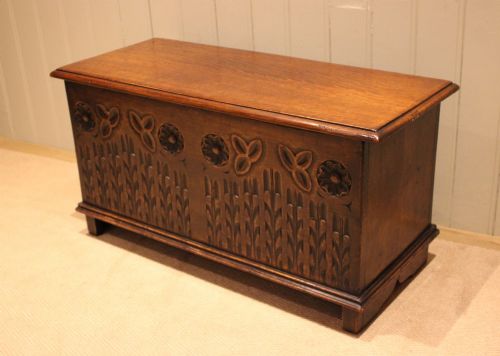
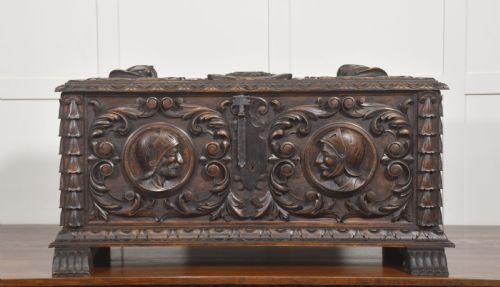
The crispness and depth of hand-carved decoration separate accomplished provincial workshop production from simpler commercial output. Retaining an untouched surface patina indicates proper age and careful preservation over generations.
Historic mule chests cleverly solved the domestic dilemma of needing clean linens without emptying the entire top compartment.
The Vintage Oak Blanket Box Glossary
- Coffer
- A heavy wooden chest traditionally used for storing valuables or household goods. Early examples feature boarded construction before panelled techniques evolved.
- Mule chest
- A storage chest characterised by one or more drawers built into the base beneath the main compartment. These pieces bridge the gap between simple coffers and full chests of drawers.
- Panelled construction
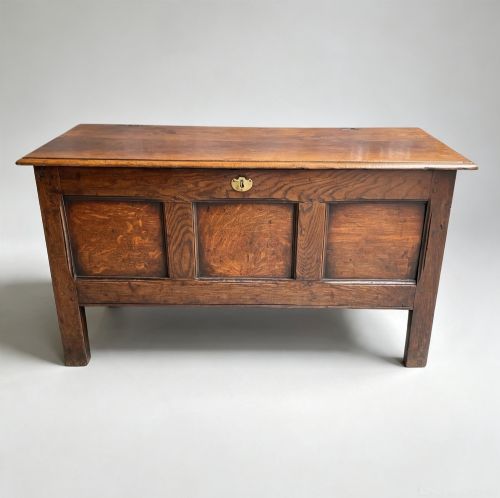
- A method of joining wooden frames where floating central panels sit within grooves. This technique accommodates the natural expansion and contraction of timber.
- Boarded coffer
- An early form constructed from thick planks nailed or pegged together at the edges. Such pieces represent some of the earliest surviving domestic furniture.
- Carved decoration
- Ornamentation cut directly into the timber surface using gouges and chisels. Motifs often include scrolling foliage, geometric strapwork, and occasional figural work.
Vintage Oak Blanket Box: Frequently Asked Questions
What is the difference between a coffer and a blanket box?
A coffer is a traditional term for a heavy wooden chest, often panelled and historically used for storing valuables or documents as well as textiles. A blanket box specifically describes a chest utilised domestically for bedding and linens.
While their forms overlap significantly, older pieces catalogued as coffers tend to feature more robust construction and historic carved ornamentation.
How do I date an antique oak chest?
Dating relies on observing construction methods, tool marks, timber selection, and decorative styles. Early pieces from the sixteenth and seventeenth centuries utilise pegged frame and panel construction with hand-riven boards.
Later Victorian and Edwardian revival pieces often display machine sawing, standardised fixings, and softer secondary timbers behind the oak exterior.
Can I use an antique chest as a coffee table?
Many people adapt these sturdy chests for use as living room coffee tables while utilising the internal space for concealed storage. Their flat tops and solid proportions make them suitable for holding books and daily items.
It remains wise to protect the historic wooden surface with appropriate coasters and to ensure the lid rests stably when closed.
Why do some oak chests have drawers at the bottom?
Chest designs evolved to incorporate one or more drawers beneath the primary upper compartment, creating a hybrid form known as a mule chest. This layout made frequently used items more accessible without needing to lift the entire lid.
Such pieces became increasingly popular during the eighteenth century in country houses and rural cottages.