

Antique Country Coffer
An antique country coffer brings centuries of domestic utility and robust regional character directly into a modern interior.
Antique Country Coffer
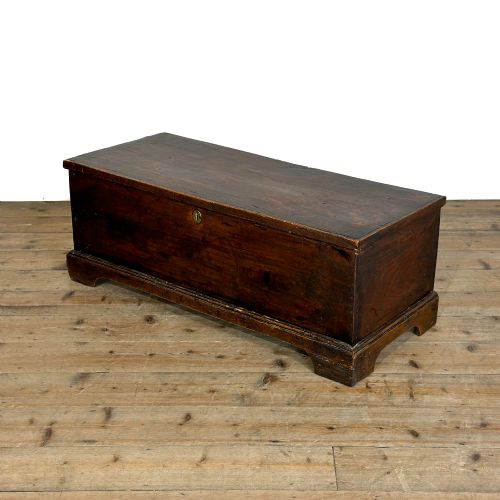
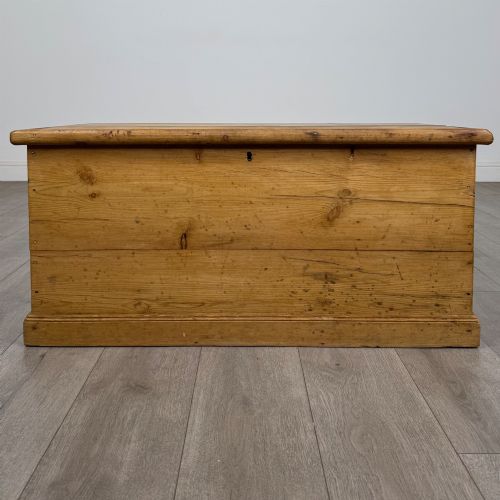
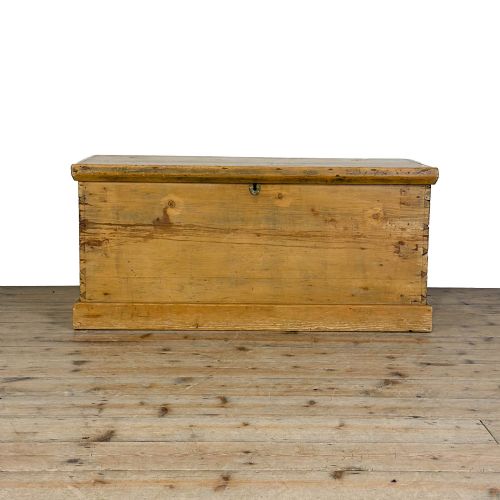
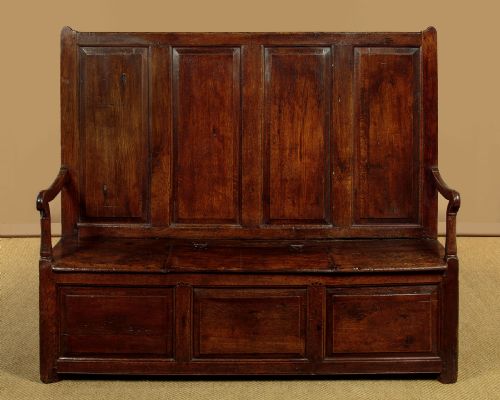
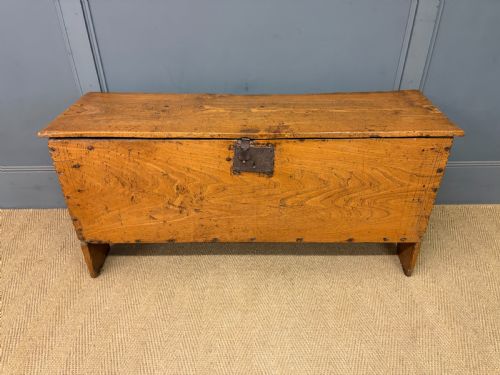
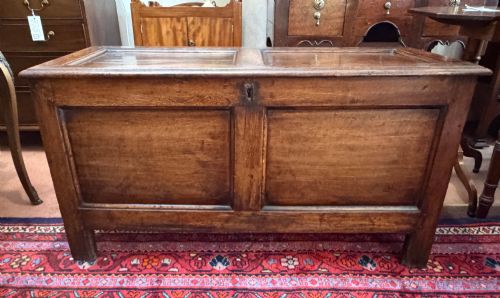
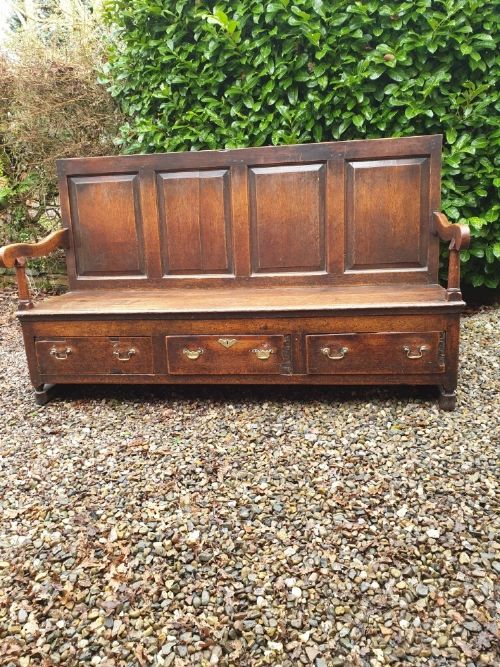
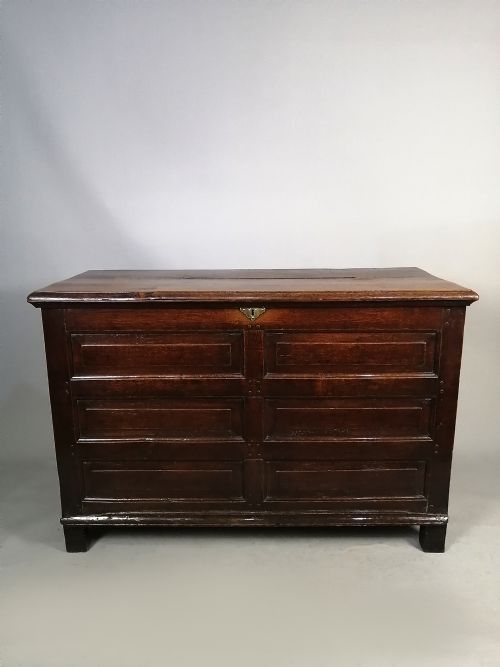
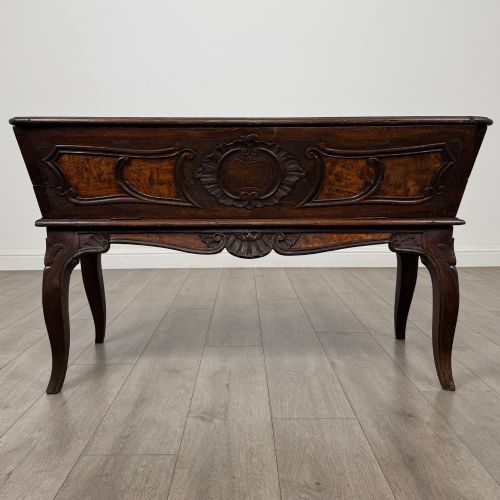
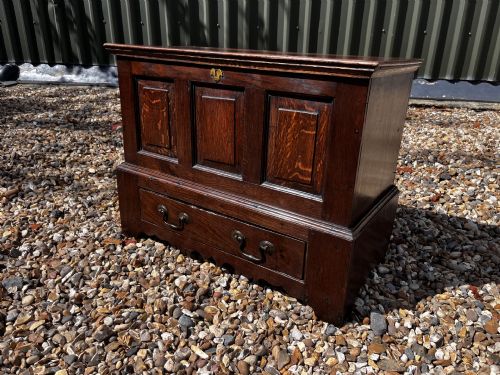
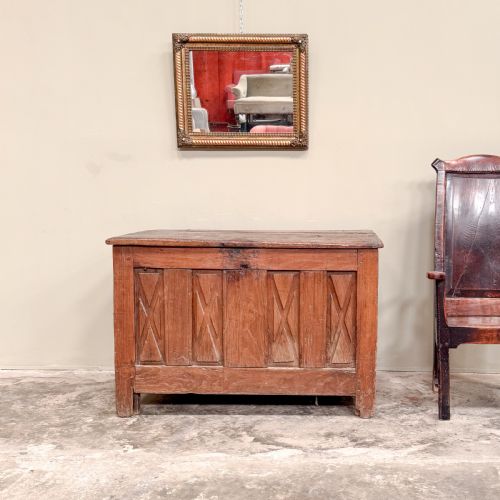
When searching for an antique country coffer, you are looking at sturdy wooden storage chests and blanket boxes made for everyday use in rural households. These pieces range from modest six-plank constructions to grand panelled oak coffers and mule chests fitted with lower drawers.
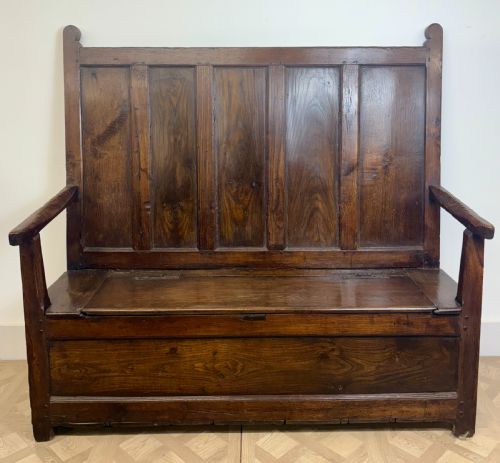
The versions you are most likely to meet on this page date from the seventeenth, eighteenth, and nineteenth centuries, reflecting vernacular woodworking traditions across Britain and Europe. Common regional forms include Welsh coffer bachs, box settles, and elm or pine blanket boxes built for domestic storage.
How They Were Made
Makers relied heavily on native timbers such as oak, elm, ash, and pine, selecting woods that grew locally and withstood decades of hard use. Carpenters joined structural members using traditional pegged mortise and tenon joints or simple overlapping planks secured with hand-wrought iron nails.
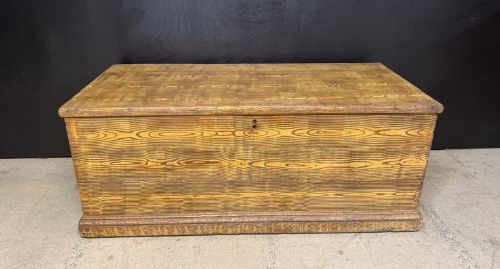
Surface treatments remained straightforward, often consisting of natural wax polish, historical oil finishes, or simple layers of early paint. Iron hinges, brass escutcheons, and blacksmith-made strapwork provided essential reinforcement while adding functional detail to lids and corners.
Listings span multiple centuries, ranging from seventeenth century joined oak examples to nineteenth century painted pine blanket boxes.
What Varies in Quality
Quality rests upon the integrity of the timber selection and the retention of original structural components like bases, lids, and hinges. Pieces retaining their early surface patination and untouched regional proportions stand far apart from heavily restored examples.
The sophistication of the joinery marks another distinction, moving from basic board construction to complex panelled frameworks carved with period motifs. Regional rarity, such as specific Welsh or West Country characteristics, further elevates the standing of an individual piece.
The Antique Country Coffer Glossary
- Coffer
- A large wooden chest traditionally used for storing valuables, linens, or documents. Early examples often feature heavy oak frames and boarded lids.
- Mule chest
- A storage chest featuring one or more drawers built into the base beneath the main compartment. This form bridges the gap between a standard coffer and a chest of drawers.
- Six-plank coffer
- A primitive storage box constructed from just six individual boards joined at the edges to form a simple rectangular chest. These represent some of the earliest surviving domestic furniture forms.
- Coffer bach
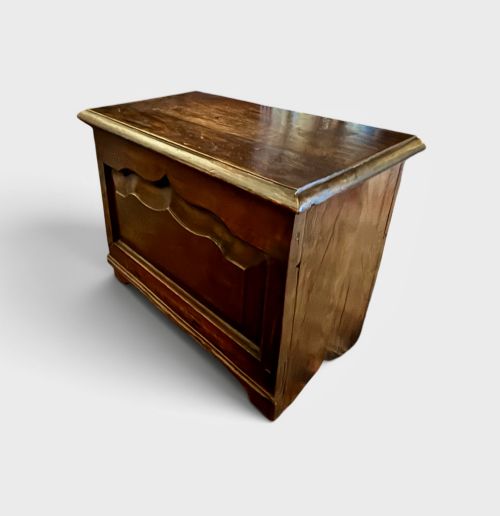
- A small Welsh tabletop or miniature coffer traditionally made as a love token or presentation piece. The Welsh translation literally means little coffer.
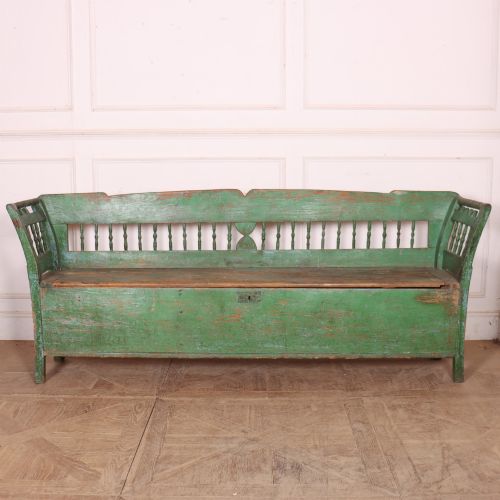
- Box settle
- A wooden bench featuring a high panelled back and a hinged seat concealing a storage compartment beneath. They were placed near hearths to block cold drafts in rural homes.
Antique Country Coffer: Frequently Asked Questions
What did people store inside an antique country coffer?
Households utilised these deep wooden chests primarily for storing heavy woolen blankets, household linens, and winter garments.
Over time, families also kept important family documents, Bibles, and dry foodstuffs safe within the secure lidded compartments.
How can I tell a seventeenth century coffer from a later one?
Seventeenth century pieces typically display pegged frame-and-panel construction utilising heavy native oak with hand-split boards. They often feature austere geometric or carved strapwork motifs directly tied to early vernacular building methods.
Later eighteenth and nineteenth century examples frequently introduce secondary timbers like pine or elm, simpler board joints, and integrated lower drawers found on mule chests.
Where should I place a coffer in a modern home?
A coffer functions exceptionally well at the foot of a bed or beneath a window as practical bedroom storage for spare bedding.
In an entrance hall, it provides a stable surface for bags while offering concealed space for boots and outdoor accessories.
What is the difference between a coffer and a blanket box?
A coffer is traditionally a heavier, older form built from solid oak with structural framing, often dating to the seventeenth or eighteenth century.
Blanket boxes generally refer to lighter nineteenth century storage trunks constructed from pine, elm, or painted softwood designed for domestic bedrooms.