


Renaissance Oak Trunk
A renaissance oak trunk is a heavy timber storage piece built to hold valuables, and you will mostly find sturdy coffers and revival chests here.
Renaissance Oak Trunk
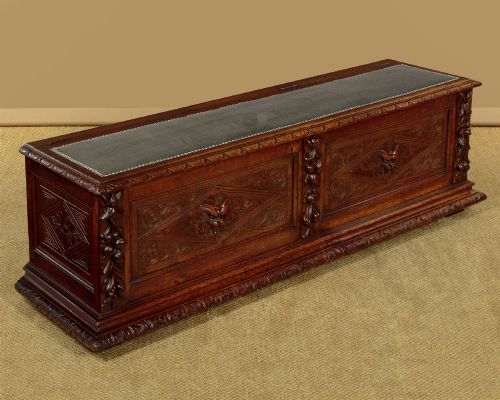
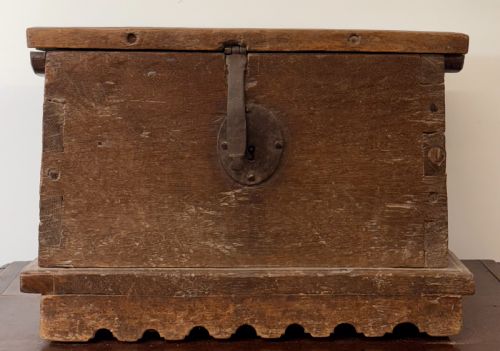
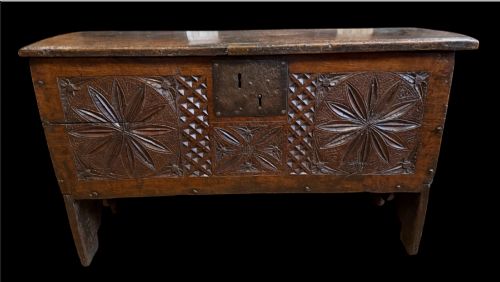
A renaissance oak trunk takes many forms across the selection here, appearing as plank coffers, marriage cassone chests, and heavy storage boxes. These items serve as traditional containers that double as benches or ottomans.
The periods span from the sixteenth century through the seventeenth century, alongside nineteenth century revival examples dating around eighteen ninety. Origin styles include Flemish, Spanish, and Italian designs alongside Tudor and Gothic influences.
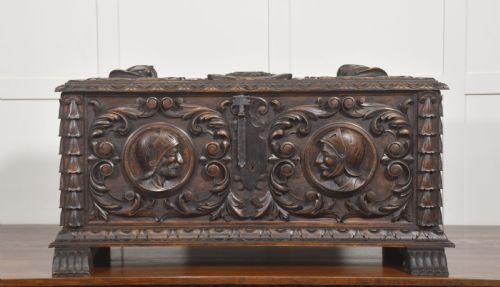
Most examples function as heavy coffers and chests rather than domestic luggage. You encounter carved panels, figural medallions, and iron bindings that distinguish these storage pieces from ordinary boxes.
How they were made
Makers built these pieces primarily from solid oak and walnut, selecting dense timbers for structural endurance. Artisans reinforced joints with wrought iron and brass hardware to secure heavy lids and sides.
Surfaces frequently display hand carving alongside leather accents, turning functional storage into ornamental furniture. Construction relies on heavy planking and mortise and tenon joinery typical of sixteenth century and revival workshops.
Listings feature pieces spanning the sixteenth century, seventeenth century, and nineteenth century. Materials recorded include oak, walnut, iron, wrought iron, leather, and brass.
What varies in quality
The distinction between ordinary storage and finer pieces rests on the depth and crispness of the hand carving, particularly around figural medallions and panel borders. Original iron bindings and authentic period hinges elevate a coffer above later nineteenth century revivals.
Timber selection dictates the overall presence, with tightly grained oak and walnut holding sharp detail through centuries of use. Pieces retaining their structural integrity without excessive timber replacement hold greater historical interest.
The Renaissance Oak Trunk Glossary
- Coffer
- A heavy wooden chest used for storing valuables and documents. These pieces often feature robust iron bindings and lid locks.
- Cassone
- An Italian marriage chest designed to hold a bride's trousseau. They frequently display elaborate carvings or figural medallions.
- Plank coffer
- A primitive chest constructed from thick boards joined at the edges. This form represents some of the earliest surviving storage boxes.
- Revival
- Furniture produced in later centuries, such as the nineteenth century, in the style of an earlier period. These pieces copy sixteenth century decorative motifs.
Renaissance Oak Trunk: Frequently Asked Questions
What is a renaissance oak trunk used for?
These pieces served historically as secure storage boxes for textiles, valuables, and important documents. Today, people utilise them as statement storage furniture or coffee tables in living spaces.
The sturdy construction allows the lids to double as bench seating or ottomans in traditional interiors. Their heavy timber build ensures they remain practical storage vessels.
How do I date a trunk?
Dating relies on examining the timber species, joinery methods, and the style of the hand carving. Sixteenth century pieces display different tool marks compared to nineteenth century revival items.
Hardware such as iron straps and hinges also provides clues to the era of manufacture. Comparing the construction details against documented period examples helps confirm the age.
Where were these chests made?
The selection includes pieces originating from various European regions including England, Italy, Spain, and Flanders. Regional workshops utilised local timber resources like oak and walnut.
Stylistic markers in the carvings often point directly to the country of origin. Flemish and Italian designs show distinct regional preferences in ornamentation.