


A 2026 Guide by Sellingantiques

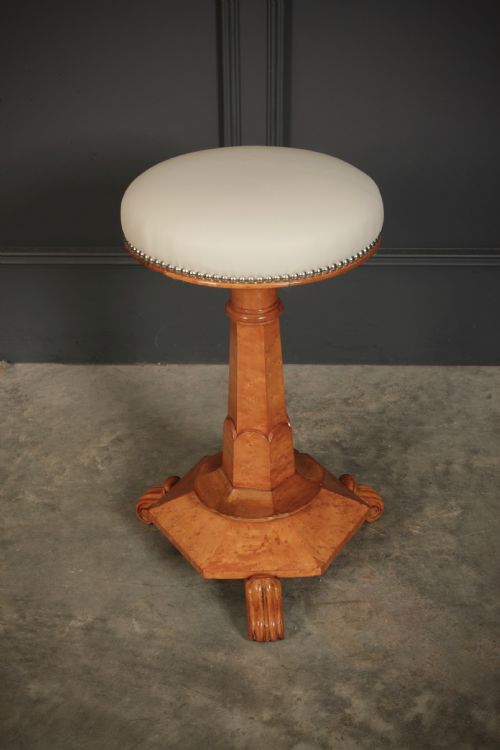
Antique Papier Mache and Mahogany Revolving Harpist Music Stool, 19th Century
Priced at £695 from Pareglio & Ayres Antiques Interiors
Pianos replaced harpsichords in the late eighteenth century. Players needed something higher and more flexible than a standard side chair.
Early adjustable models appeared around 1790.
Victorian drawing rooms made the piano a domestic centrepiece, driving massive demand for antique music stools.
Look for variations in mechanism across the nineteenth century, as makers patented different ways to raise and lower the padded top.
Most nineteenth-century pieces lack a maker's stamp. They were built by anonymous regional cabinetmakers supplying local instrument retailers.
H. Brooks & Co of London specialised in piano actions and stools during the mid-Victorian period.
American production saw large firms like Tonk Manufacturing Company dominate late nineteenth-century output.
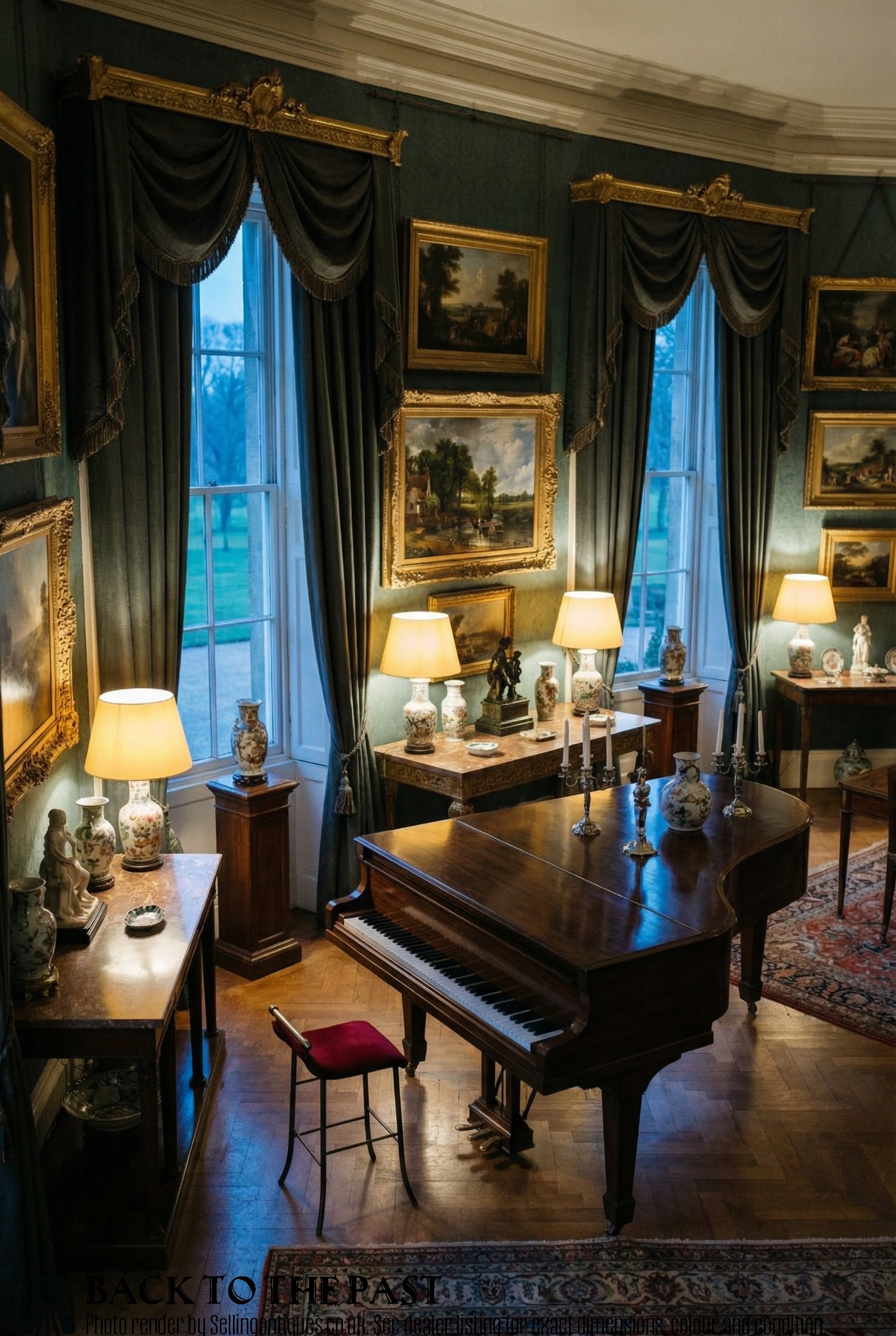
19th Century Brass and Steel Music Stool., 19th Century
Priced at £395 from John Hubbard Antiques
The 2026 retail price guide for Antique Music Stools is drawn from a proprietary archive of over 1.1 million retail prices indexed by Sellingantiques since 2003. This guide relies exclusively on their own internal data; no external sources or auction records are used.
Analysing nearly 25 years of UK antique market history alongside current retail values, the data indicates that typical UK retail prices for Antique Music Stools range between £300 and £1,100. Entry-level prices generally fall under £300 and premium examples upwards of £1,100.
Revolving tops allow the player to reach both ends of the keyboard easily.
Check the base for a tripod form. Three splayed legs give better stability on uneven floors than four.
A concealed storage compartment sometimes sits beneath the seat cushion to hold sheet music.
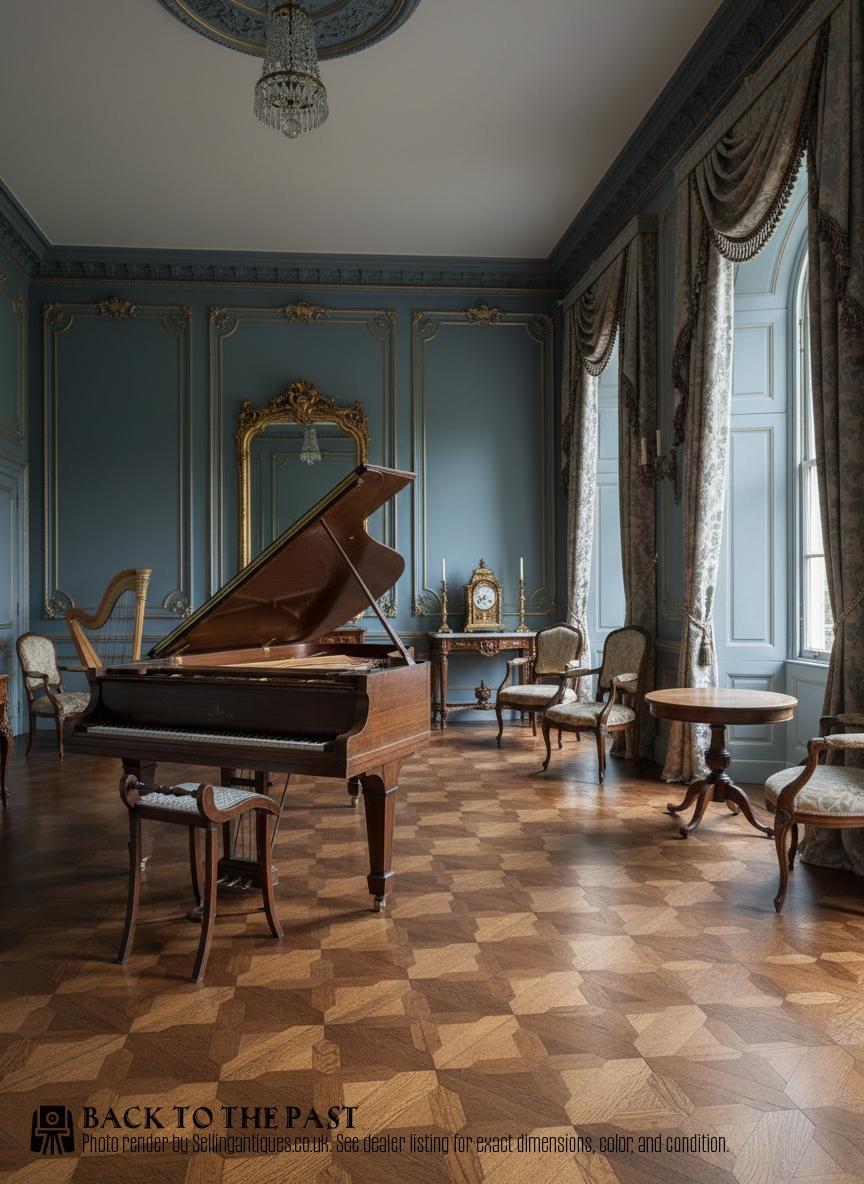
Unusual Antique Victorian Music Chair, 1880
Priced at £575 from London City Antiques
Early wooden threads were cut by hand using specialised lathes and chisels, requiring tight tolerances to prevent wobble.
Iron mechanisms eventually replaced wood because they wore down slower under constant rotation.
Turn the stool upside down to see the mortise and tenon joints connecting the legs to the central column.
"A well-cut wooden screw mechanism from the Regency period still operates smoother and quieter than modern metal equivalents."
"Duet stools were built extra wide to seat two players together for four-hand piano arrangements."
"The padding was often shaped with a slight dome to encourage correct playing posture."
Based on almost 25 years of Sellingantiques UK antique market data, Antique Music Stools appeared 449 times (out of 1,100,000 antiques) which gives it a rarity score of 91/100.
This score measures scarcity within the Sellingantiques archive only and is not a survey of the entire antiques market, so these statistics may not be indicative of the general availability of Antique Music Stools elsewhere.
It requires a specialist. A restorer will usually bore out the worn internal thread and insert a new hardwood sleeve.
Trying to pack out a worn thread with glue rarely holds up.
That depends on how badly the timber is chewed up. If the original screw holes are stripped, larger screws might split the narrow frame of the box.
A cabinetmaker will plug the old holes with wooden dowels and drill fresh pilot holes. This lets you use the correct gauge of screw and keeps the seat aligned with the base.
Dust the woodwork with a dry cloth. You can feed the timber with a clear microcrystalline wax once a year to protect the polish.
Keep the central screw free of heavy grease, which traps grit and wears the thread faster. Just rub a plain wax candle over the thread if it binds.
Base shape indicates style rather than a strict timeline. Tripod bases with revolving seats emerged in the late eighteenth century, but makers continued producing them well into the Edwardian era.
Box seats on four legs became popular later in the nineteenth century as sheet music ownership increased. Both types were sold side by side in Victorian catalogues.
Please note: This Antique Music Stools guide and its associated pricing data are provided for general informational purposes only. It does not constitute formal financial, investment, or appraisal advice and should not be relied upon as the sole basis for any commercial activity, purchasing, or sales decisions. Sellingantiques.co.uk accepts no liability for any actions taken in reliance on this information. Always consult with a qualified professional or independent appraiser.
