

Antique Metal Sculptures
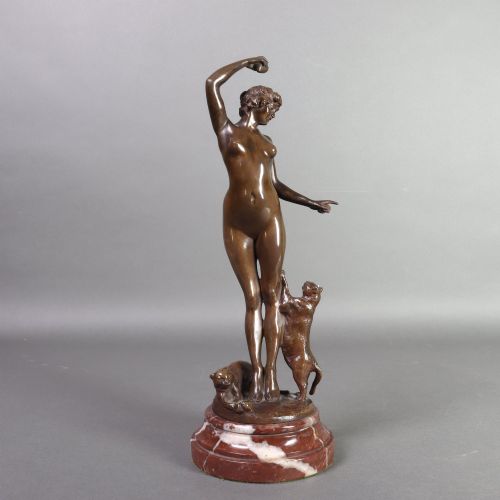
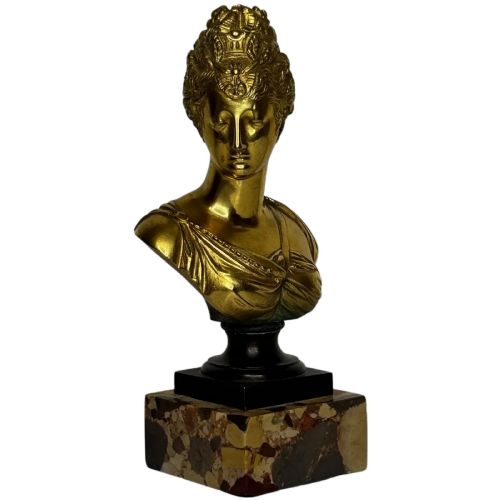
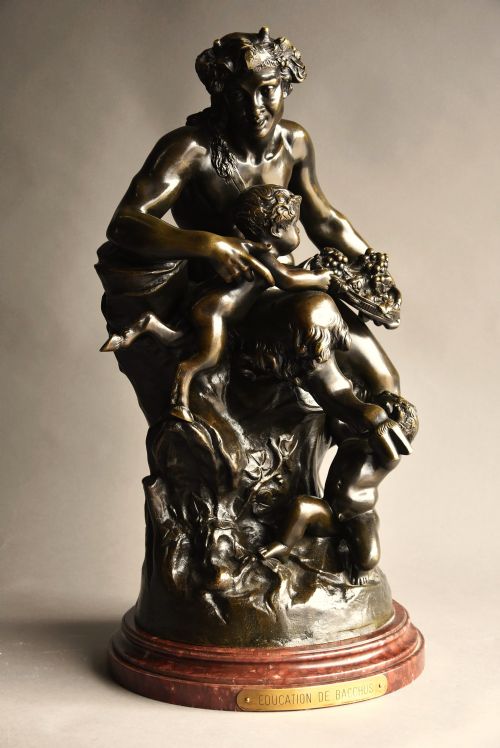
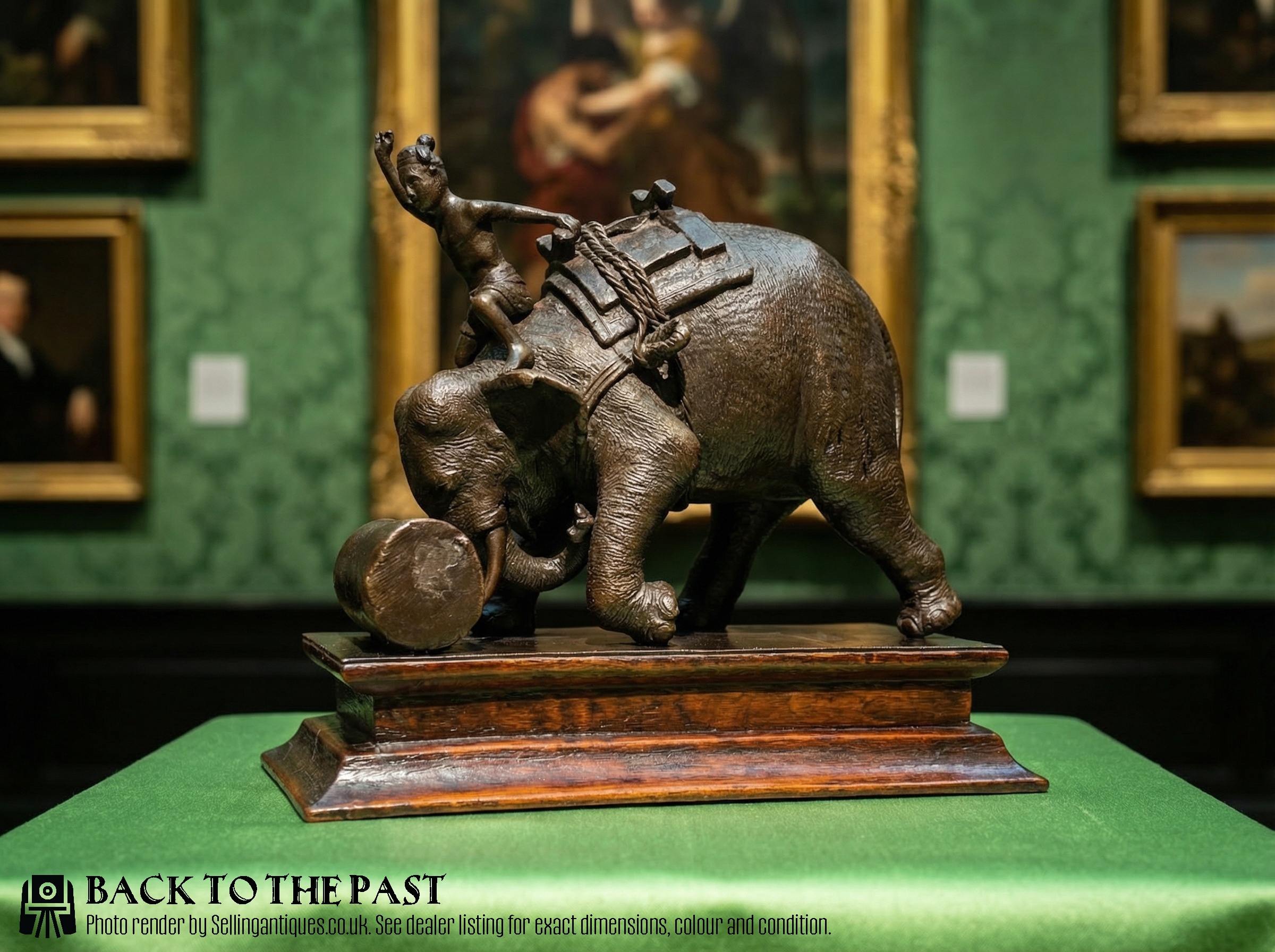
Free-standing cast metal figures and studies made for tables, desks and mantelpieces, mostly bronze animals, nudes and classical subjects, many of them on stone bases.
Antique Metal Sculptures
Bronze accounts for two-thirds of the titles in this category on Sellingantiques, and it's even more dominant in current stock. The rest is spread thin across spelter, cast iron, lead, brass, copper and silver-plated white metal, each in single figures. The commonest piece is a single bronze figure or animal, French or Continental, sitting on a marble, onyx or alabaster base.
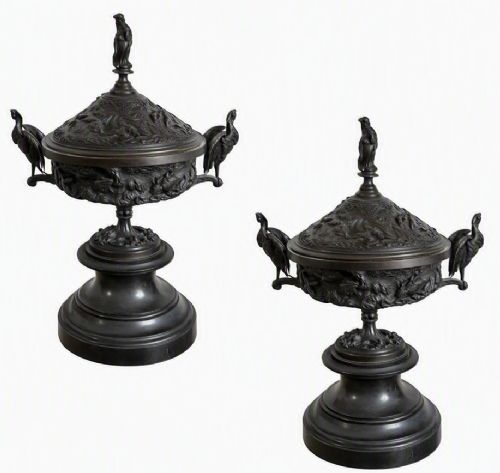
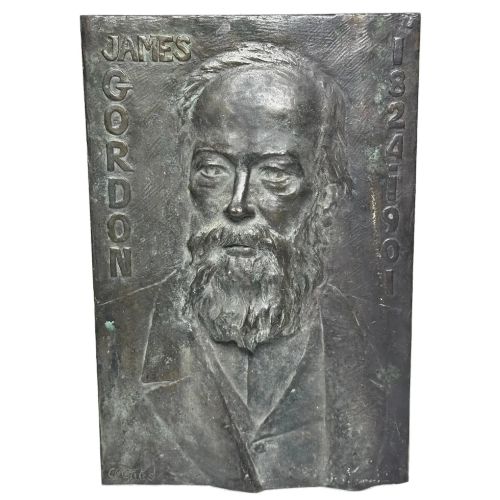
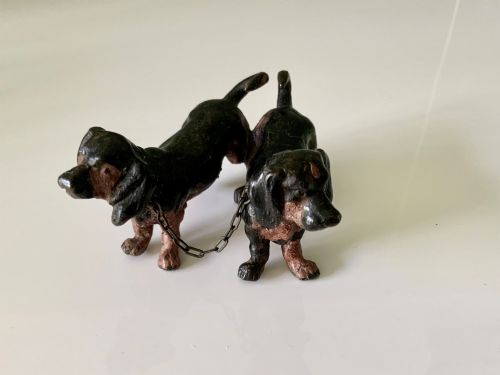
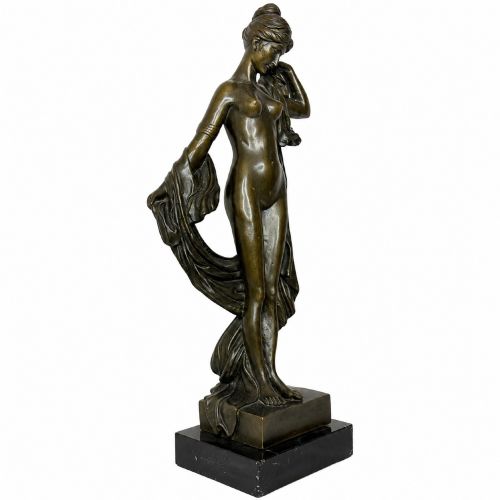
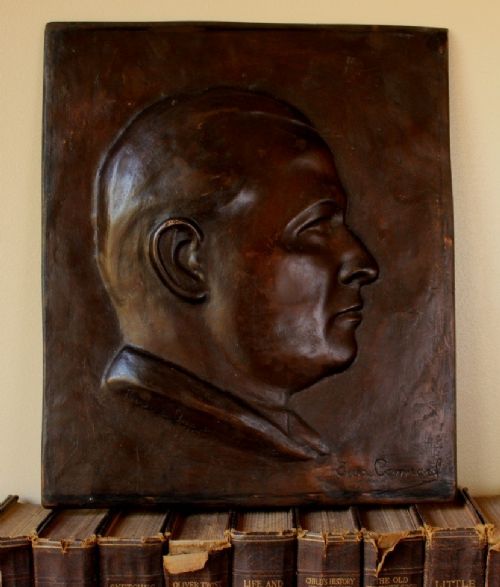
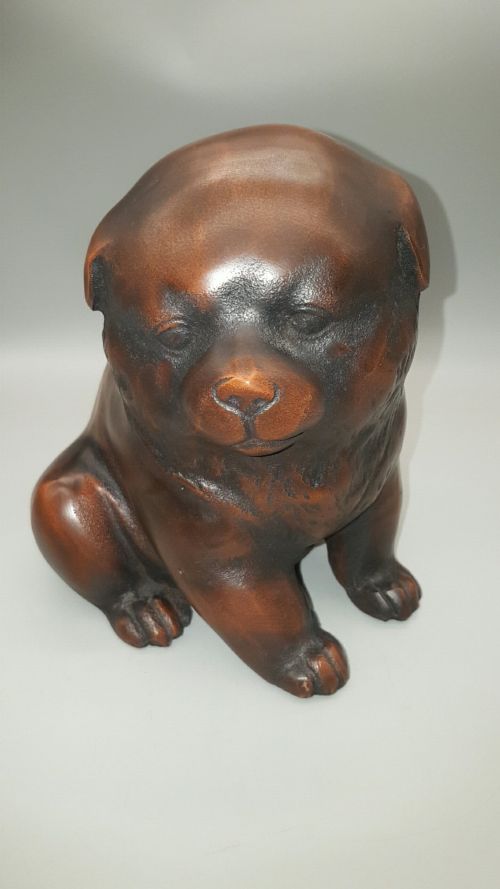
Animals lead the subjects. Dogs are named in the most titles, then horses and lions. Nudes, classical figures, busts, plaques and reliefs fill out the rest, and pairs make up about one title in eleven. Scale runs from desk paperweights and miniature cold-painted frogs up to a handful of life-size and garden-scale castings, including a bronze crocodile close to three metres.
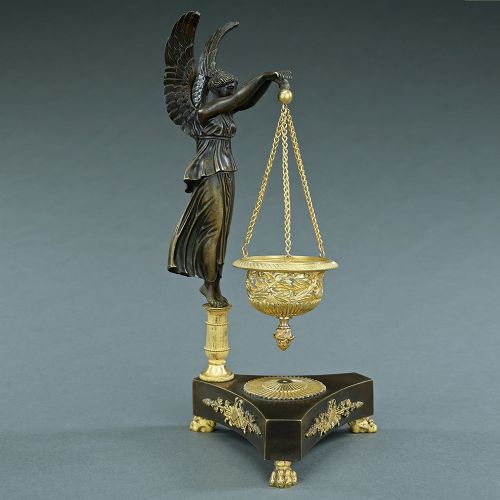
Five seams run through it. French and Continental figural bronzes and animaliers are the largest, roughly a third. Art Deco and Art Nouveau figures, a good number of them spelter, come next at about a fifth. Grand Tour souvenir reductions after antique statuary, Austrian cold-painted bronzes, and Asian and African figures make up the remainder.
Dating runs from 1800 to 1960, though the commonest single entry dealers give is not a decade but plain '19th Century', on nearly a hundred listings. Where decades are stated the 1930s dominate, followed by the 1900s and 1920s. A scatter of Asian and European pieces sits outside that span, dated to the 17th century and earlier.

The Range
Authorship does most of the work. At the top of the range a title carries a sculptor's name, a signature, or a foundry attribution; at the bottom it reads 'Bronze lion sculpture' or 'Small Bronze Figure' and nothing more. Signed is stated in only a small number of titles, so an anonymous cast is the normal case rather than the exception. 'After' tells you the model came from another hand.
Metal separates the middle from the lower end. Bronze sits above spelter, and the spelter titles cluster low and mid-range. Scale pushes the same way: miniatures and paperweights sit at the bottom, while life-size and garden-scale castings sit at the very top, well clear of table pieces of the same subject.
Two other things lift a piece. Pairs and groups sit above comparable singles, and the archive shows this repeatedly with lions, temple lions and garden putti. Original stone or hardstone mounting counts as well, with marble named in a fair number of titles, some described as original plinths.
Antique Metal Sculptures Retail Price Guide 2026
Typical UK retail prices for metal sculptures, calculated from the Sellingantiques database of over a million retail prices indexed since 2003. This retail price guide relies exclusively on Sellingantiques data; no external sources or auction records are used, so the figures do not describe the wider market.
One blue-moon entry in the archive: a single bronze nostril, salvaged from an equestrian statue.
Barbedienne
The Antique Metal Sculptures Glossary
- Spelter
- A zinc alloy used for cast figures, usually bronzed or painted over. It's named outright in twenty-five titles, and it sits below bronze in the range.
- Cold painted
- Unfired colour applied to a finished bronze, associated with Vienna and Austrian work. Seventeen titles use the phrase, often on birds, dogs, inkwells and pin cushions.
- After
- The cast was taken from or copies another sculptor's model rather than coming from that hand. Sixteen titles use it, and it's the standard wording for reductions of famous originals.
- Grand Tour
- A souvenir reduction after a famous antique statue or vase. Twenty-five titles, returning again and again to the Warwick Vase, the Dying Gaul, Spinario, the Marly Horses and the Venus de Milo.
- Animalier
- A sculptor who specialised in animal subjects, and by extension the sculpture itself. It turns up throughout the French and Continental bronzes.
- Okimono
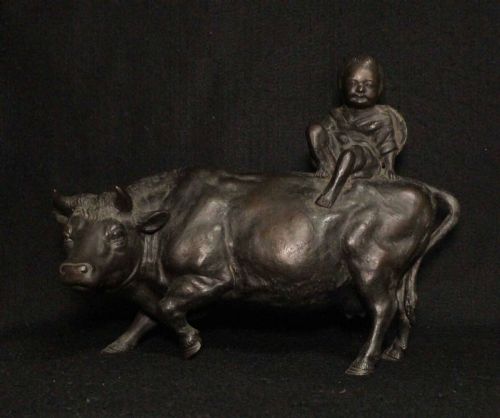
- Japanese term for a free-standing decorative ornament, used in Meiji bronze titles alongside vases and other cast pieces.
Antique Metal Sculptures: Frequently Asked Questions
What metal are most of these made from?
Bronze, by a wide margin. It accounts for 237 of the 352 titles, and it's more dominant still in current stock.
Everything else is a minority. Spelter is named in twenty-five titles, and cast iron, lead, brass, copper, aluminium and silver-plated white metal each appear in single figures.
How old are antique metal sculptures usually?
The dealers' own dating runs from 1800 to 1960, with 192 listings carrying a clean year. Nearly a third of the category is dated only to a century, most often as '19th Century'.
Where decades are given, the 1930s come first, then the 1900s and the 1920s. A few sampled Javanese and Jain figures are dated to the 12th to 16th centuries, sitting well outside the main span.
Which subjects come up most often?
Animals. Dogs are the single commonest named subject, ahead of horses and lions.
After that come nudes and classical figures, busts, and groups. Plaques and reliefs appear as flat cast panels rather than figures in the round, and car mascots are a recurring sub-type.
About one title in eleven is a pair.
Does spelter mean a lesser piece?
Spelter is a cheaper zinc alloy, usually bronzed or painted to read as bronze. The twenty-five titles that name it cluster in the lower and middle of the range.
It's tied closely to the Art Deco and Art Nouveau seam, often with onyx or alabaster bases.
What is a Grand Tour bronze?
A souvenir reduction after a famous antique statue or vase, made for travellers. Twenty-five titles fall into this seam.
The same handful of originals comes round repeatedly: the Warwick Vase, the Dying Gaul, Spinario, the Marly Horses and the Venus de Milo.
How many are listed on Sellingantiques each year?
Around thirty-nine a year, and 129 separate dealers have handled them.
That spread matters. It's a category almost any general dealer touches rather than the preserve of sculpture specialists, which is why the descriptions and the dating vary so much from listing to listing.