


A 2026 Guide by Sellingantiques
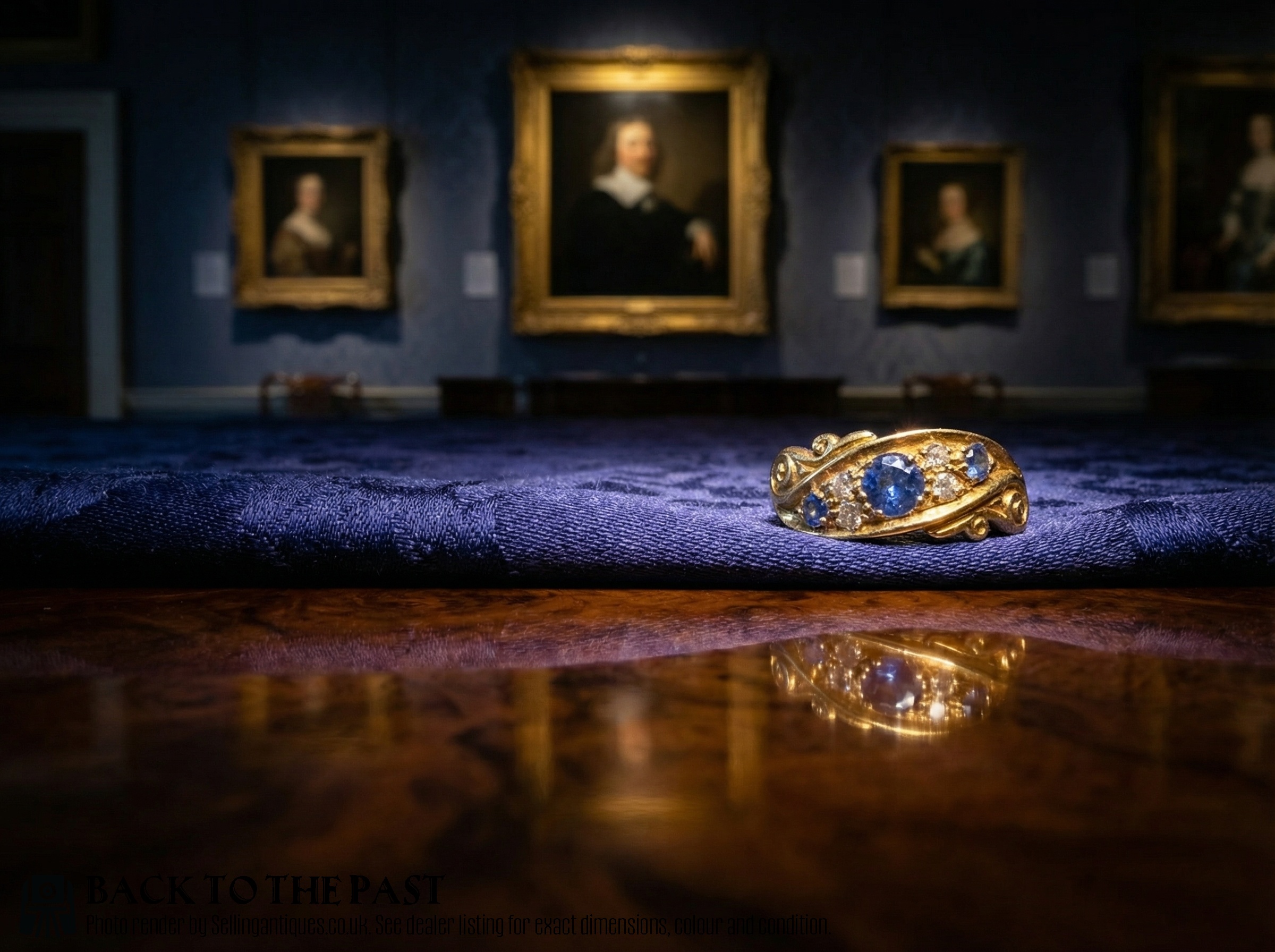
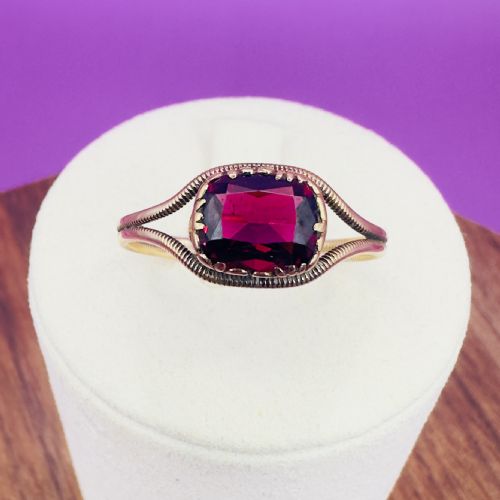
Fine Edwardian 18ct Gold Saphire & Diamond Ring, Edwardian
Priced at £425 from Abersoch Antiques
Romans used iron for everyday wear and gold for public occasions.
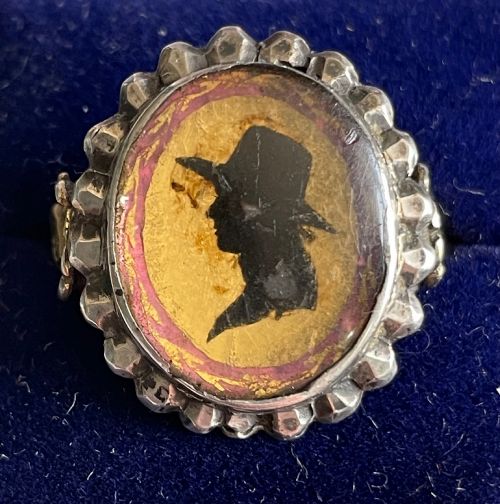
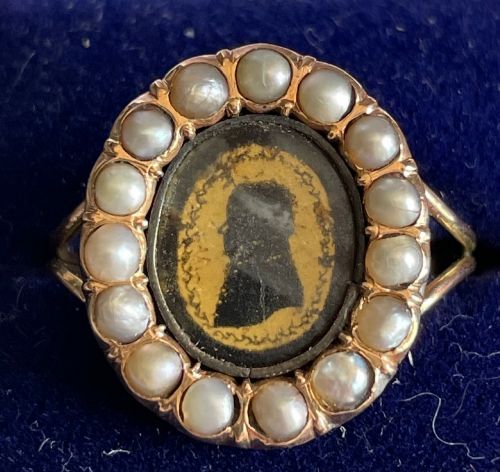
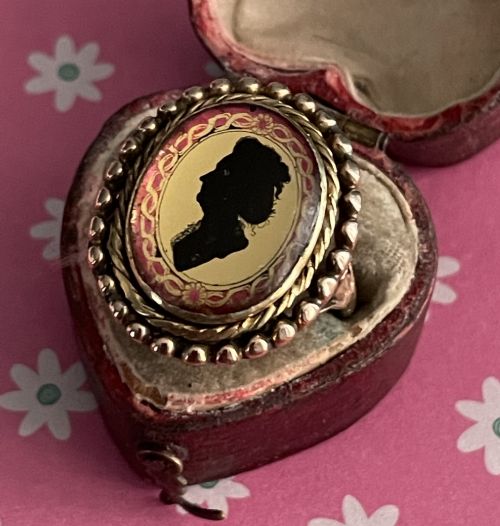
Georgian examples often feature closed-back settings to improve reflection under candlelight.
Look at the Victorian period for a shift towards sentimental motifs like snakes and hands.
Edwardian jewellers favoured platinum mounts, allowing them to create delicate lace-like structures.
Mourning rings grew popular after Prince Albert died, often incorporating black enamel or woven hair.
Castellani worked in Rome during the nineteenth century, reviving ancient Etruscan granulation techniques.
Peter Carl Fabergé produced intricate enamel and stone-set rings in Russia before the revolution.
René Lalique pushed the boundaries of Art Nouveau ring design using glass and horn alongside gold.
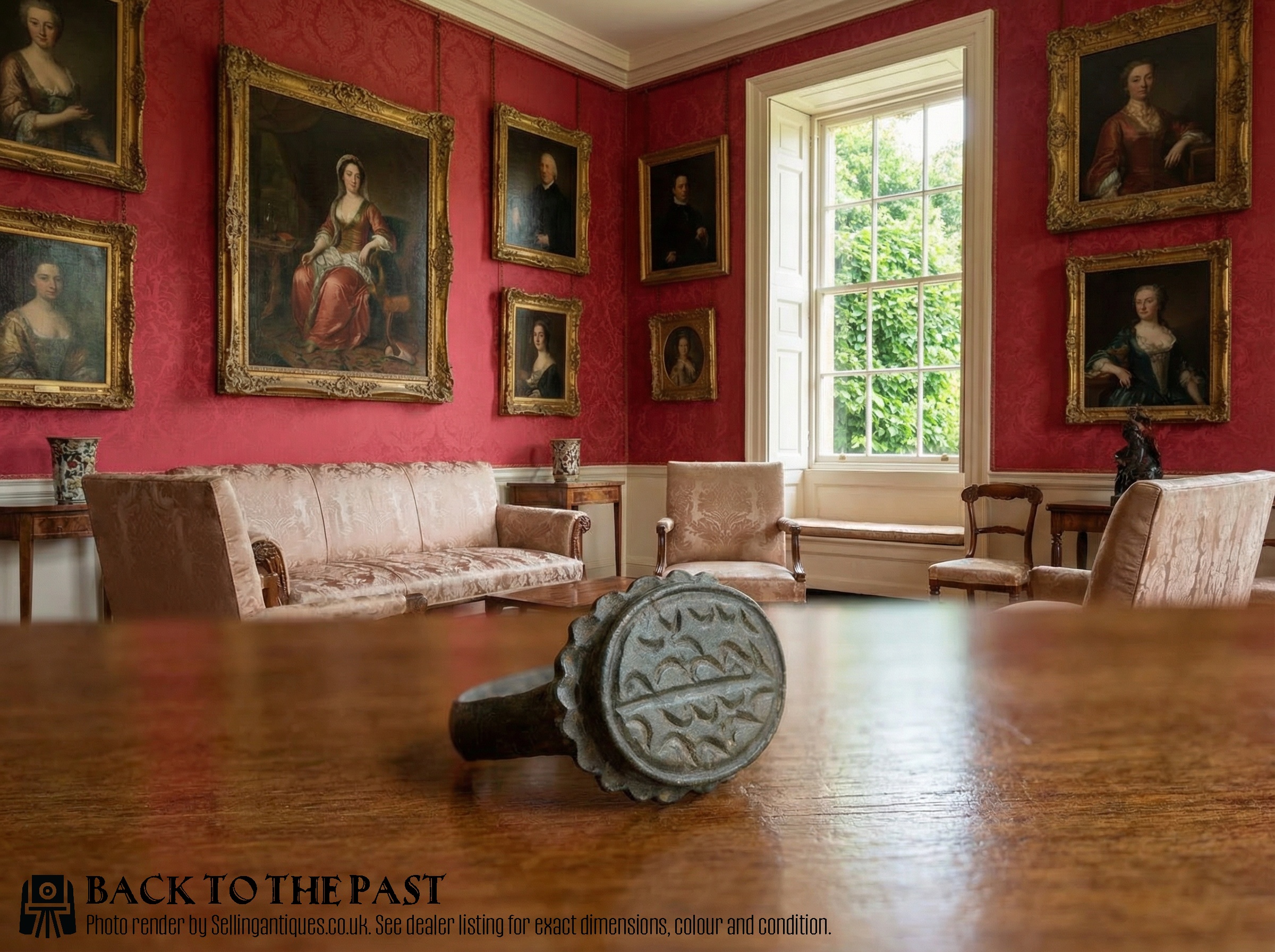
Late Medieval Bronze Signet Ring with Waves, 1700
Priced at £375 from Robert Harris Jewellers
The 2026 retail price guide for Antique Rings is drawn from a proprietary archive of over 1.1 million retail prices indexed by Sellingantiques since 2003. This guide relies exclusively on their own internal data; no external sources or auction records are used.
Analysing nearly 25 years of UK antique market history alongside current retail values, the data indicates that typical UK retail prices for Antique Rings range between £400 and £4,500. Entry-level prices generally fall under £400 and premium examples upwards of £4,500.
Settings hold the stones in place with tiny claws, rubbed-over bezels or cut-down collets.
Shoulders connect the central setting to the main band, sometimes carved or set with smaller accents.
The shank is the band that goes around the finger, which often thins out at the back from wear.
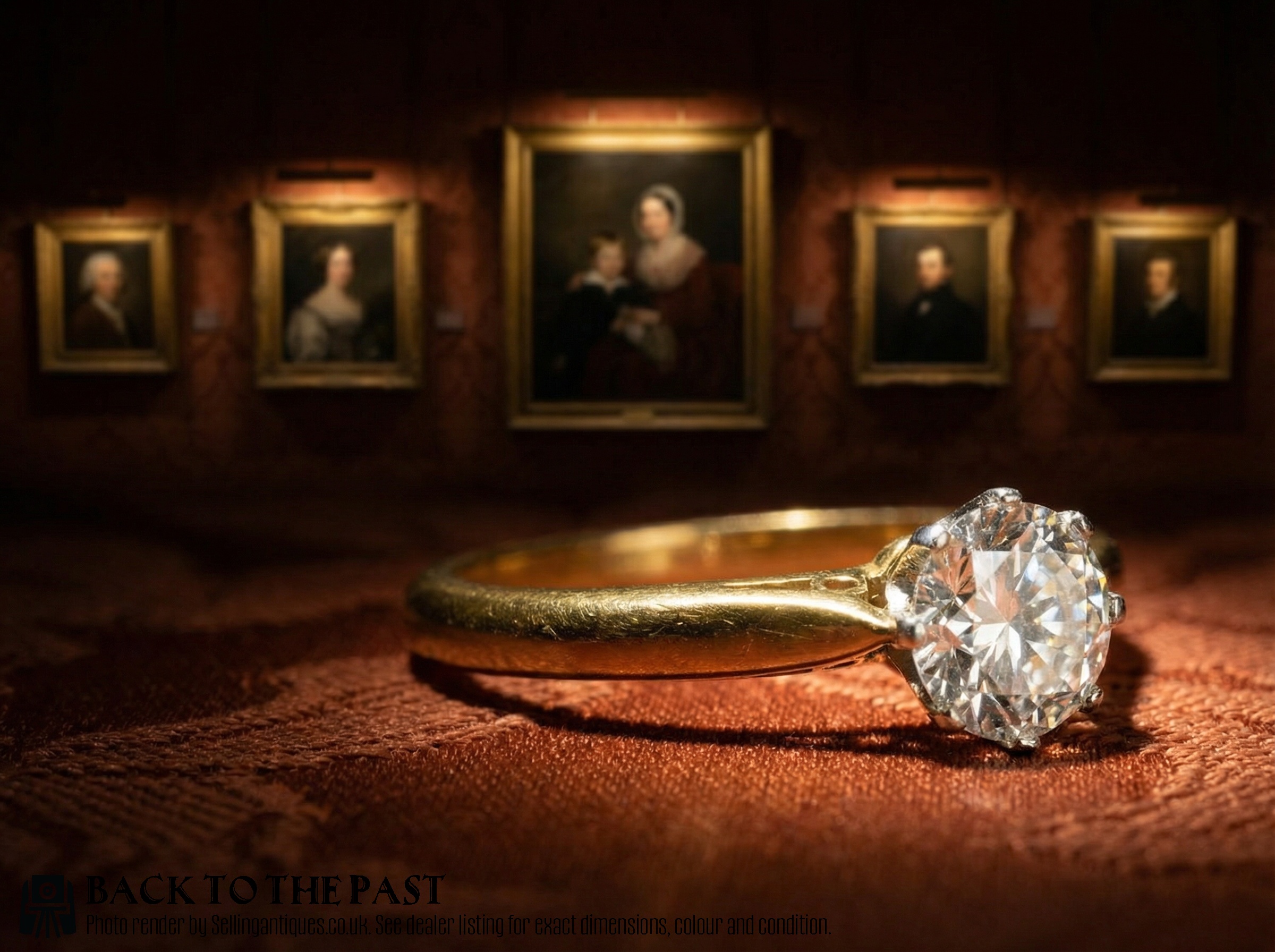
Certified 0.76ct F Colour Vvs2 Solitaire Diamond and Platinum/18ct Yellow Gold Engagement Ring, 1940
Priced at £3,650 from CJ Antiques
Early makers carved designs directly into the metal using sharp burins for signet or posy rings.
Jewellers began employing the lost-wax casting method for complex Art Nouveau forms.
Piercing work involves drilling tiny holes and sawing out patterns by hand with a fine blade.
"Posy bands hide secret poems engraved on the inside surface just for the wearer."
"Acrostic rings spell out romantic words using the first letter of each gemstone set across the top."
"Some Georgian pieces feature tiny compartments under the bezel designed to hold a lock of hair."
Based on almost 25 years of Sellingantiques UK antique market data, Antique Rings appeared 25785 times (out of 1,100,000 antiques) which gives it a rarity score of 1/100.
This score measures scarcity within the Sellingantiques archive only and is not a survey of the entire antiques market, so these statistics may not be indicative of the general availability of Antique Rings elsewhere.
Most Georgian rings have closed-back settings and continuous foil backing. Applying heat to the band can scorch the foil or crack the older stones.
A laser welder is the best approach for sizing them. It pinpoints the heat, keeping the fragile front sections cool. Even then, heavily patterned shanks might lose their original design if altered too much.
Diamonds themselves are hard enough for daily wear. The issue is usually the mount holding them.
Old claws wear down and silver settings are softer than modern alloys. You should take them off for washing up, gardening, or heavy work to protect the metalwork.
Gemstone cuts act as a rough timeline. A rose cut with a flat base and faceted dome points towards the seventeenth or eighteenth centuries.
Step cuts with fewer, broader facets are typical of the Art Deco era. Jewellers cut stones by hand before the late nineteenth century, so older gems show slight irregularities and less precise symmetry than modern laser-cut equivalents.
Those tiny marks are hallmarks. They act as a historical record of where and when the piece was assayed. An anchor is the town mark for Birmingham.
The letters indicate the specific year the metal was tested. A date letter changes annually, shifting font and shield shape. These stamps help pin down the exact decade of manufacture, provided they have not worn away.
Please note: This Antique Rings guide and its associated pricing data are provided for general informational purposes only. It does not constitute formal financial, investment, or appraisal advice and should not be relied upon as the sole basis for any commercial activity, purchasing, or sales decisions. Sellingantiques.co.uk accepts no liability for any actions taken in reliance on this information. Always consult with a qualified professional or independent appraiser.
