
Antique Engagement Rings
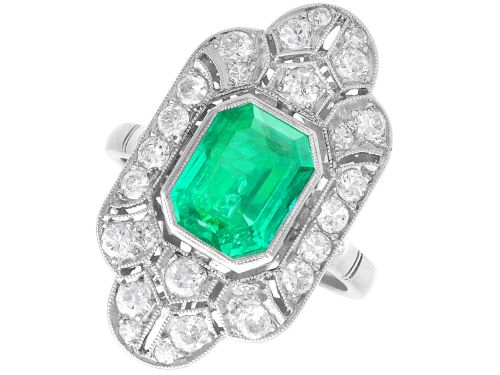
Second-hand and antique finger rings sold to mark a betrothal, nearly all of them diamond-set, and most often a single old-cut stone raised in gold or platinum.
Antique Engagement Rings
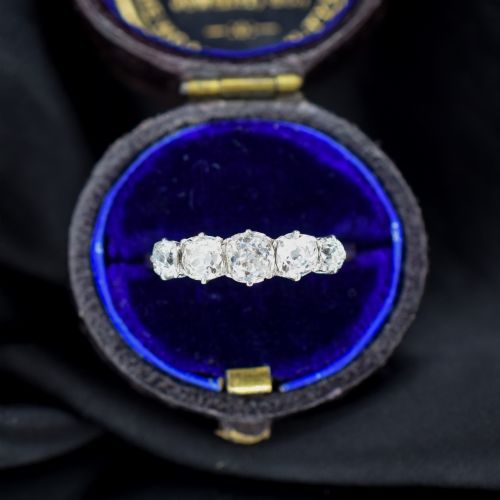
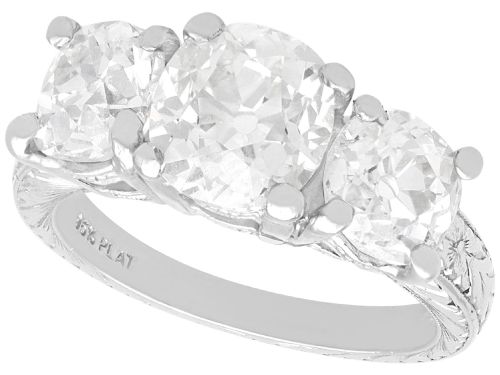
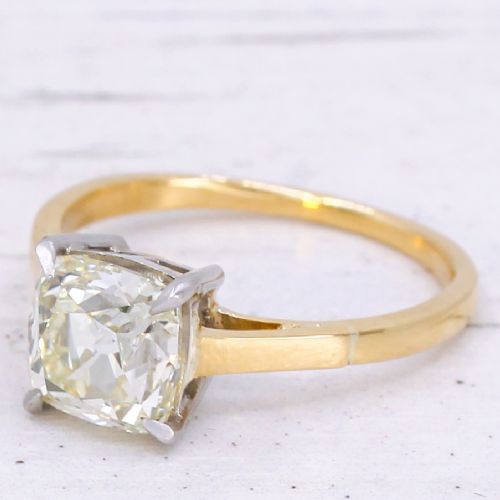
Diamonds dominate. Of 1,730 recorded listings on Sellingantiques, 1,670 name a diamond in the title, and 986 go further and name the cut. Physically the category splits three ways: single-stone solitaires, small rows of two, three or five stones, and clusters built round a centre stone.
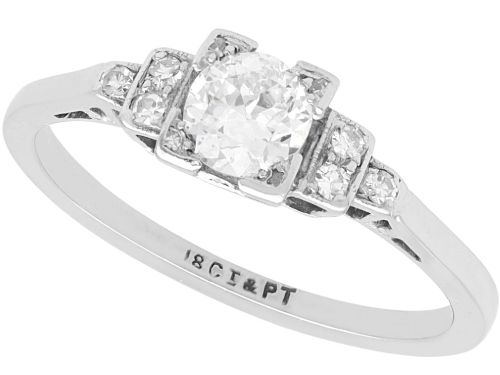
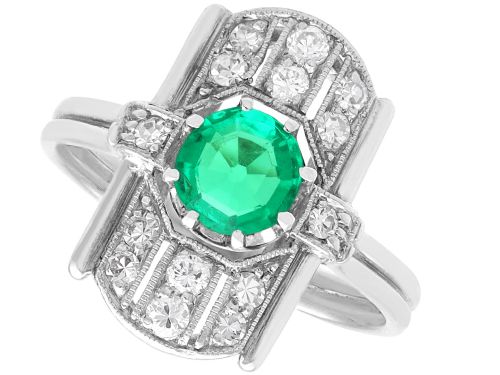
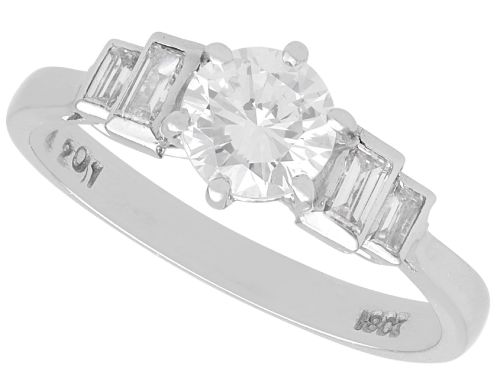
The form you'll meet most is a single old-cut diamond in a gold or platinum mount, described as Art Deco. That label sits in 836 titles, close to half of everything listed. The 1930s and 1920s together account for over half the dated rings, so the interwar mount is the category's centre of gravity.
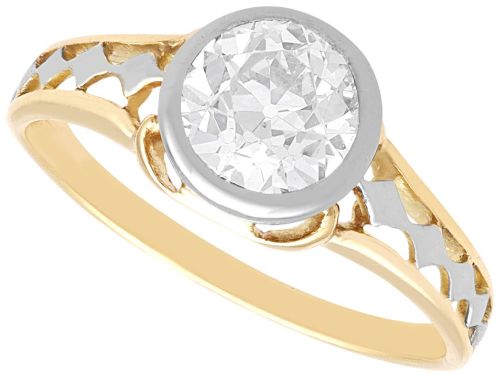
Metals run 18ct gold in 497 titles and platinum in 336, and a good many titles name both together, which usually means a gold shank with a platinum-set head. Weight is documented more often than in most jewellery: 895 titles quote a carat figure outright, from a tenth of a carat up into the four-carat range.
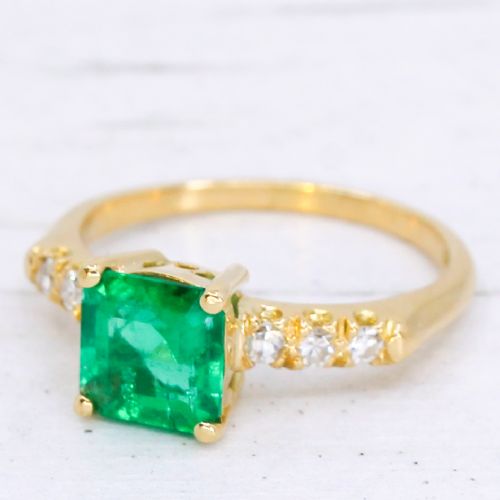
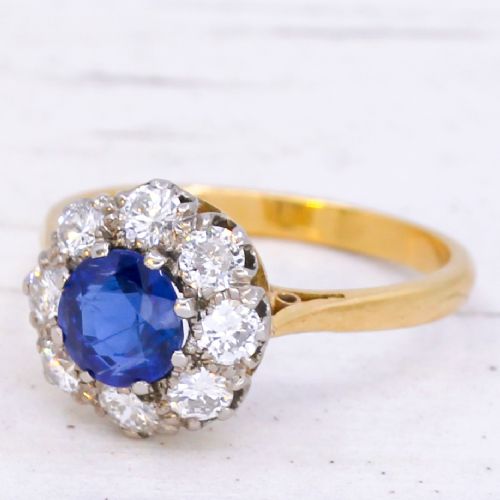
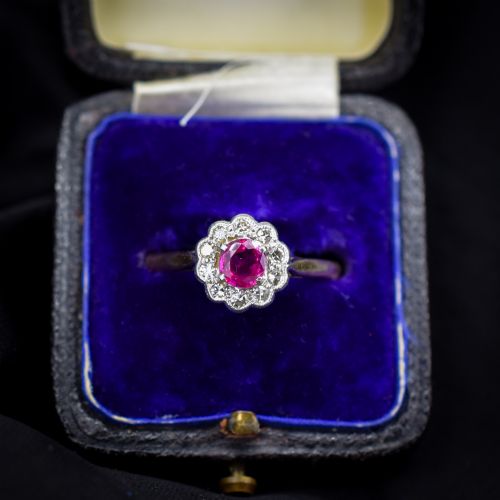
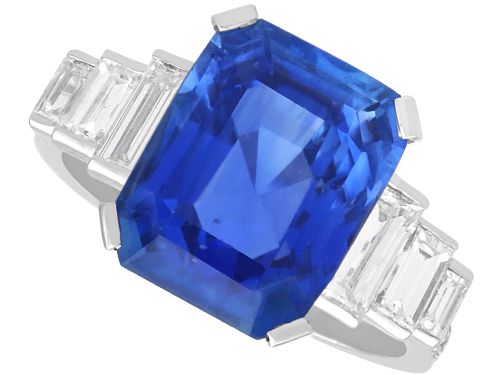
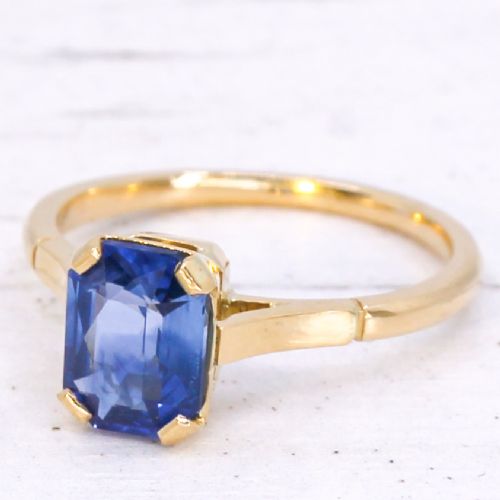
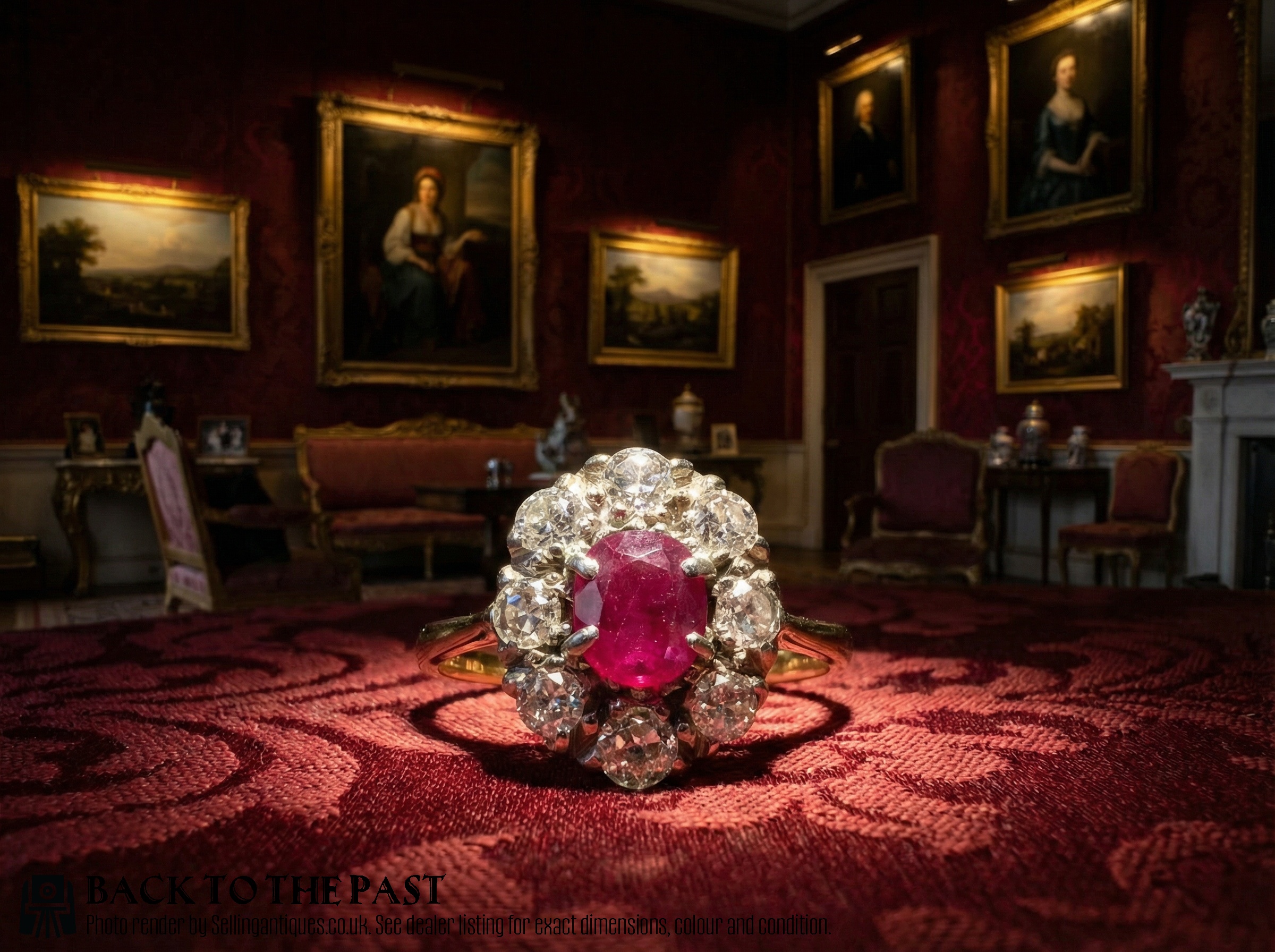
Coloured stones turn up more widely than the diamond emphasis suggests, sapphire in 237 titles, then ruby, emerald, pearl and opal. Beyond the interwar block sit mid-century rings from the 1940s to 1960s, with transitional and brilliant cuts. Decade buckets are the dealer's own shorthand, and the circa date in the title is worth reading alongside them.
Top And Bottom
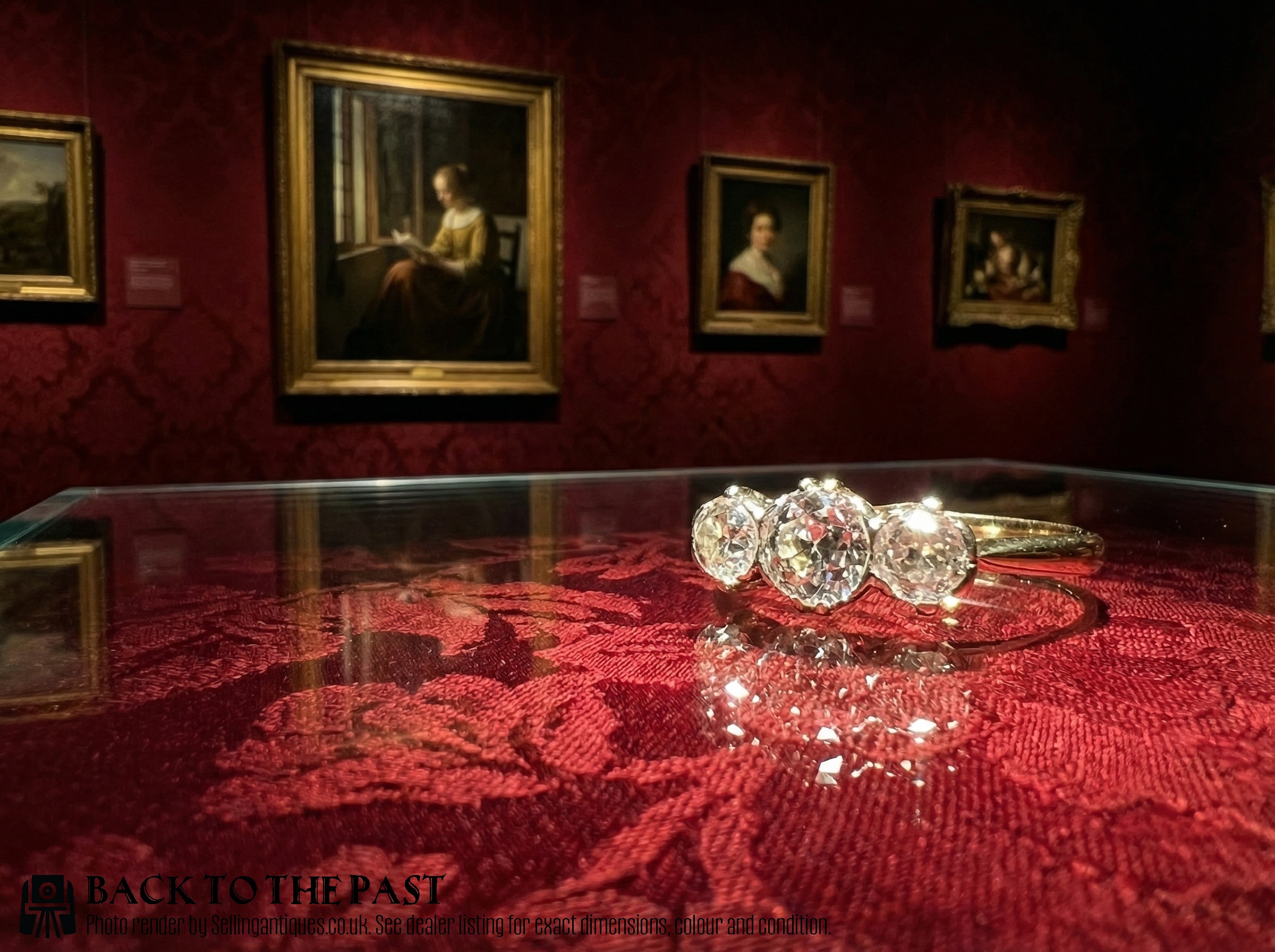
Stated weight does most of the work. Quoted carats climb steadily through the price-ordered range, from a tenth to a quarter of a carat at the bottom to two, three and four carats at the top. A named cut moves in the same direction: the upper listings specify old European, old mine, old cushion, old pear, marquise or transitional, rather than leaving it at "diamond ring".
Metal sorts the range too. 9ct appears only among the lowest listings, while platinum and 18ct hold the middle and upper reaches. Above that, the language changes rather than the object: stated origins such as Ceylon, Burmese, Mogok, Kashmir, Colombian and Padparadscha, with unheated or minor-oil noted, and "natural" in 65 titles overall.
Documentation and colour mark the top. GIA and gem lab reports, and colour and clarity grades of the F VVS2 or E VS1 sort, appear only in the higher listings. So do named fancy colours, yellow, brownish pink, light brown, orangey brown and champagne. The heaviest stones recorded are coloured rather than white, led by a Ceylon sapphire well above fifteen carats.
Antique Engagement Rings Retail Price Guide 2026
Typical UK retail prices for engagement rings, calculated from the Sellingantiques database of over a million retail prices indexed since 2003. This retail price guide relies exclusively on Sellingantiques data; no external sources or auction records are used, so the figures do not describe the wider market.
Carat comes from the Greek keration, the carob seed, once used on the scales as a small steady counterweight for gemstones.
The Antique Engagement Rings Glossary
- Old cut
- A hand-finished diamond cut of the pre-modern era, and the commonest cut named in this category, with 937 titles carrying the phrase "cut diamond".
- Solitaire
- One stone alone in the mount, named in 212 titles, against 293 for cluster and 83 for trilogy.
- Cluster
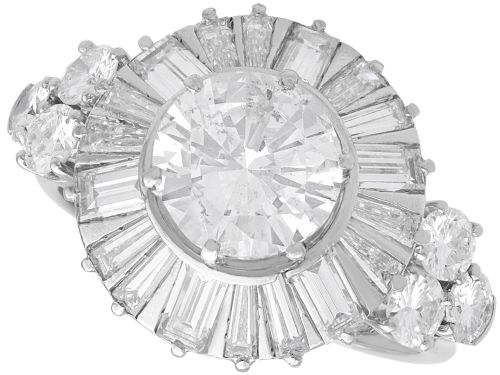
- A centre stone ringed by smaller ones, appearing in 293 titles, with daisy, target, halo, panel and coronet as sub-shapes.
- Gold and platinum
- A gold shank with a platinum-set top, named as both metals in 70 titles; 18ct alone leads the field at 497.
- Toi et moi
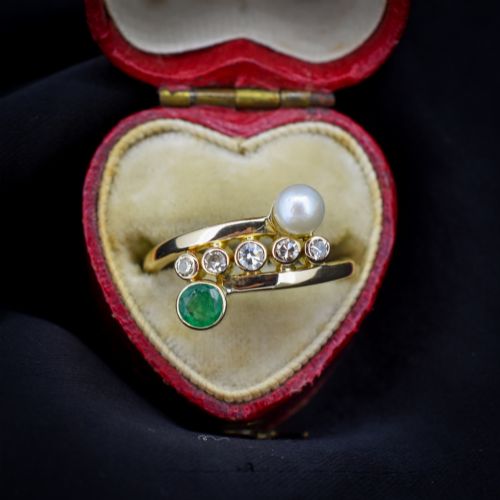
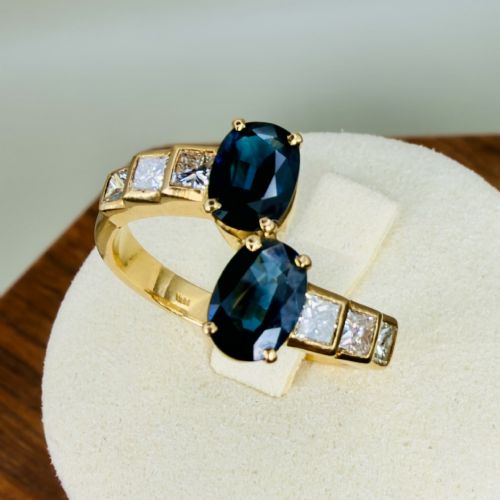
- A two-stone crossover or twist, the two heads meeting on the shank. It recurs across Edwardian and Art Deco listings.
- Illusion, gypsy and rubover
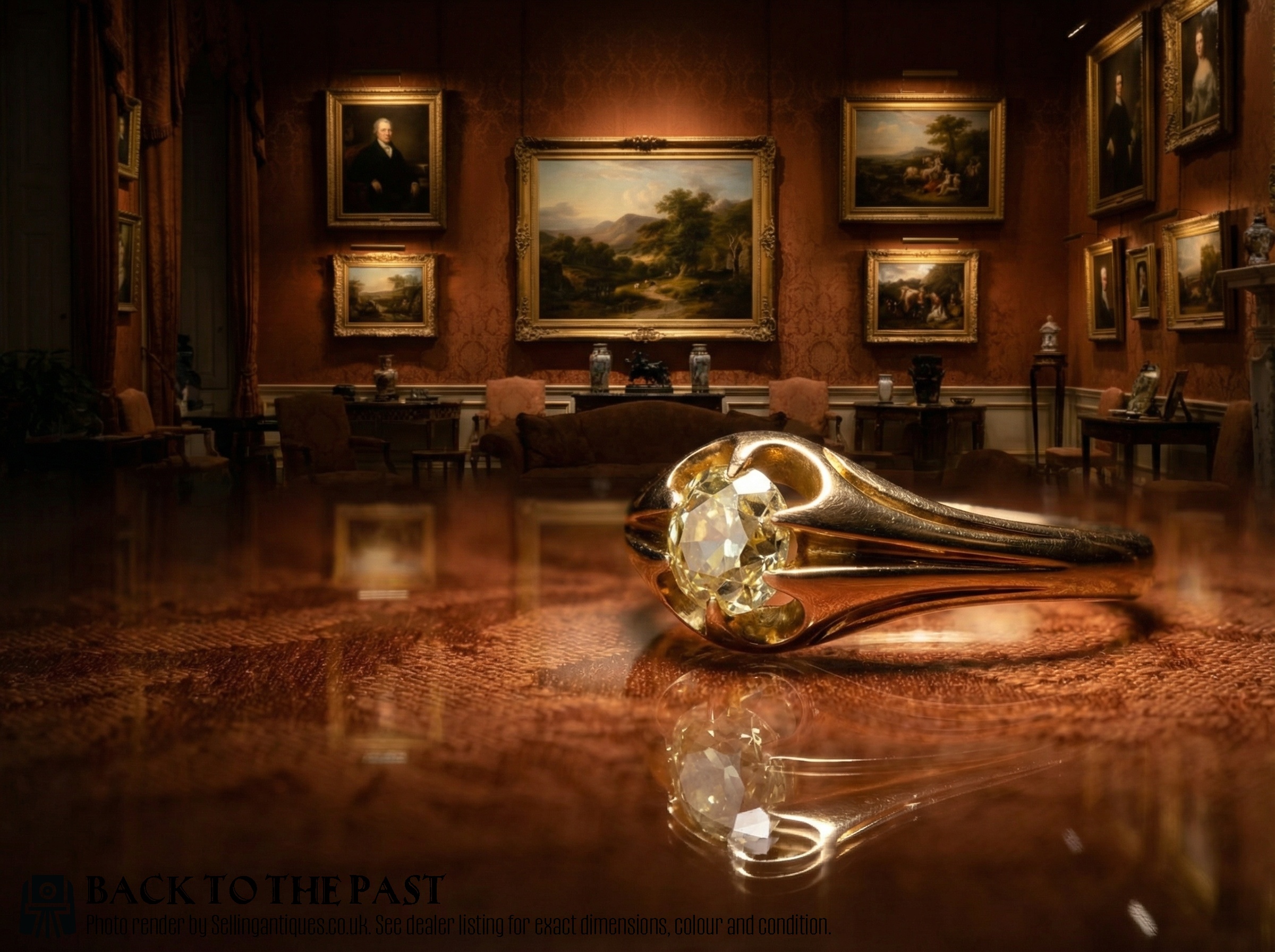
- Three settings named throughout: a metal collar that makes the stone look larger, a stone sunk flush into the shank, and a plain metal rim over the girdle.
Antique Engagement Rings: Frequently Asked Questions
Which period do most of these rings come from?
The interwar decades carry the category. 413 listings are filed to the 1930s and 372 to the 1920s, and "art deco" appears in 836 titles.
The dated field runs from 1800 to 1960, with 1,372 listings carrying a clean year. The 1950s, 1940s and 1910s each sit above a hundred, and the 1890s only sixteen.
What does old cut mean on a diamond ring?
It's a hand-finished cut from before modern brilliant work, and the phrase "cut diamond" runs through 937 titles.
Within it, old European means a round stone with a small table and high crown, old mine an earlier cushion shape, and rose cut a flat-backed faceted dome. Transitional sits between old European and modern brilliant, and clusters in the 1940s and 1950s listings.
Are carat weights usually given?
More often than in most jewellery. 895 titles, about half, quote a carat figure outright, and the recorded range runs from 0.10ct up past four carats.
Ring size is a different matter: "size" appears in just 43 titles.
Do coloured stones appear in engagement rings?
Around a fifth of titles name one. Sapphire leads with 237, then ruby at 93, emerald 82, pearl 36 and opal 31, most often paired with diamonds.
Odder things surface occasionally: tanzanite, moonstone, high zircon, star sapphire, padparadscha, tourmaline and an aquamarine cocktail ring.
What metals were used for the mounts?
18ct gold in 497 titles and platinum in 336. A further group names both, which describes a gold shank with a platinum-set head.
9ct and 14ct turn up too, 9ct mainly at the lower end of the range.
How many of these come up for sale?
Forty-seven dealers have listed in the category on Sellingantiques, across 1,730 recorded listings.
That works out at roughly 179 rings coming to market a year.