
A 2026 Guide by Sellingantiques
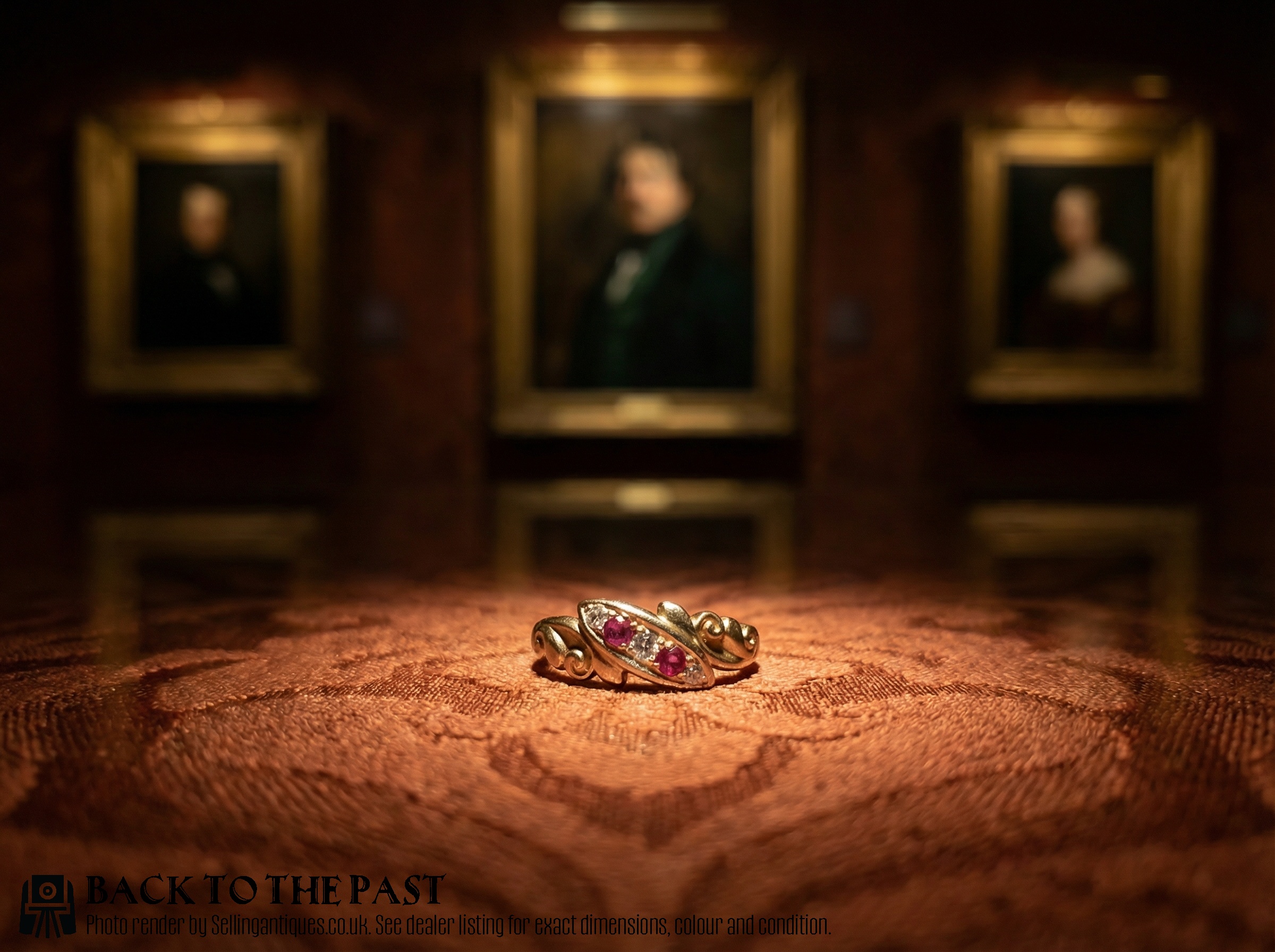
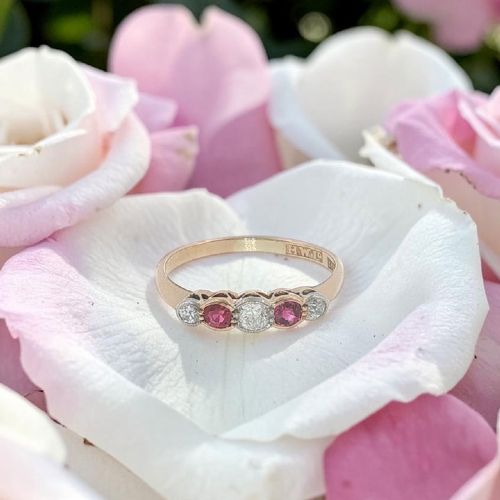
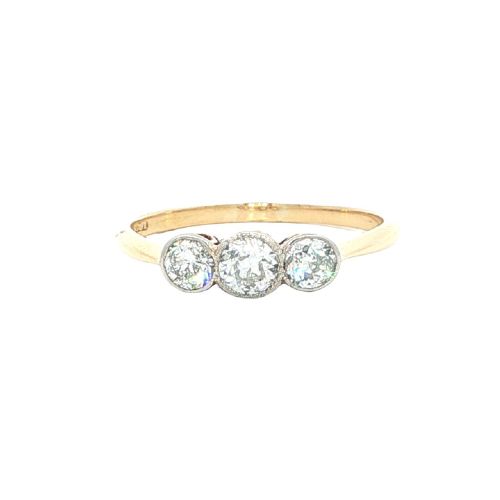
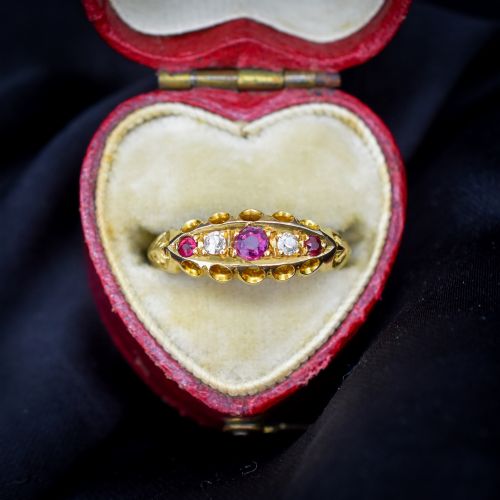
18ct Gold Antiques Ruby and Diamond Ring, Chester 1904, 1900
Priced at £595 from AgAu Jewellery
Pointed stones were common in the sixteenth century before flat cuts took over.
Georgian examples often feature foil backing to catch the candlelight.
Look for the shift towards claw settings in the late nineteenth century.
Edwardian jewellers favoured platinum because it allowed for delicate pierced work.
Cartier produced exceptional Art Deco rings during the 1920s and 1930s.
Tiffany & Co introduced their famous six-prong setting in the late nineteenth century.
Many provincial pieces carry no maker's mark, relying instead on regional assay office stamps.
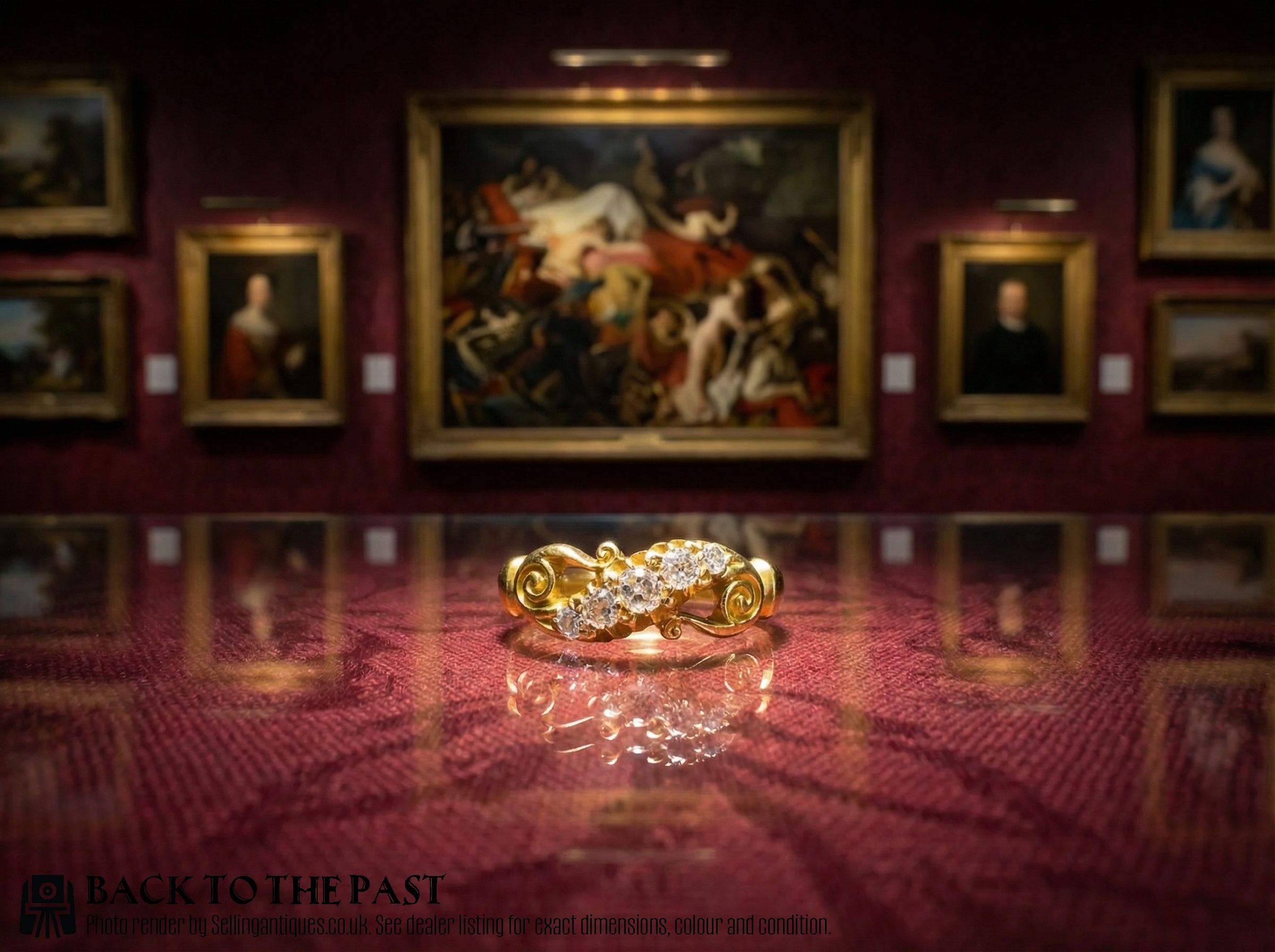
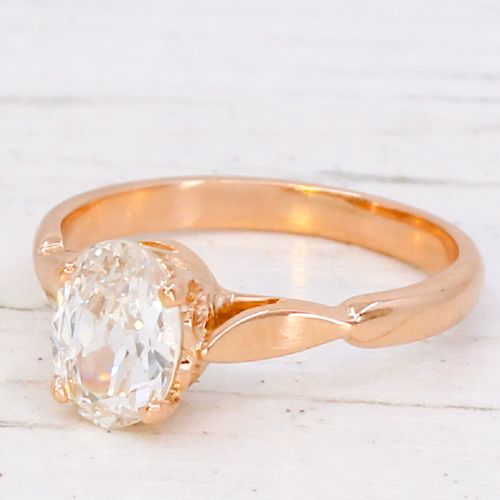
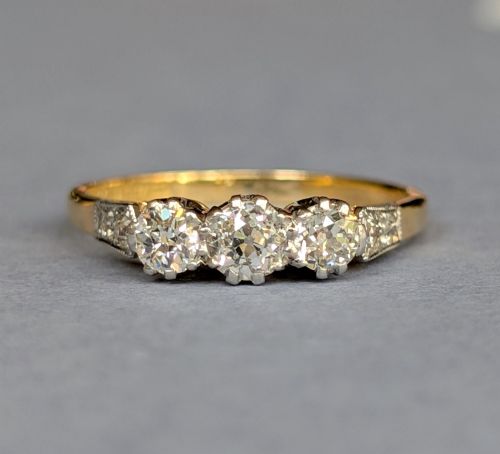
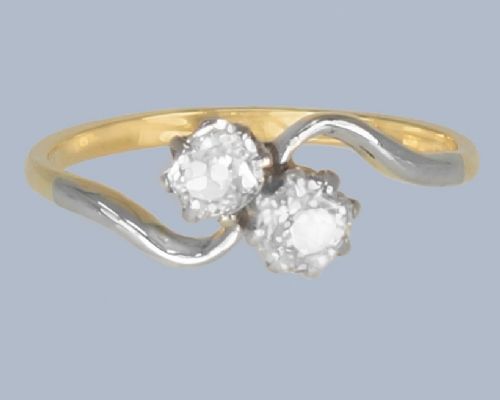
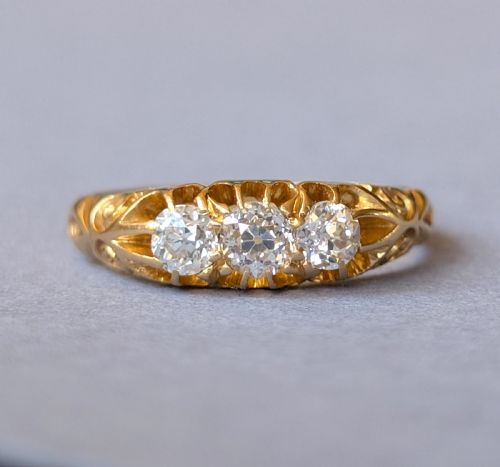
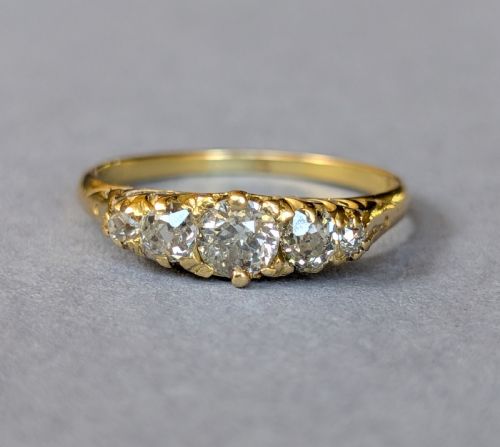
Antique Old Cut Diamond Five Stone Scroll 18ct Gold Ring, Edwardian
Priced at £745 from Lancastrian Jewellers
The 2026 retail price guide for Antique Diamond Rings is drawn from a proprietary archive of over 1.1 million retail prices indexed by Sellingantiques since 2003. This guide relies exclusively on their own internal data; no external sources or auction records are used.
Analysing nearly 25 years of UK antique market history alongside current retail values, the data indicates that typical UK retail prices for Antique Diamond Rings range between £700 and £5,700. Entry-level prices generally fall under £700 and premium examples upwards of £5,700.
Hand-cut stones lack the exact symmetry of modern machine-faceted diamonds.
Examine the shoulders. They often carry engraved details or small accent stones in older rings.
Millegrain edging is a classic feature on early twentieth-century antique diamond rings.
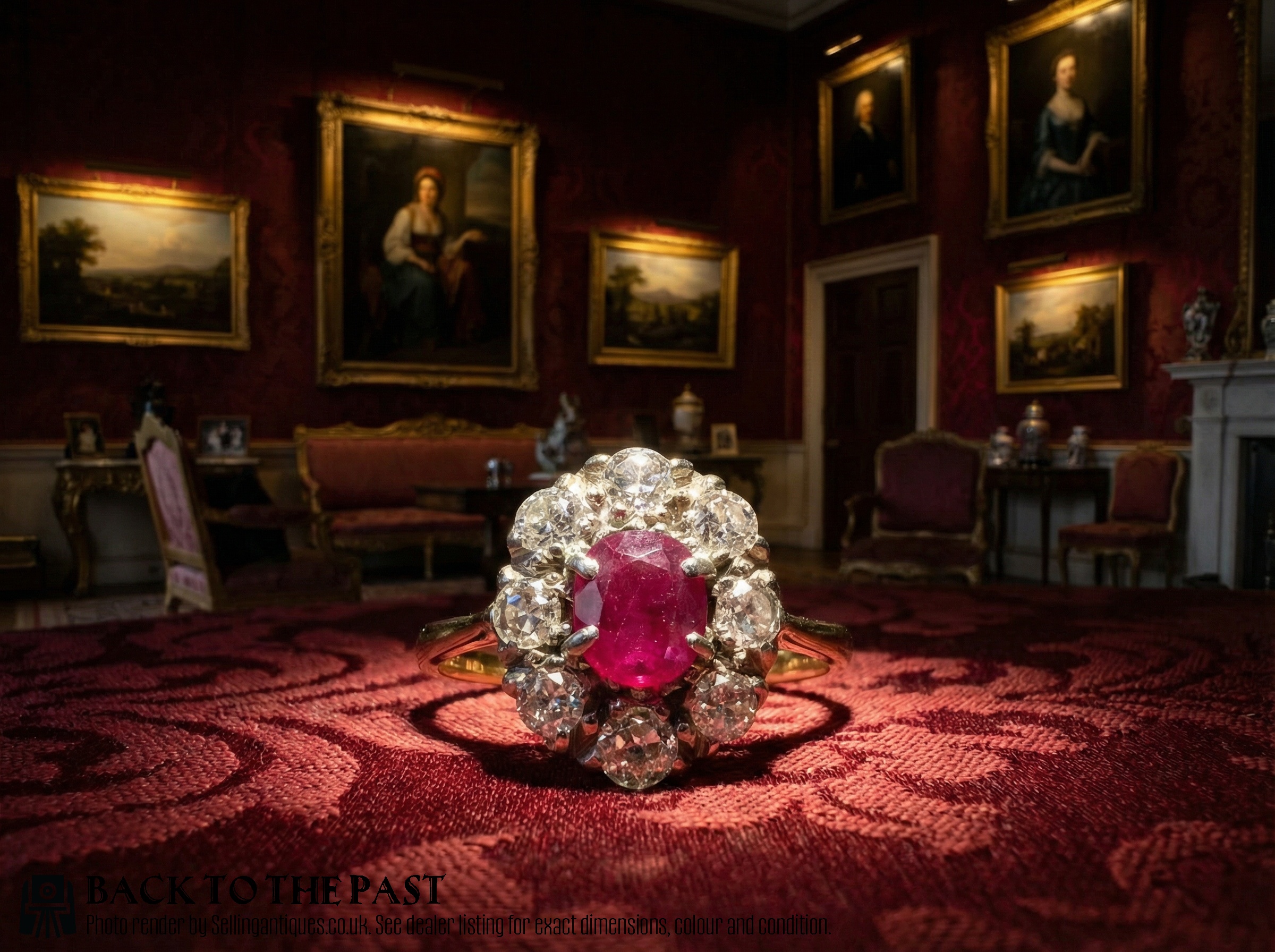
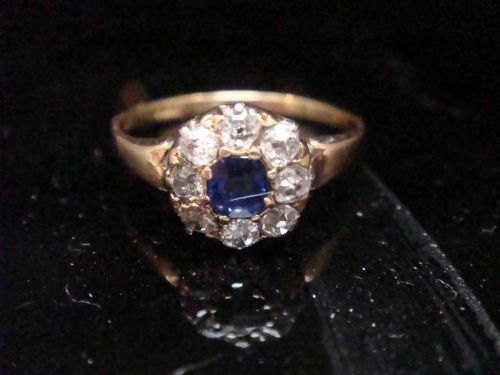
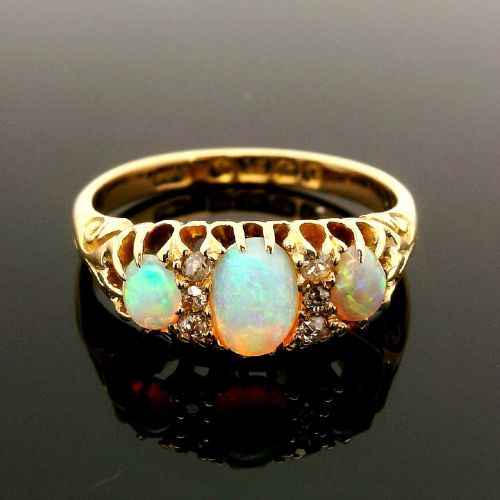
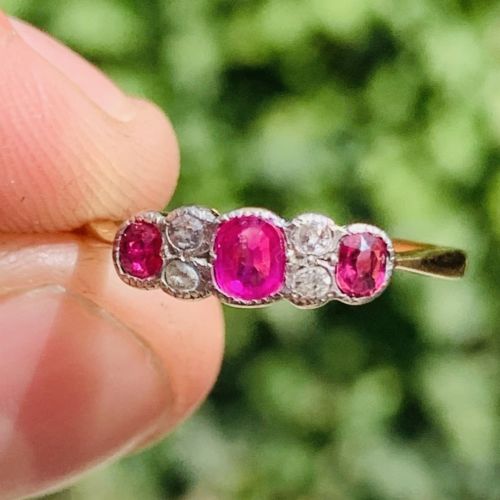
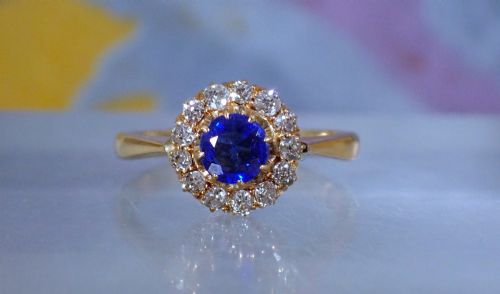
18ct Gold Ruby & Diamond Cluster Ring - 1950s, 1950
Priced at £1,750 from Robert Harris Jewellers
Early makers carved settings directly from solid metal rather than casting them.
Piercing work was done by hand using tiny drill bits and fine saw blades.
Notice the transition from rub-over mounts to open prongs as cutting techniques improved.
"Older stones were specifically cut to look their best under the low glow of candlelight."
"Many Victorian rings hide secret messages spelled out in the arrangement of different coloured gems alongside the diamonds."
"The chunky appearance of old mine cuts gives them a distinctive character that modern techniques cannot replicate."
Based on almost 25 years of Sellingantiques UK antique market data, Antique Diamond Rings appeared 16261 times (out of 1,100,000 antiques) which gives it a rarity score of 4/100.
This score measures scarcity within the Sellingantiques archive only and is not a survey of the entire antiques market, so these statistics may not be indicative of the general availability of Antique Diamond Rings elsewhere.
Use warm water and a soft toothbrush for most rings. Avoid soaking anything from the Georgian period, as water can ruin the foil backing behind the stone.
Keep them away from ultrasonic cleaners. The vibrations can loosen old settings and damage stones with internal flaws.
Makers deliberately used white metals near the stones. A yellow setting casts a warm tint into the diamond, making it look off-colour.
Silver was standard for the top sections before platinum became common. It keeps the diamond looking bright, while the gold shank provides strength.
Most plain bands are straightforward to resize. A jeweller will add or remove metal at the back of the shank.
Eternity bands are much harder to alter.
They sparkle differently. Modern brilliant cuts are engineered to reflect light back in precise flashes. Old cuts have fewer, larger facets that draw the eye deeper into the stone.
The effect is a softer, broader flash. Many buyers prefer this understated look, especially in dim lighting where the stones were designed to be seen.
Please note: This Antique Diamond Rings guide and its associated pricing data are provided for general informational purposes only. It does not constitute formal financial, investment, or appraisal advice and should not be relied upon as the sole basis for any commercial activity, purchasing, or sales decisions. Sellingantiques.co.uk accepts no liability for any actions taken in reliance on this information. Always consult with a qualified professional or independent appraiser.
