
A 2026 Guide by Sellingantiques
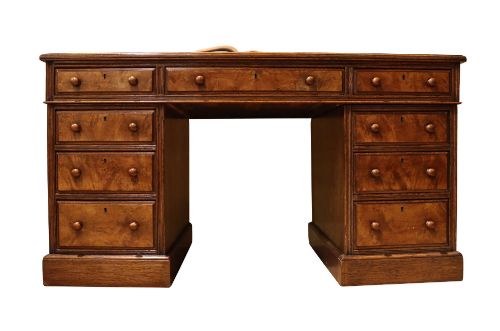
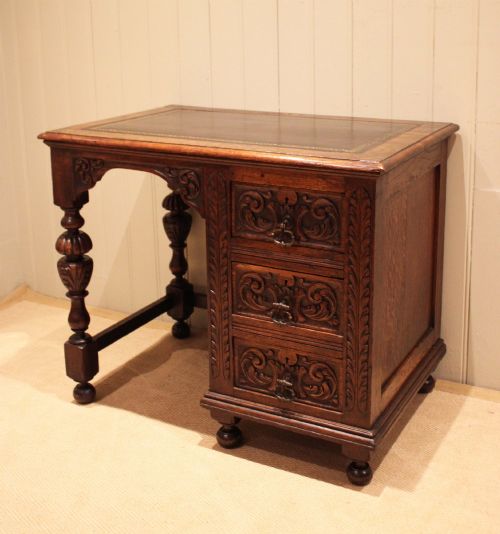
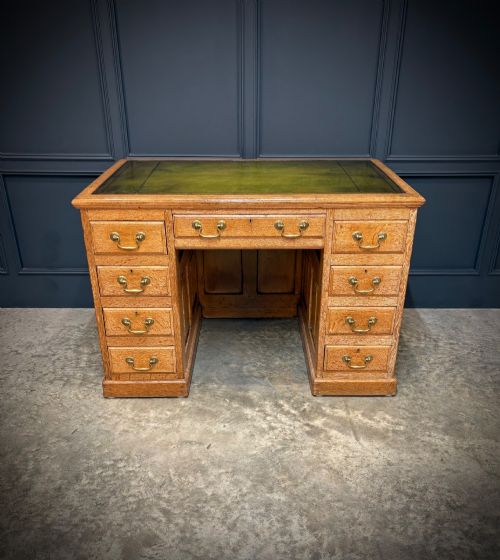
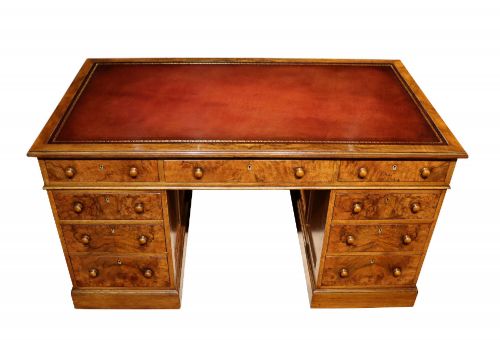
19th Century Oak Pedestal Desk by Edwards & Roberts, Victorian
Priced at £2,675 from John Hubbard Antiques
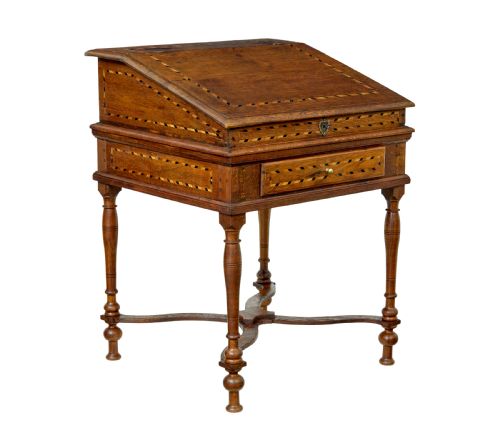
Early pieces started out as simple slope-fronted boxes sitting on standard joint stools.
Heavy wooden structures built in massive numbers to satisfy growing commercial demand late in the century.
Look at the evolution of office work to understand the forms.
Clerks needed deep drawers for ledgers while private homes required smaller footprints for letters.
Edwardian offices eventually filled up with large pedestal versions that dominated the room.
Angus of London imported huge quantities of antique oak desks when they weren't building their own.
Cutler & Son pioneered many standard commercial designs for tambour styles during the late nineteenth century.
Harris Lebus manufactured vast numbers of pedestal versions for the British market before the war.
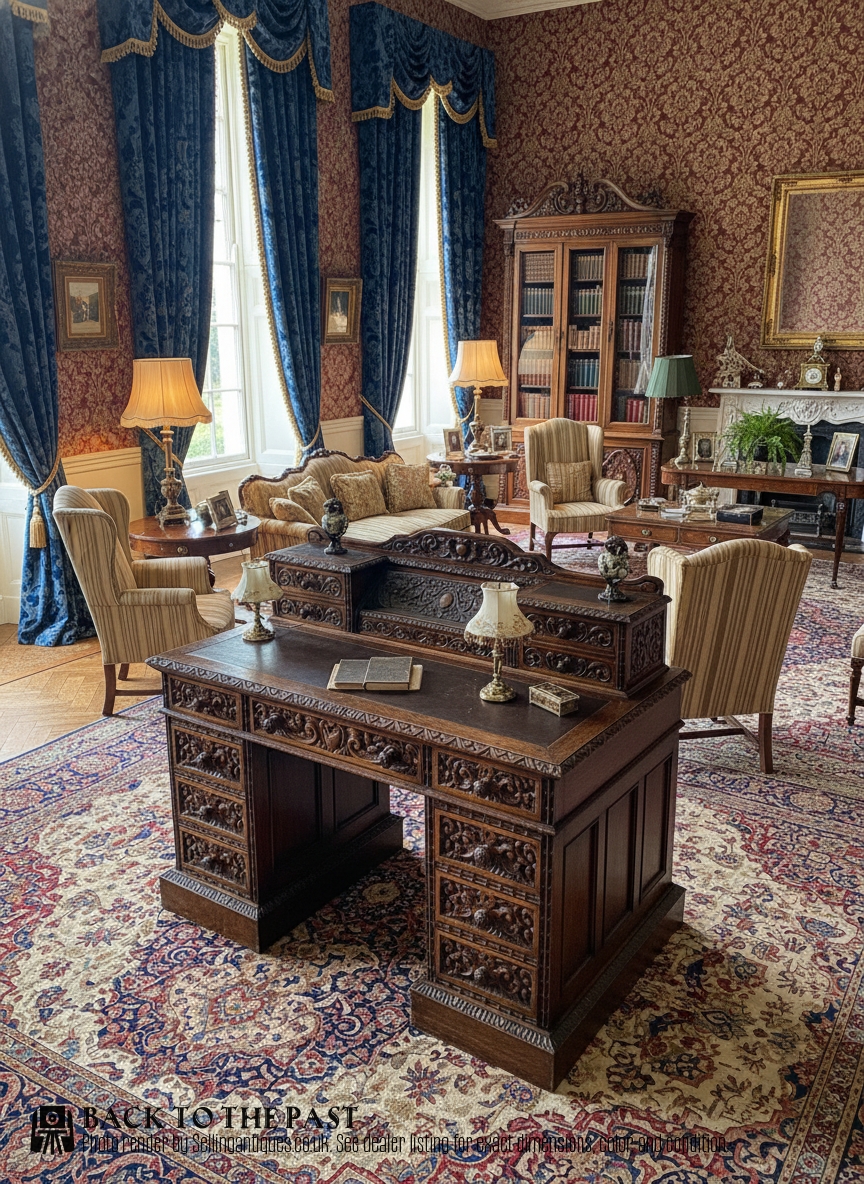
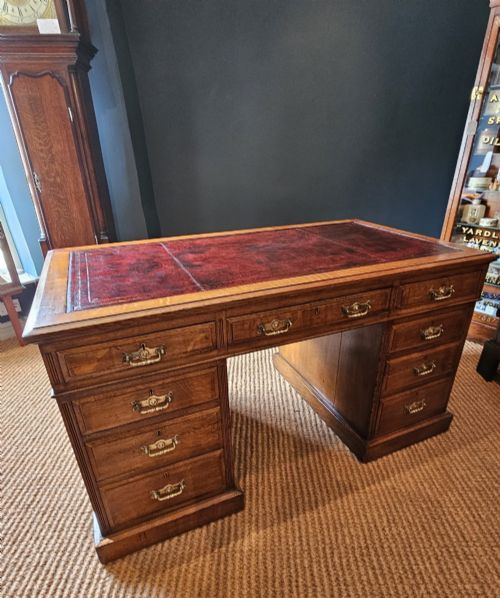
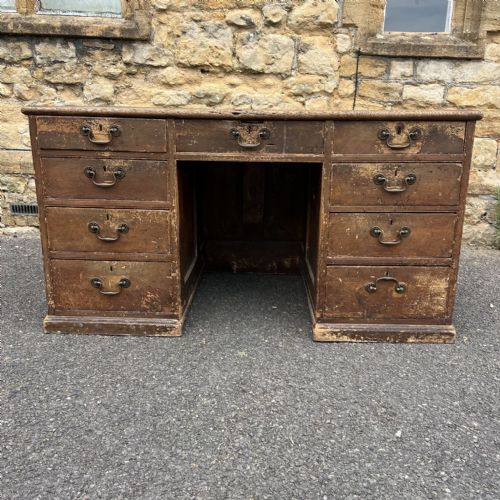
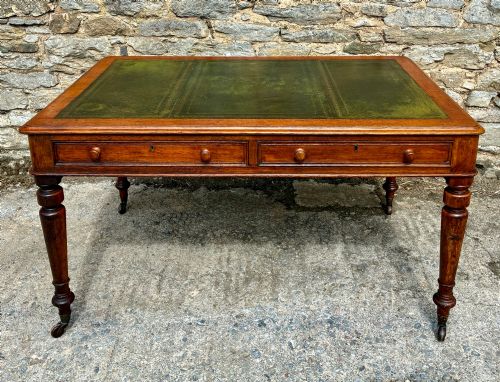
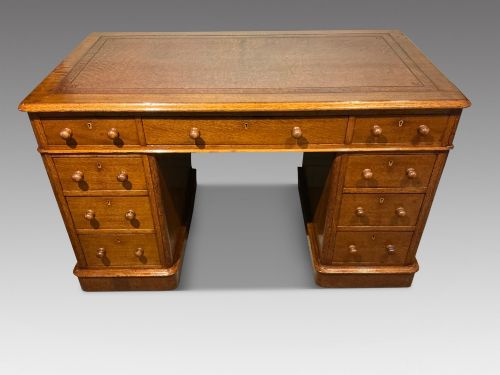
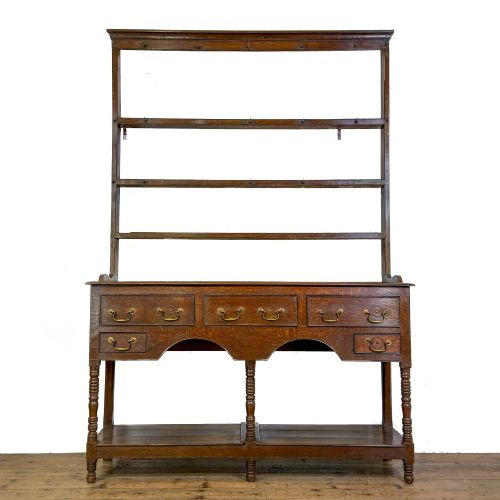
Late Victorian Oak Pedestal Desk, Victorian
Priced at £1,280 from Ropeworks Antiques
The 2026 retail price guide for Antique Oak Desks is drawn from a proprietary archive of over 1.1 million retail prices indexed by Sellingantiques since 2003. This guide relies exclusively on their own internal data; no external sources or auction records are used.
Analysing nearly 25 years of UK antique market history alongside current retail values, the data indicates that typical UK retail prices for Antique Oak Desks range between £500 and £2,200. Entry-level prices generally fall under £500 and premium examples upwards of £2,200.
Most large pedestal models break down into three pieces so they're easy to transport.
Sloping fronts hide complex fitted interiors packed with dozens of small pigeonholes and tiny drawers.
Curved wooden tracks guiding tambour shutters made from horizontal slats on the American-style roll-tops.
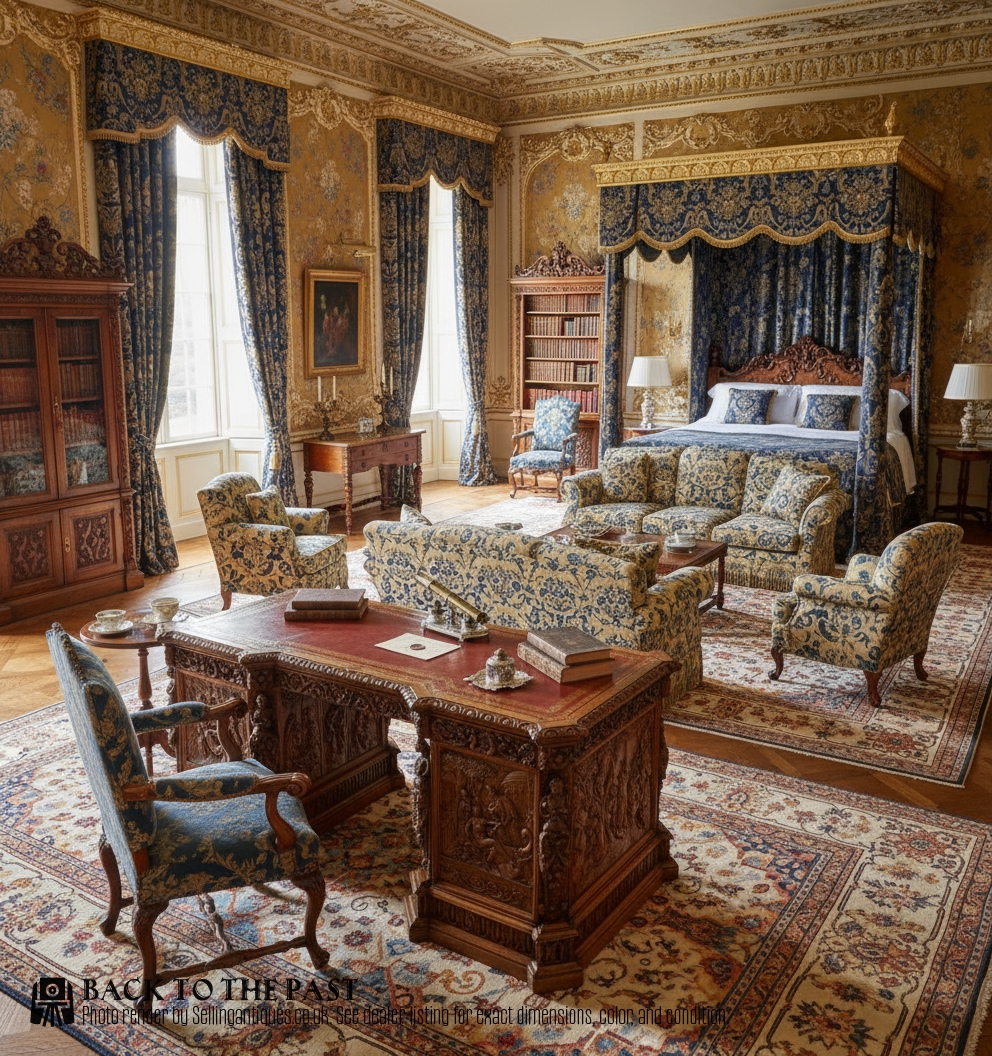
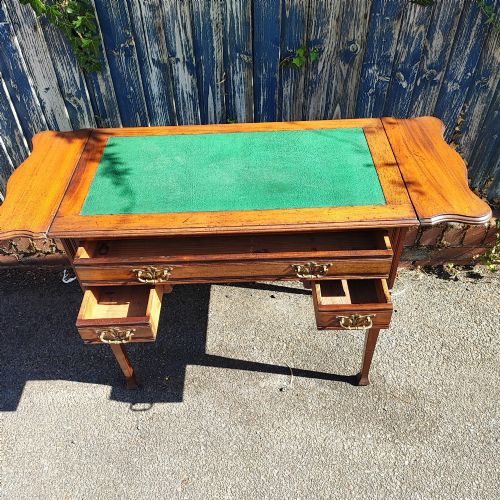
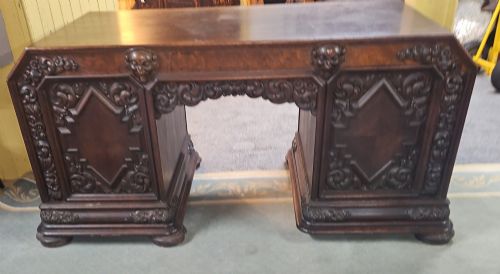
Museum Quality Antique Partner Desk 17th Century Hand Carved Religious Panels, 1860
Priced at £50,000 from Royal House Antiques
Examine the drawer joints to see hand-cut dovetails on the earlier pieces.
Machine routers took over drawer construction in the larger Victorian factories to speed up production.
Frame and panel sides became standard practice to let the solid wood move safely.
"Heavy pedestal bases often sit on small hidden wooden castors to help office cleaners move them."
"Pull out the central internal drawers to find small secret compartments concealed behind them."
"Spring-loaded mechanisms secure all the lower drawers simultaneously the moment you close the main lid."
Based on almost 25 years of Sellingantiques UK antique market data, Antique Oak Desks appeared 6971 times (out of 1,100,000 antiques) which gives it a rarity score of 25/100.
This score measures scarcity within the Sellingantiques archive only and is not a survey of the entire antiques market, so these statistics may not be indicative of the general availability of Antique Oak Desks elsewhere.
Most full-size roll-top models require two strong people to move. The solid timber and complex internal mechanisms add significant weight.
Pedestal versions are easier to handle because they don't stay in one piece. The top section lifts off the two base units, breaking the desk down for transport.
Start with a damp cloth to remove the surface dust. You can use mild soapy water for heavier dirt, provided you dry the wood immediately.
Don't use chemical strippers or harsh solvents. Once the dirt's gone, a light coat of natural beeswax helps feed the dry timber and revives the colour.
They don't all break down. Smaller kneehole models and writing tables generally have a fixed frame glued and pegged as a single unit.
Larger pedestal forms usually separate. You'll often find screws driven up through the pedestals into the top section, which you can remove to split the piece.
These large workstations managed paperwork before filing cabinets existed. The small compartments sorted daily receipts.
Clerks used the fitted interiors to organise their tasks. The locking top kept documents secure when they weren't working.
Please note: This Antique Oak Desks guide and its associated pricing data are provided for general informational purposes only. It does not constitute formal financial, investment, or appraisal advice and should not be relied upon as the sole basis for any commercial activity, purchasing, or sales decisions. Sellingantiques.co.uk accepts no liability for any actions taken in reliance on this information. Always consult with a qualified professional or independent appraiser.
