


A 2026 Guide by Sellingantiques
Walnut 2 Door Bookcase, 1880
Priced at £1,295 from Merchant House Antiques
Early examples of antique walnut bookcases emerged when personal libraries grew too large for a simple chest.
The late seventeenth century saw the form mature. Glazed doors replaced solid panels to reveal the books behind.
Look for regional variations. Provincial workshops adopted the style decades after the London trade established the primary shape.
Changes in window glass production allowed larger panes. This shifted the upper door designs from tight lattices to broader geometric arrangements.
Samuel Pepys commissioned some recorded glazed bookcases from standard joiners. Those oak examples set the template for later walnut versions.
Documented makers are scarce for early provincial antique walnut bookcases. Local cabinetmakers worked without leaving trade labels.
The firm of Giles Grendey produced veneered furniture in London during the early eighteenth century, though specific bookcase attributions remain rare.
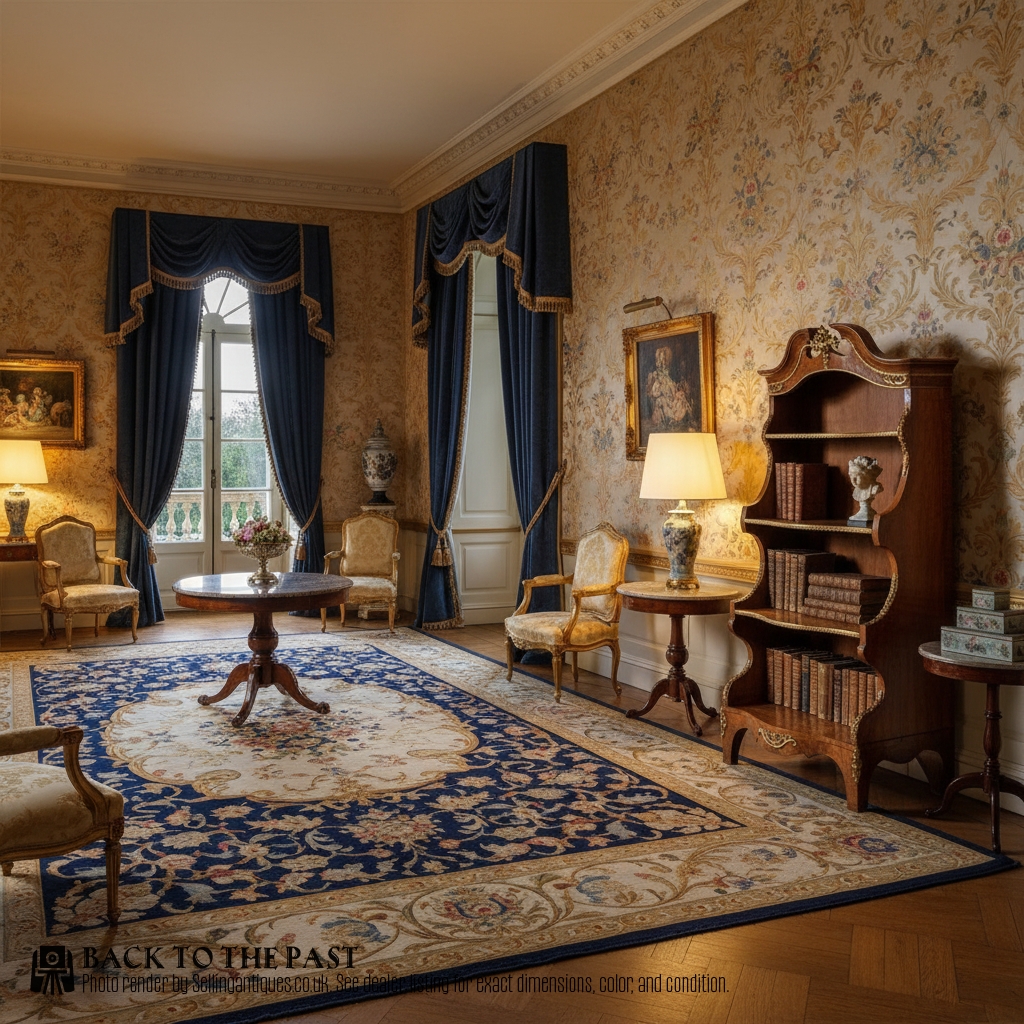
19thc French Walnut & Ormolu Mounted Open Bookcase, 1880
Priced at £1,650 from Church Street Antiques & Interiors
The 2026 retail price guide for Antique Walnut Bookcases is drawn from a proprietary archive of over 1.1 million retail prices indexed by Sellingantiques since 2003. This guide relies exclusively on their own internal data; no external sources or auction records are used.
Analysing nearly 25 years of UK antique market history alongside current retail values, the data indicates that typical UK retail prices for Antique Walnut Bookcases range between £700 and £4,500. Entry-level prices generally fall under £700 and premium examples upwards of £4,500.
Astragal glazing bars hold the individual glass panes. These wooden mouldings create the geometric patterns across the upper doors.
Adjustable shelving appears frequently. Wooden ratchets or brass pegs let owners alter the spacing for different book sizes.
A projecting waist moulding separates the top and base. This hides the joint where the two halves meet.
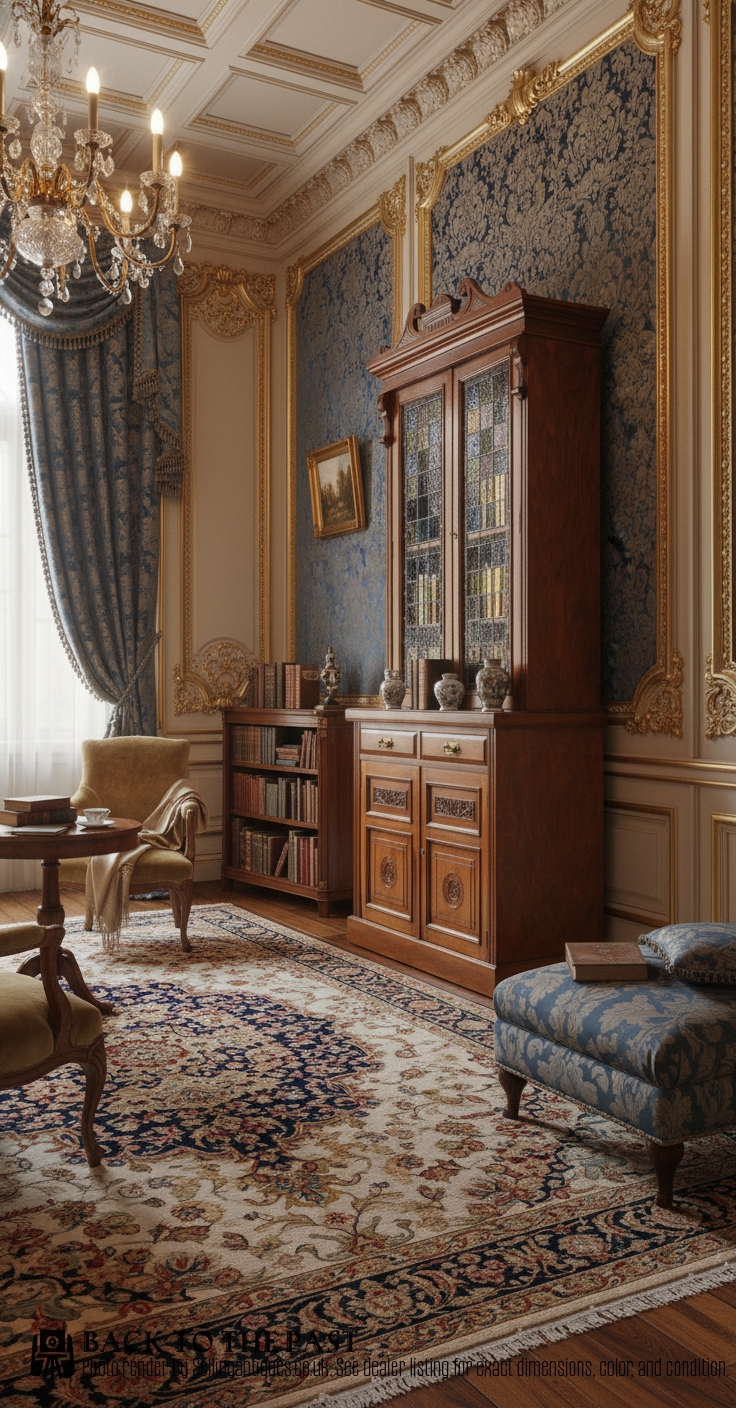
Walnut Narrow Bookcase, 19th Century
Priced at £1,375 from Shackladys Antiques
Hand-cut dovetails join the drawer frames. Early eighteenth-century examples show broader, coarser pins than those cut fifty years later.
Veneer thickness changed over time. Early saws produced sheets roughly a sixteenth of an inch thick, laying flat on the carcase.
Look at the backboards. Pit-sawn boards show straight, irregular saw marks running down the grain.
"Secret compartments sometimes sit behind the lower waist moulding. Cabinetmakers built shallow document drawers into the architectural gaps."
"Many early glazing bars carry complex interior profiles. The inner edges were shaped to direct condensation away from the glass."
"The locks on the upper doors often required a different key to the base. This allowed owners to secure ledgers separately from library books."
Based on almost 25 years of Sellingantiques UK antique market data, Antique Walnut Bookcases appeared 4167 times (out of 1,100,000 antiques) which gives it a rarity score of 43/100.
This score measures scarcity within the Sellingantiques archive only and is not a survey of the entire antiques market, so these statistics may not be indicative of the general availability of Antique Walnut Bookcases elsewhere.
Most early cases use a system of wooden ratchets. You will find vertical notched rails set into the four inner corners of the upper section.
To move a shelf, simply lift the horizontal wooden cleats resting in these notches. Shift them to the desired height and lower the shelf back onto the supports.
This happens because the carcase timber absorbs moisture from the air. The pine or oak beneath the veneer swells during damp months, expanding the doors against the frame.
Try waxing the contact edges where the door meets the carcase. A simple paste wax reduces friction and sometimes seals the bare wood enough to slow the moisture absorption.
The projecting cornice serves an architectural purpose. It balances the visual weight of the heavy lower section.
Cabinetmakers borrowed these profiles directly from classical stone architecture. It gives the case a finished roofline.
Antique solid timber shelves usually handle heavy loads well. If the shelf is original, it has probably held similar weights for over two centuries.
Keep an eye on the span length. Shorter spans resist bowing better than wide, uninterrupted shelves. If you notice a sag developing, move the heaviest volumes to the lower enclosed section.
The base cabinet often rests directly on the floor or sturdy feet. This makes it the most secure spot for dense reference books.
Please note: This Antique Walnut Bookcases guide and its associated pricing data are provided for general informational purposes only. It does not constitute formal financial, investment, or appraisal advice and should not be relied upon as the sole basis for any commercial activity, purchasing, or sales decisions. Sellingantiques.co.uk accepts no liability for any actions taken in reliance on this information. Always consult with a qualified professional or independent appraiser.
