


A 2026 Guide by Sellingantiques
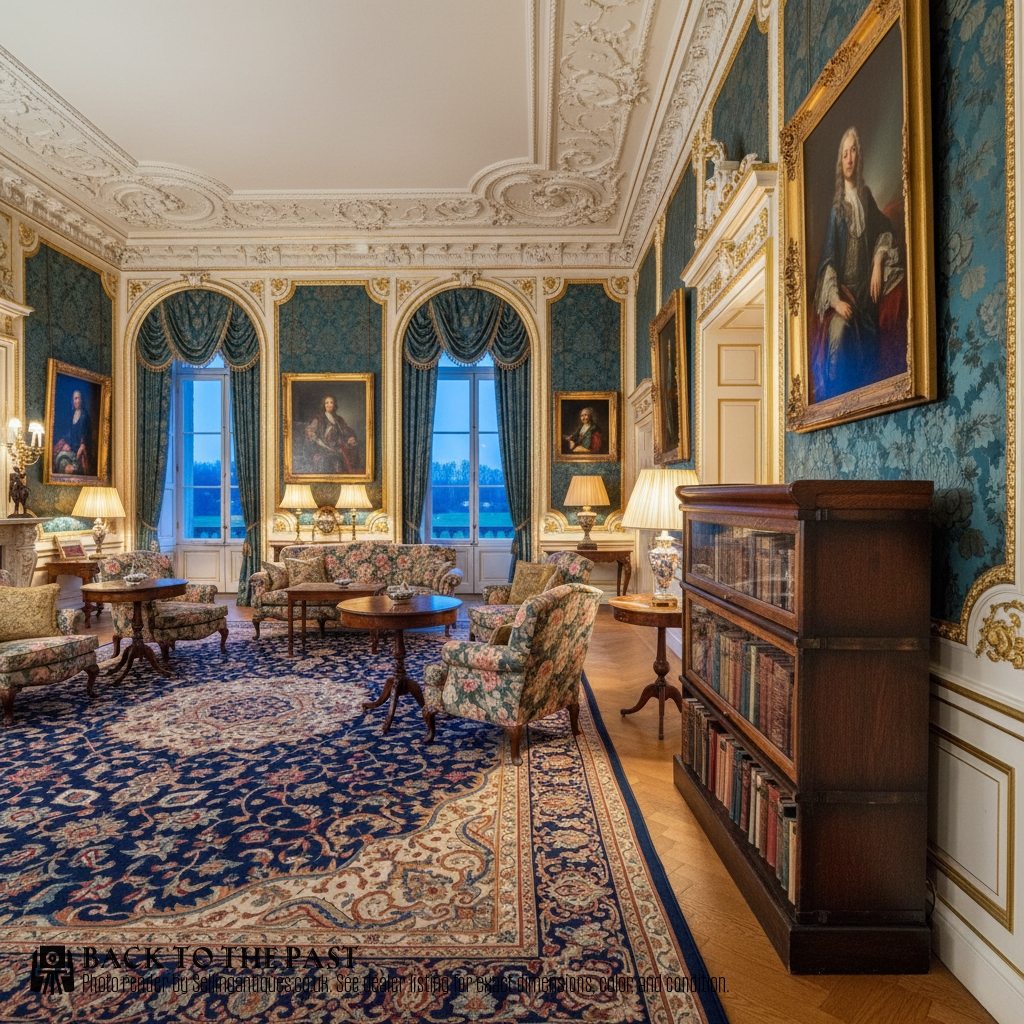
Globe Wernicke Stacking Bookcase, 1900
Priced at £375 from Graham Pickett
Lawyers needed portable storage for heavy legal volumes. This form allowed a library to travel section by section without unpacking the contents.
By the late nineteenth century, these modular systems entered domestic spaces as middle-class reading habits expanded.
Look at how they adapt to different wall heights. You can build them right up to the ceiling or keep them low beneath a window.
Commercial offices adopted antique stacking bookcases quickly to hold ledgers and filing boxes safely behind closed doors.
Globe-Wernicke dominated this market from the late 1890s through the mid-twentieth century. Their factories in America and England turned out thousands of modular units.
Gunn Furniture Company offered a slightly different patent action for the door runners in the early 1900s.
Minty of Oxford made domestic versions throughout the twentieth century. They often sit on short cabriole or turned legs rather than a flat plinth.
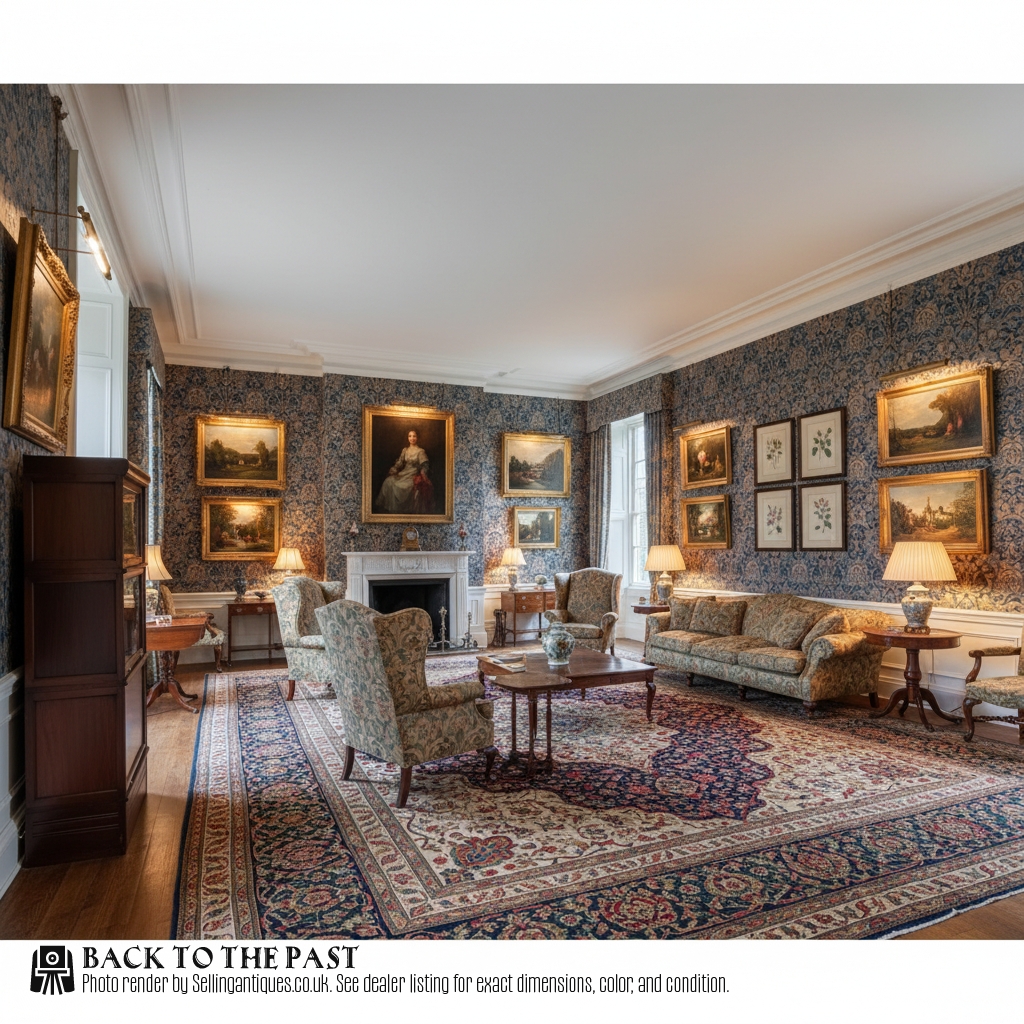
Stacking French Haberdashery Bookcase C1930, 1930
Priced at £650 from Swag Antiques
The 2026 retail price guide for Antique Stacking Bookcases is drawn from a proprietary archive of over 1.1 million retail prices indexed by Sellingantiques since 2003. This guide relies exclusively on their own internal data; no external sources or auction records are used.
Analysing nearly 25 years of UK antique market history alongside current retail values, the data indicates that typical UK retail prices for Antique Stacking Bookcases range between £500 and £1,300. Entry-level prices generally fall under £500 and premium examples upwards of £1,300.
Each tier lifts off the one below independently. The sides have interlocking grooves or metal pins to stop the units sliding forward.
Lift the glass door upwards and push it back. The door runs on a track and rests flat above the books.
A complete antique stacking bookcase needs a separate plinth for the base and a moulded cornice section to cap the top tier.
Factory production relied on precise machining to ensure sections made years apart would still interlock neatly.
The side panels join to the base of each tier using robust machine-cut dovetails or heavy dowel joints.
Notice how the door pivots on side pins. The tracks themselves are either routed directly into the timber or fitted with metal rails.
"Some factories supplied matching corner units. These let you build a continuous library wall that turned ninety degrees around a room."
"The design works as a room divider. The flat planked backs look tidy enough to face outwards into an open-plan office."
"Bureau sections exist. A drop-front writing slope slots directly into the stack instead of a normal glass-fronted book tier."
Based on almost 25 years of Sellingantiques UK antique market data, Antique Stacking Bookcases appeared 953 times (out of 1,100,000 antiques) which gives it a rarity score of 83/100.
This score measures scarcity within the Sellingantiques archive only and is not a survey of the entire antiques market, so these statistics may not be indicative of the general availability of Antique Stacking Bookcases elsewhere.
Yes, most doors can be removed without tools.
Open the door until it sits flat on its internal runners. If you tilt the front edge upwards slightly, the rear pivot pins should lift clear of the tracks.
This makes cleaning the glass much safer. It also reduces weight when moving the sections.
The modular design naturally absorbs minor floor variations better than a rigid cabinet. Each tier settles under the weight of the books it holds.
If the lean is severe, you can pack under the base plinth to level the bottom section. Once the base is plumb, the tiers above will stack neatly.
Heavy books should always go in the bottom tiers. This keeps the centre of gravity low.
Makers offered tiers in different heights to suit specific book formats. A standard domestic setup usually has an eleven-inch tier for novels and a thirteen-inch tier below it.
Folio sections are much taller and often sit deeper front-to-back. These belong at the bottom of the stack right above the plinth.
You can use them, but they will sit flat on the floor and gather dust. The bottom tier will also lack the visual grounding a plinth provides.
The top section will have an exposed interlocking groove. This gathers dirt and looks unfinished without the proper moulded cornice to cap it off.
Spare tops and bases turn up occasionally. Dealers sometimes split complete stacks to sell parts to people in exactly your situation.
Please note: This Antique Stacking Bookcases guide and its associated pricing data are provided for general informational purposes only. It does not constitute formal financial, investment, or appraisal advice and should not be relied upon as the sole basis for any commercial activity, purchasing, or sales decisions. Sellingantiques.co.uk accepts no liability for any actions taken in reliance on this information. Always consult with a qualified professional or independent appraiser.
