


A 2026 Guide by Sellingantiques
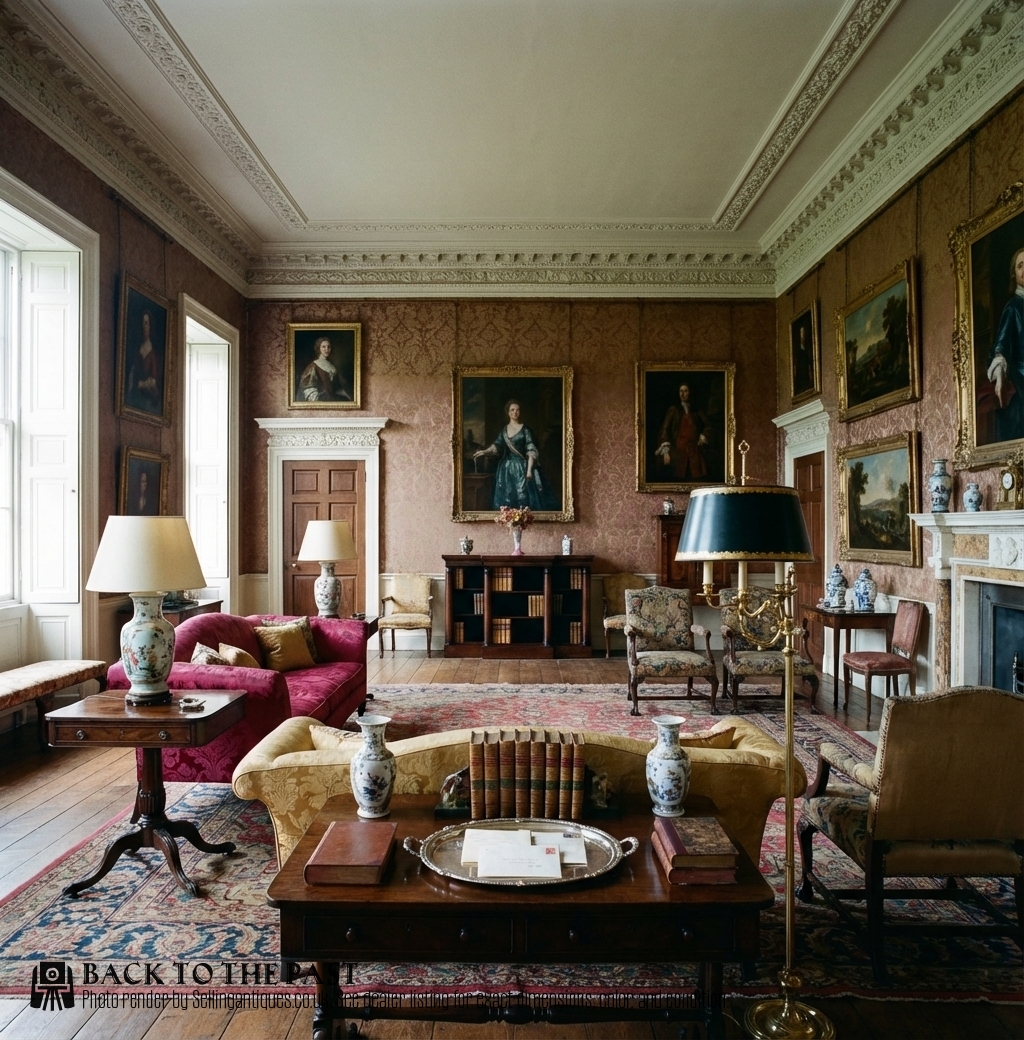
Fine 19th Century Rosewood Breakfront Open Bookcase, 19th Century
Priced at £3,450 from Shackladys Antiques
Georgian architects designed these massive cases to mimic classical building facades. The central projection breaks up the long flat line of a large wall.
Libraries became essential spaces in wealthy eighteenth-century homes. A large antique breakfront bookcase acted as the focal point for these new rooms.
By the Victorian period, growing middle-class literacy created a wider market. Production shifted from bespoke estate commissions to standard workshop models.
Look for shifting proportions. Early examples sit heavy and architectural, while Regency variations often display lighter lines.
Thomas Chippendale published complex designs for these cases in his Director. His firm supplied massive architectural examples to several stately homes.
Gillows of Lancaster produced exceptional mahogany library furniture. They shipped their robust well-proportioned breakfronts to clients right across Britain.
George Hepplewhite favoured lighter forms in his pattern books. His designs often replaced heavy pediments with delicate sweeping cornices.
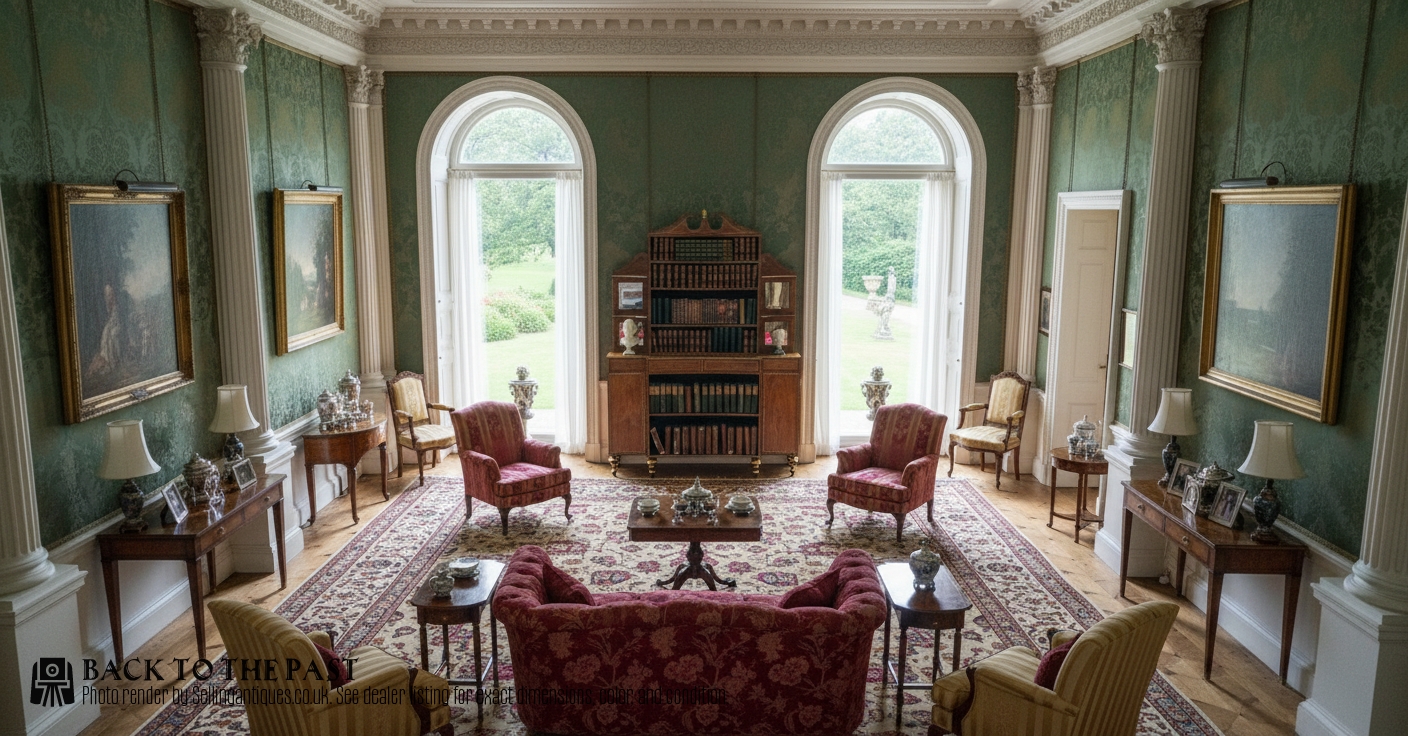
Regency Style Breakfront Rosewood Open Bookcase, 1920
Priced at £1,650 from John Howkins Antiques
The 2026 retail price guide for Antique Breakfront Bookcases is drawn from a proprietary archive of over 1.1 million retail prices indexed by Sellingantiques since 2003. This guide relies exclusively on their own internal data; no external sources or auction records are used.
Analysing nearly 25 years of UK antique market history alongside current retail values, the data indicates that typical UK retail prices for Antique Breakfront Bookcases range between £1,700 and £12,800. Entry-level prices generally fall under £1,700 and premium examples upwards of £12,800.
A stepped profile gives the antique breakfront bookcase its name. The centre cupboards sit proud of the flanking wing sections.
Glazed upper doors often feature intricate wooden tracery. Thirteen-pane astragal patterns turn up frequently on late Georgian models.
Lower sections usually hide practical storage behind solid panelled doors. Sometimes you find banks of drawers built into the protruding base.
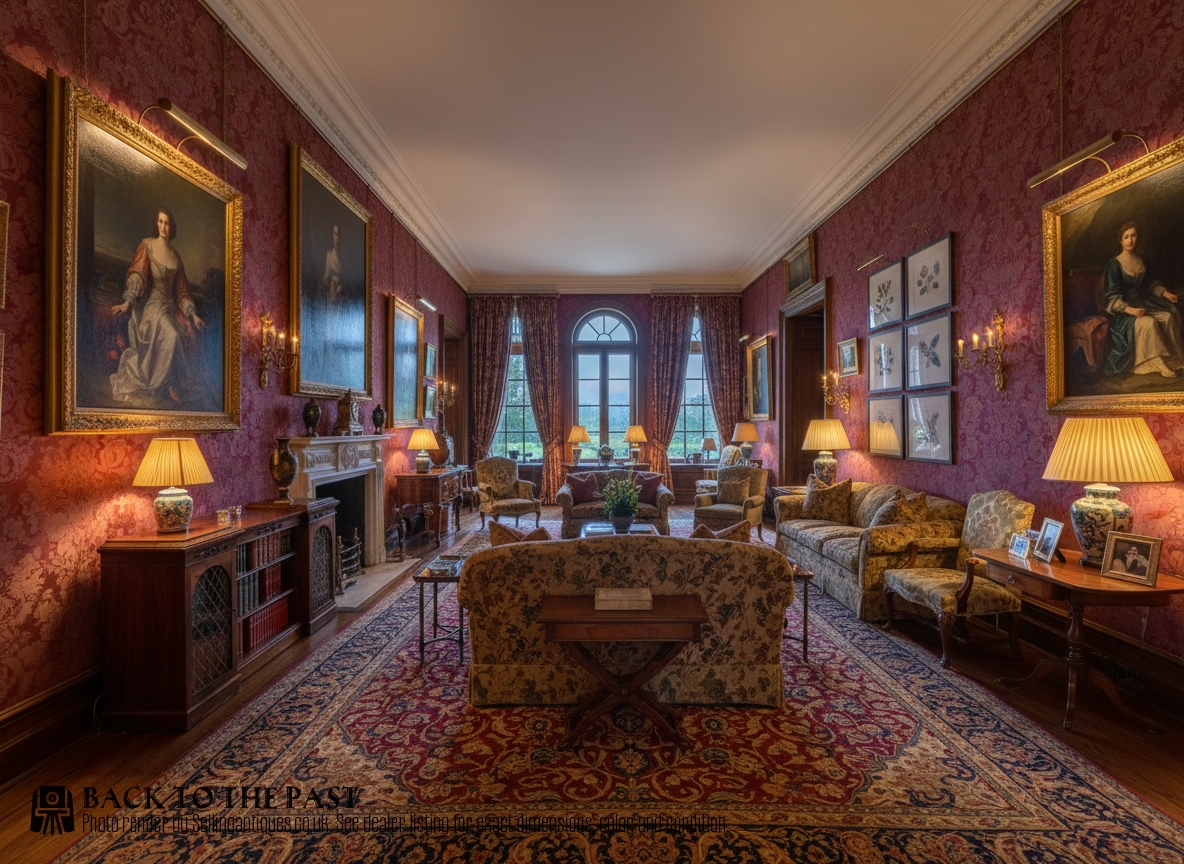
Regency Inverted Breakfront Bookcase / Cabinet in Striking Gonçalo Alves, Regency
Priced at £6,800 from Gary Wright Antiques Ltd
Most large examples break down into multiple pieces for transport. The top, base and individual cabinet sections slot together using iron bolts.
Traditional cabinetmakers shaped the delicate door tracery by hand. They backed thin mahogany facing strips with stronger pine cores.
Notice the shelf supports. Early cases rely on simple wooden cleats, while nineteenth-century makers introduced adjustable wooden ratchets.
"The shallow wing sections sometimes hide ingenious space-saving features. Some makers fitted thin sliding panels for displaying maps or large folios."
"Adjustable shelves often carry subtle numbering stamped into the front edges. This helped the staff return them to the correct heights after cleaning."
"Many early Victorian examples have dust seals built into the door meeting rails. A curved wooden lip helps protect books from airborne soot."
Based on almost 25 years of Sellingantiques UK antique market data, Antique Breakfront Bookcases appeared 1814 times (out of 1,100,000 antiques) which gives it a rarity score of 70/100.
This score measures scarcity within the Sellingantiques archive only and is not a survey of the entire antiques market, so these statistics may not be indicative of the general availability of Antique Breakfront Bookcases elsewhere.
Most Georgian cases use a wooden ratchet system. You lift the shelf, move the loose wooden bearers to the desired notch, and lower the shelf back down.
Later Victorian models often use brass tonks fittings. Small metal studs slot into parallel strips drilled into the carcase sides.
Uneven floors can cause the doors to bind. A large carcase will settle to follow the shape of the floor beneath it, which throws the hinges out of alignment.
You simply need to pack the plinth base. Use small wooden wedges slipped under the low spots before loading the shelves. Once the case sits level, the doors will swing freely.
Yes, almost all of them break down.
The cornice lifts off, the upper and lower sections separate, and the base divides into three or four manageable boxes.
Many pediments simply slide off. Makers understood that ceiling heights varied, so they built the architectural cresting on hidden dowels or slots.
Check behind the central section. If it lifts off cleanly, wrap it carefully and store it in a dry place to keep the piece complete.
Please note: This Antique Breakfront Bookcases guide and its associated pricing data are provided for general informational purposes only. It does not constitute formal financial, investment, or appraisal advice and should not be relied upon as the sole basis for any commercial activity, purchasing, or sales decisions. Sellingantiques.co.uk accepts no liability for any actions taken in reliance on this information. Always consult with a qualified professional or independent appraiser.
