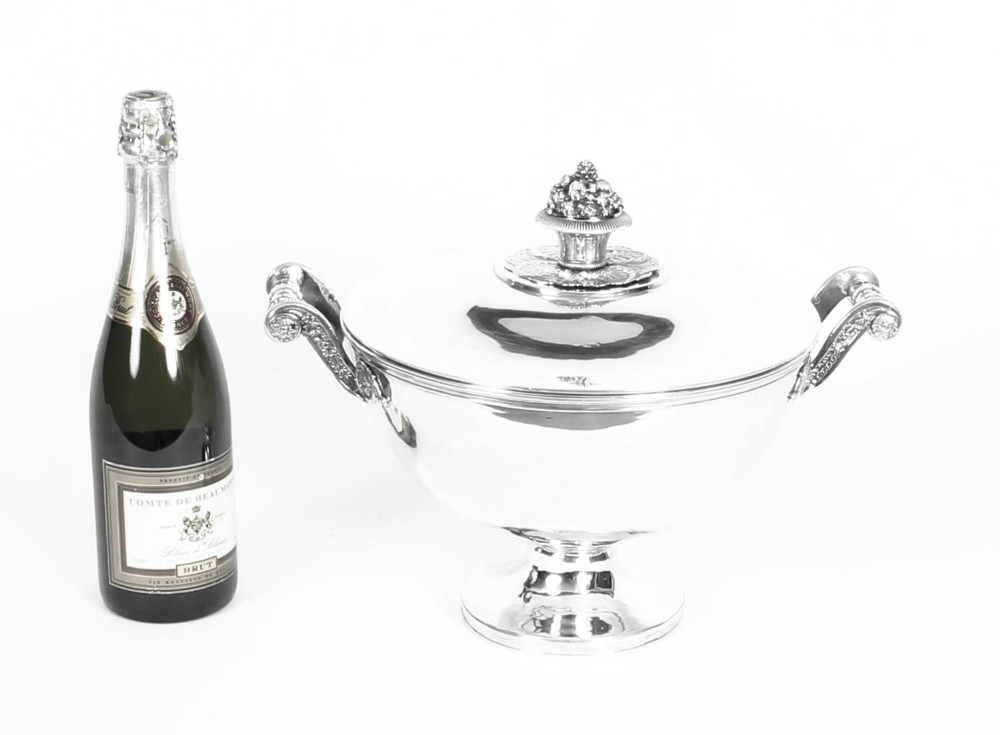
Regent Antiques has dated this piece to the 19th Century.
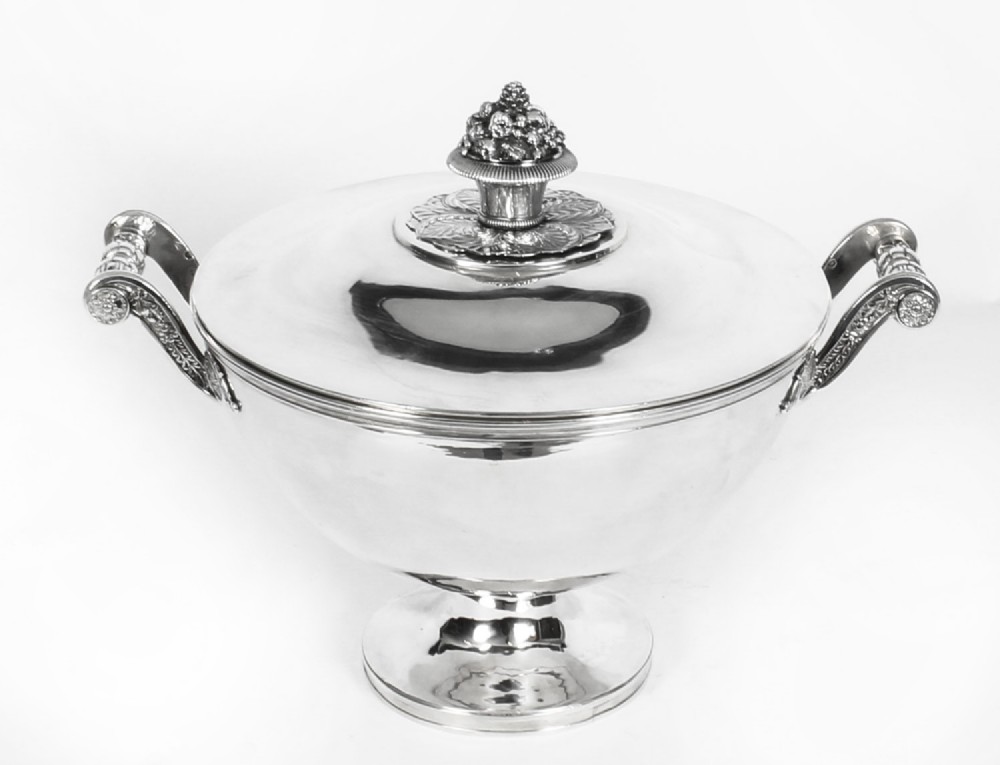
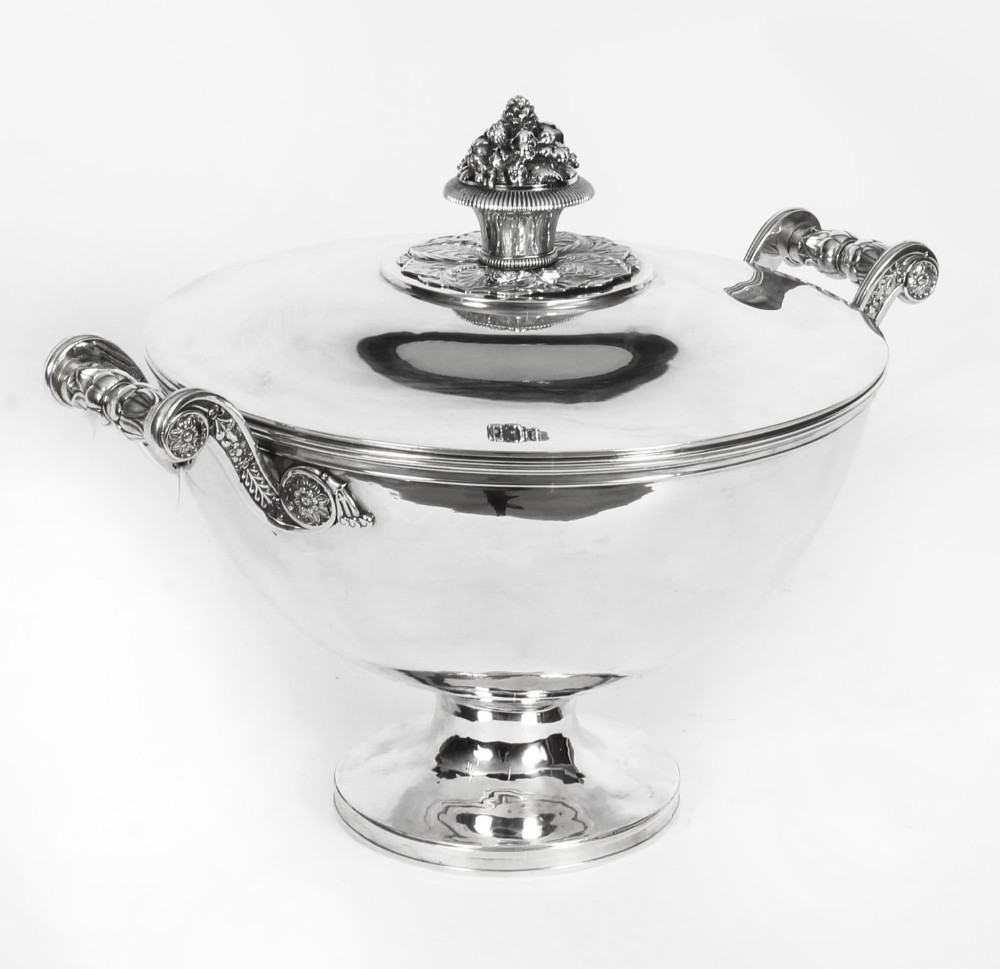
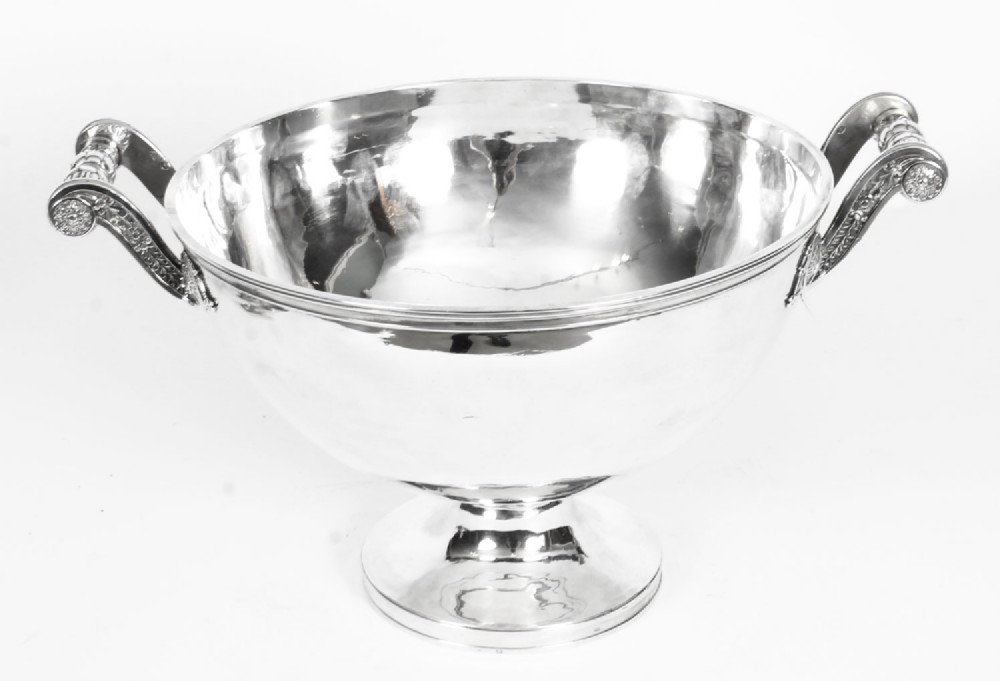
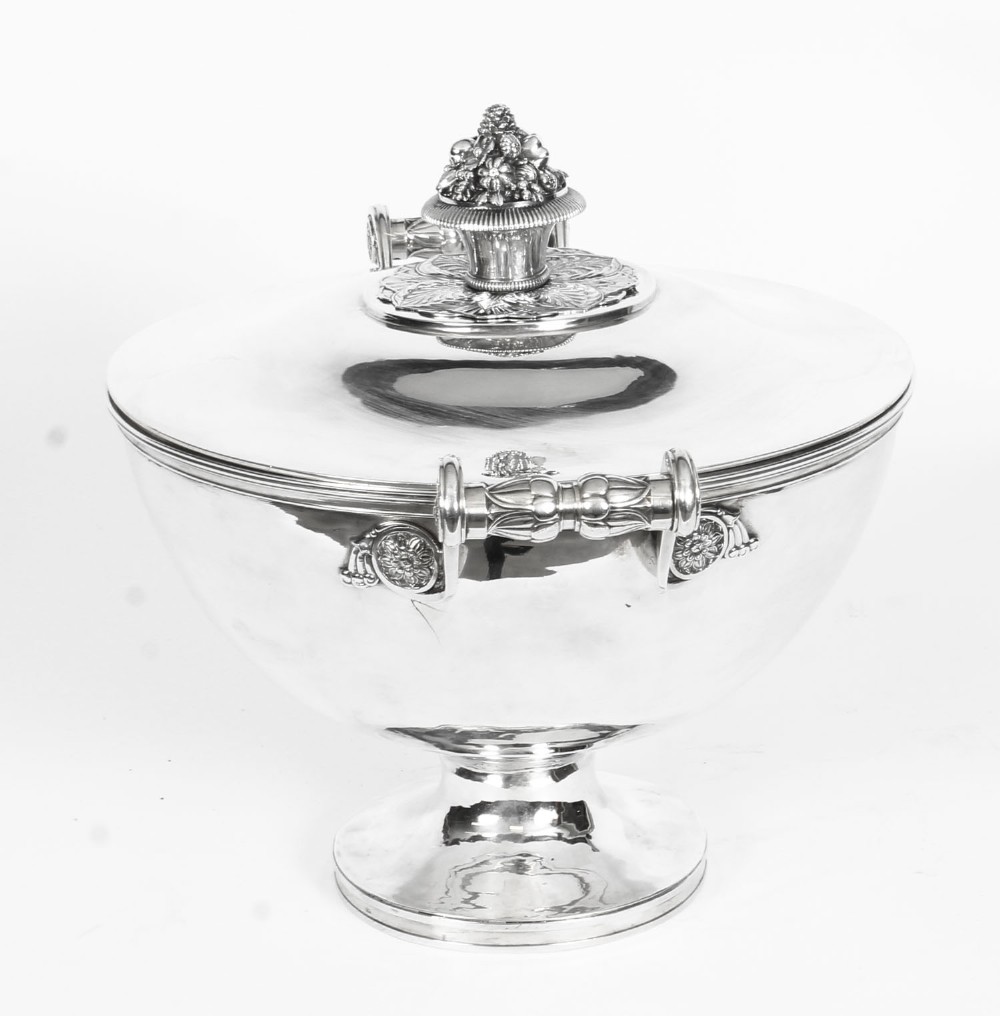
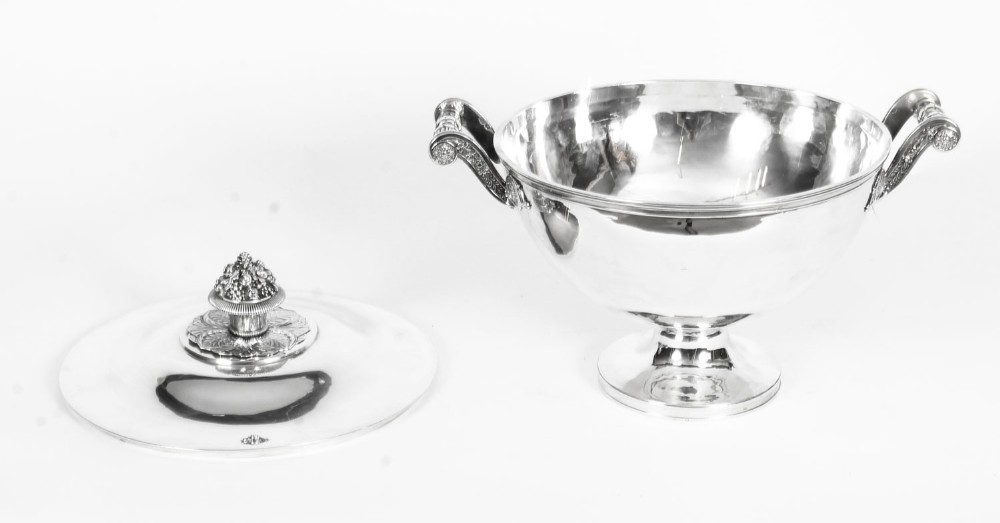
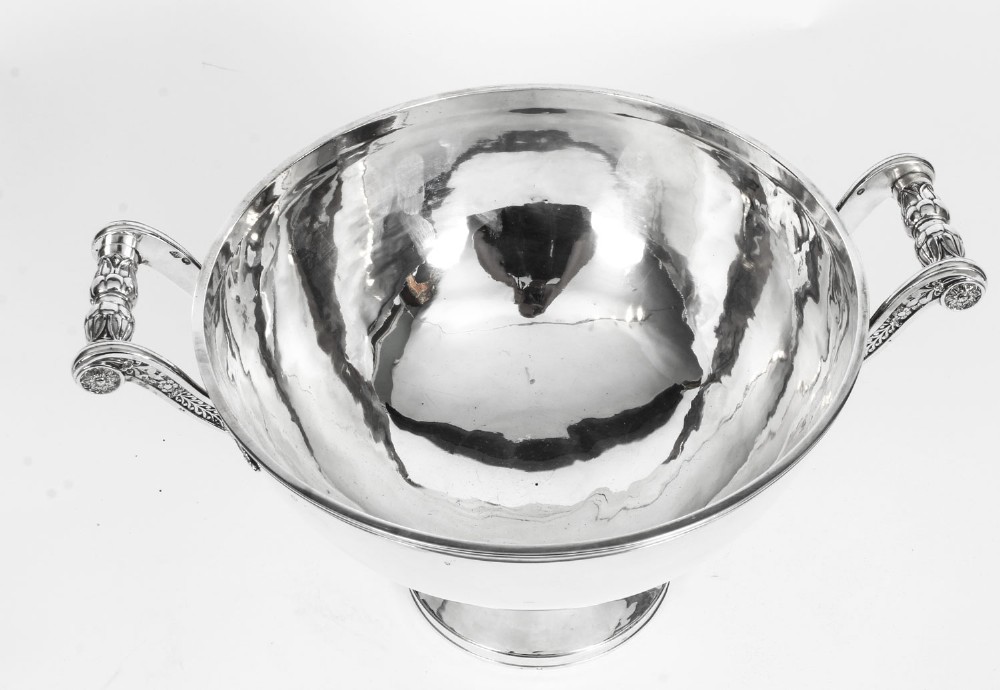
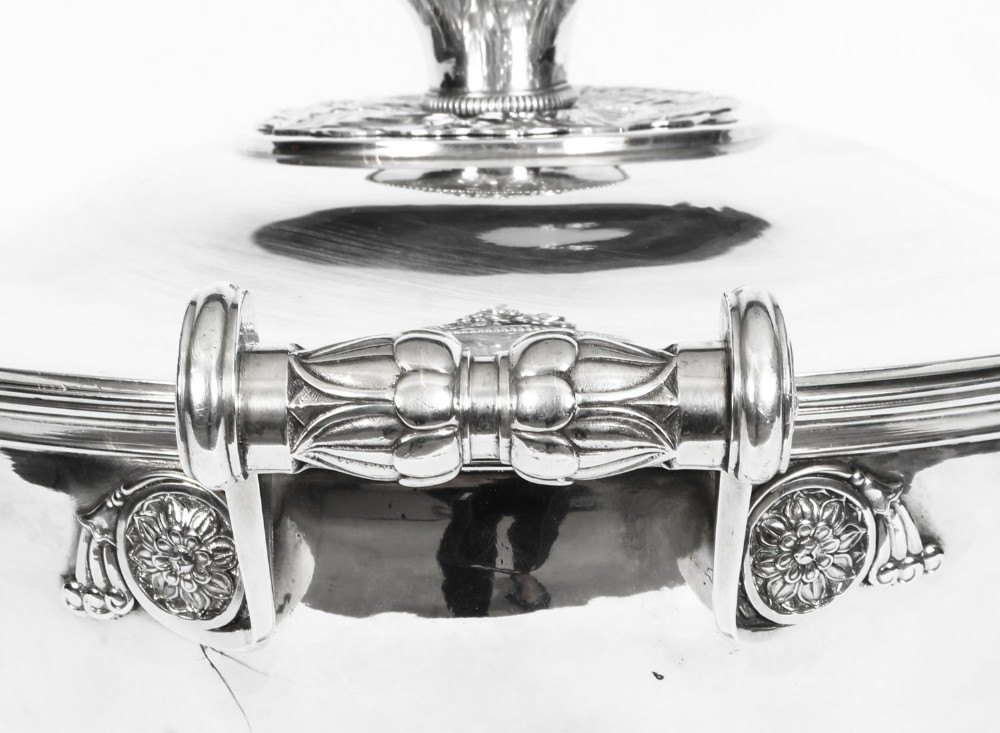
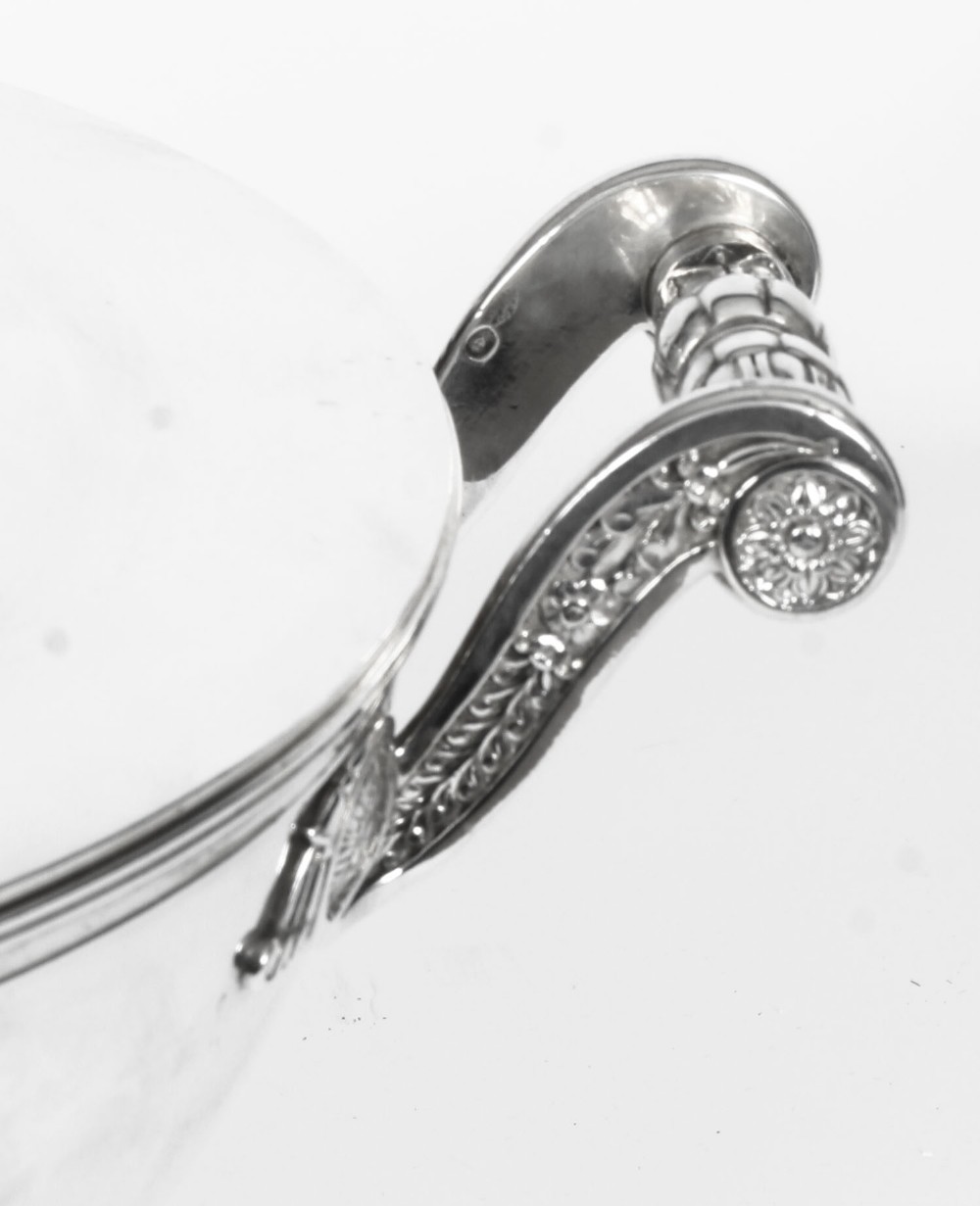
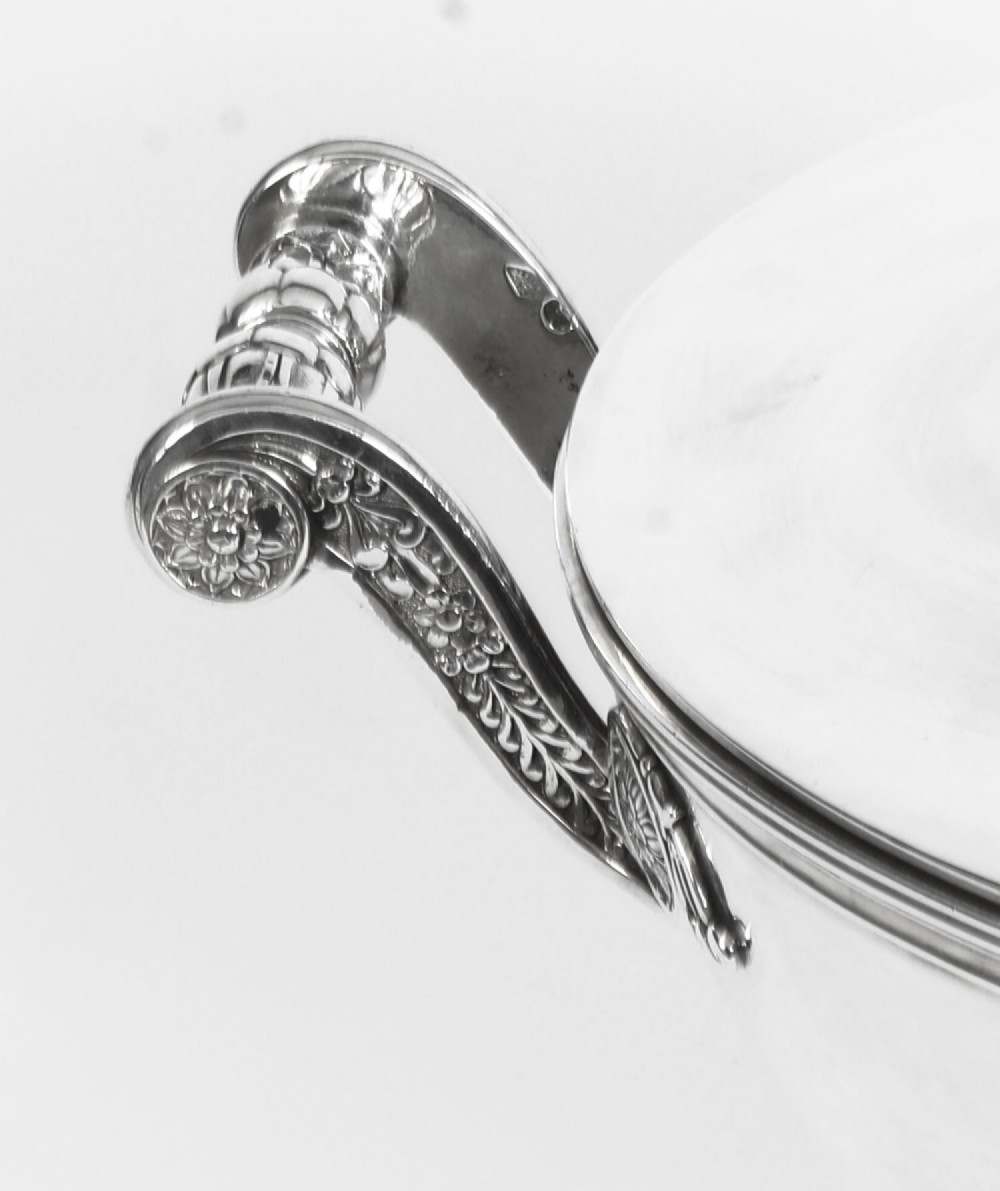
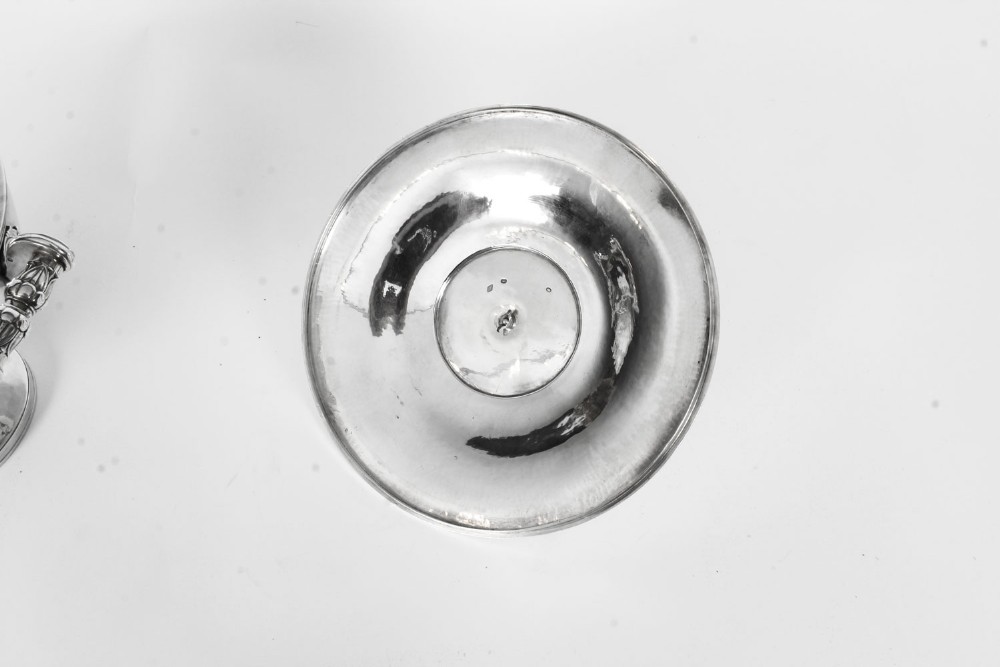
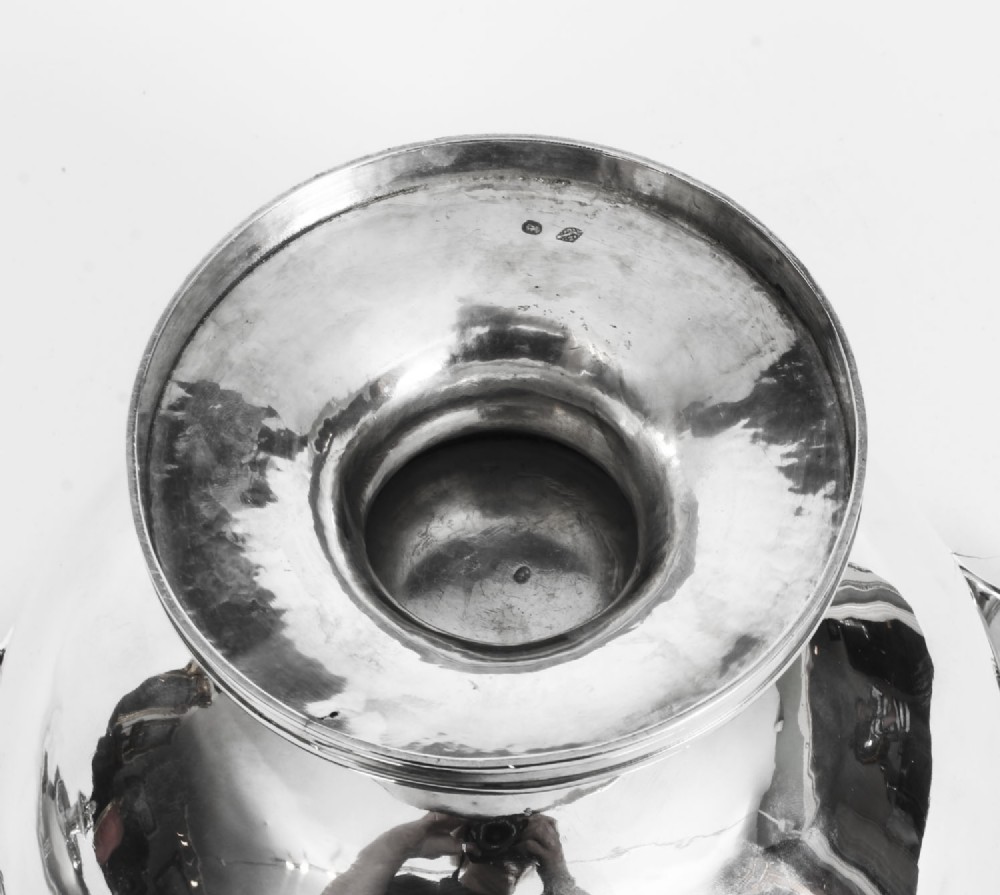
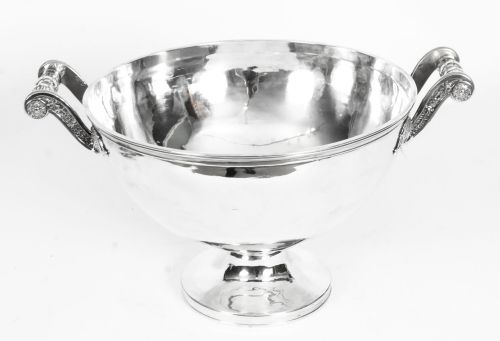
This round Silver Serving Tureen has Rococo elements perfectly accenting the elegant body, with bold scroll handles decorated with foliate and floral ornamentation and stands on a pedestal foot with an encircled border.
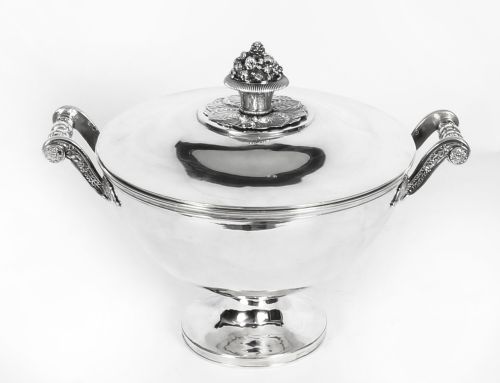
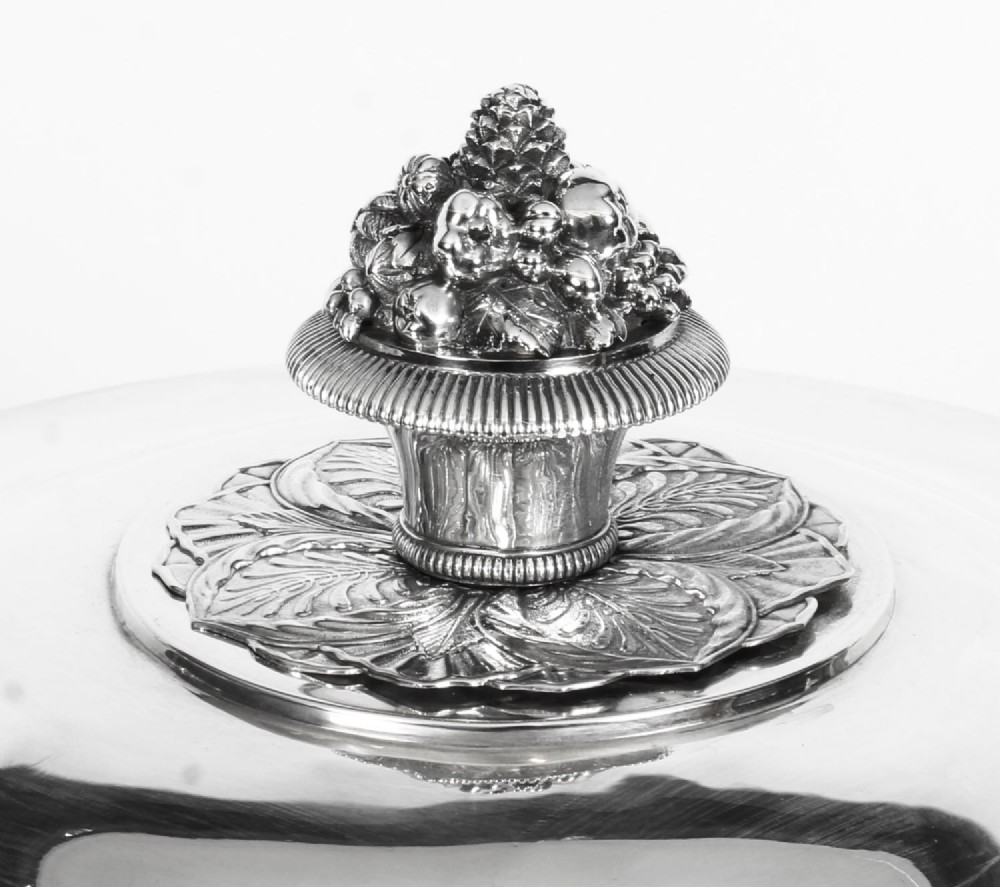
It features an exceptional cast floral and fruit bouquet finial on the lid.
Condition:
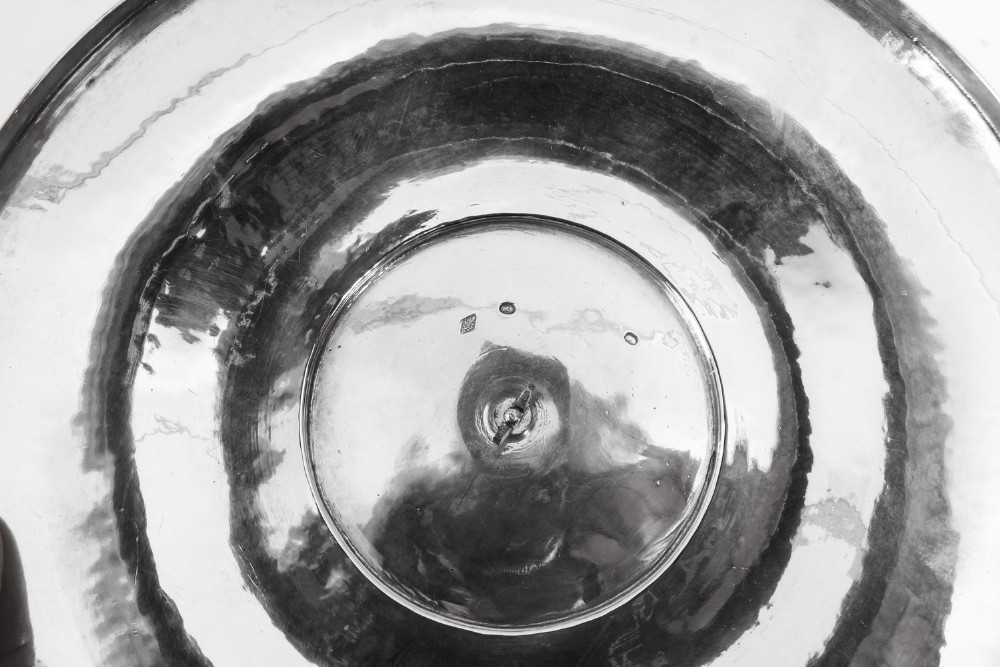
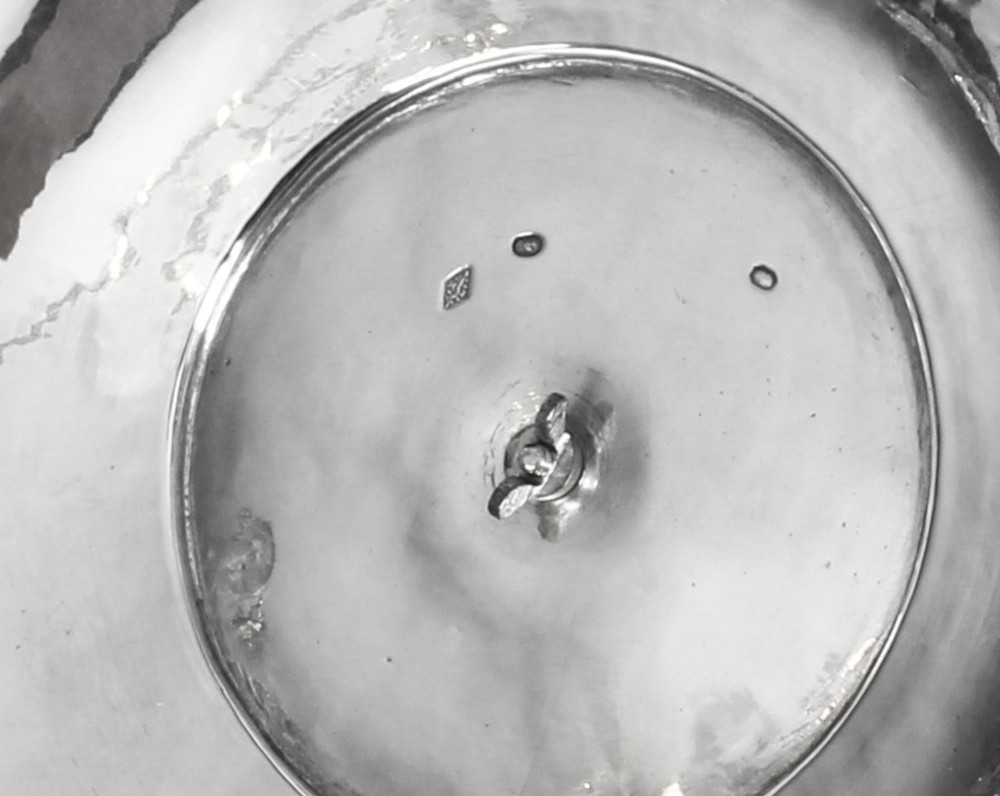
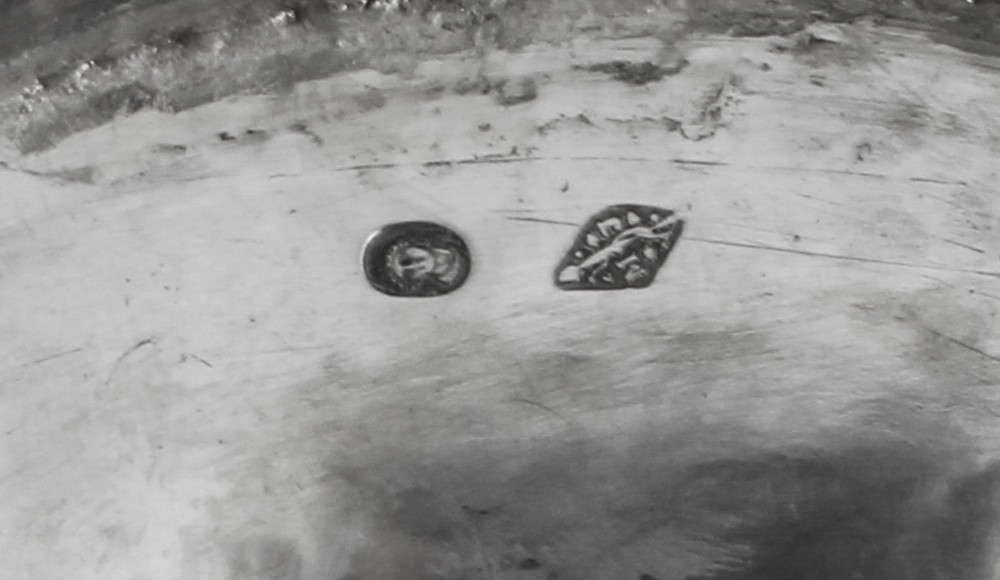
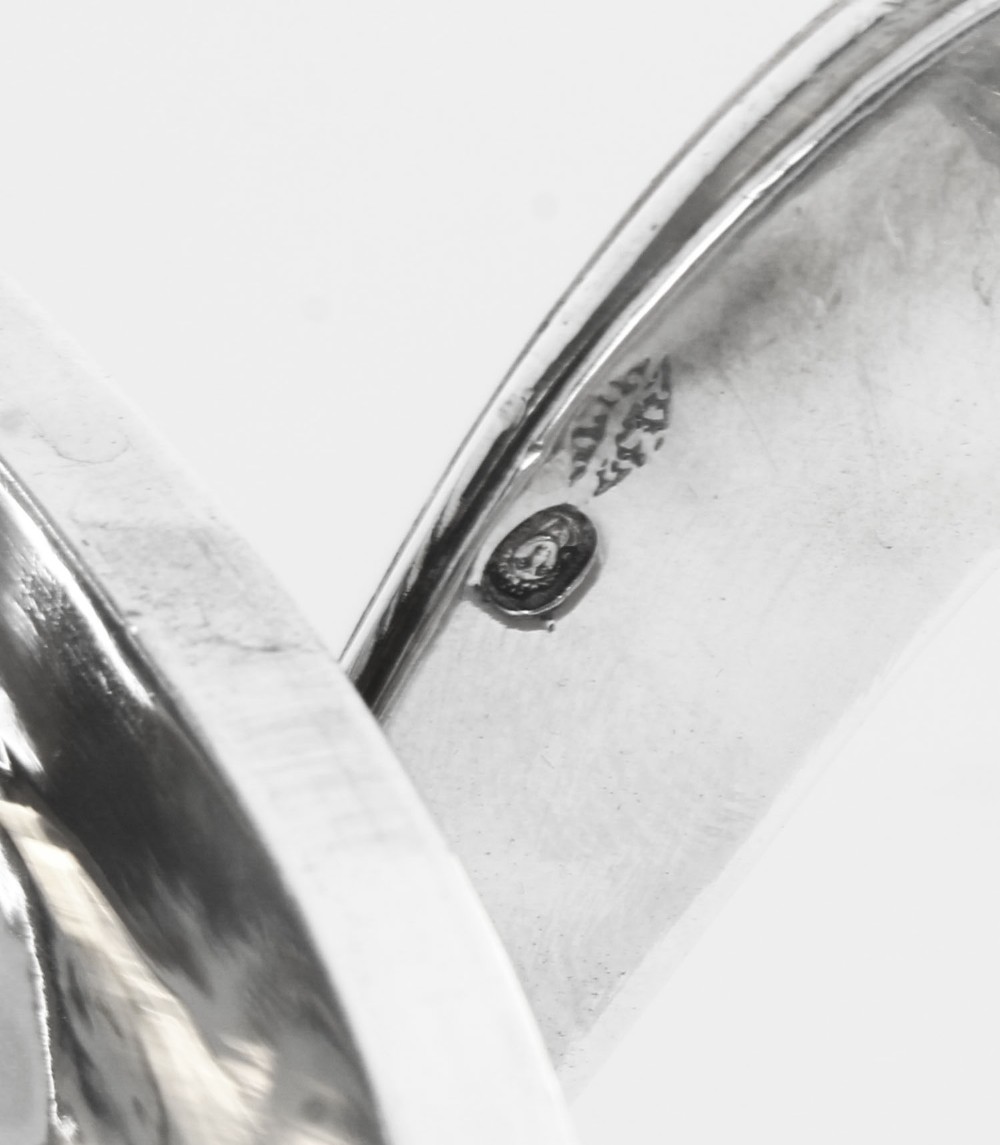
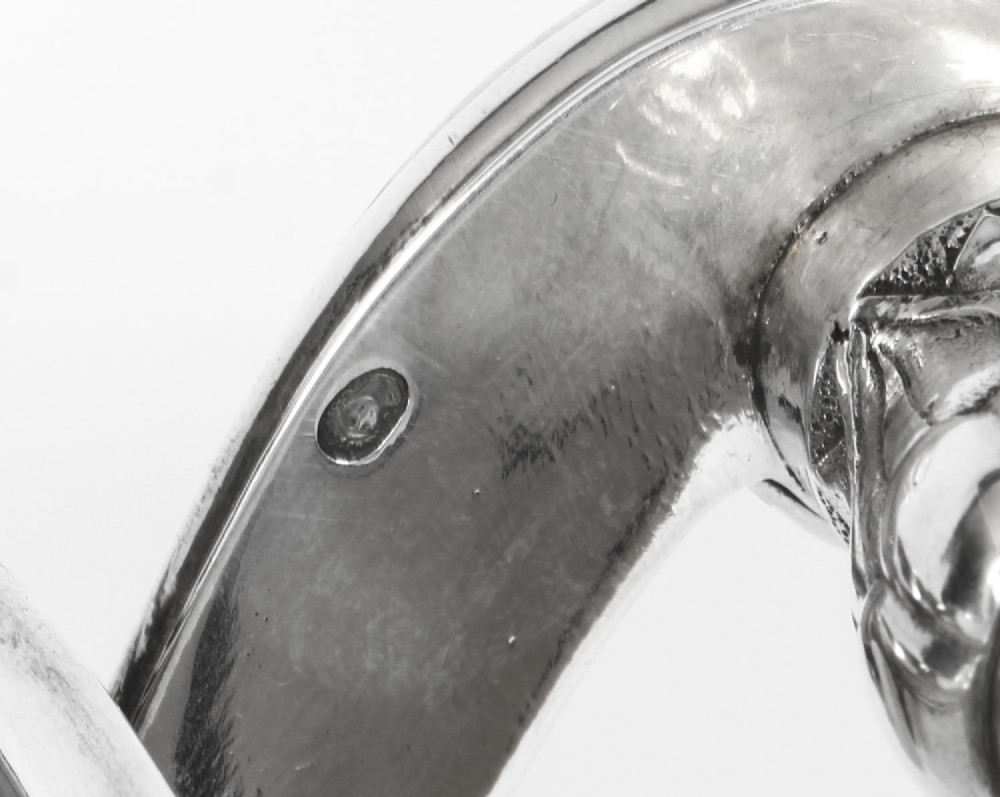
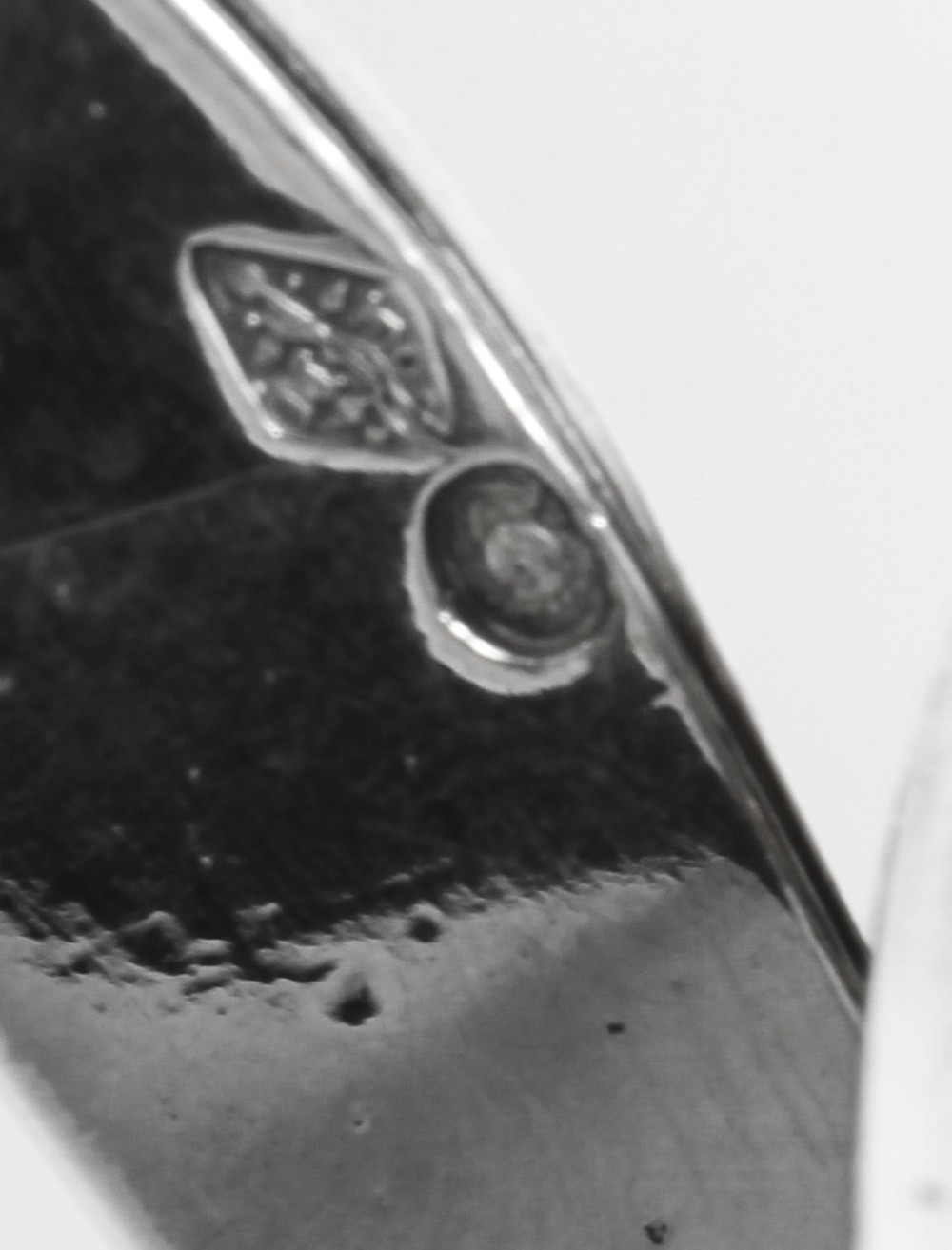
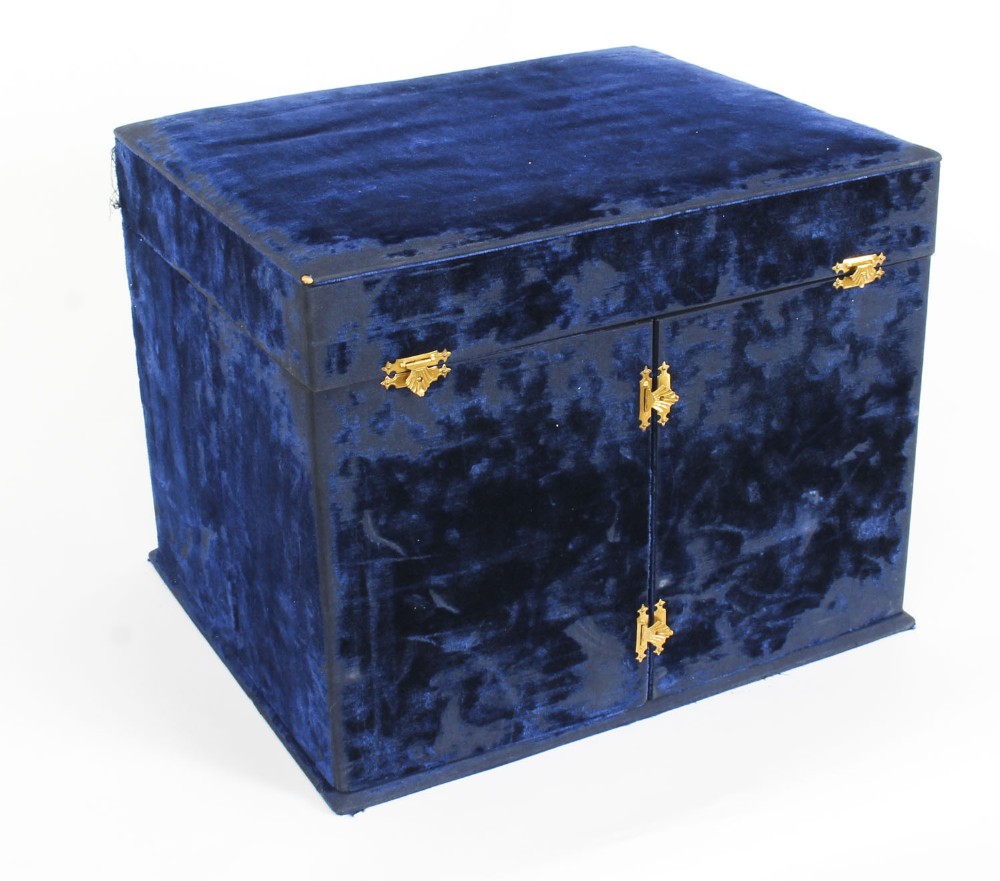
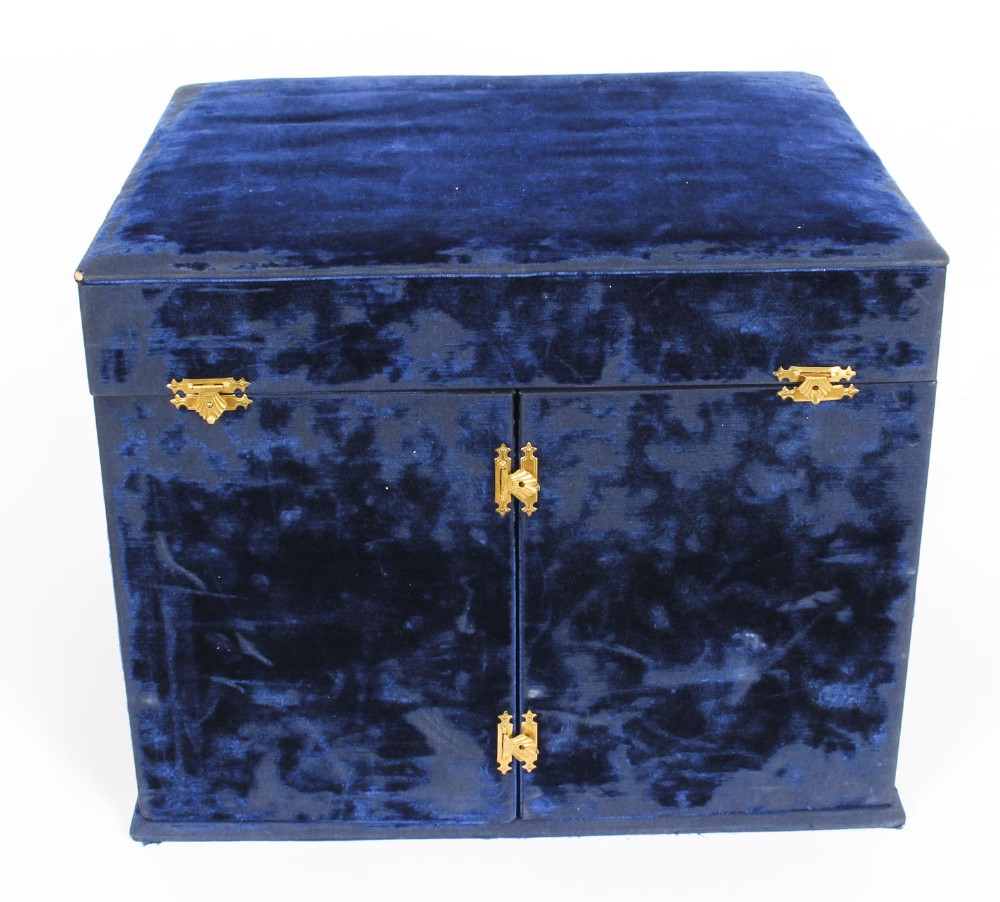
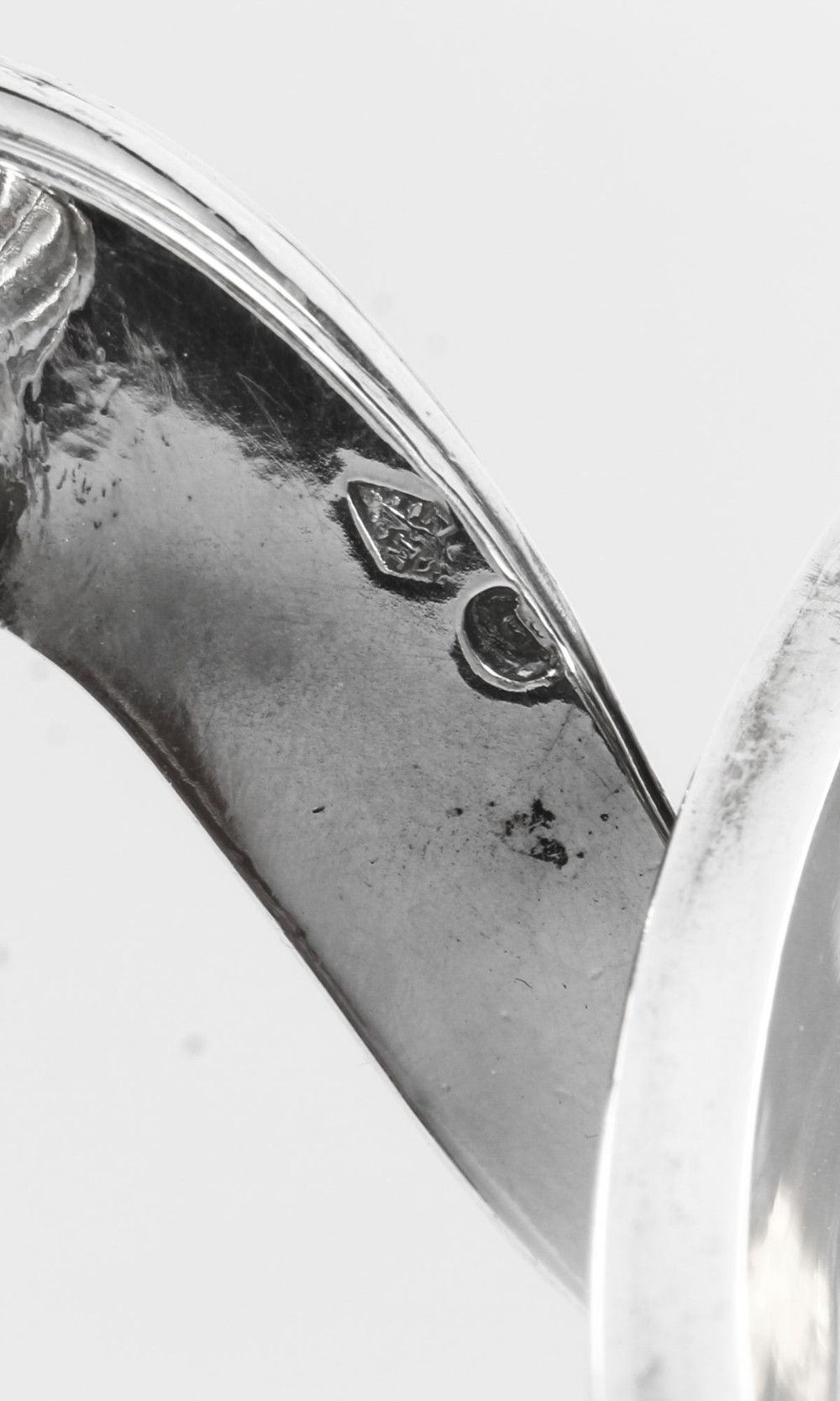
In excellent condition with clear hallmarks and no dings, dents or signs of repair. Please see photos for confirmation.
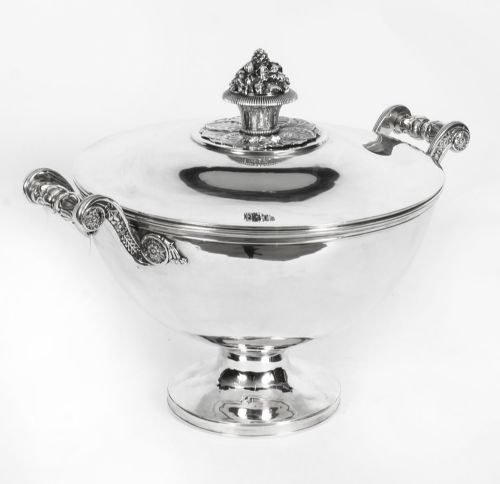
Dimensions in cm:
Height 28 x Width 37 x Depth 29
Weight 76 troy oz
Dimensions in inches:
Height 11 inches x Width 1 foot, 3 inches x Depth 11 inches
Weight 2.36 kg
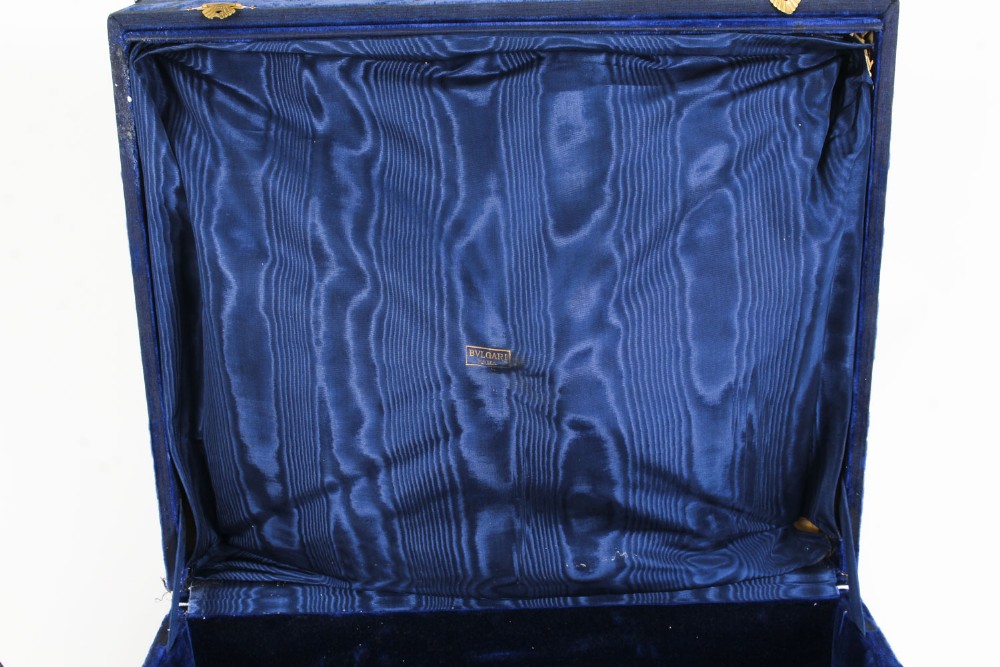
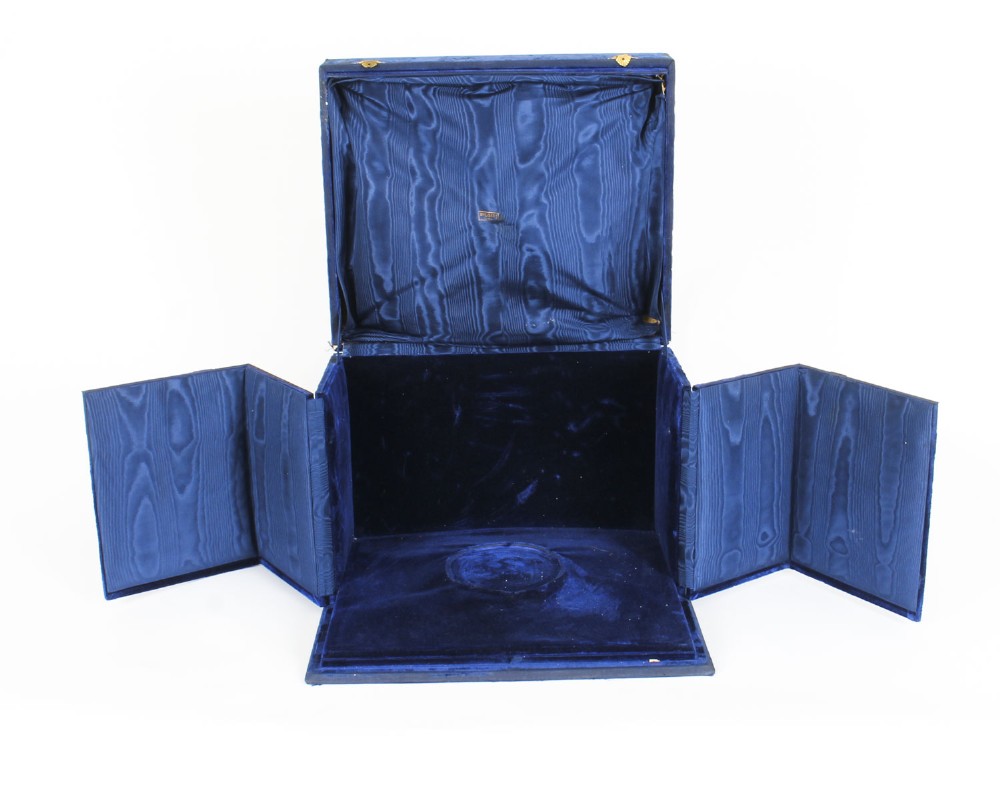
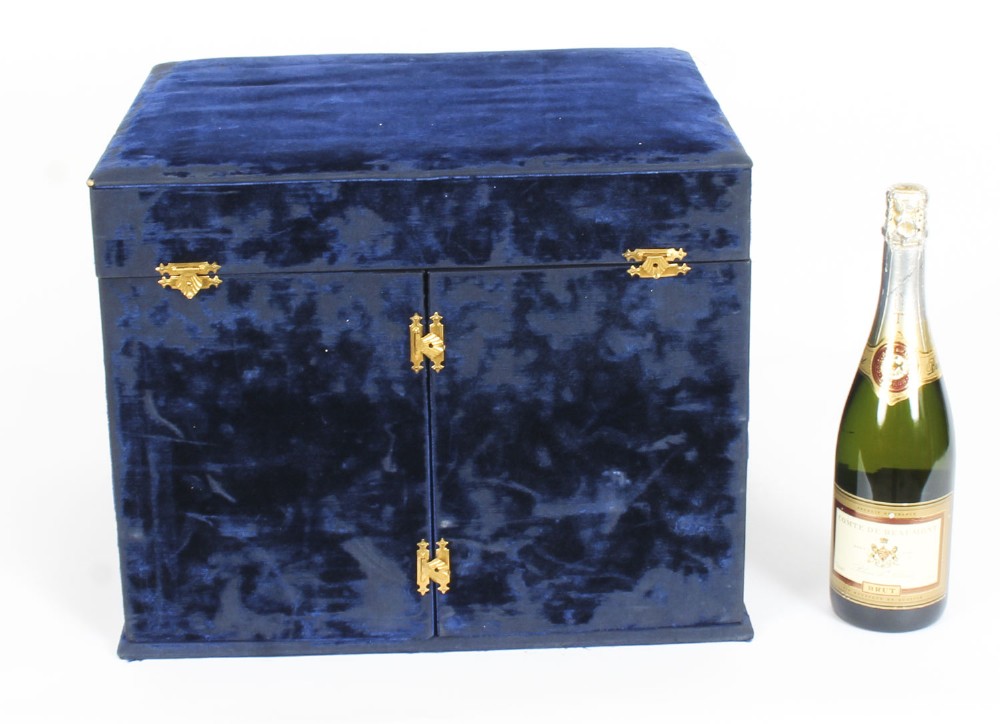
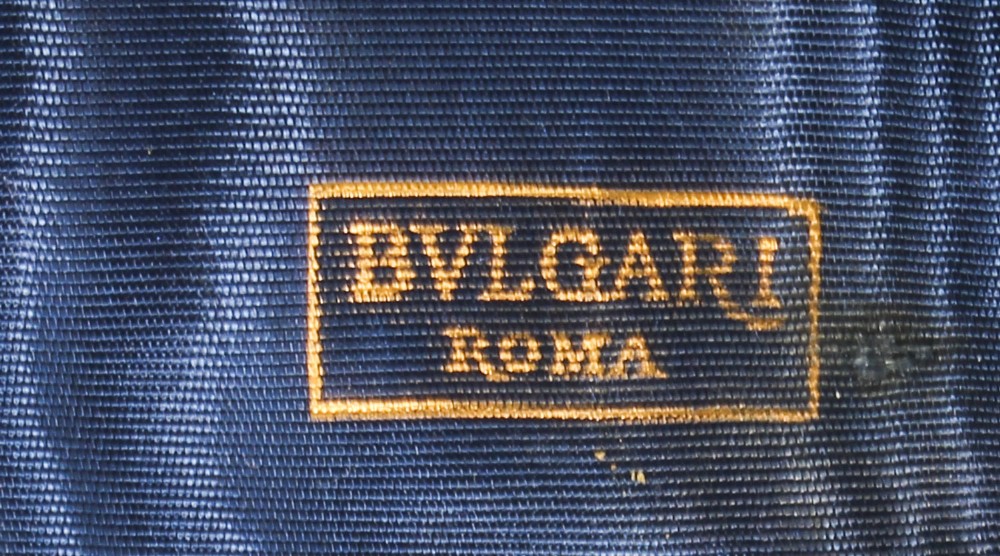
Bulgari
The founder of the Bulgari brand is Sotirios Voulgaris who was born in March 1857 and came from the Epirus Village of Paramythia, the largest Aromanian center of silversmithing in the Balkans. He was one of eleven children of his father Georgios Voulgaris (1823–1889) and his Aromanian mother Eleni Stronggaris. In 1881, Sotirios Bulgari moved to Rome and, in 1884, opened his first store on via Sistina 85. In 1888, he married Aromanian Eleni Basio with whom he had six children: Constantine-Georgios (1889–1973), Leonidas-Georgios (1890–1966), Maria-Athena (1891–1976), Sofia (1893–1908), Alexandra (1895–1984) and Spyridon (1897–1932); Leonidas-Georgios is the father of the current chairman of the company, Paolo Bulgari.[9] In 1905, he unveiled the Via Condotti shop that would become the company's flagship.[10] In its early years, Bulgari was known for silver pieces that borrowed elements from Byzantine and Islamic art, combining them with floral motifs. At the time, Paris was the apex of fashion and creativity, and its trends influenced Sotirio's designs for decades: jewels of the early 20s were characterised by platinum Art Deco settings while those of the 30s featured geometric diamond motifs—sometimes set in combination with coloured gemstones. Convertible jewels were also popular during the time, and one of Bulgari's major piece was the Trombino, a small trumpet-shaped ring.
In 1932 Sotirio died, leaving the business to his two sons, Giorgio (1890–1966) and Costantino (1889–1973), who each had a keen interest in precious stones and jewels. During the Second World War, most new jewellery was crafted out of gold, as gems were scarce, and designs became more natural feeling. As the 1940s came to a close, Bulgari introduced Serpenti bracelet-watches.
Our reference: A1390
Regent Antiques has dated this piece to the 19th Century.
We specialise in english and continental furniture, silver, porcelain and decorative items.
You can view the stock and full dealer information on the Regent Antiques Profile Page
Regent Antiques is a registered member of LAPADA CINOA
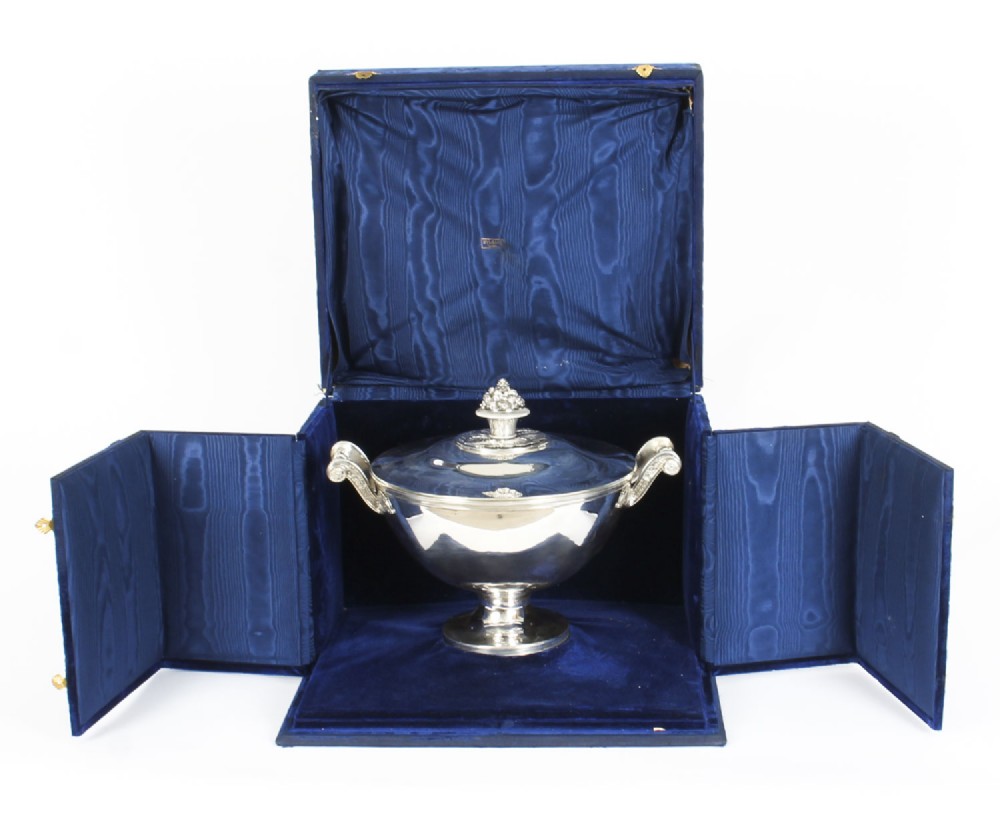
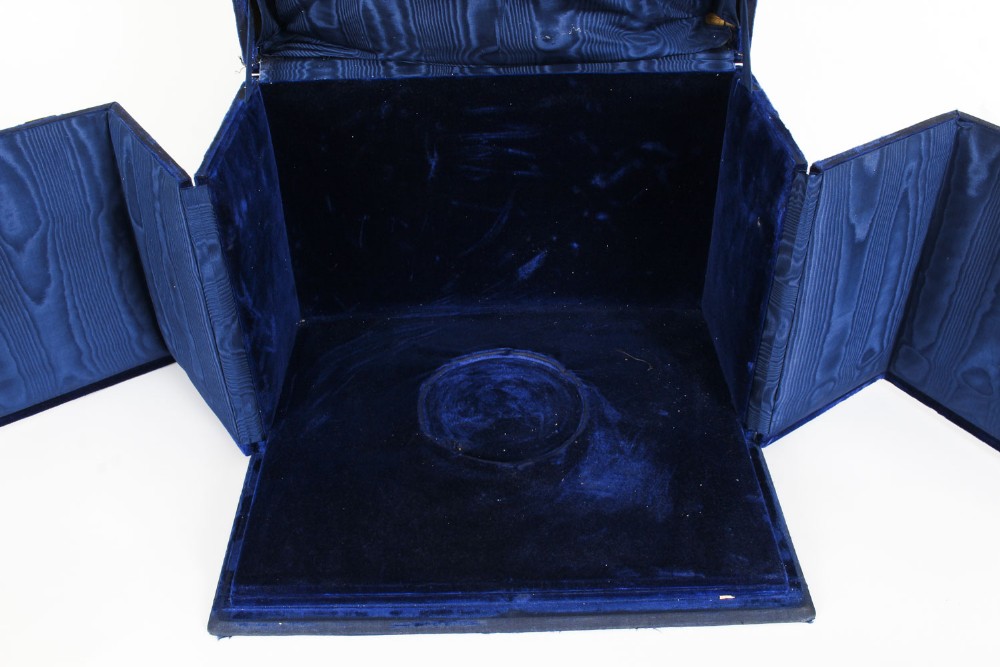
Antique Sterling Silver Tureen by Marc Jacquard Retailed by Bulgari Circa 1810