


Sterling Silver Tureen
These sterling silver tureen examples are grand serving vessels crafted for formal dining, prized for heavy metalwork and historic civic pedigree.
What a sterling silver tureen is
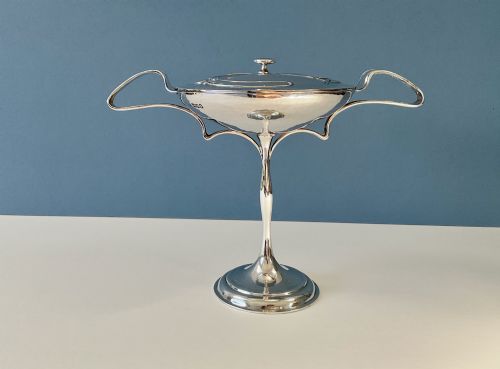
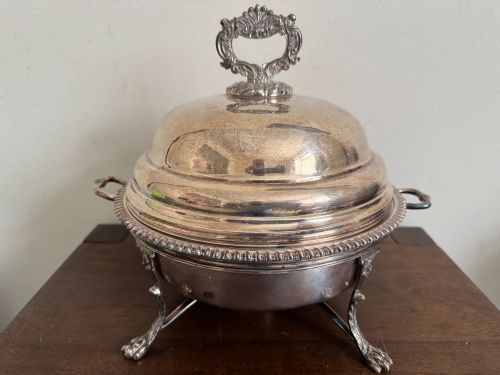
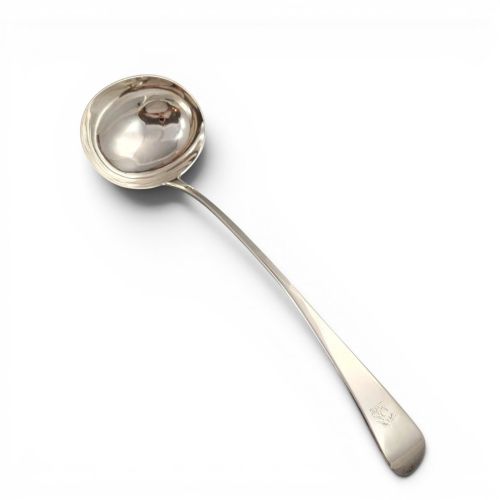
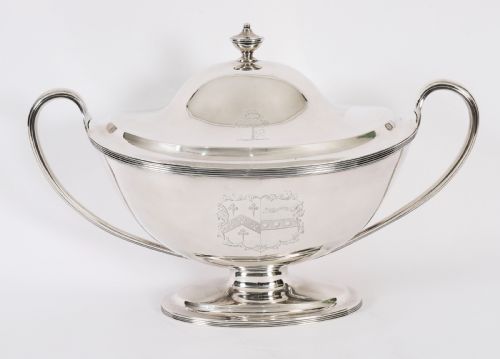
When you search for a sterling silver tureen, you encounter grand lidded vessels designed for presenting soup, sauce, or entrees at formal dining tables. The pieces available here span distinct historical eras, including George III designs, Edwardian creations, and Indian Colonial examples. The selection ranges from substantial soup tureens down to smaller sauce vessels and decorative bowls.
Georgian items often display neoclassical lines, whilst later pieces embrace organic Art Nouveau contours. You are most likely to meet solid silver constructions carrying hallmarks from renowned silversmiths active across the eighteenth and nineteenth centuries. These serveware items combine sculptural presence with practical utility for historic table settings.
How they were made
These items are fashioned from solid sterling silver, shaped through traditional smithing techniques such as raising, casting, and chasing. Silversmiths hammered heavy sheet metal into hollowware forms, then applied cast handles, feet, and decorative borders soldered securely to the main body. Surfaces received meticulous hand-chasing and polishing to define ornamental motifs.
Makers utilised high-purity silver to ensure the metal could withstand intricate detailing without compromising structural integrity. Lids were carefully fitted to corresponding bowls, often featuring cast finials shaped as foliage, animals, or heraldic elements.
Retail Price Guide 2026
Typical UK retail prices for sterling silver tureen, calculated from the Sellingantiques database of over a million retail prices indexed since 2003. This retail price guide relies exclusively on Sellingantiques data; no external sources or auction records are used, so the figures do not describe the wider market.
Listings feature sterling silver and silver items spanning the Georgian, Edwardian, and nineteenth-century periods, alongside Indian Colonial pieces.
What varies in quality
The distinction between ordinary production and superior craftsmanship rests in the weight of the metal and the crispness of the hand-chased ornamentation. Finer examples display deeply struck hallmarks, balanced proportions, and substantial gauge silver that resists flexing under daily handling. Heavy cast mounts and articulated handles indicate a higher grade of manufacture than lightweight pressed alternatives.
Authorship plays a definitive role in grading these objects, with documented makers commanding greater attention from collectors. The integration of bespoke heraldry, undamaged original gilding inside the bowl, and matching lids belonging to the same date letter elevate the standing of any piece.
William Bennett·William Grundy·Benjamin Laver·Paul Storr·Marc Jacquard·Birchall and Hayne
The Sterling Silver Tureen Glossary
- Hallmark
- Official stamps struck into precious metal indicating the assay office, standard of purity, and date letter. These marks allow historians to trace the exact year and maker of a piece.
- Finial
- A decorative knob or sculpted grip attached to the top of a tureen lid. They are frequently cast in floral or animal forms.
- Repoussé
- A metalworking technique where the silversmith hammers the design from the reverse side to form a raised pattern in relief. This creates tactile ornamentation across the body of the vessel.
- Hollowware
- Tableware items such as bowls, teapots, and tureens formed from sheet metal rather than cast en bloc. This method requires considerable skill to maintain uniform wall thickness.
- Sauce tureen
- A smaller scaled version of a soup tureen, designed specifically for holding gravies and sauces at the dining table. They are usually accompanied by a matching underted.
Frequently Asked Questions
What is a sterling silver tureen used for?
These vessels were historically utilised for serving soups, stews, sauces, or entrees directly at the dining table. Their substantial lids helped retain heat until food was served to guests.
Today, collectors often display them as centrepieces or utilise them for formal dinner service during special occasions.
How do I clean antique silver?
Maintenance requires gentle washing with warm water and mild soap, followed by drying with a soft cloth to prevent water spots. Avoid harsh abrasive dips that can strip away historic patination.
Specialist silver polish should be applied sparingly with non-abrasive cloths, taking care around chased recesses and engraved crests.
How can I date a silver tureen?
Dating relies primarily on the stamped hallmarks, which include specific date letters corresponding to the assay office active at the time of production. Stylistic clues such as neoclassical swags or Art Nouveau curves also help narrow the period.
Comparing the maker's mark against historical records confirms the active working years of the silversmith responsible for the object.
Are these pieces safe for food use?
Most solid silver tureens are manufactured from high-purity sterling silver, which is chemically stable and suitable for serving food. However, historic gilding or old repairs inside the bowl require careful inspection before culinary use.
Many modern owners choose to use them strictly for display or dry presentation to preserve their antique condition.