
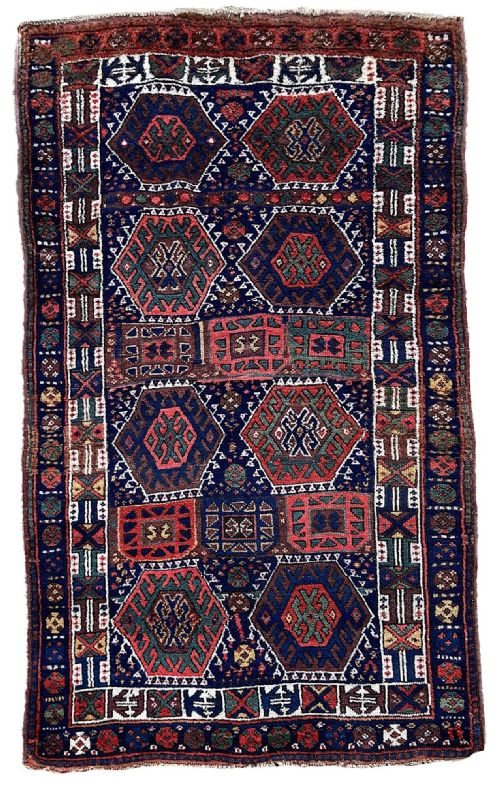


Woven Wool Accent Rug
A woven wool accent rug brings grounded texture and distinct regional motifs into a room.
Woven Wool Accent Rug
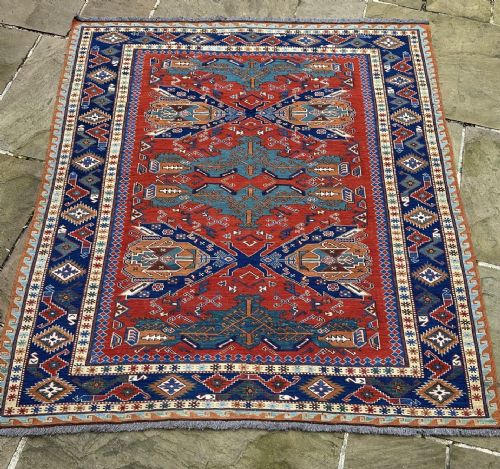
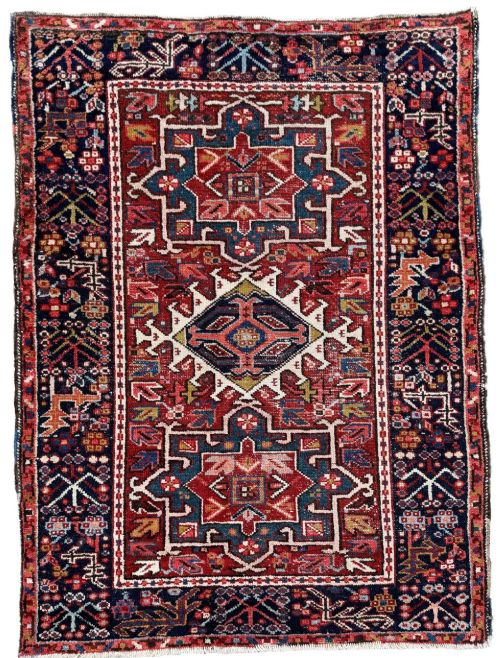
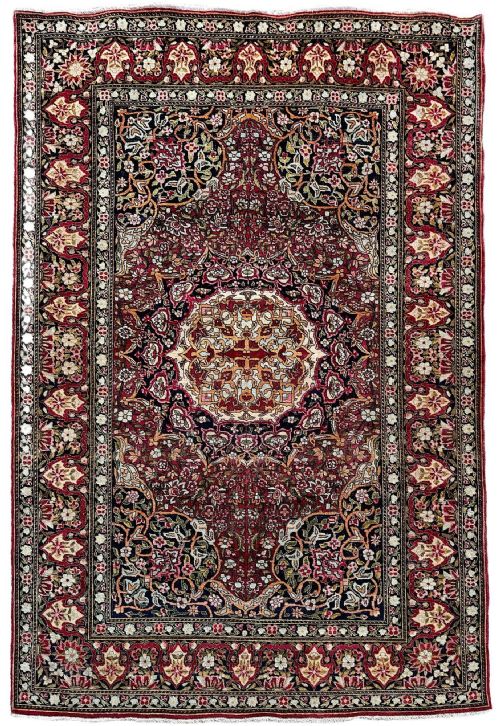
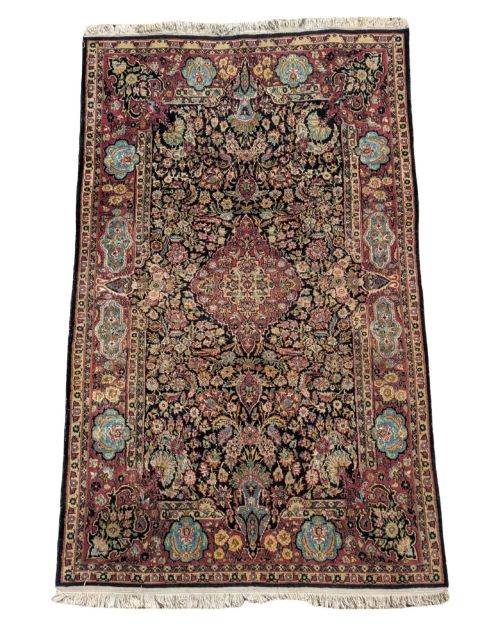
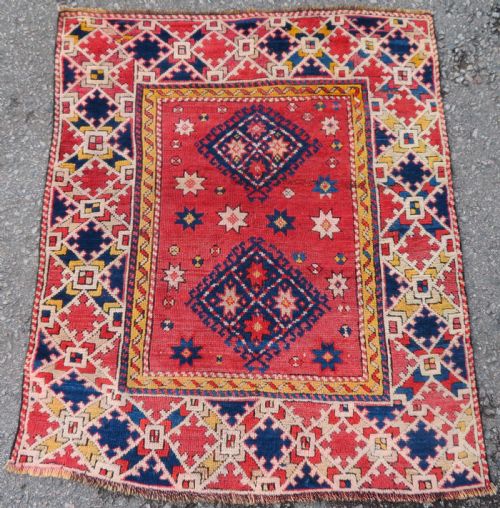
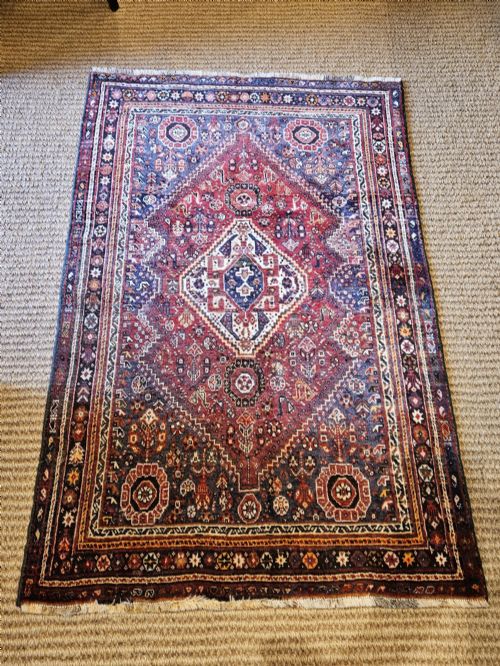
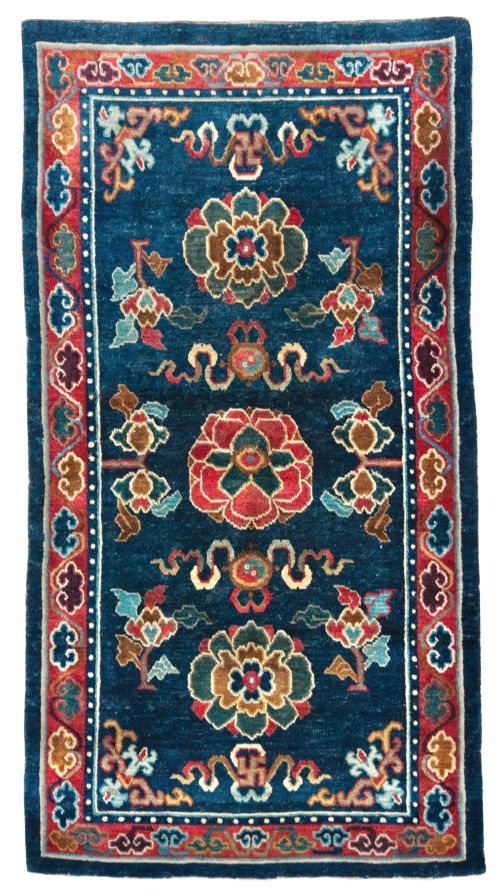
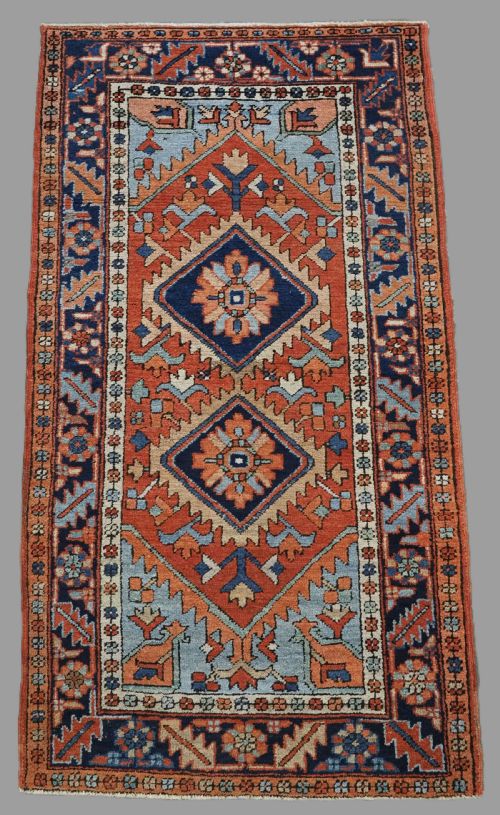
Nomadic and village pieces dominate the offerings, displaying geometric medallions, tribal symbols, and floral interpretations particular to their regions of origin. These textiles function practically to define smaller floor spaces or seating areas while introducing rich colour palettes derived from traditional sources. The variety spans from compact Kurdish and Afshar tribal rugs to Bessarabian kilims and Tibetan khadens.
Materials and construction
These textiles rely primarily on wool, often hand-spun, combined with cotton or occasional silk highlights for structural contrast and detail. Artisans utilised natural dyes to achieve deep, enduring tones across various fields and borders, developing patinas that evolve gracefully over time.
Construction methods involve traditional hand-weaving techniques characteristic of specific regional traditions, from dense pile knots on sturdy foundations to flatweave kilim structures. The integration of wool fibres provides inherent resilience, making these historical pieces suitable for continuous domestic use.
Nomadic weavers occasionally wove tiny personal amulets directly into the margins to ward off bad luck during the long winters.
Assessing quality in historical textiles
Quality rests upon the tightness of the weave, the precision of the knotting or flatweaving technique, and the integrity of the foundational materials. Finer knots and robust hand-spun wool foundations generally indicate greater artisan skill and longevity.
The sophistication of the design execution and the vibrancy or complexity of the natural dye palette further differentiate examples. Pieces showing deliberate compositional balance and careful colour distribution represent the finer end of the spectrum.
The Woven Wool Accent Rug Glossary
- Kilim
- A flatweave carpet or textile made without a pile, produced by tightly interweaving warp and weft strands. This technique results in a thin, reversible fabric often featuring bold geometric patterns.
- Prayer rug
- A small textile featuring a central niche design known as a mihrab, historically utilised for individual daily prayer. These rugs often display directional motifs oriented toward a specific point.
- Warp
- The vertical foundation threads stretched tightly on a loom before weaving begins. The weft threads are passed horizontally across and under these structural elements.
- Natural dye
- Colouring matter derived from plant, insect, or mineral sources rather than synthetic chemicals. These dyes produce complex, muted tones that mellow harmoniously as they age.
Woven Wool Accent Rug: Frequently Asked Questions
How were these small rugs used historically?
These small textiles served diverse domestic and nomadic functions, ranging from floor coverings and prayer mats to storage bags and cushioning. Pastoral communities utilised them within tents and permanent dwellings for insulation and daily seating.
Over generations, many formats transitioned from utilitarian items to decorative accents, prized for their portability and the cultural narratives woven into their designs by specific tribes and regions.
Where do these regional designs originate?
The geographical origins span the Near East, Central Asia, and Eastern Europe, encompassing workshops and nomadic routes across Persia, Anatolia, the Caucasus, and beyond. Each locale developed distinct aesthetic vocabularies based on local materials and tribal traditions.
Persian and Anatolian regions frequently focused on intricate medallions and floral adaptations, while Caucasian and Turkmen makers favoured starker geometric patterns and saturated primary colours.
How do I care for a historical wool rug?
Maintenance requires gentle handling, starting with regular, careful vacuuming without a rotating brush bar to protect the aged wool fibres. Professional cleaning tailored to antique textiles ensures the preservation of natural dyes and foundational integrity.
Placing the rug out of direct, prolonged sunlight helps prevent the fading of natural colourants, while using a breathable underlay protects the weave from friction against hard flooring.
How can I tell different regional styles apart?
Distinguishing styles involves examining the characteristic colour palette, knotting density, and specific geometric or floral motifs employed by the makers. For instance, Caucasian pieces often exhibit bold, angular polygons, whereas Isfahan or Kirman works showcase refined curvilinear floral arrangements.
Border designs and the choice of foundation materials, such as cotton versus wool warps, provide further clues to pinpointing whether a piece hails from a village workshop or a nomadic camp.