




Antique Prayer Carpet
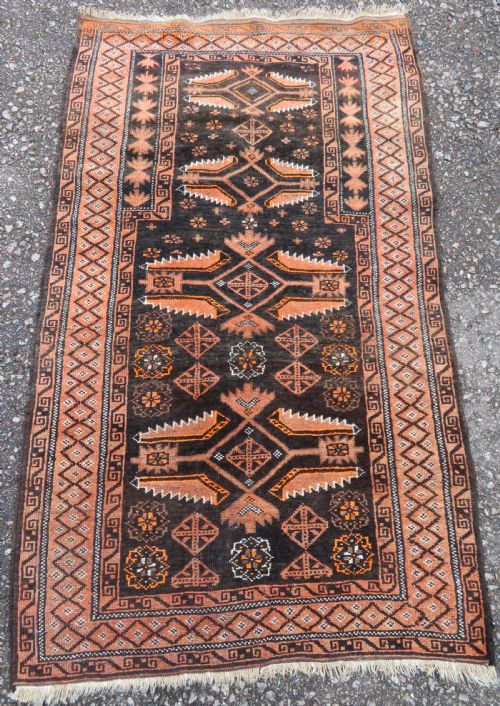
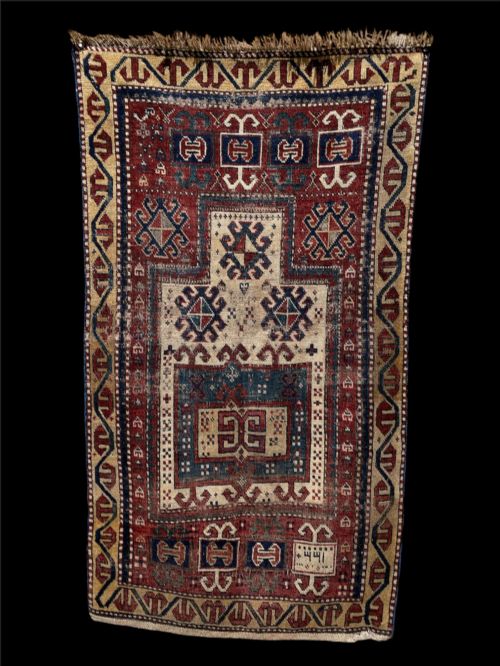
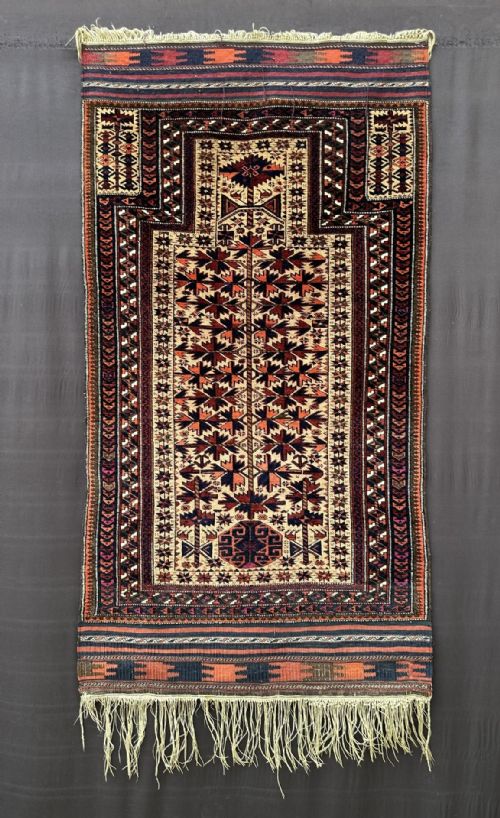
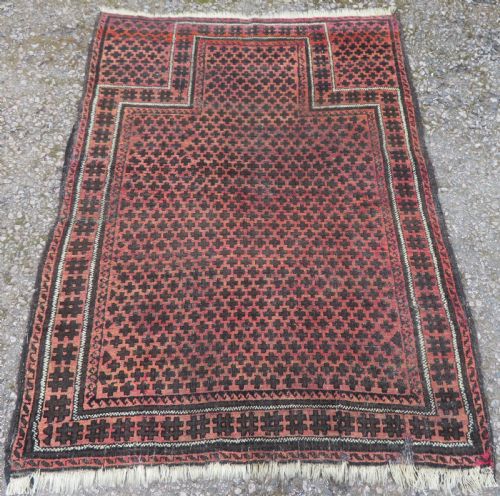
When you search for an antique prayer carpet, you are looking at woven floor coverings defined by their architectural niche designs made for devotional use.
Antique Prayer Carpet
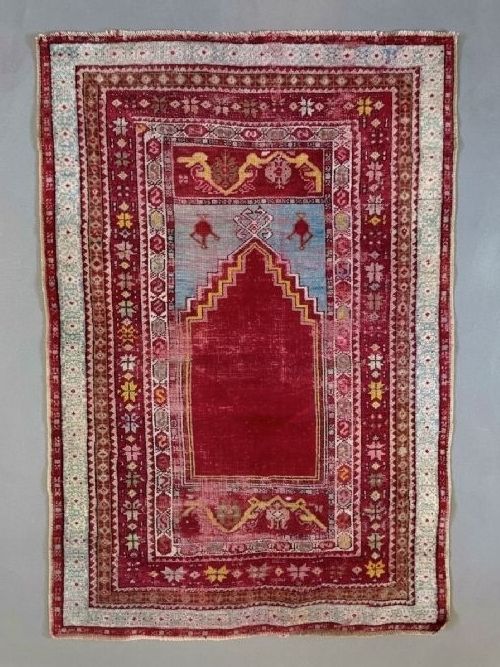
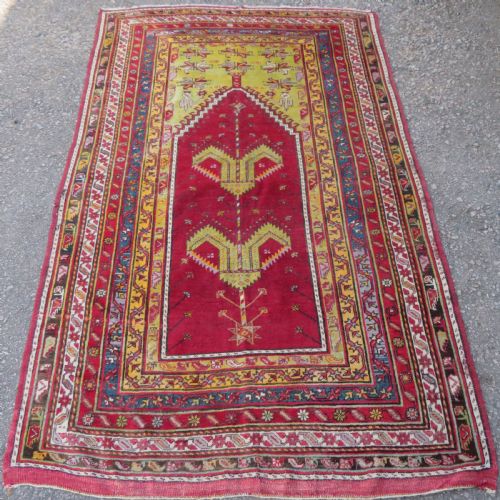
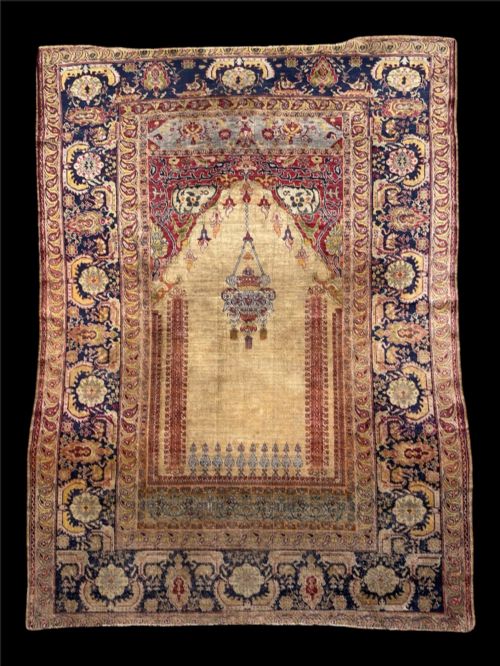
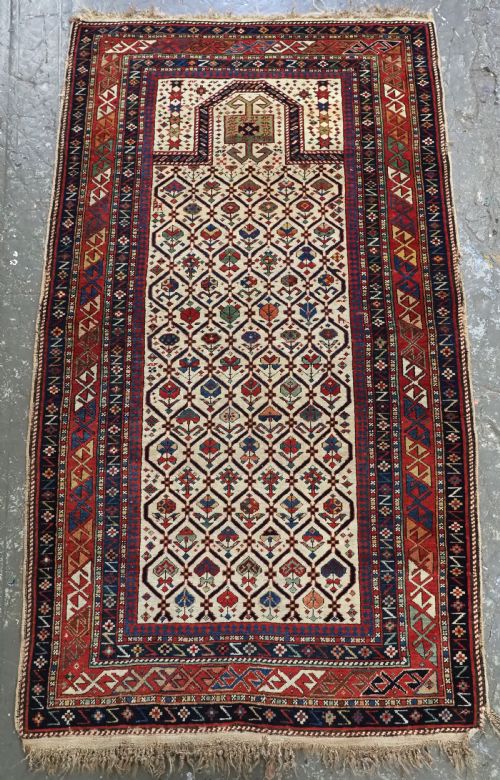
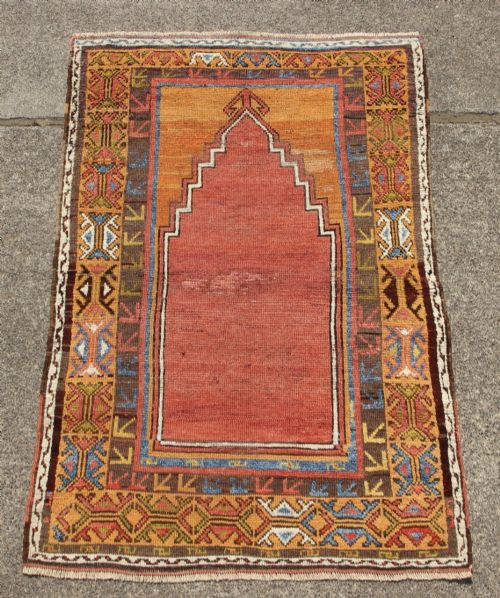
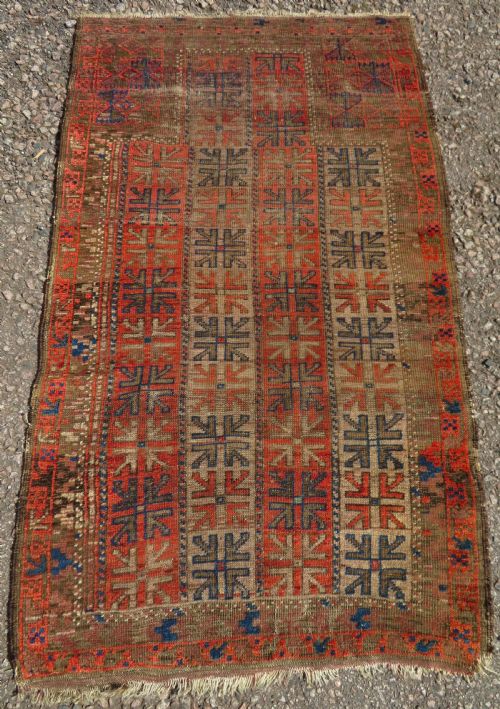
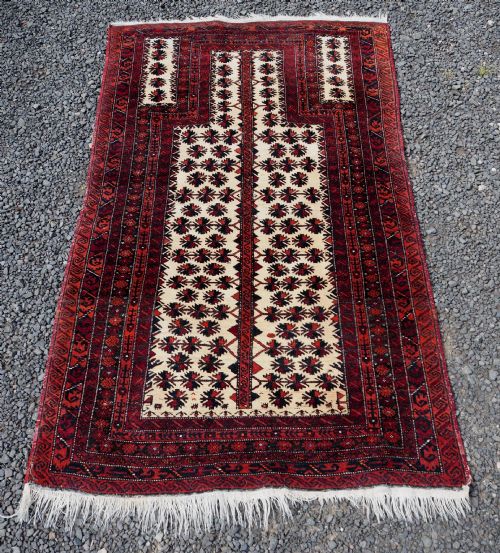
An antique prayer carpet serves a devotional purpose, traditionally featuring a distinct arched motif known as a mihrab that points toward Mecca during daily prayers. These woven pieces originate from major weaving centres across Turkey, the Caucasus, Persia, and Afghanistan, reflecting the cultural traditions of each specific region.
You are most likely to encounter smaller format pieces designed for individual personal use rather than large room-sized floor coverings. The surviving examples span from the mid-nineteenth century through the early twentieth century, showing regional variations in medallion placement and border geometry.
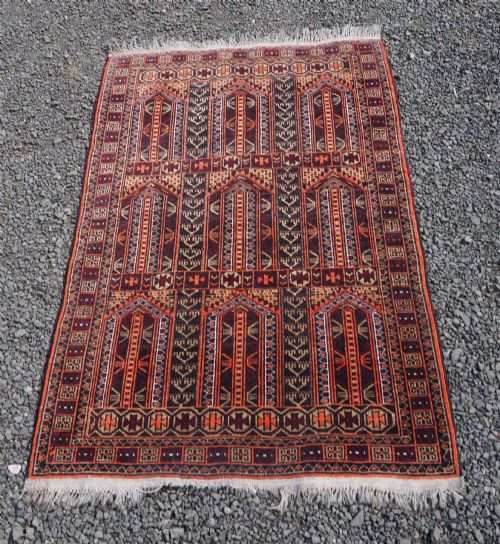
The compositions often incorporate floral lattices, trees of life, or double prayer niches depending on whether they were woven by village artisans, nomadic tribes, or urban workshops. Each piece captures the specific stylistic preferences and knotting techniques of its geographic origin.
Materials and construction methods
Weavers relied principally on sheep wool, hand-spun wool, and cotton foundations, occasionally incorporating silk or camel hair for specific tactile contrasts and fine detail work. Natural dyes extracted from plants and minerals provided the rich palette of reds, blues, and ivories seen across the pieces.
The construction involves hand-knotting wool or silk yarns onto warp and weft foundations, often finished with woven kilim ends or braided fringes to protect the structural integrity of the ends. Nomadic and village pieces display heavier wool utilisation, while urban workshop examples frequently utilise finer cotton foundations and tighter knot counts.
Antique Prayer Carpet Retail Price Guide 2026
Typical asking prices for prayer carpet among the pieces listed under this phrase on Sellingantiques today, from the lower quarter to the upper quarter. They describe what is for sale here now, not the wider market.
Listings feature pieces originating from Anatolian, Caucasian, Persian, and Afghan traditions, spanning the mid-nineteenth to the early twentieth century.
Distinctions in quality and execution
The standard of an antique prayer carpet depends heavily on the crispness of the drawing within the mihrab and the saturation of the natural dyes used in the field. Finer examples display precise geometry and balanced proportions in the borders, whereas simpler village or tribal pieces exhibit charming irregularities in symmetry and line.
Material selection and handling of the wool also dictate the longevity and handle of the textile, with hand-spun yarns yielding a more supple drape. The choice between standard wool pile and supplementary silk highlights distinguishes standard utilitarian formats from more ambitious urban commissions.
Kayseri·Kashan·Isfahan·Kirman
The Antique Prayer Carpet Glossary
- Mihrab
- The arched niche design at one end of the carpet that mimics the prayer niche in a mosque wall. It directs the user's orientation during devotional practices.
- Knot count
- The density of individual knots per square unit of the carpet. Higher density typically permits more intricate curved drawing in floral and lattice motifs.
- Warp
- The vertical foundational threads stretched taut on the loom before knotting begins. The visible fringes at either end of the rug are extensions of these structural threads.
- Weft
- The horizontal threads passed alternately over and under the warp threads after each row of knots. They bind the knots securely in place.
- Natural dyes
- Colourants derived from organic sources such as plants, insects, and minerals prior to the introduction of synthetic alternatives. They age gracefully and develop a rich patina over time.
Antique Prayer Carpet: Frequently Asked Questions
What is a mihrab design?
The mihrab is the characteristic pointed arch at the top of the field that defines these rugs. It represents the architectural prayer niche found in mosques.
Weavers adapted this motif so that owners could use the textile as a portable prayer space oriented correctly during daily devotions.
How do I care for an antique rug?
Gentle vacuuming without a rotating beater bar prevents dust accumulation in the wool pile. Professional cleaning by specialists in antique textiles is essential when deeper maintenance is needed.
Keeping the piece out of direct, intense sunlight protects the natural dye colours from fading over the years.
Where were these pieces woven?
Production centres span across Anatolia, the Caucasus, Persia, and the borderlands of Afghanistan. Each region developed distinct palettes, border patterns, and structural characteristics.
Nomadic tribes, village households, and urban workshop centres all contributed to the diverse range of surviving examples.
What materials were used?
Sheep wool forms the primary pile material across the majority of surviving examples, often hand-spun for local village production. Cotton foundations provide structural stability, while select pieces incorporate silk or camel hair.
Natural dyes derived from plants and minerals supply the traditional colour palette seen across nineteenth and early twentieth century pieces.