


Antique Konya Rug
An antique konya rug brings the rich tribal weaving traditions of Central Anatolia straight to your floor.
Antique Konya Rug
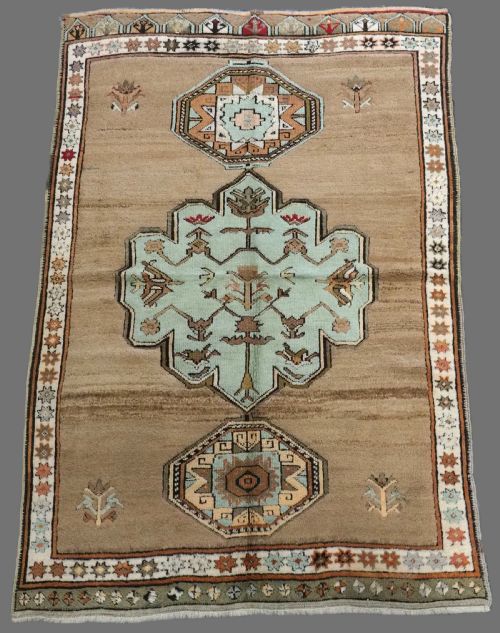
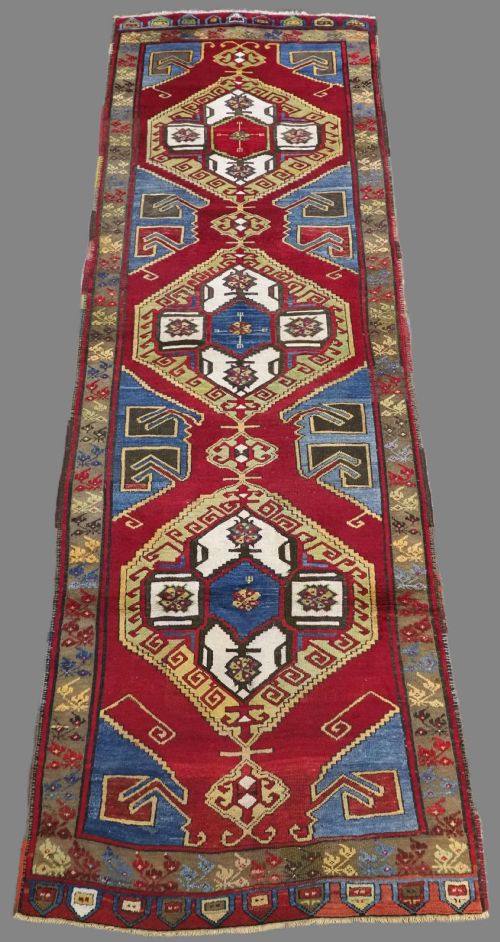
An antique konya rug represents the historic village and nomadic weaving traditions originating from the Konya region in Central Anatolia. These pieces encompass various practical formats including area rugs, long runners, flatweave kilims, and smaller yastiks.
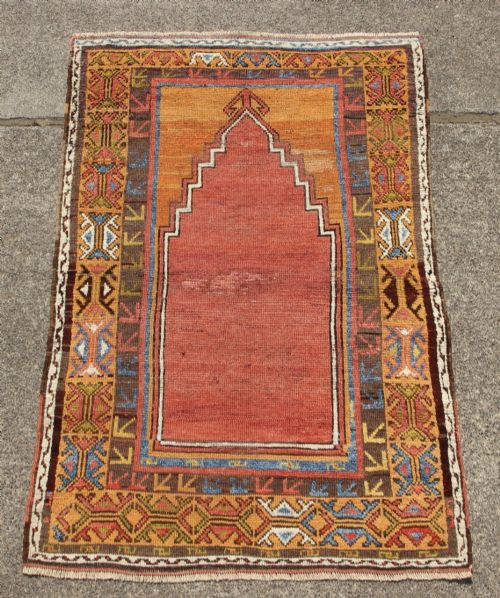
The prayer rug format appears frequently across the selection, often featuring distinct mihrab designs linked to regional village workshops. Pieces span from the early 19th century through to the early 20th century, displaying strong Anatolian tribal influences.
How They Were Made
Weavers utilised natural materials such as hand-spun wool, cotton foundations, and camel wool, often dyed using traditional vegetable dyes to achieve soft, earthy colour palettes. Construction methods vary from pile-woven formats to flatweave kilim and cicim embroidered panel techniques.
The integration of local wool and durable knotting practices ensured these village textiles could withstand daily domestic use while retaining their structural integrity over generations.
Antique Konya Rug Retail Price Guide 2026
Typical asking prices for konya rug among the pieces listed under this phrase on Sellingantiques today, from the lower quarter to the upper quarter. They describe what is for sale here now, not the wider market.
Materials recorded across the inventory include wool, cotton, camel wool, hand-spun wool, and vegetable dye.
What Varies in Quality
The distinction between average examples and finer specimens rests upon the clarity of the design and the handling of the vegetable dyes. Subtle shifts in tone and the richness of the wool pile elevate certain village pieces above standard production.
Structural preservation and the integrity of the original borders or flatweave ends also play a significant role in determining the overall character of each textile.
The Antique Konya Rug Glossary
- Mihrab
- A niche design characteristic of prayer rugs, representing a directional arch towards Mecca.
- Kilim
- A flatweave textile produced without a pile, utilising interlocking weft techniques.
- Yastik
- A small Turkish cushion cover or small rug format traditionally used for seating.
- Cicim
- An embroidered supplementary weft technique creating raised patterns across the textile surface.
- Memlinc Gul
- An octagonal tribal gul motif frequently found in early Anatolian and regional carpets.
Antique Konya Rug: Frequently Asked Questions
Where were antique konya rugs made?
These textiles originate from Konya and surrounding villages in Central Anatolia, an established historic centre for rug production.
Local weavers produced these pieces within regional communities, incorporating distinct village motifs and traditional weaving techniques.
How do I identify a prayer rug?
Prayer rugs feature a prominent architectural arch known as a mihrab, designed to direct the placement of the rug during daily prayers.
This central motif distinguishes them from standard area rugs and runner formats found within the region.
Are flatweave kilims durable?
Flatweave kilims and half-kilim runners are constructed without a pile, making them lightweight and versatile for various floor spaces.
Their tight weave provides good durability, though the use of appropriate underlays helps protect the historical foundation.
What materials are used in these rugs?
The pieces utilise traditional materials including hand-spun wool, cotton foundations, and occasionally camel wool for natural warmth and varied texture.
Colouring is achieved through traditional vegetable dyes, which produce soft, harmonious tones that age gracefully.