




Ethnic Tribal Runner Carpet
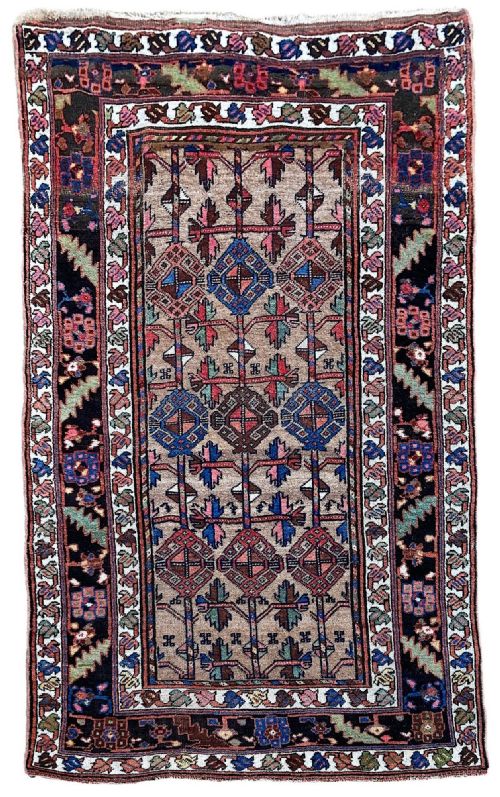
These ethnic tribal runner carpet examples bring genuine nomadic character and rich geometric patterns into a hallway or narrow room.
Ethnic Tribal Runner Carpet
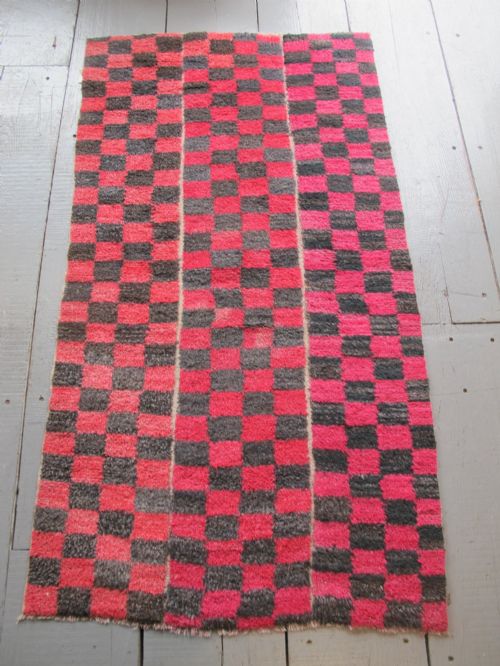
An ethnic tribal runner carpet provides a long, narrow format suited to corridors and stairways, combining utility with distinct cultural artistry. You encounter pieces originating from Kurdish lands, the Caucasus, Central Asia, and Tibet, spanning the nineteenth century through the early decades of the twentieth century.
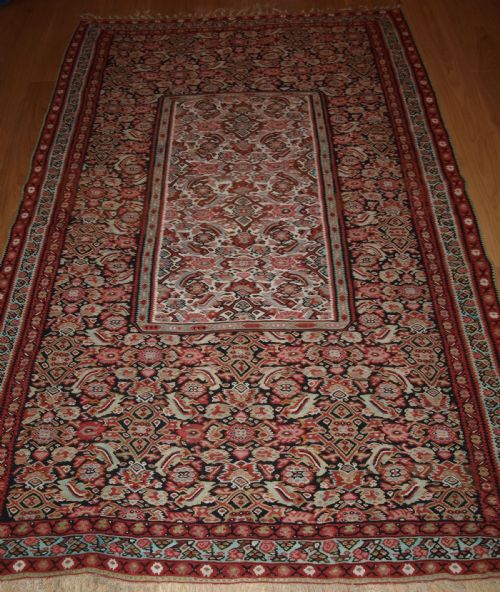
The selection here includes specific runner formats alongside broader village rugs, meditation pieces, kilim panels, and traditional carpets. Each piece reflects the weaving traditions of nomadic and village makers working across diverse regional landscapes.
Makers produced these textiles for domestic use or specific cultural practices, resulting in enduring formats like the Kurdish runner or Central Asian kilim panel. These items introduce distinct historical depth and varied pile or flatweave textures to domestic interiors.
How they were made
Weavers relied principally on wool, frequently utilising hand-spun wool and Tibetan wool alongside structural cotton foundations. Certain pieces incorporate goat hair for added durability along the selvedges or foundation.
Construction techniques range from knotted pile carpets to flatwoven kilim panels and meditation rugs. Artisans worked within distinct regional repertoires, employing traditional dyeing methods and wool preparation to achieve lasting structural integrity.
The listings here encompass wool, hand-spun wool, Tibetan wool, goat hair, and cotton, spanning periods from the nineteenth century to 1930.
What varies in quality
Quality rests upon the handled integrity of the materials, notably the grade of hand-spun wool and the tightness of the knotting or flatweave construction. Superior pieces demonstrate exceptional crispness in graphic design and careful execution of regional motifs.
The depth and vibrancy of the original dye palette contribute significantly to a piece's standing, alongside the preservation of the original ends and selvedges. Greater tactile weight and resilience in the wool indicate superior original creation.
The Ethnic Tribal Runner Carpet Glossary
- Runner
- A long, narrow carpet format designed primarily for hallways, corridors, and staircases. It balances linear proportions with repeating central motifs.
- Kilim
- A flatwoven textile produced without a pile by tightly interweaving warp and weft threads. This technique creates a smooth, durable surface with sharp geometric patterns.
- Kurdish
- Pertaining to the weaving traditions of Kurdish communities inhabiting regions across northwest Persia and surrounding areas. These textiles are known for robust construction and bold tribal patterns.
- Meditation rug
- A smaller format textile traditionally used for contemplative practices in Tibetan culture. These pieces frequently display specific symbolic iconography and smaller dimensions.
Ethnic Tribal Runner Carpet: Frequently Asked Questions
Where should I place a runner carpet?
These long, narrow textiles suit hallways, corridors, and entryways where floor coverings soften footsteps and add visual interest to transitional spaces.
Ensure you use an appropriate underlay to keep the piece stable on hard flooring and prevent sliding during daily use.
How do I clean an antique wool rug?
Regular gentle vacuuming without a rotating brush roll helps remove embedded dust from the wool pile. Professional specialist cleaning is necessary for deep washing to protect the natural fibres and dyes.
Avoid soaking the textile or using standard household detergents, which can damage hand-spun wool and cause colour bleeding.
How do I identify a tribal design?
Tribal designs typically display geometric motifs, stylized animals, plants, and symbolic medallions rather than precise floral curves found in workshop carpets. These patterns reflect the local traditions and personal expressions of nomadic or village weavers.
Asymmetry and variations in colour shading often indicate hand-knotted production by independent makers rather than mass manufacturing.
What materials were used in these carpets?
Most examples utilise wool, hand-spun wool, or Tibetan wool for the pile and surface design. Cotton and sometimes goat hair frequently provide strong foundation warps and wefts for structural durability.
These natural materials contribute to the resilience and tactile character developed over decades of use.