


Brown Oriental Runner
Brown oriental runner pieces are handwoven tribal carpets and long rugs offering deep earthy palettes and historic nomadic patterns for hallway spaces.
Brown Oriental Runner
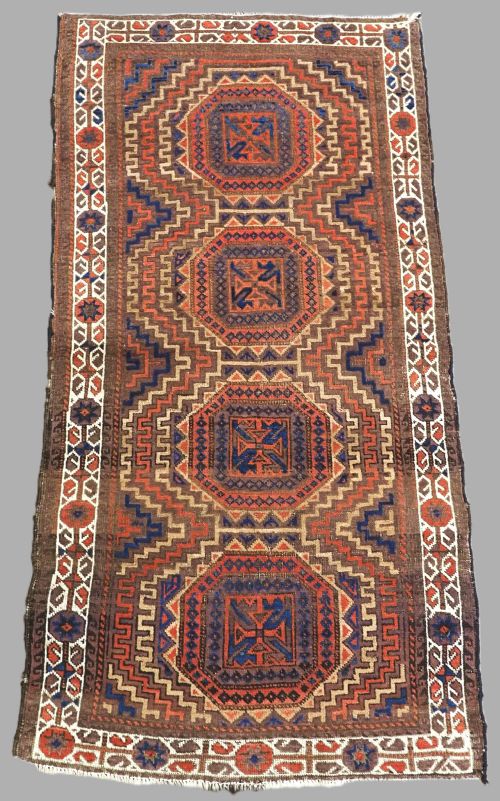
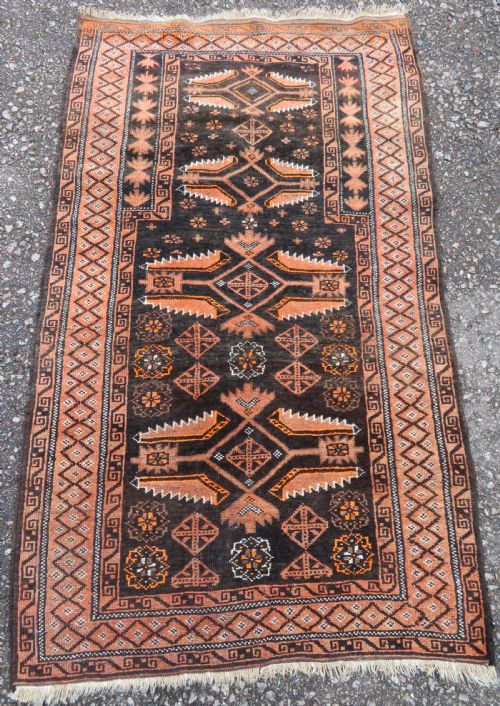
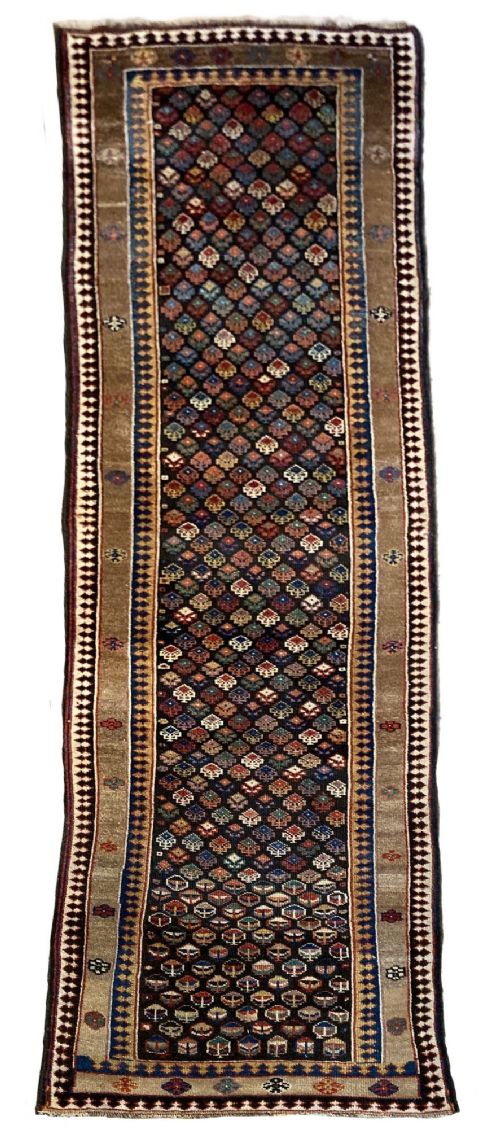
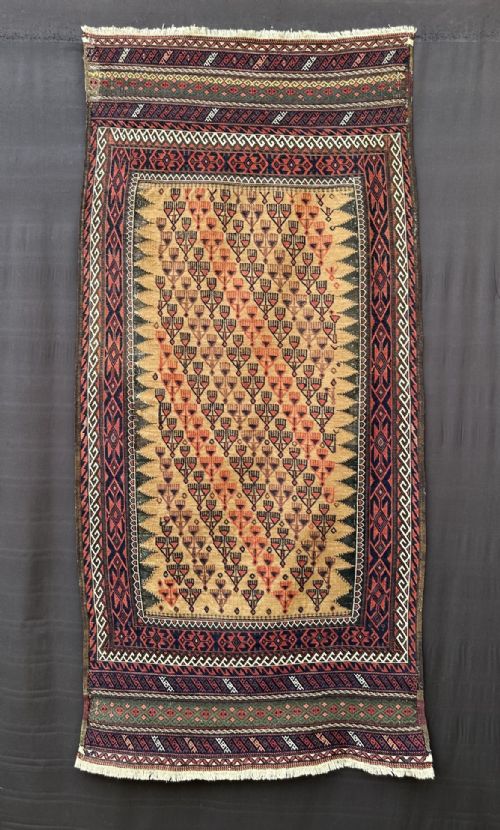
When you search for a brown oriental runner, you examine handwoven tribal and nomadic floor coverings originating from Persia, Afghanistan, and the Caucasus. These narrow formats include hallway runners, long rugs, and kilims produced across the nineteenth and early twentieth centuries by various regional groups and tribes.
The selection encompasses specific tribal styles such as Baluch, Kurdish, and Turkmen, alongside prayer rugs and flatweaves. Makers utilised rich natural dyes to achieve dark brown, terracotta, and madder grounds, patterned with guls, shrub motifs, and geometric borders characteristic of nineteenth-century weaving traditions.
Most items meeting this description date from the late nineteenth century up to the 1930s, reflecting traditional village and nomadic craftsmanship. Pieces range from small utilitarian pushtis and prayer mats to substantial room-size runners designed for heavy domestic use.
How they were made
Weavers constructed these textiles primarily using hand-spun wool, cotton foundations, and occasionally camel wool or goat hair for added durability in field and border areas. Artisans harnessed natural dyes extracted from plants and minerals to colour the fleece, yielding deep brown tones that mellow gracefully over decades of exposure.
Production methods involved diverse knotting and flatweaving techniques, including piled knots, soumak wrapping, and mixed technique tapestries. Nomadic workshops often joined panels or incorporated long kilim ends, applying tight structural weaves to withstand daily foot traffic in corridors and tent interiors.
Some Baluch rugs include hidden protective motifs woven by makers to ward off the evil eye in desert camps.
What varies in quality
Quality rests upon the fineness of the wool preparation, the clarity of the natural dyes, and the tightness of the knotting or weave structure. Finer examples display meticulous symmetry in tribal guls and geometric motifs, maintaining structural integrity across foundation warps and wefts.
The depth and variation of the brown palette distinguish superior weaving, as skilfully dyed wool retains a rich lustre and tonal complexity. The execution of intricate border bands and the preservation of original kilim ends further separate standard village productions from exceptional tribal commissions.
The Brown Oriental Runner Glossary
- Gul
- A medallion or repeating octagonal motif frequently found in Turkmen and Baluch tribal carpets. This primary design element often symbolises specific ancestral clans or tribal affiliations.
- Kilim
- A flatwoven carpet or rug produced without a pile by tightly interweaving warp and weft strands. These lightweight textiles serve as floor coverings, covers, or wall hangings.
- Soumak
- A flatweaving technique utilising wrap-sewing methods that create a braided surface texture on the front and loose floats on the reverse. It adds substantial durability to bags and runners.
- Pushti
- A small Persian or Baluch mat or rug traditionally used as a seat cushion or small floor covering. These compact pieces display concentrated tribal designs.
- Prayer Rug
- A textile featuring a central niche or mihrab design indicating the direction of prayer. Weavers produced these devotional pieces across Anatolia, Persia, and Central Asia.
Brown Oriental Runner: Frequently Asked Questions
How do I care for wool runners?
Protect antique wool and natural dye textiles by vacuuming gently without a rotating brush bar to preserve the fragile pile and hand-spun foundation threads. Keep them out of direct sunlight to prevent the brown grounds and madder tones from fading.
Rotate the runner periodically to ensure even wear across high-traffic hallway areas, and consult a specialist in historic textiles for professional cleaning.
What are tribal guls?
Guls are repeating medallion designs deeply rooted in the heritage of nomadic groups like the Turkmen and Baluch tribes. Each distinct octagonal or turreted shape communicates specific clan identities and generational symbolism.
Weavers arranged these motifs across dark brown and red fields to create structured visual rhythms unique to their regional traditions.
Are these runners durable?
Hand-spun wool combined with dense knotting or flatweave structures makes these textiles remarkably resilient for modern hallways and living spaces. The natural lanolin present in unprocessed wool naturally repels dirt and resists crushing under foot traffic.
Properly secured with a quality underlay, historic runners handle everyday household use while retaining their structural integrity.