





Vintage Persian Carpet Runner
A vintage persian carpet runner brings enduring warmth and texture to hallways with hand-knotted wool and time-tested tribal designs.
Vintage Persian Carpet Runner
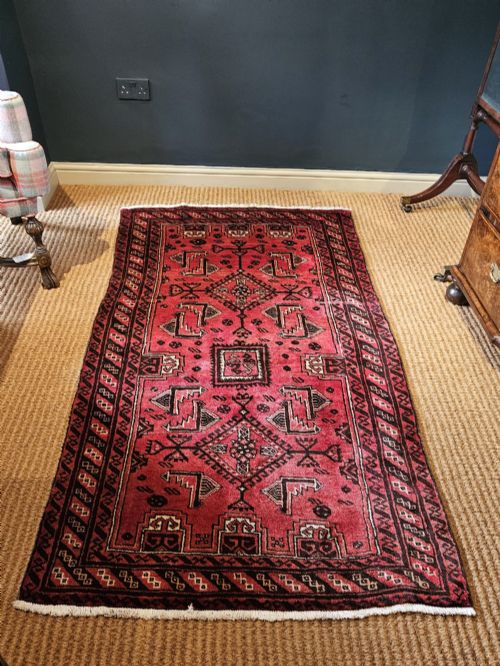
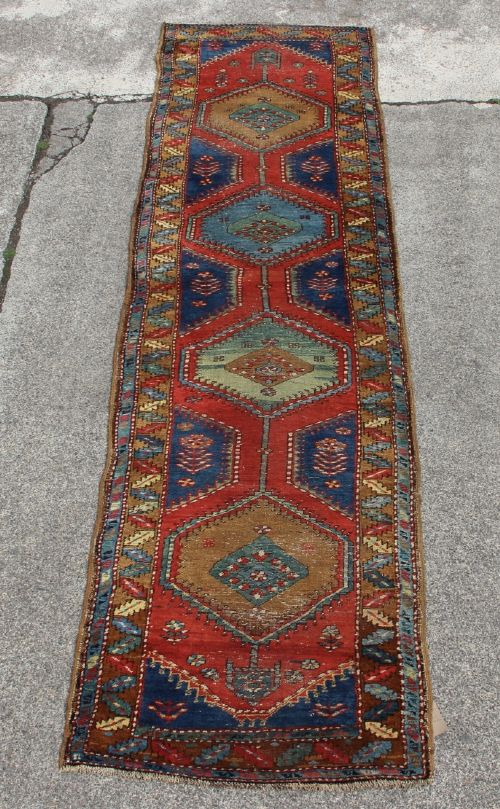
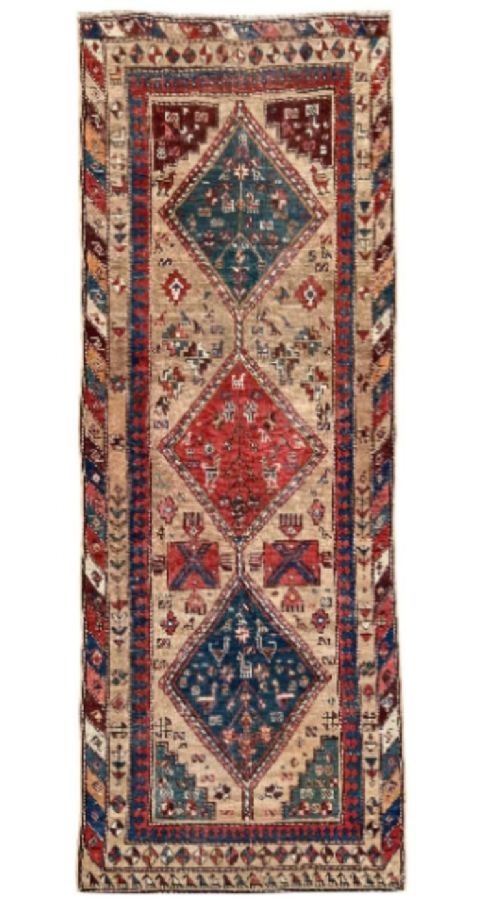
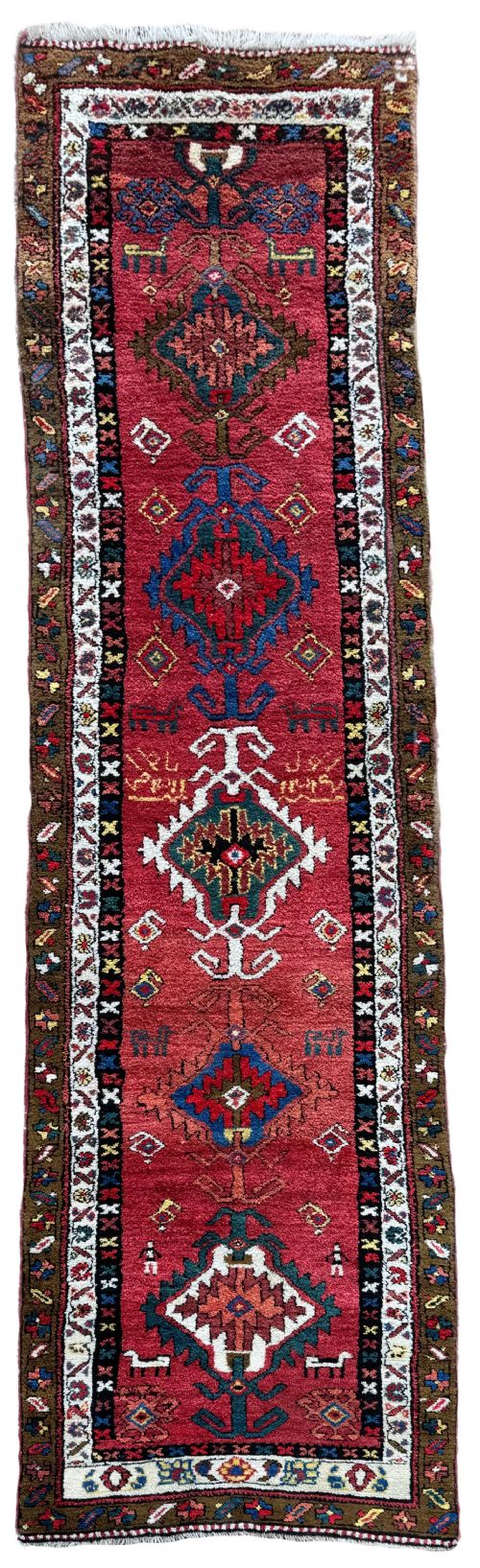
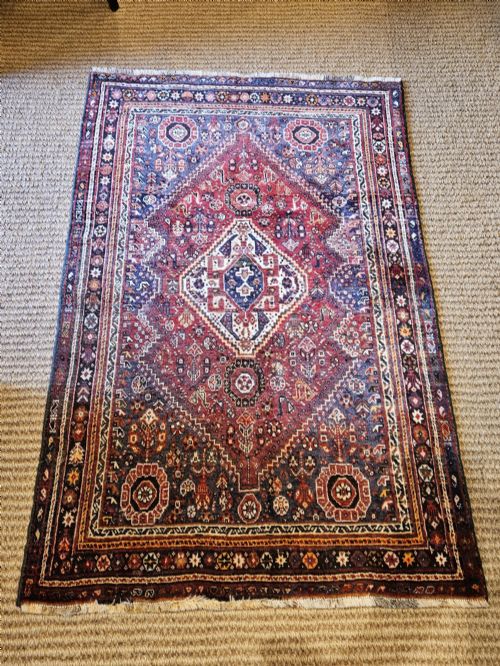
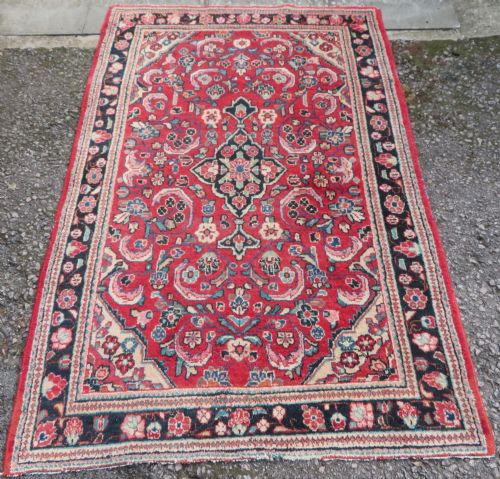
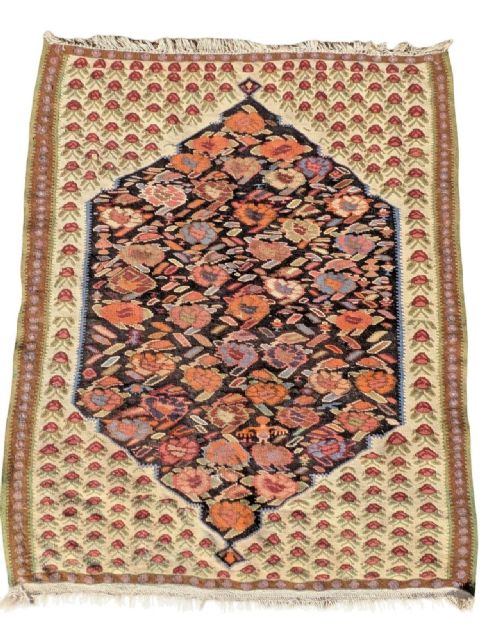
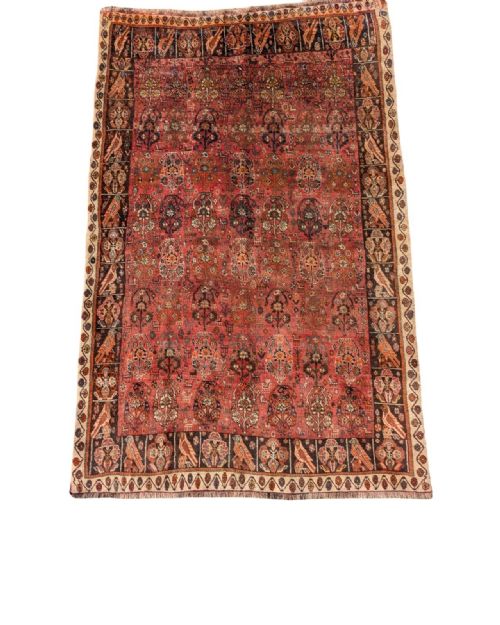
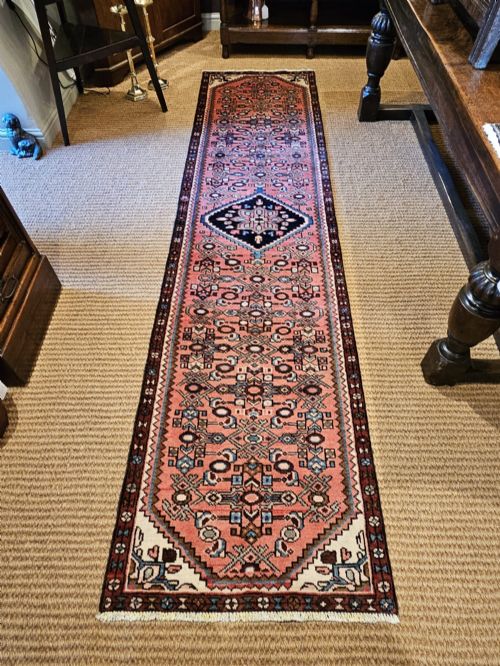
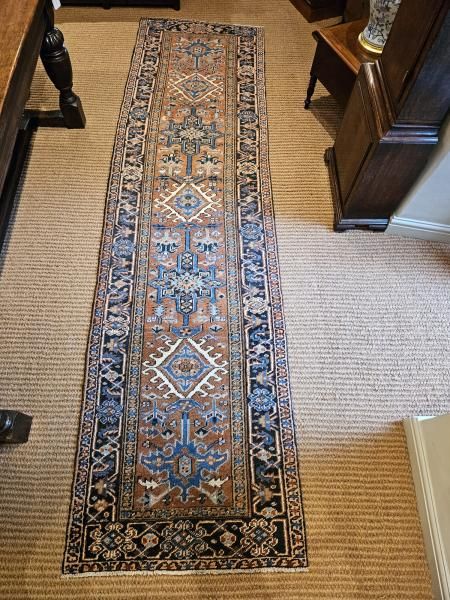
A vintage persian carpet runner is typically an elongated floor covering designed specifically for narrow spaces like corridors, halls, and landings. These pieces range from compact formats to lengths stretching past three metres, accommodating both domestic and grand architectural proportions. The selections span rural village workshops and nomadic camps, yielding linear formats suited to high-traffic thoroughfares.
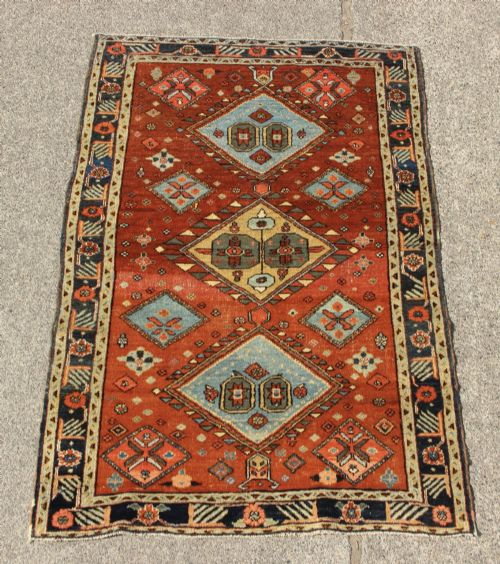
The aesthetic vocabulary encompasses traditional medallion patterns, geometric tribal motifs, and all-over field designs executed in saturated tones of navy, olive, rust, and cream. Makers included Kurdish, Baluch, Bakhtiar, and Kashgai weavers alongside regional production from Heriz, Sarouk, Bidjar, and Tabriz. Dating stretches from the late nineteenth century through the mid-twentieth century, with substantial representation from the nineteen-tens and twenties.
Runners often display narrower proportions than standard area carpets, utilising repeating border guards to frame the central field. Format and origin dictate the visual rhythm, with tribal examples favouring bold geometry while city workshops deploy intricate curvilinear schemes. Each piece reflects the specific weaving traditions of its particular provenance across Persia and neighbouring regions.
Materials and Construction
Construction relies heavily on sturdy wool pile knotted onto foundational warps and wefts of cotton or hand-spun wool, ensuring dense durability for floor use. Selected pieces incorporate alternative fibres such as silk or camel hair, adding textural nuance and varied lustre to the finished surface. Natural dyes provide the underlying palette, yielding rich colours that mature gracefully over decades of light exposure and wear.
The hand-knotting technique binds each tuft securely to the foundational grid, creating a resilient pile that withstands continuous foot traffic. Village and tribal weavers worked from memory or generational tradition rather than rigid paper cartoons, resulting in organic variations across the length of the runner. Finishing techniques typically involve secured selvedges and bound ends to prevent fraying along the long margins.
Some runners stretch to an astonishing thirty-two feet, requiring a marathon stride just to cross the threshold.
Assessing Quality and Execution
Knot density and structural tightness dictate the foundational integrity of the weave, influencing how well the runner retains its form under pressure. Tighter knotting allows for crisper execution of intricate floral or geometric motifs, separating fine city workshops from coarser tribal work. The quality of the wool itself determines resilience, with high-lanolin fleeces maintaining a supple hand and natural resistance to dirt.
Dye consistency and the harmonious ageing of colours contribute significantly to visual success, as superior natural mordants mature into complex, harmonious patinas. The precision of the weaver's execution across a long format demonstrates technical mastery, keeping parallel lines straight and proportions balanced from one end to the other. Surviving pile depth relative to the age of the piece indicates the original thickness and subsequent wear sustained over generations.
Saroukh Mahal·Bakhtiar·Heriz·Bidjar·Tabriz
The Vintage Persian Carpet Runner Glossary
- Runner
- An elongated carpet format specifically proportioned for corridors, hallways, and staircases. These pieces measure significantly longer than they are wide.
- Pile
- The upright yarn surface of the carpet formed by the cut ends of knots. Pile height affects the cushion and tactile feel underfoot.
- Warp
- The stationary vertical threads stretched across the loom upon which the knots are tied. They form the structural skeleton of the carpet.
- Weft
- The horizontal threads passed across the warp threads after each row of knots to secure them in place. They provide structural stability along the width.
- Natural Dyes
- Colourants derived from plant, insect, and mineral sources rather than synthetic chemical compounds. These dyes yield complex, varied tones that mellow appealingly over time.
Vintage Persian Carpet Runner: Frequently Asked Questions
Where should I place a runner?
These long formats suit narrow spaces such as hallways, entry passages, and corridors where foot traffic is frequent. They also work effectively along the sides of a bedroom or bridging adjoining living areas.
Ensure you measure the available floor space carefully, accounting for door clearance and skirting boards before selecting a length.
How do I care for an old wool runner?
Regular gentle vacuuming without a rotating brush roll helps remove grit that settles deep within the wool pile. Professional cleaning suited to antique textiles preserves the lanolin and natural dyes.
Positioning a quality underlay beneath the piece prevents slipping and reduces friction between the foundation and the floorboards.
What is the difference between tribal and city rugs?
Tribal runners originate from nomadic or village weavers working independently with geometric motifs and memory-based designs. City workshop pieces often display finer, curvilinear floral patterns planned on precise master drawings.
Both categories utilise traditional hand-knotting methods, but city carpets frequently feature higher knot counts and silk highlights.
How can I tell the age of a runner?
Dating relies on stylistic markers, structure, palette, and dye characteristics that align with specific production eras. Analysing the wool preparation, colour shifts, and wear patterns provides further clues to its period of origin.
Reference materials and historical structural comparisons help narrow down whether a piece hails from the nineteenth or twentieth century.