


Woven Textile Wall Art
Woven textile wall art brings centuries of tactile human labour inside, transforming cold plaster with the rich texture of wool, silk, and natural dyes.
Woven Textile Wall Art
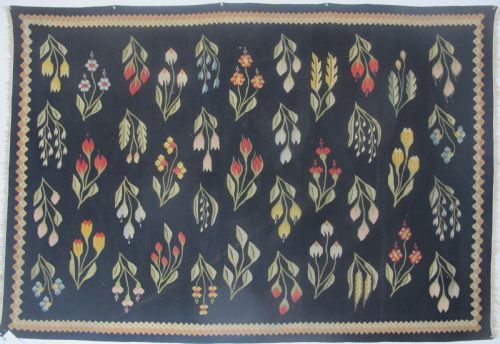
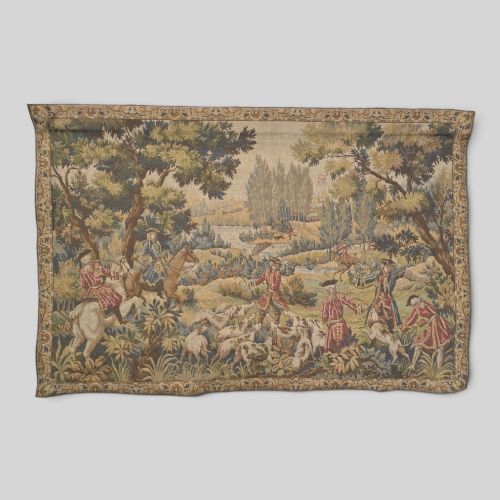
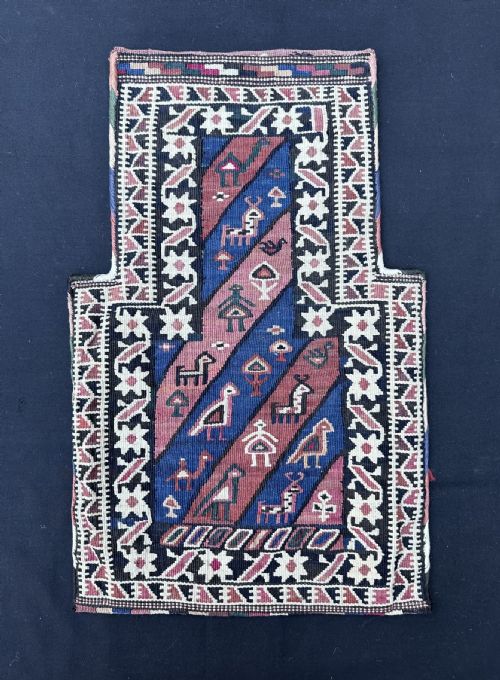
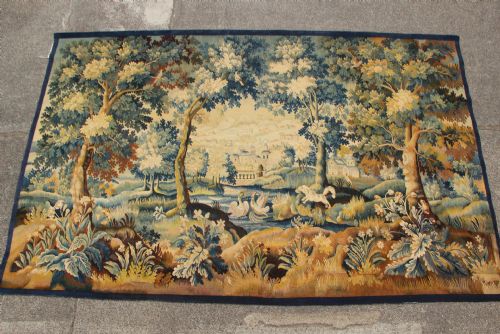
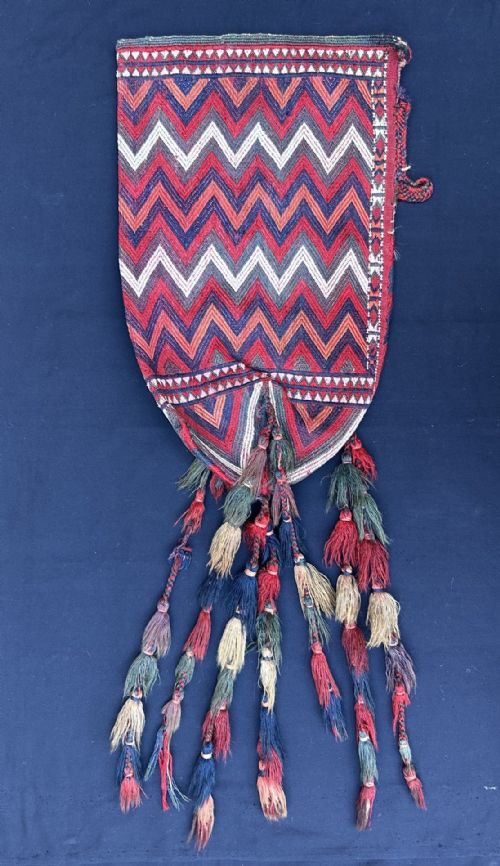
Woven textile wall art encompasses centuries of fabric works designed specifically for vertical display, ranging from grand European room-scale panels to intricate nomadic bags. When exploring woven textile wall art, buyers encounter everything from classical verdure landscapes to geometric tribal weavings.
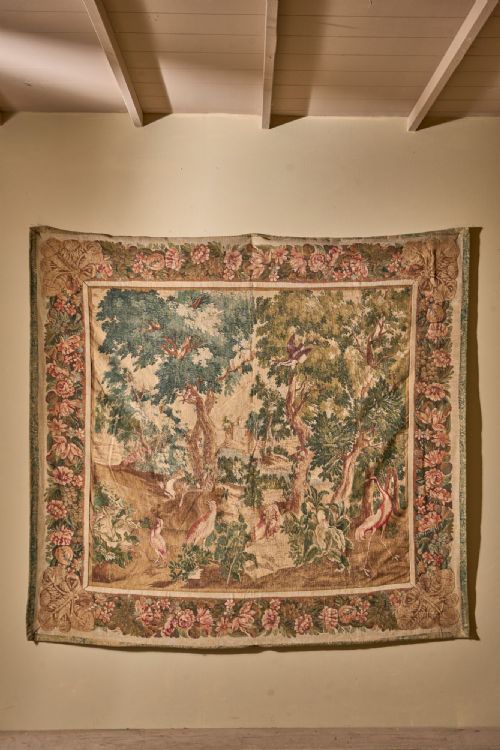
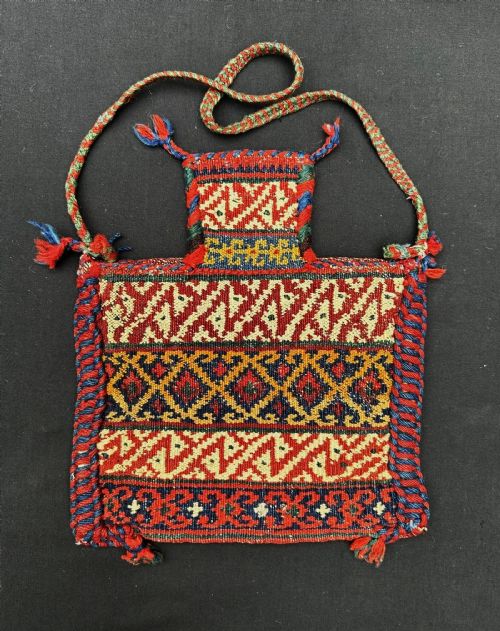
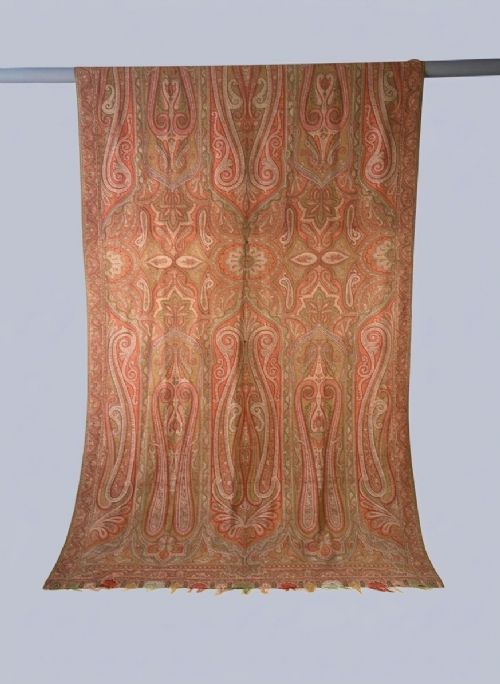
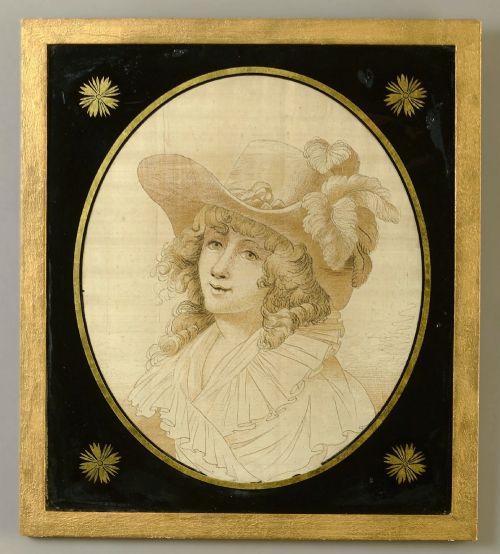
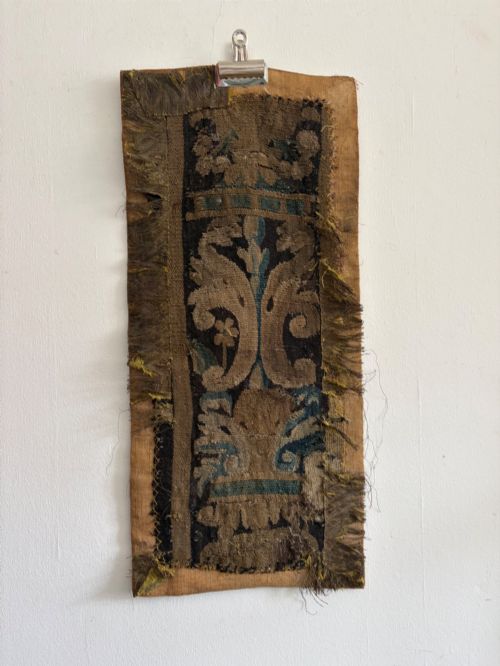
The selections span distinct centuries, with seventeenth- and eighteenth-century European panels appearing alongside nineteenth-century tribal pieces and early twentieth-century examples. Forms vary from large Flemish and French verdure tapestries to smaller regional items like asmalyks, torbas, and framed panels.
European workshops dominate the classical pastoral and mythological subjects, while Central Asian tribes and Persian nomads provide geometric tribal textiles. Each piece represents a specific domestic or decorative tradition translated into a hanging format for interior spaces.
Materials and Construction
The primary structural components rely on natural animal and plant fibres, predominantly wool, silk, cotton, and linen. Hand-spun wool provides resilience and warmth, while silk introduces fine highlights and reflective depth into specific tribal and European compositions.
Natural dyes impart the enduring colour palettes found across these textiles, grounding the visual impact in historical organic chemistry. Artisans combine these materials using traditional weaving and needlework techniques, sometimes mounting older fragments onto supportive linen backings for structural integrity.
Listings incorporate wool, silk, cotton, and linen across centuries ranging from the sixteenth to the twentieth.
Assessing Quality and Execution
The distinction between tiers rests upon the density of the weave, the complexity of the pictorial design, and the survival of the original materials. Superior examples display precise control over perspective and colour transitions, whether depicting dense forest foliage in a verdure scene or crisp geometric motifs in tribal weavings.
Material preservation heavily influences standing, as pieces retaining vibrant natural dyes and minimal intervention command greater appreciation. The sophistication of the original cartoon design and the skill of the hand execution separate standard utility items from masterwork wall displays.
The Woven Textile Wall Art Glossary
- Verdure tapestry
- A European wall hanging featuring a predominant landscape design of trees, foliage, and often birds or animals. These scenes typically utilise various shades of green and brown.
- Asmalyk
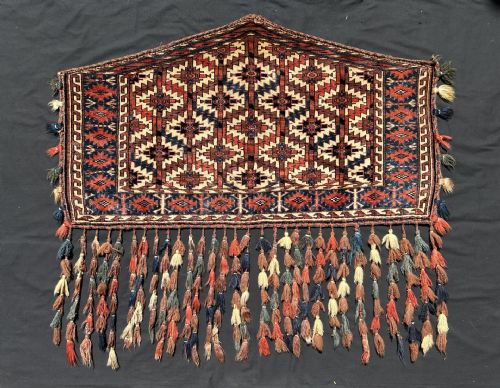
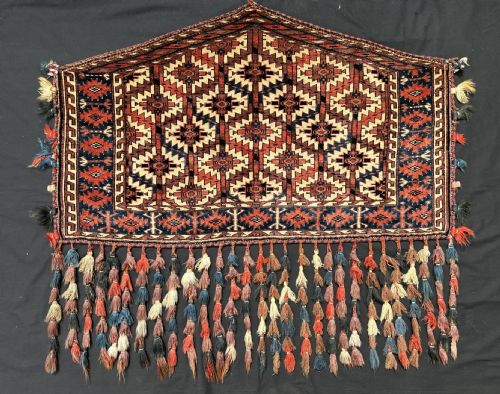
- A large, pentagonal trapping made by Turkmen tribes, traditionally used to decorate the flanks of a camel during wedding processions. They exhibit intricate geometric tribal patterns.
- Torba
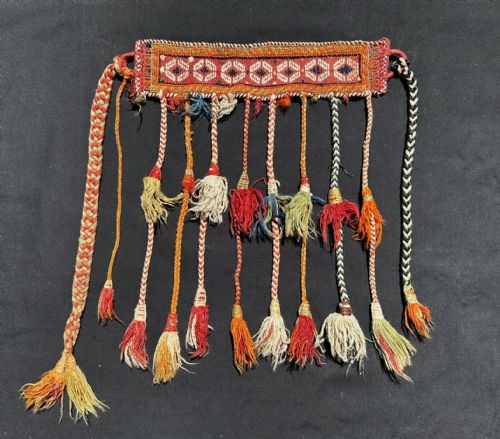
- A small, wide storage bag produced by Central Asian nomads for domestic use inside a yurt. These utility pieces feature heavily ornamented faces.
- Needlework tapestry
- A textile created by stitching yarn onto an existing canvas or linen ground rather than forming the pattern simultaneously on a loom. This technique allows for distinct textural relief.
- Chanteh
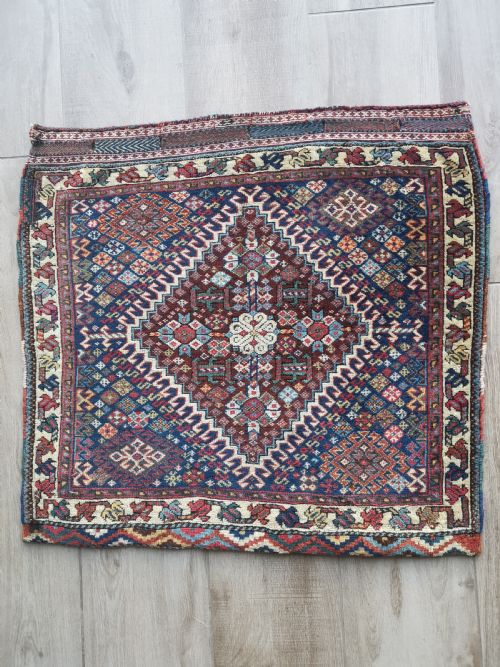
- A small traditional tribal bag or pouch used by Kurdish nomads for carrying personal possessions. They showcase concentrated regional weaving skills.
Woven Textile Wall Art: Frequently Asked Questions
How were large tapestries originally hung?
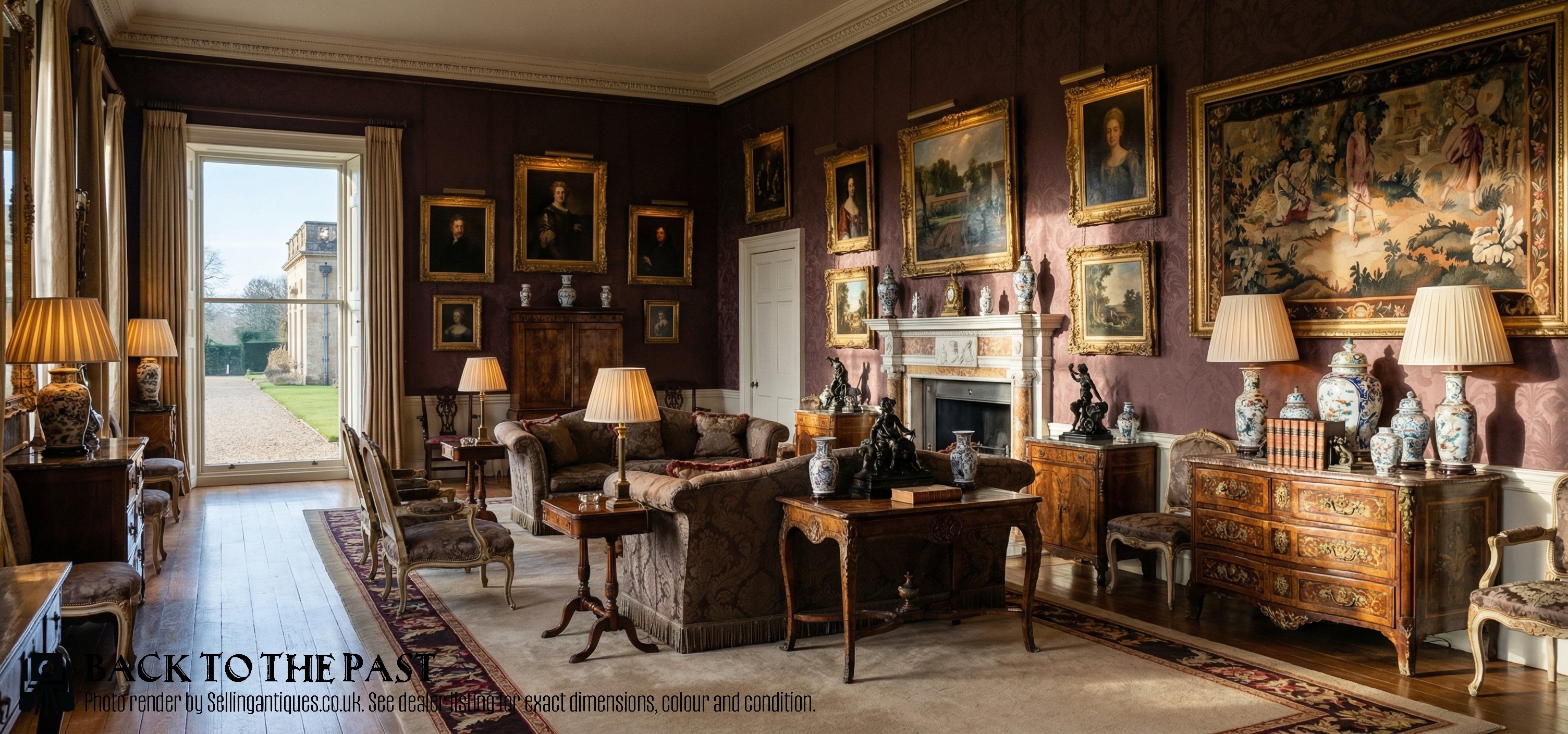
Historic households suspended heavy wall hangings on iron hooks or wooden battens using integrated loops or specialised hanging sleeves attached to the reverse. This method kept the heavy wool and silk panels slightly away from damp stone walls, providing a layer of thermal insulation.
In modern settings, similar conservation-grade pocket systems or discreet Velcro mounting strips distribute the weight evenly along the top edge to prevent fabric distortion.
What is the difference between a tapestry and a tribal hanging?
European tapestries are typically loom-woven pictorial narratives depicting mythological, pastoral, or botanical scenes created from detailed preparatory sketches called cartoons. They served as grand status symbols and architectural insulation in formal rooms.
Tribal hangings and bags originate from nomadic cultures in regions like Persia and Central Asia, utilising bold geometric symbols, protective amulets, and rich wools for domestic pride and utilitarian storage.
How do I care for antique textile art?
Protect antique woven pieces by keeping them away from direct sunlight, which fades natural dyes over time. Gentle vacuuming through a protective mesh screen removes surface dust without stressing the fragile fibres.
Avoid hanging textiles in damp environments or areas with fluctuating humidity to prevent mould growth and fibre degradation.
How are different periods identified?
Dating relies on stylistic clues, dye analysis, and structural characteristics inherent to specific weaving communities. French and Flemish pieces from the seventeenth and eighteenth centuries show distinct baroque or rococo artistic conventions and botanical shading.
Nineteenth-century nomadic works display tribal attributions linked to specific geographic regions like the Kerman province or Trans-Caspian steppes through distinct wool preparations and motif libraries.