
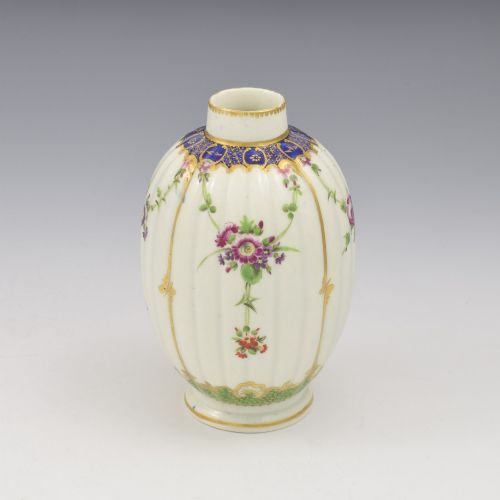
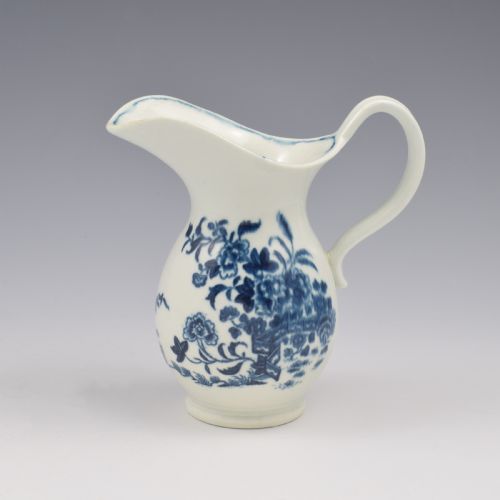
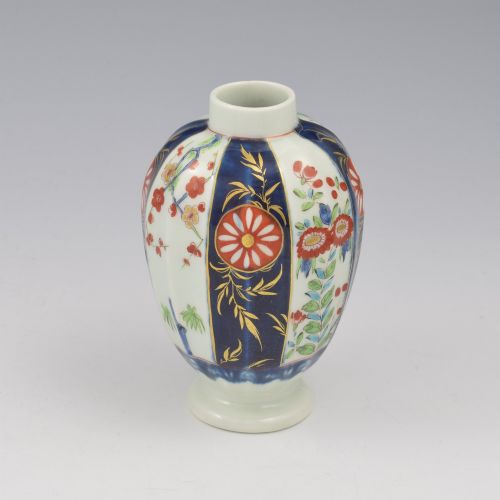
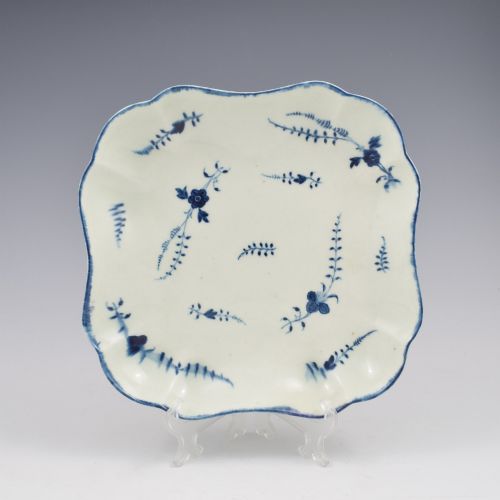
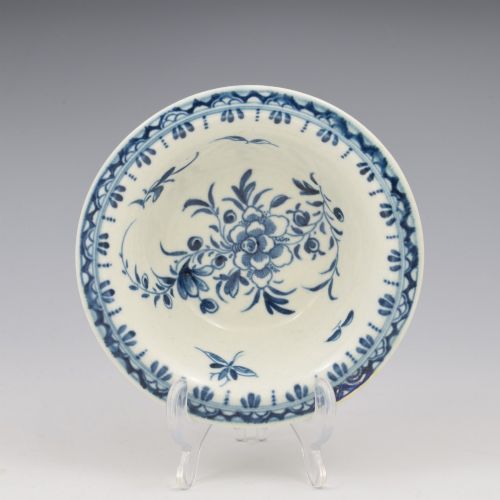
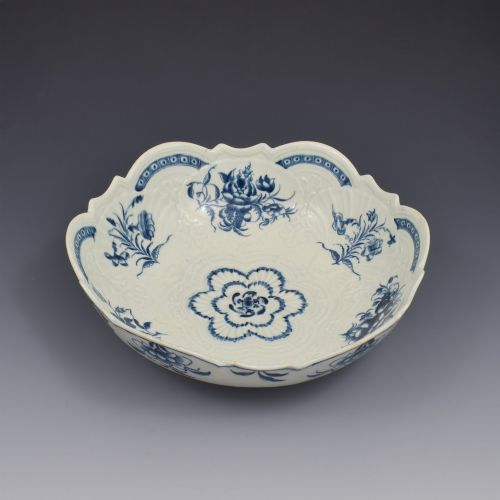
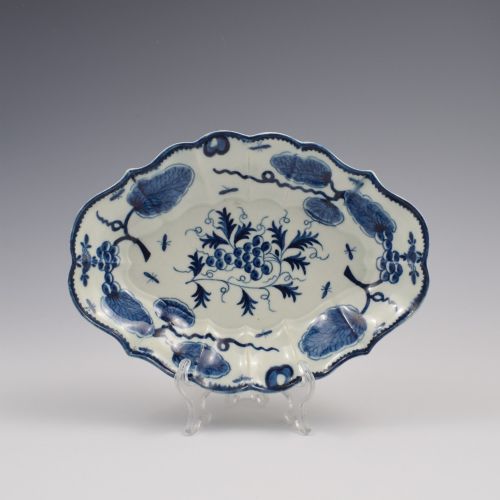
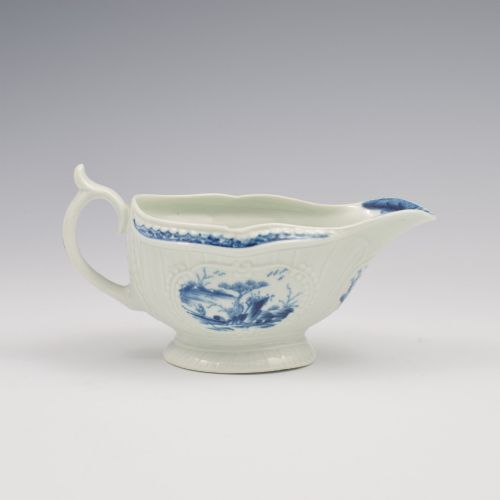
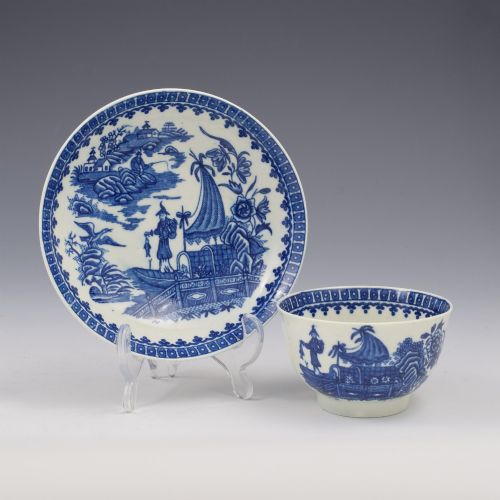
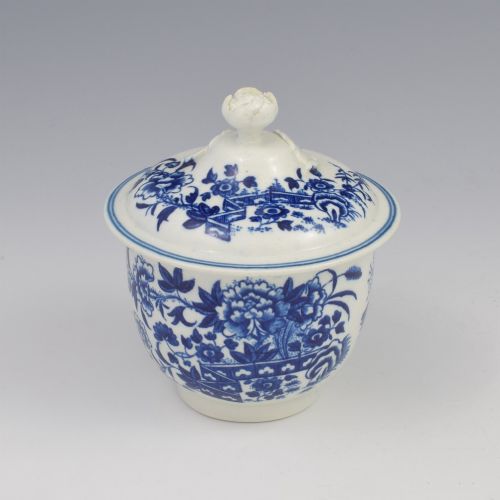


Worcester Blue and White
Worcester blue and white porcelain brings eighteenth-century domestic tableware into modern spaces through hand-painted cobalt underglaze ceramics.
Worcester Blue and White
Worcester blue and white items span the eighteenth-century Georgian era alongside later nineteenth-century Edwardian revivals, centring on functional tea and dining wares.
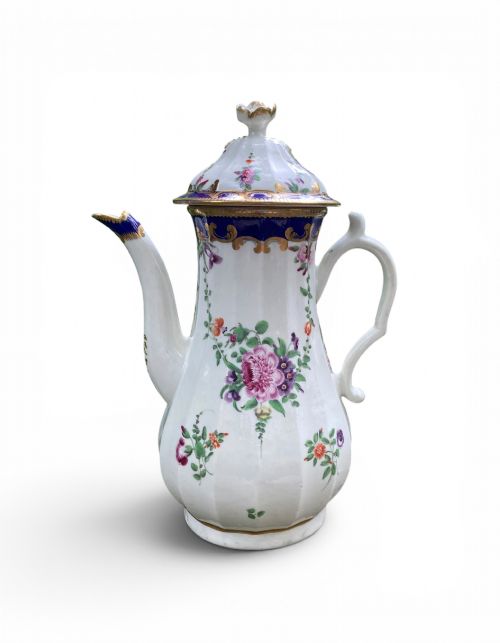
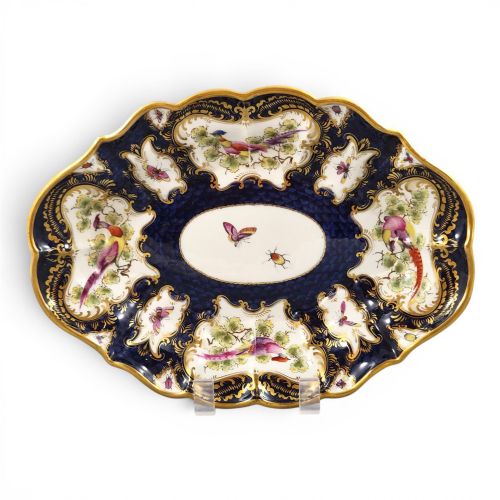
Buyers encounter sauce boats, tea bowls, saucers, jugs, pitchers, dessert dishes, decorative baskets, teapots, and punch bowls produced during the First Period under Dr Wall.
Chinoiserie motifs, floral sprays, and bird designs dominate the decorative vocabulary across domestic items like coffee cups, sugar bowls, and pickle dishes.
Materials and Technique
Makers utilised soft-paste porcelain shaped into tableware forms, combining body clay with translucent glaze applications.
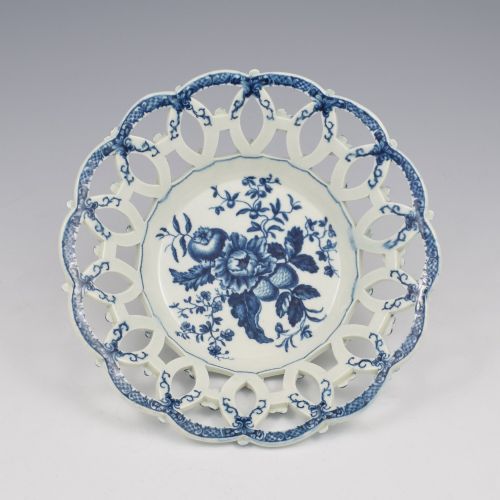
Cobalt underglaze pigment was brushed directly onto the porcelain surface before firing, creating blue patterns beneath a protective glaze coat.
Enamel colours and occasional gold leaf accents were added over the glaze on specific decorative wares.
Early Worcester workers painted tiny creeping insects inside cups to surprise tea drinkers as their beverage disappeared.
Gradations in Manufacture
Painting precision separates standard production from superior pieces, particularly in the hand-rendered details of intricate Chinoiserie figures and landscape vignettes.
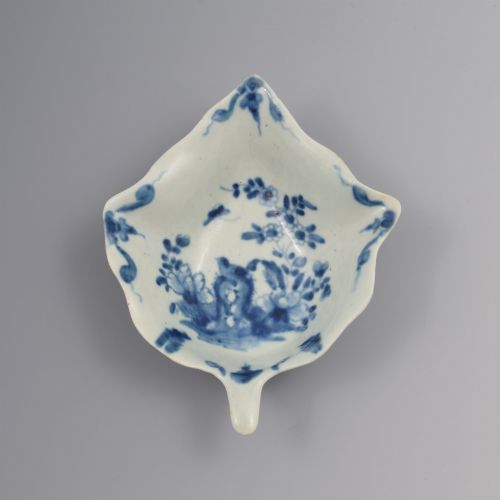
Form complexity influences distinction, as moulded items like leaf pickle dishes, pierced chestnut baskets, and mask jugs require advanced handling of soft-paste porcelain.
The clarity of the cobalt underglaze against the fired porcelain ground determines visual success across tea bowls, sauce boats, and large punch bowls.
Dr Wall·Royal Worcester·Grainger And Co
The Worcester Blue and White Glossary
- Soft-paste porcelain
- A ceramic composition fired at lower temperatures than hard-paste porcelain, producing a warm body and characteristic glaze texture.
- Cobalt underglaze
- A blue metallic oxide pigment applied to pottery before glazing and firing, yielding permanent colour beneath the glass surface.
- Chinoiserie
- European artistic interpretations of Chinese decorative styles, frequently featuring pavilions, figures, and imaginary landscapes.
- Pickle leaf dish
- A small moulded ceramic vessel shaped as a leaf, utilised at eighteenth-century dining tables for pickles and condiments.
- First Period
- The foundational era of the Worcester porcelain factory operating under the direction of Dr John Wall.
Worcester Blue and White: Frequently Asked Questions
What is First Period Worcester?
First Period Worcester refers to porcelain manufactured at the Worcester factory from its founding by Dr John Wall through the eighteenth century.
This era established the works' reputation for soft-paste ceramic bodies and cobalt underglaze painting.
How were sauce boats used?
Sauce boats served gravies and liquid condiments at eighteenth-century dining tables alongside meat and fish courses.
Potters moulded these vessels into leaf and strap-fluted shapes decorated with printed or painted blue patterns.
How do I identify Chinoiserie patterns?
Chinoiserie patterns depict imaginary eastern scenes with figures, pavilions, fences, and exotic birds painted in cobalt blue.
These designs reflect eighteenth-century European fascination with Asian art translated through English ceramic decoration.
Can I use antique Worcester daily?
Antique soft-paste porcelain requires careful handling due to its age and material composition.
Collectors generally display these tea bowls, jugs, and baskets rather than submitting them to regular modern dining use.