


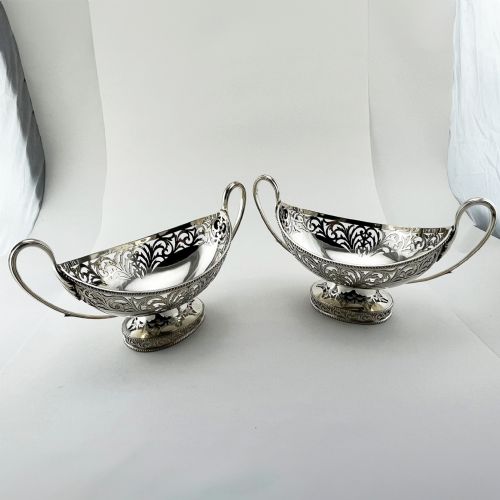
Antique Pierced Fruit Basket
An antique pierced fruit basket brings openwork elegance to the table, fashioned in silver, porcelain, or pottery to hold seasonal harvest.

Antique Pierced Fruit Basket
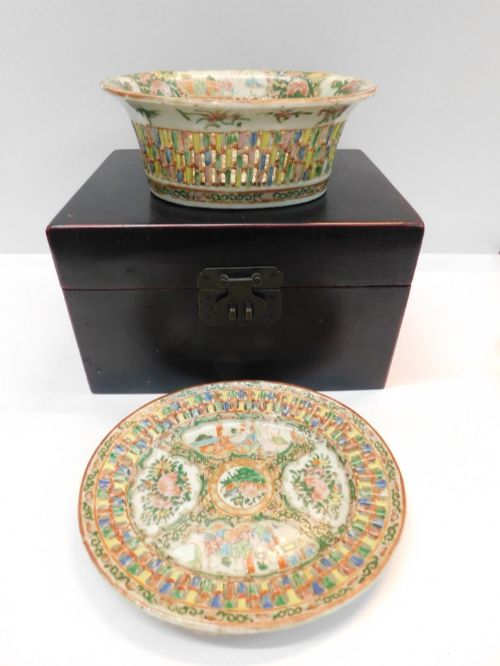
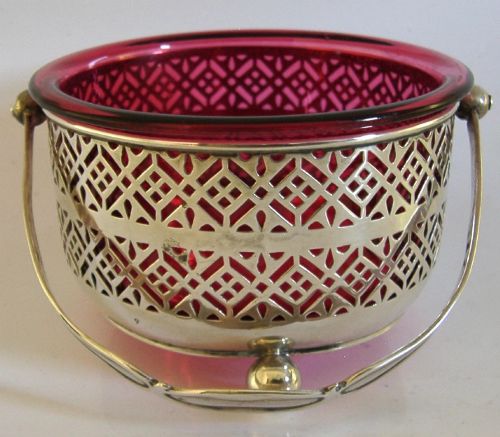
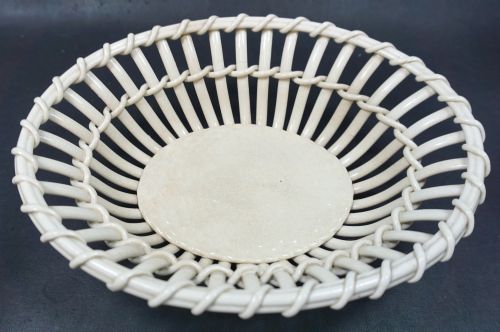
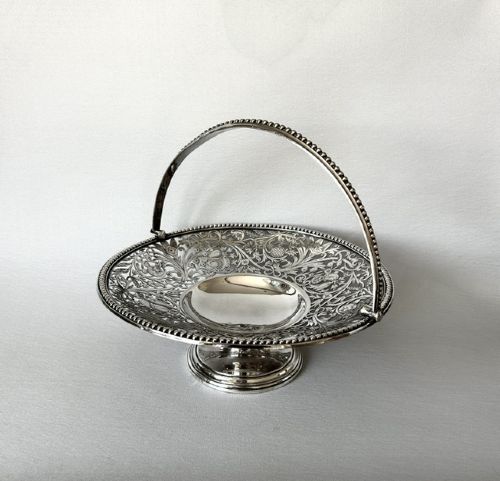
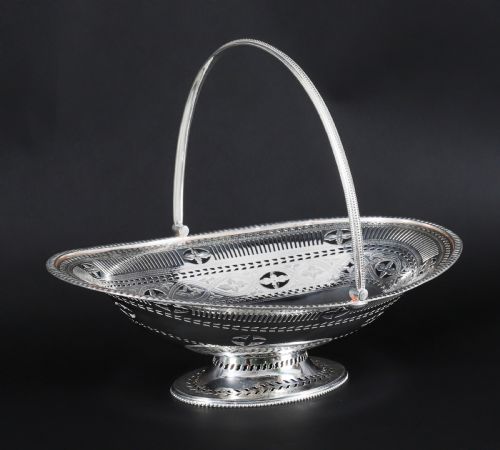
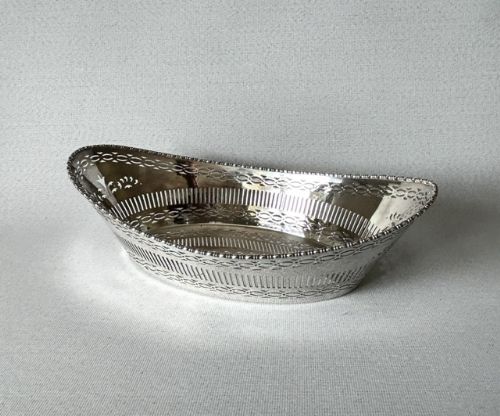
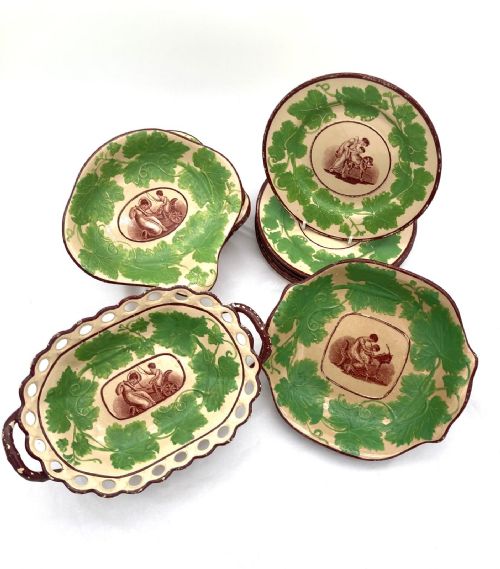
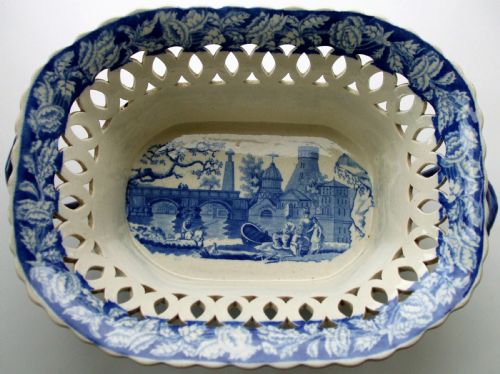
An antique pierced fruit basket serves as an openwork vessel designed for display and dining, appearing frequently across the eighteenth, nineteenth, and early twentieth centuries. These vessels take various forms including chestnut baskets with stands, oval serving dishes, and swing-handled bowls.
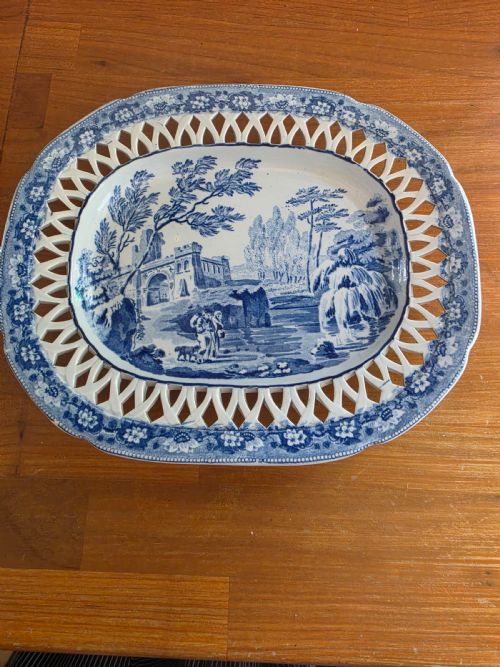
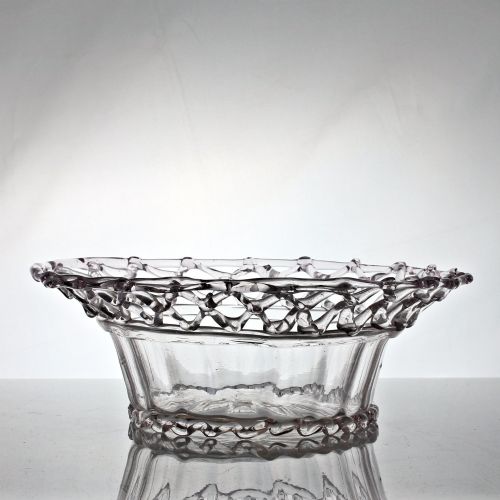
Makers shaped these items across English, European, and Chinese traditions, incorporating styles from Georgian restraint to Edwardian elaborate detail. Earthenware, porcelain, and sterling silver dominate the selection, often accompanied by cranberry glass or blue and white transfer prints.
Pieces from this category function as serving dishes and centrepieces, bridging practical containment with decorative openwork fretwork. The forms reflect shifts in dining habits across the Georgian, Victorian, and Edwardian eras.
How they were made
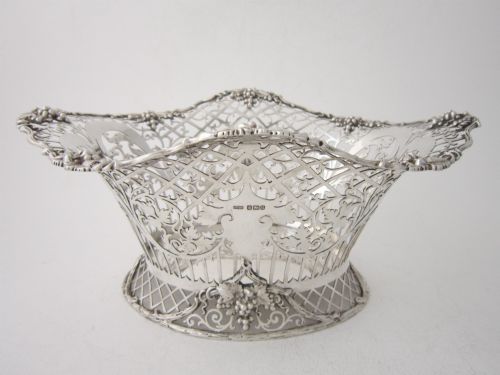
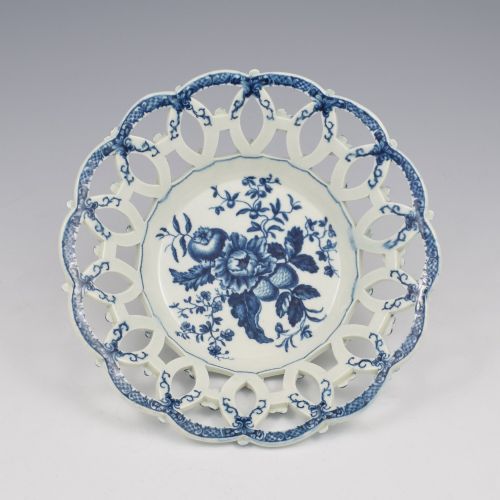
Craftsmen utilised sterling silver, silver plate, earthenware, and porcelain to form the bodies, employing piercing, fretwork, and lattice techniques to create openwork walls. Potters moulded clay and applied glazes, transfer printing, or enamel painting, whilst silversmiths hammered, pierced, and soldered sheet metal.
Chinese export works incorporate delicate famille rose enamels on reticulated porcelain, whereas English potteries like Worcester applied intricate pine cone patterns to porcelain baskets. Silver pieces frequently feature cast handles and detailed pierced borders executed by established smiths.
Listings span earthenware, porcelain, and sterling silver across eighteenth-century Georgian to early twentieth-century Edwardian periods.
What varies in quality
Quality rests upon the crispness of the piercing and the integrity of the material, whether porcelain body or solid silver gauge. Crisp fretwork and balanced proportions distinguish finer examples from simpler production pieces.
The precision of transfer printing on earthenware or the hand-painted detail of enamels separates standard domestic wares from superior salon centrepieces. Surviving stands and matching underplates elevate the completeness and desirability of porcelain and pottery sets.
J. & R. Clews·Mappin & Webb·John Hunt·Joseph Rodgers·William Comyns·Hammond, Creake & Co·William Hutton & Sons·Martin Hall
The Antique Pierced Fruit Basket Glossary
- Reticulated
- Pierced or netted in an openwork pattern resembling a network. This technique allows light to pass through the ceramic or metal walls.
- Fretted
- Ornamented with small geometric openwork designs. Craftsmen cut these patterns into metal or clay before firing or finishing.
- Famille rose
- A major palette of Chinese ceramic glazes featuring opaque pink enamel. The style gained prominence during the Qing Dynasty.
- Pearlware
- A fine earthenware developed in the eighteenth century with a bluish glaze pooling in crevices. It mimics the appearance of Chinese porcelain.
- Transfer printing
- A method of applying engraved designs to ceramics using paper tissue from a copper plate. This process enabled consistent patterned decoration on pottery.
Antique Pierced Fruit Basket: Frequently Asked Questions
What were antique pierced fruit baskets used for?
These vessels held fresh fruit, chestnuts, or cakes upon dining tables and sideboards during formal meals.
Their openwork walls allowed air circulation around delicate fruit while serving as decorative centrepieces in grand rooms.
How do I date an antique fruit basket?
Dating relies on maker's marks, hallmarks on silver, ceramic paste types, and stylistic indicators such as Regency or Edwardian motifs.
Material characteristics like blue and white transfer printing or pearlware glazes also point to specific manufacturing decades.
Are silver plated and solid silver baskets different?
Solid silver pieces feature official hallmarking indicating purity and assay office origin, whereas silver plated items consist of a base metal coated in a thin layer of silver.
Both categories display intricate piercing, but solid silver items carry precious metal weight and maker stamps.
How do I care for a pierced ceramic basket?
Ceramic and porcelain baskets require gentle hand washing with mild soap and warm water to protect delicate openwork edges and glazes.
Harsh scrubbing should be avoided to preserve transfer-printed scenes and hand-painted enamel details.