
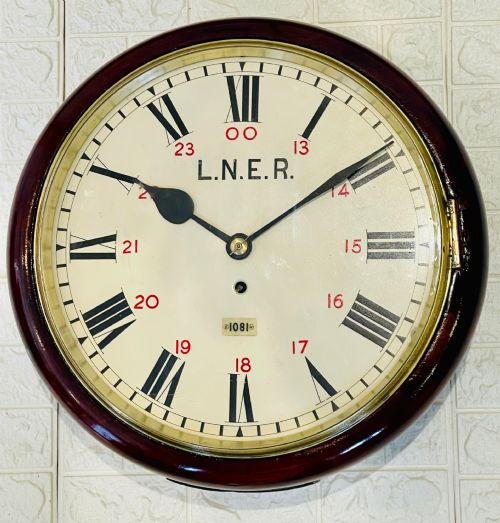
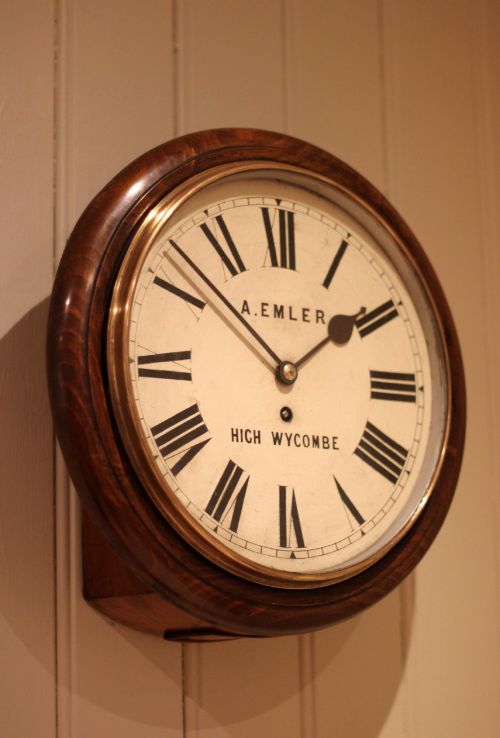
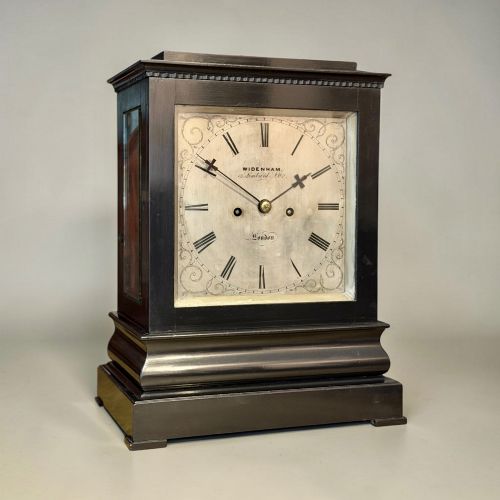

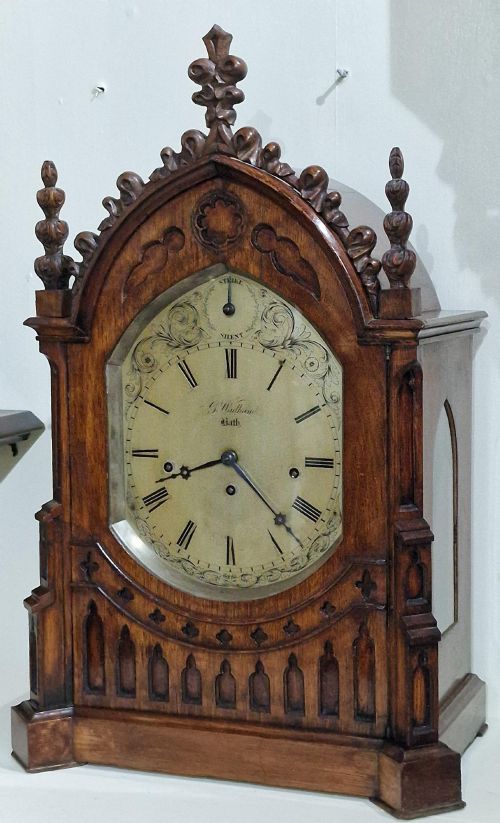
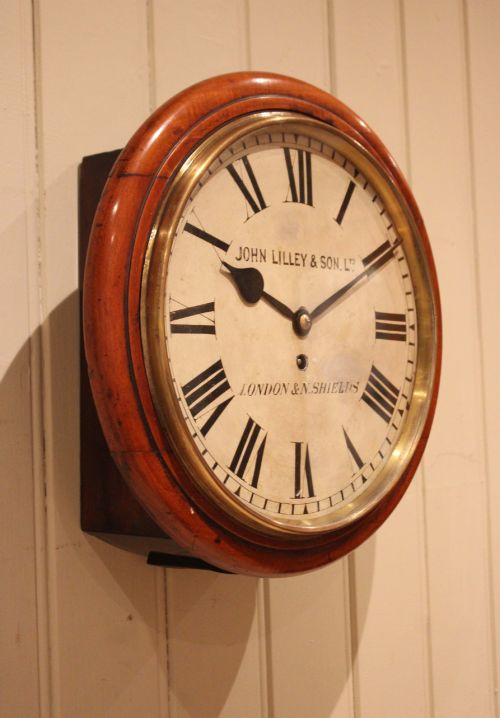
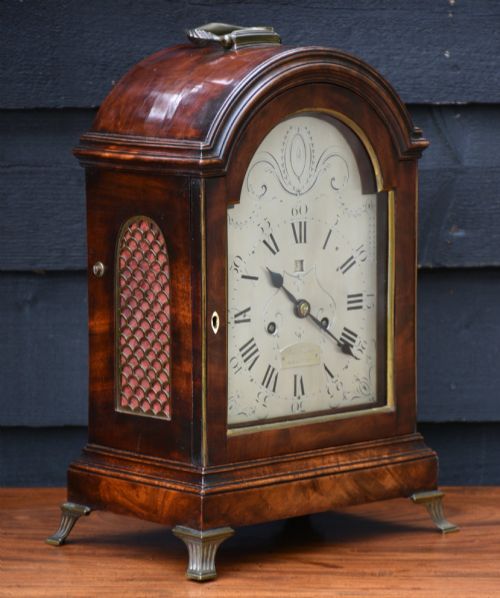
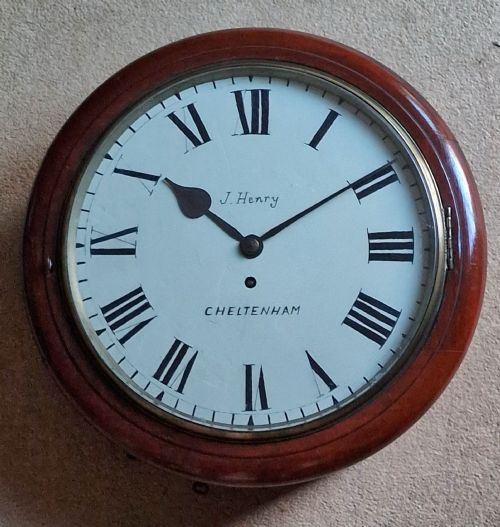
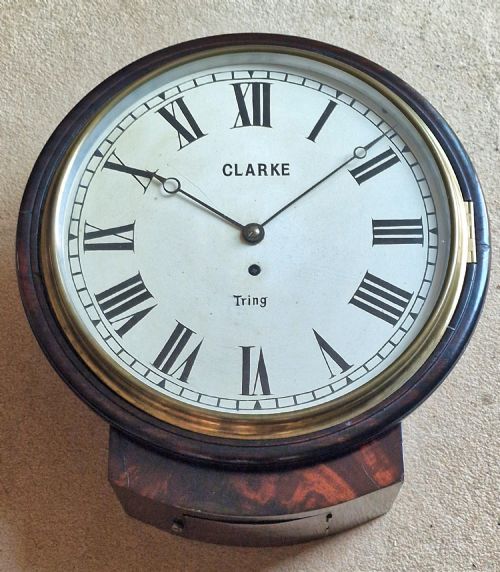
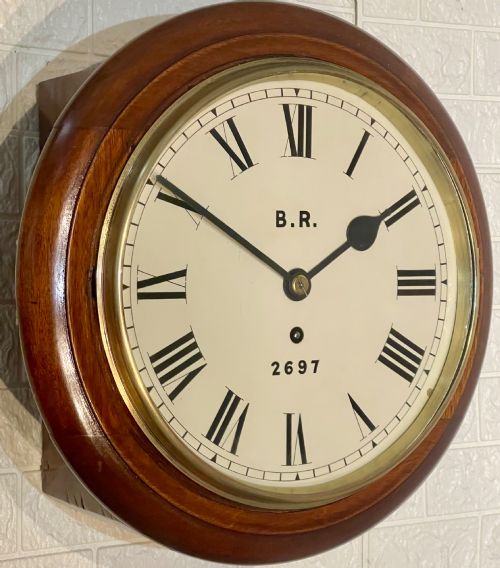
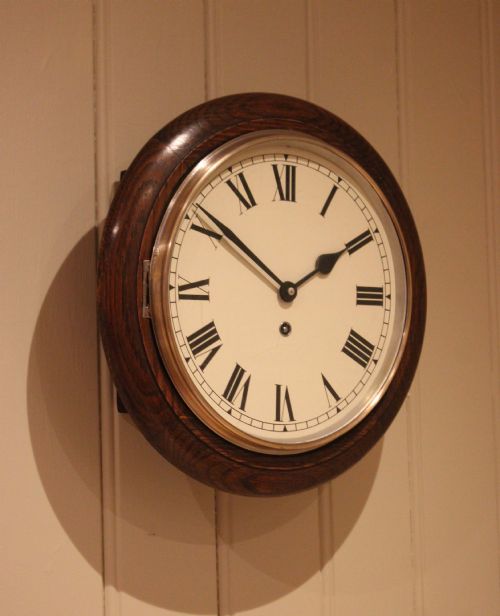
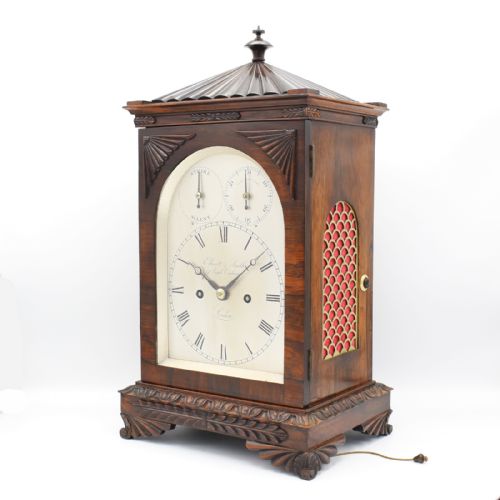
Wooden Fusee Clock
When you search for a wooden fusee clock, you encounter precision timepieces driven by cone-shaped pulleys and timber cases.
Wooden Fusee Clock
A wooden fusee clock is a mechanical timekeeper housed in a timber case, driven by a fusee movement that maintains even power as the mainspring unwinds.
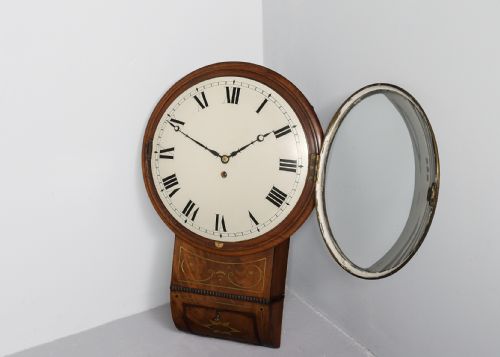
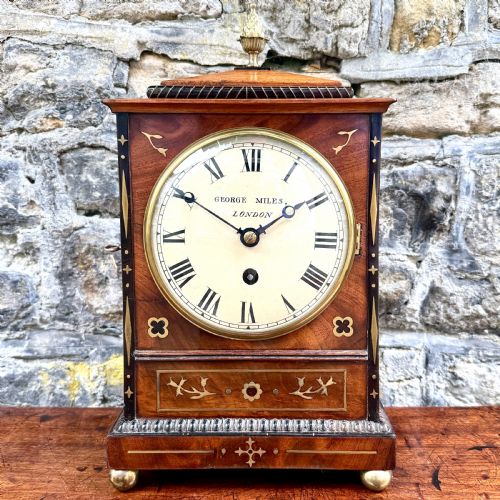
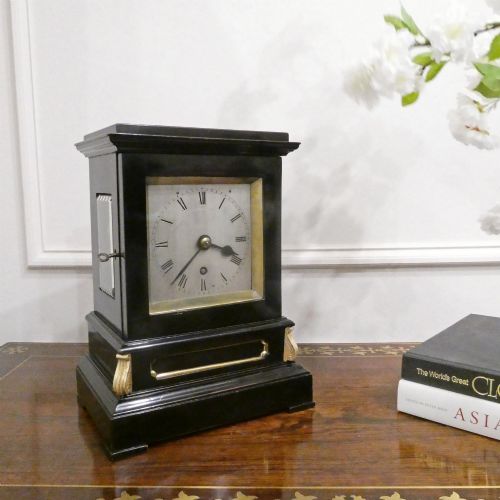
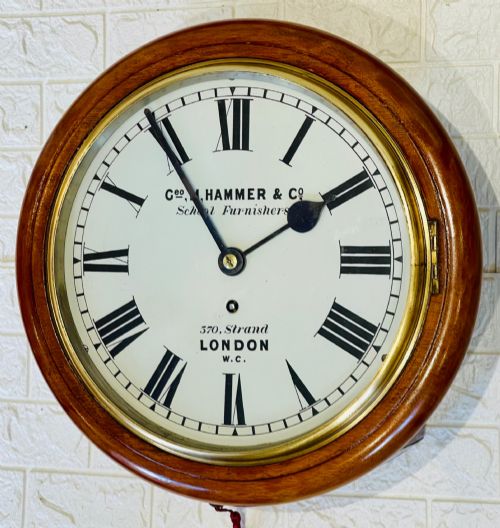
You are most likely to meet wall clocks, drop dials, and bracket clocks spanning the Georgian, Regency, and Victorian periods.
Many examples hail from railway companies, offices, and libraries, combining utility with fine cabinetmaking.
How They Were Made
Cases utilise dense hardwoods such as mahogany, oak, rosewood, and ebonised wood, often shaped with brass or glass details.
Movements incorporate brass gears and iron components, linked to the fusee cone via a chain or cord.
Dials appear in silvered metal or wood, sometimes framed by brass bezels or Sheraton style borders.
Listings feature timber cases in mahogany, oak, rosewood, and ebonised wood across Victorian, Regency, and Georgian eras.
What Varies in Quality
The standard of the timber case and the crispness of the cabinet work define the initial impression, from plain utility boxes to finely inlaid library pieces.
Movement sophistication sets individual examples apart, distinguishing single fusee mechanisms from twin or triple fusee variants that drive chiming bells.
The reputation of the maker or retailer inscribed on the dial adds historical depth and reflects the standing of the original workshop.
Widenham of London·George Wadham·George Clarke·Ellicott & Smith·D & J Wellby·Barber & North·Webster Cornhill London·Samuel Chave·Mappin & Webb·John Walker·Dent·Alex Purvis·Barraud
The Wooden Fusee Clock Glossary
- Fusee
- A conical pulley used in clock movements to equalise the torque of the mainspring as it runs down. This ensures the timepiece maintains consistent accuracy throughout its power reserve.
- Bracket Clock
- A portable clock designed to sit on a bracket or table. These often feature elaborate wooden cases and multiple fusee trains for striking or chiming.
- Drop Dial
- A wall clock featuring a circular dial above an extended wooden trunk or case. This form became common in railway stations and public offices during the nineteenth century.
- Silvered Metal
- A brass dial plate treated with a silver solution to create a bright, legible surface. The numerals and maker names are typically engraved and darkened for contrast.
- Bezel
- The ring, often made of brass, that holds the glass protecting the clock face. In wooden fusee clocks, this is frequently hinged to allow hand setting.
Wooden Fusee Clock: Frequently Asked Questions
How do I wind a fusee clock?
You use a dedicated winding key inserted into the dial face to tension the chain or cord around the fusee cone.
Care must be taken not to overwind the movement, stopping as soon as resistance is felt.
Where were railway dial clocks used?
Railway companies placed these clocks in station master offices, ticket halls, and platform buildings to coordinate train departures.
Many bear company initials on the wooden case or dial face to mark their corporate property.
How do I date a wooden clock?
You examine the timber species, case design, dial materials, and the style of the lettering on the face.
Signatures from recorded makers or stamped railway numbers also help narrow the decade of production.
How do I hang a wall clock?
You secure a sturdy screw or bracket directly into a wall stud or use heavy-duty wall anchors suitable for the weight of the timber case.
The clock must hang plumb to ensure the pendulum swings evenly and the movement keeps accurate time.