


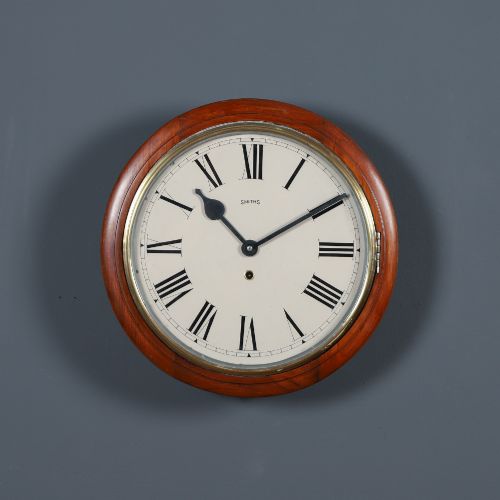
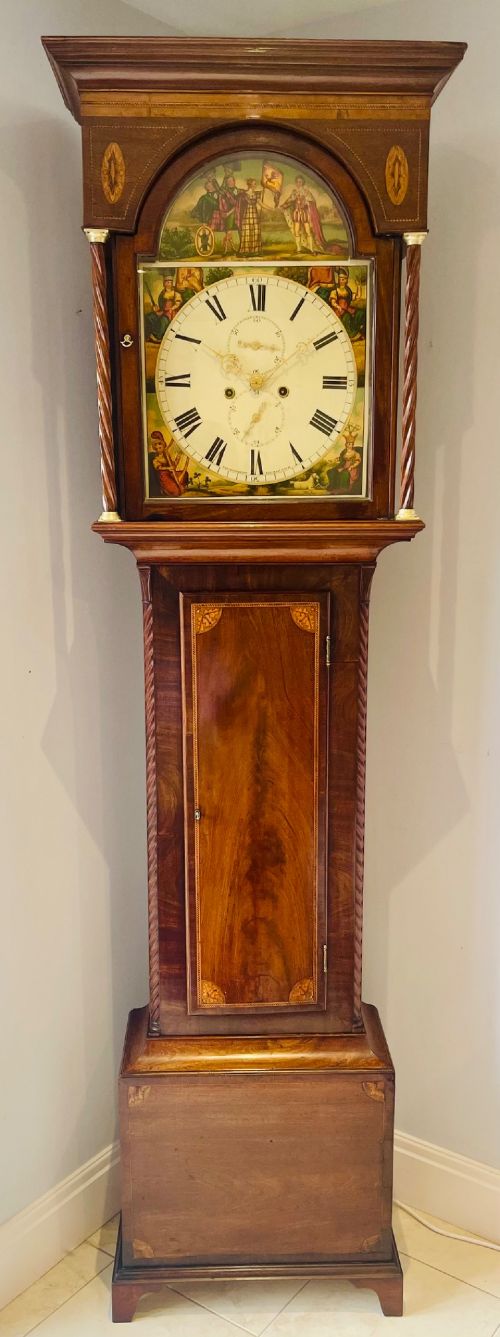
Wooden Dial Clock
A wooden dial clock is a wall timepiece with a distinct painted or plain wooden face, chosen by collectors for its architectural presence and mechanical dependability.
Wooden Dial Clock
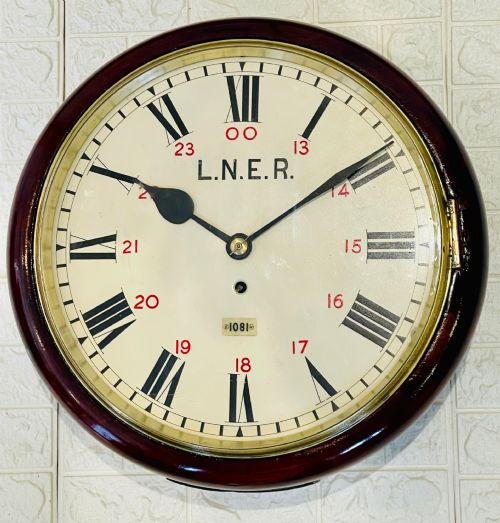
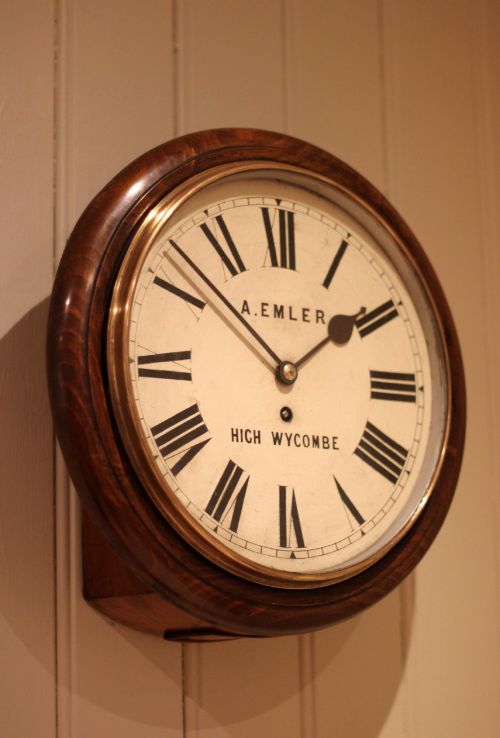
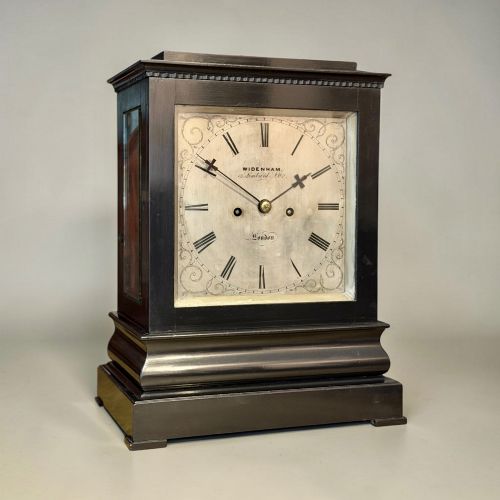
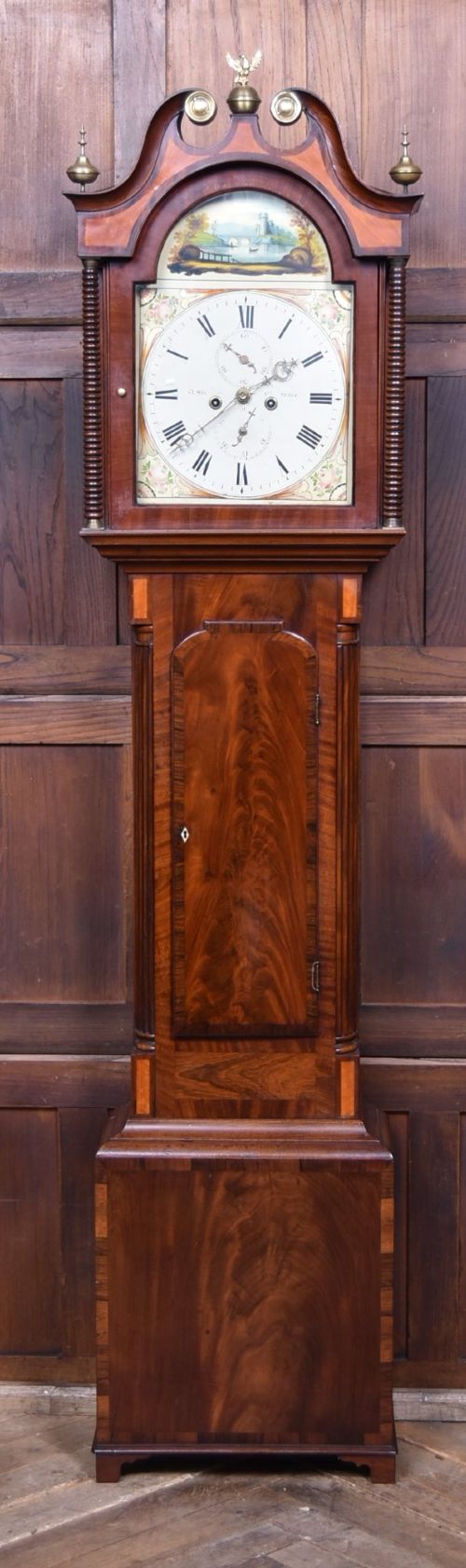
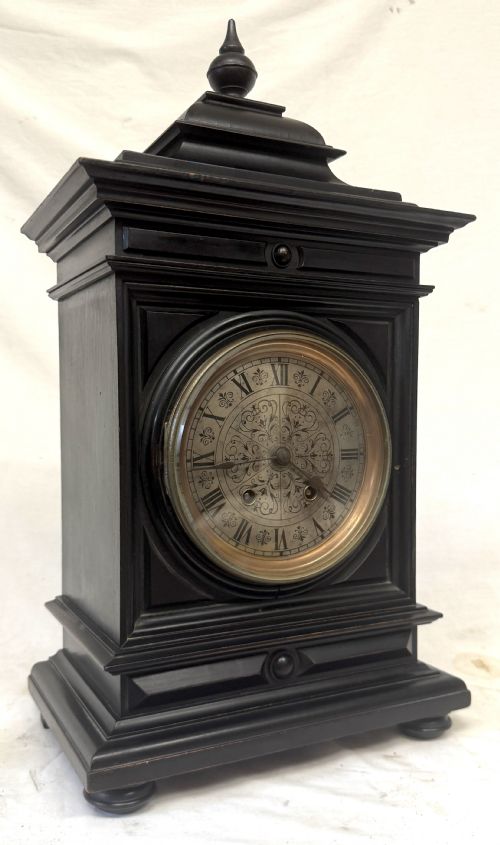
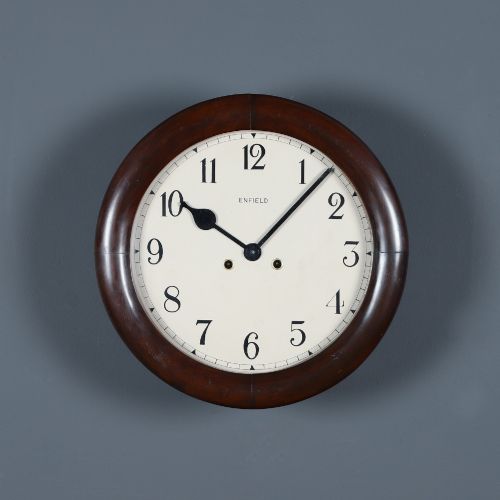
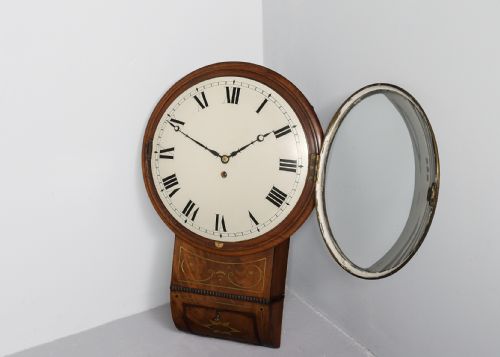
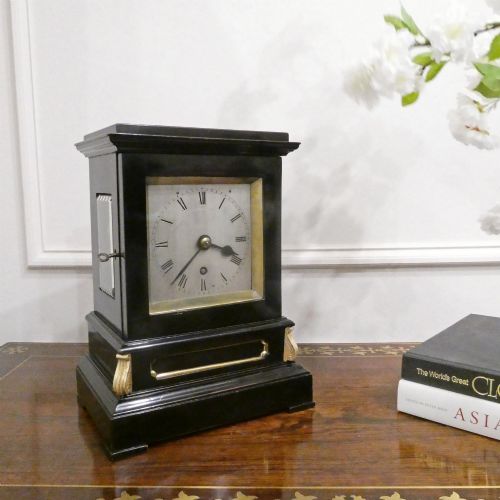
A wooden dial clock is most frequently encountered on this page as a round wall timepiece housed in mahogany, oak, or ebonised wood, spanning the Georgian, Victorian, and early twentieth-century periods. These circular dial designs served practical functions in railway stations, schools, and offices before finding favour in domestic interiors for their clean geometry and visible timber grain. Alongside these wall-mounted roundels, the search encompasses drop-dial variants and larger regional timepieces where timber dials feature prominently.
The architectural character of these pieces derives directly from the utilitarian demands of the nineteenth century, when clear legibility and robust fusee movements mattered most. Makers utilised native and imported hardwoods to frame circular painted wooden faces, creating robust timekeepers that hung in public buildings and private halls alike. Buyers encounter examples ranging from compact railway office clocks to grand drop-dial formats produced by regional makers and major London firms.
Materials and Movements
The construction of a wooden dial clock relies on solid mahogany, oak, or walnut housing a brass fusee or spring-driven movement, protected behind a glazed brass bezel. Craftsmen shaped timber bezels and cases to fit circular wooden faces, which were typically primed, painted white or black, and hand-lettered with Roman or Arabic numerals.
Mechanically, these clocks depend on chain or wire fusee movements that maintain equal tension as the mainspring unwinds, ensuring steady timekeeping. Iron and brass components inside work alongside heavy wooden backboxes, while cast brass brackets and side inspection doors provide access to the pendulum and escapement.
Wooden Dial Clock Retail Price Guide 2026
Typical asking prices for wooden dial clock among the pieces listed under this phrase on Sellingantiques today, from the lower quarter to the upper quarter. They describe what is for sale here now, not the wider market.
Railway clerks relied on these wooden faces to keep trains running on time while commuters stared up at them impatiently.
Substance and Proportion
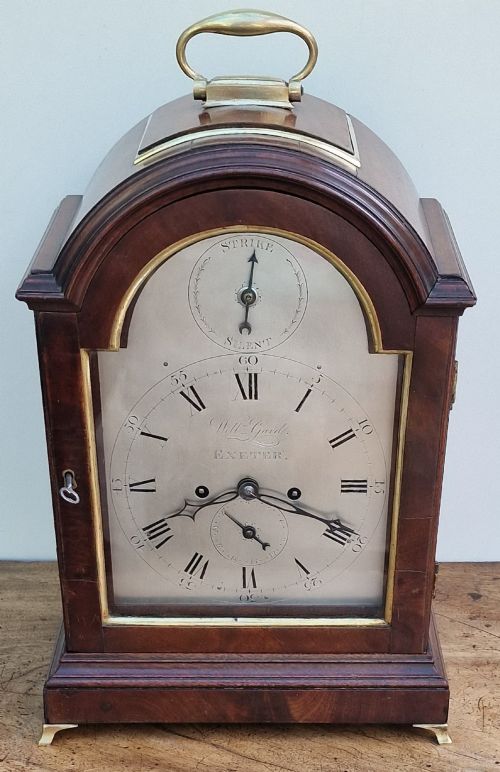
Quality in a wooden dial clock rests on the crispness of the dial lettering, the weight of the timber case, and the original integrity of the movement. Superior examples retain their matching numbered parts, undisturbed dial paint, and heavy mahogany framing without modern timber replacement.
Lesser pieces often show re-painted dials, replaced bezels, or movements swapped during decades of commercial service. The depth of the timber box, the quality of the brass castings, and the reputation of the maker inscribed on the dial separate standard utility timepieces from exceptional examples.
Thomas Field of Bath·Thwaites and Reed·Thomas Harrison of London·Barraud·Smith and Son of London
The Wooden Dial Clock Glossary
- Fusee
- A conical pulley used in spring-driven clocks to equalise the diminishing power of the mainspring as it unwinds. This mechanism ensures the clock maintains an even force throughout its eight-day run.
- Bezel
- The brass or wooden ring that holds the glass protecting the dial. On wall clocks, it is usually hinged to allow hand-setting and winding.
- Ebonised
- Wood treated with a dark stain or finish to imitate ebony. It appears frequently on nineteenth-century clock frames to create a sharp contrast against white painted dials.
- Railway clock
- A robust timekeeper produced for transport networks, typically featuring a clear wooden dial, a single fusee movement, and sturdy construction for public timetabling.
Wooden Dial Clock: Frequently Asked Questions
What is a wooden dial clock?
A wooden dial clock is a wall-mounted timepiece featuring a painted or natural wooden face instead of the usual brass or enamel. These clocks were built for public spaces and private homes during the Georgian and Victorian eras.
They rely on mechanical movements, most commonly fusee or eight-day spring drives, housed inside robust timber cases made from mahogany, oak, or walnut.
Where were they used originally?
These clocks hung in railway stations, schools, offices, and domestic hallways where reliable timekeeping and clear visibility were essential. Their sturdy construction allowed them to withstand heavy daily use in busy public environments.
Over time, many migrated into private collections as interior decorators sought industrial and vernacular timber furniture for modern rooms.
How do I wind the clock?
Winding requires inserting a matching key into the winding hole on the dial face and turning it gently until the spring reaches full tension. Most fusee movements require a weekly wind to maintain accurate time.
Care should be taken not to overwind the mechanism, stopping as soon as resistance increases at the end of the chain or wire.
How do I date a wooden dial clock?
Dating relies on examining the timber of the case, the style of the dial lettering, and the construction of the brass movement inside. Georgian examples often feature different dial proportions and finer cabinetwork compared to later Victorian railway pieces.
The signature of the maker on the dial or movement backplate also provides a direct link to working records and active trade dates.