
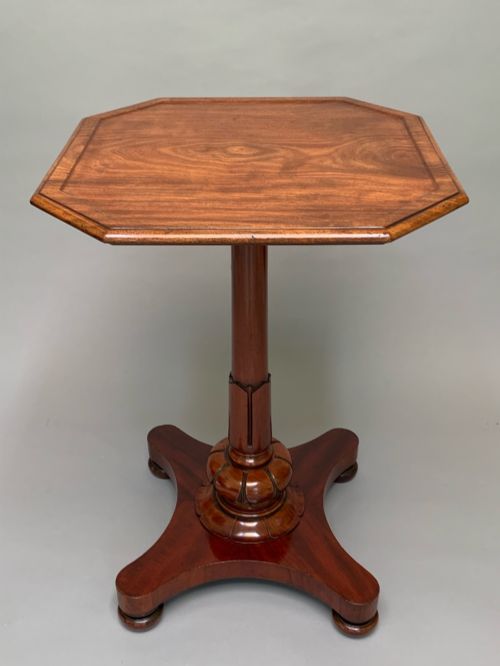
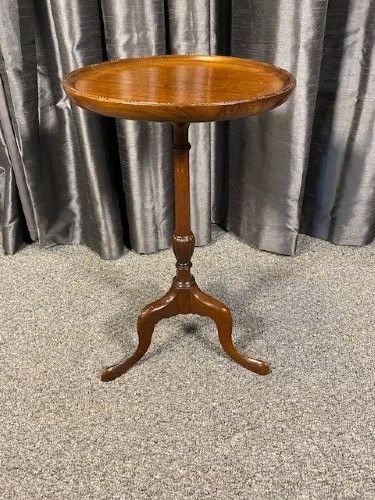
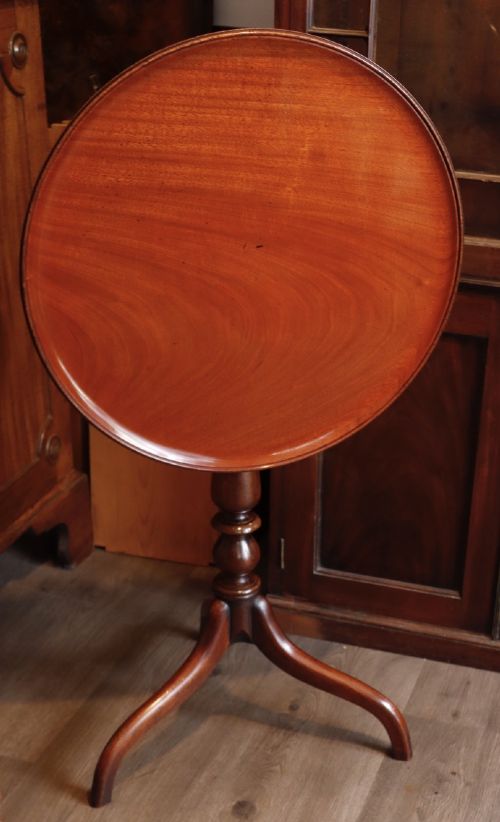
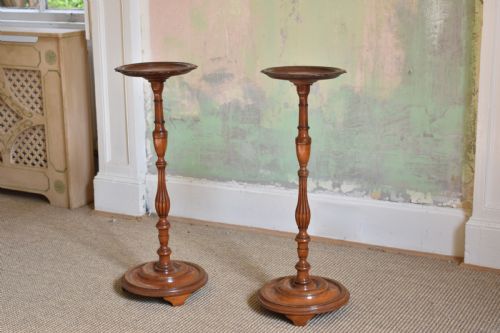
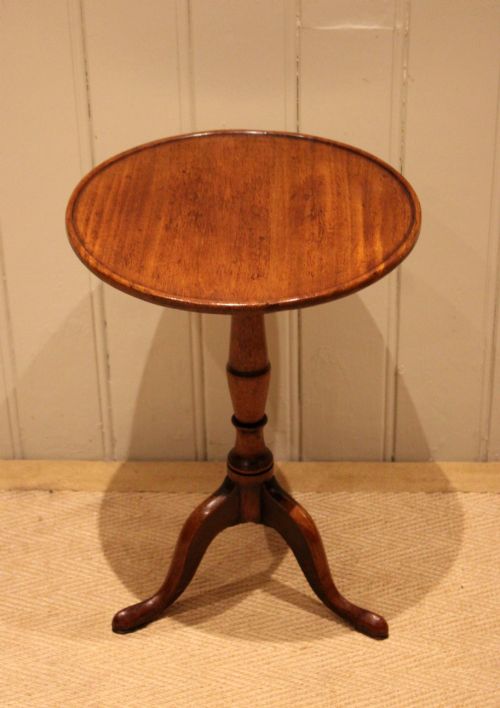
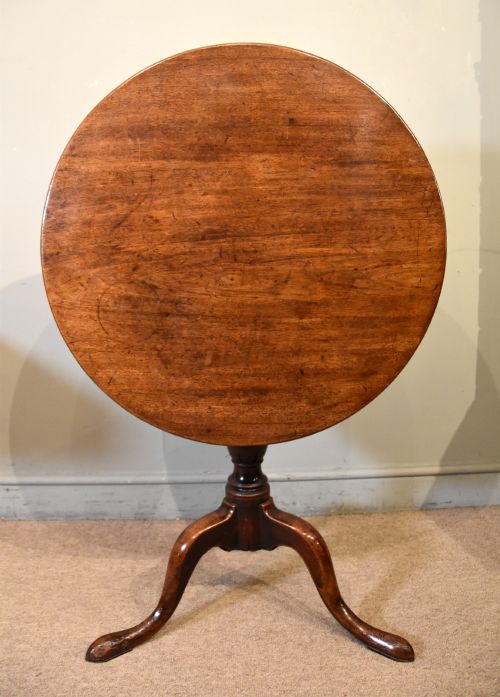
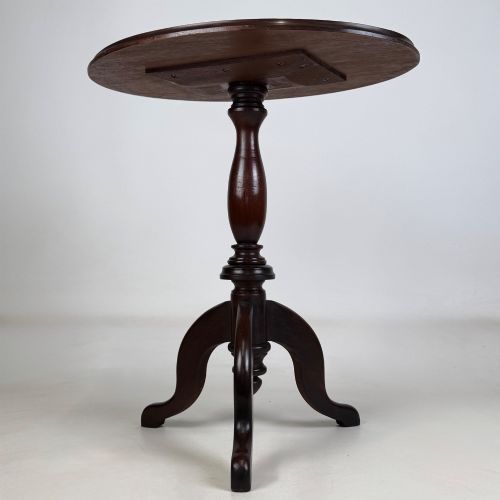
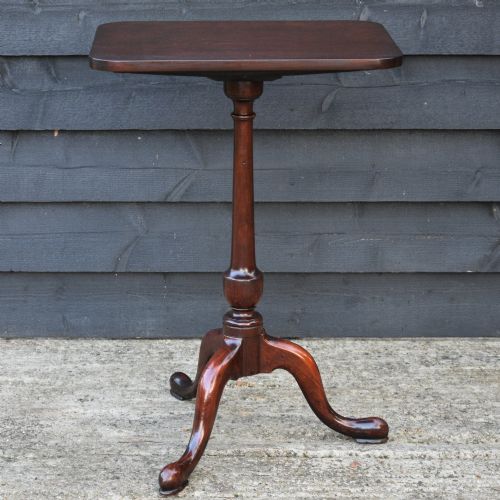
Wooden Candle Stand Table
A wooden candle stand table offers a compact surface for illumination and display, uniting portability with period cabinet-making.
Wooden Candle Stand Table
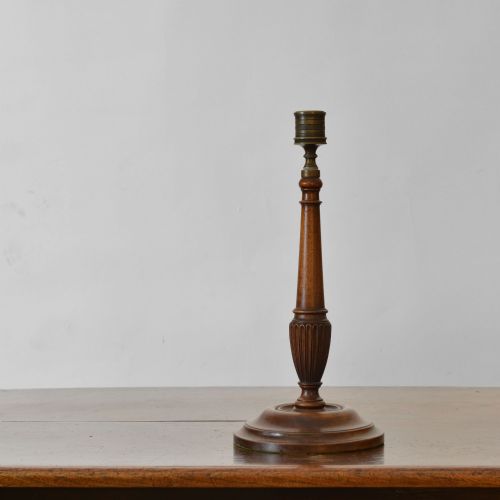
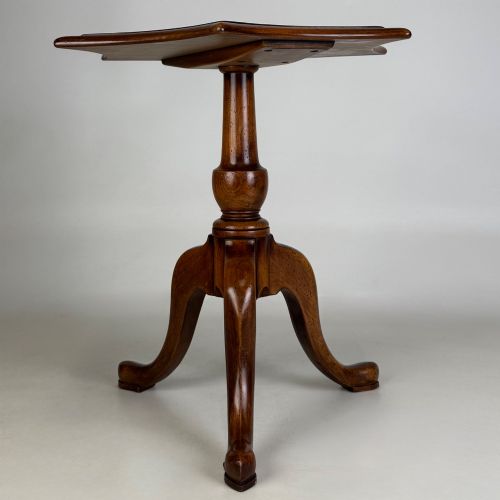
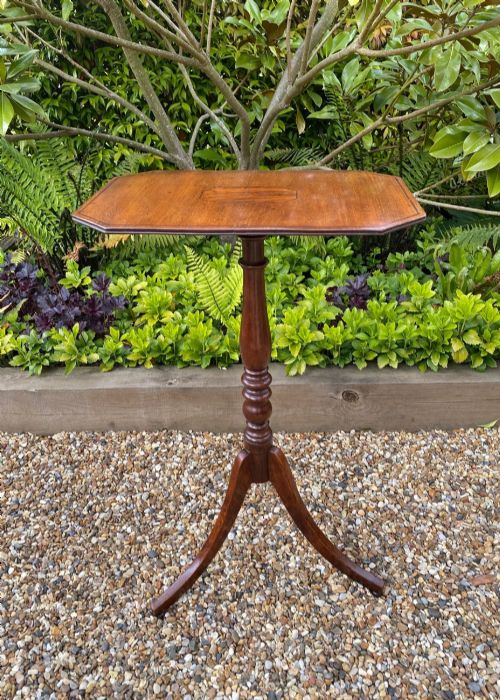
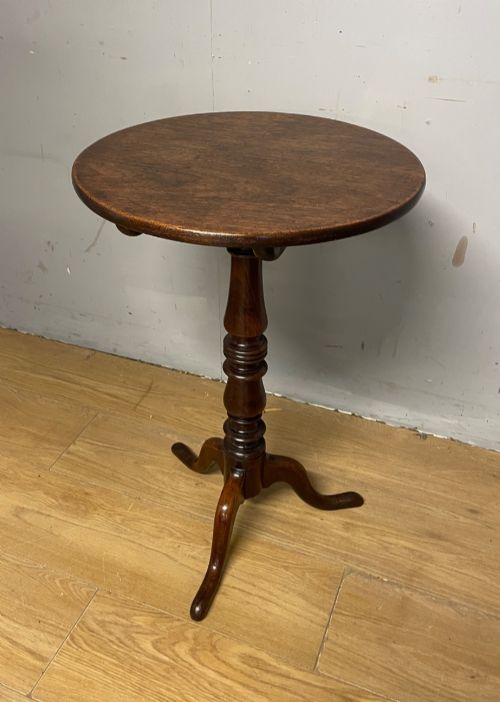
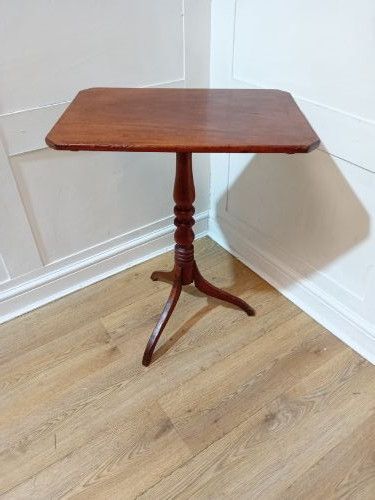
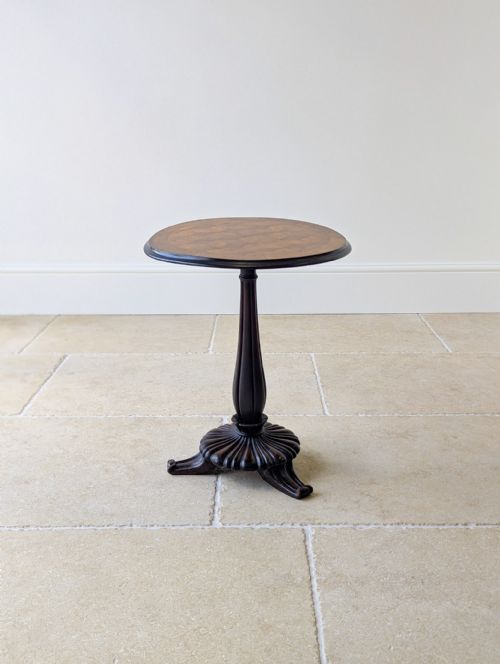
A wooden candle stand table functions as a small, moveable surface designed originally to hold lighting devices, serving today as an adaptable occasional table. When you search for a wooden candle stand table, you encounter compact furnishings spanning the eighteenth, nineteenth and early twentieth centuries.
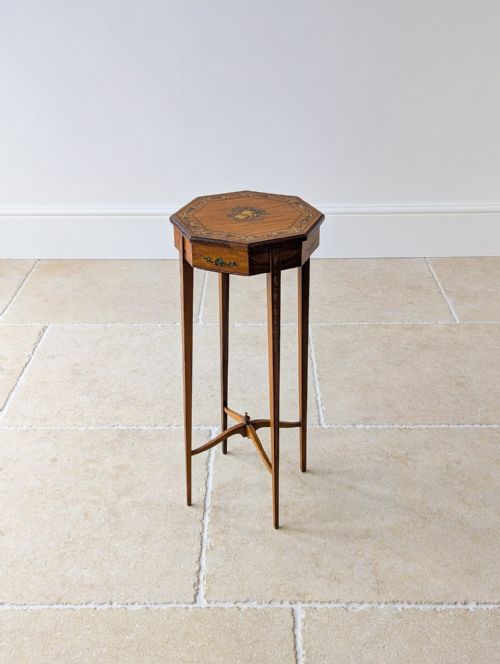
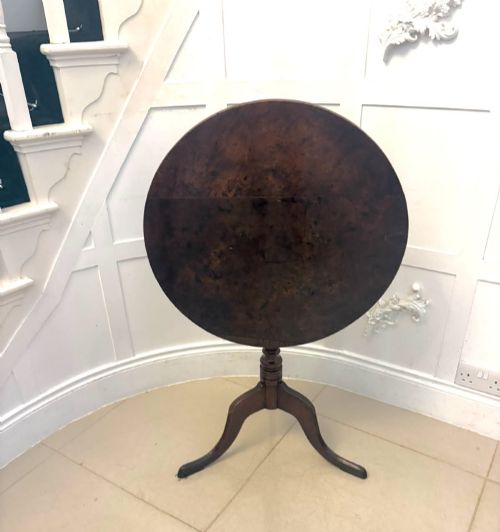
The pieces on this page appear in various regional forms, including tripod wine tables, tilt-top occasional pieces, urn stands and torcheres. Mahogany and walnut examples from the Georgian and Victorian eras dominate the selection, often accompanied by fruitwood, oak and satinwood variations.
Many items combine multiple functions, doubling as lamp tables, kettlestands or small side tables. The overarching format remains a single central pillar or a multi-legged base supporting a round, oval, octagonal or rectangular top.
Materials and construction
Cabinet-makers constructed these stands using dense native and imported timbers, primarily selecting mahogany, walnut and oak for durability and rich grain patterns. Secondary woods such as beech and fruitwood frequently appear in structural components and turning work.
Construction techniques commonly involve a central turned pillar rising from a tripod base, frequently incorporating a tilt-top mechanism with a birdcage or brass catch. Decorative flourishes include wood inlay, satinwood banding, Chinoiserie lacquer and carved tripod legs.
Some nineteenth-century makers thoughtfully lowered the pillar height, turning a towering candle stand into an intimate bedside companion.
Judging quality and proportion
Quality rests upon the crispness of the turning on the pillar and the elegance of the cabriole or splayed tripod legs. Superior examples display harmonious proportions where the diameter of the top balances the spread of the base.
Timber selection distinguishes standard pieces from exceptional ones, with figured mahogany, burr oak or intricate wood inlay elevating a simple utility stand. The integrity of the tilt-top mechanism and the tightness of the joints further define fine craftsmanship.
The Wooden Candle Stand Table Glossary
- Tripod table
- A small circular or oval table supported by three legs radiating from a central pillar. This design ensures stability on uneven floors.
- Tilt-top action
- A hinged mechanism allowing the table top to pivot into a vertical position when not in use. It saved valuable floor space in historic interiors.
- Torchere
- A tall, slender stand designed specifically to elevate a candle or lamp. These pieces often feature elaborate carvings or decorative lacquer work.
- Urn stand
- A miniature table created to hold a tea urn or kettle. They frequently present octagonal or oval tops with raised moulded edges.
- Treen
- Small handmade wooden objects produced by turning or carving. In this context, it describes diminutive stands executed entirely in wood.
Wooden Candle Stand Table: Frequently Asked Questions
What is a wooden candle stand table used for today?
These compact pieces serve ideally as bedside tables, drink rests or perches for small lamps in restricted spaces. Their historic portability makes them easy to move between rooms.
Collectors and interior designers utilise them to add period warmth and vertical interest to empty corners or beside low seating.
How do I distinguish a Georgian candle stand from a Victorian one?
Georgian examples often display restrained classical carving, slender proportions and timbers like finely grained mahogany or burr oak. They frequently incorporate tilting mechanisms with neat birdcage assemblies.
Victorian pieces tend to be heavier, sometimes featuring bolder turnings such as barley twists or darker walnut finishes, reflecting the industrial production methods of the later nineteenth century.
Why do many of these tables have tilting tops?
The tilting mechanism allowed servants or homeowners to store the table flat against a wall when lighting was extinguished, clearing the floor space.
This practical feature defines many eighteenth and nineteenth-century tripod designs, relying on a wooden catch or a brass latch to lock the top horizontally.
Are all these tables made of solid mahogany?
While mahogany is the most prevalent timber across the listings, makers also utilised walnut, oak, fruitwood, satinwood and yew. Secondary timbers like beech often appear in the hidden framing or leg structures.
Inlaid pieces frequently combine primary mahogany with contrasting satinwood stringing and exotic veneers to create decorative surface patterns.