
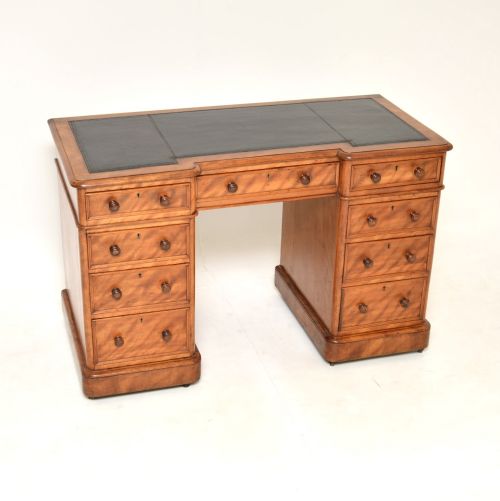
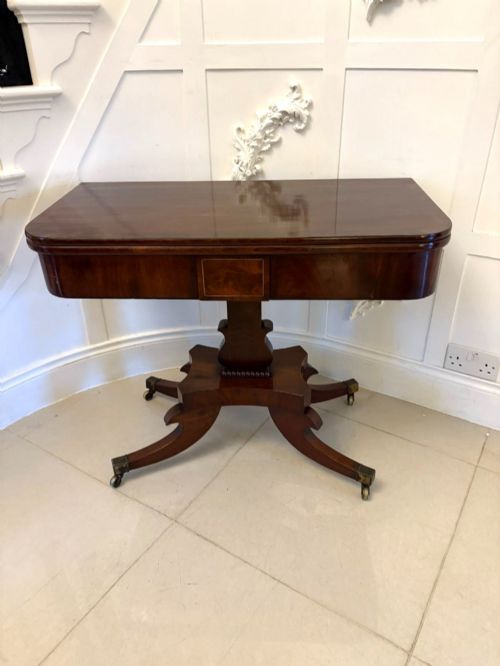
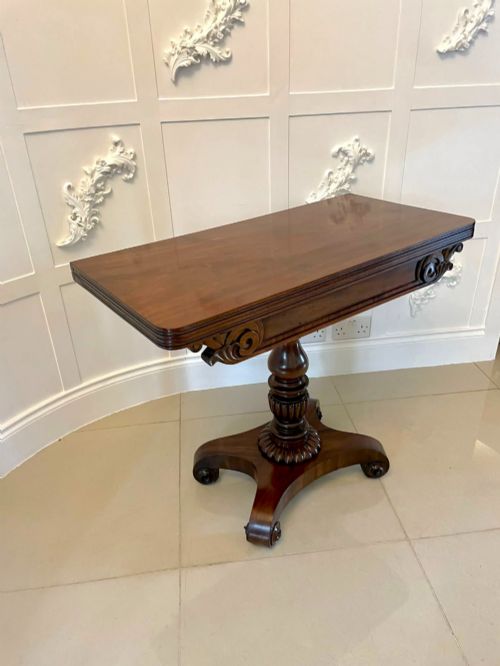

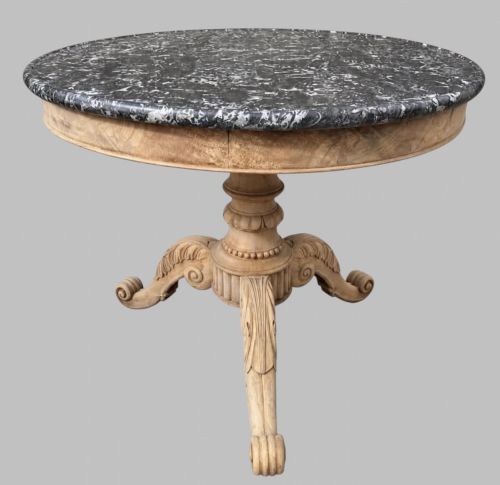
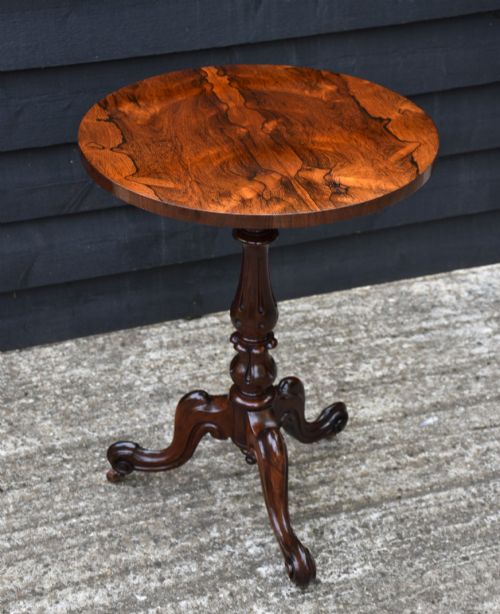
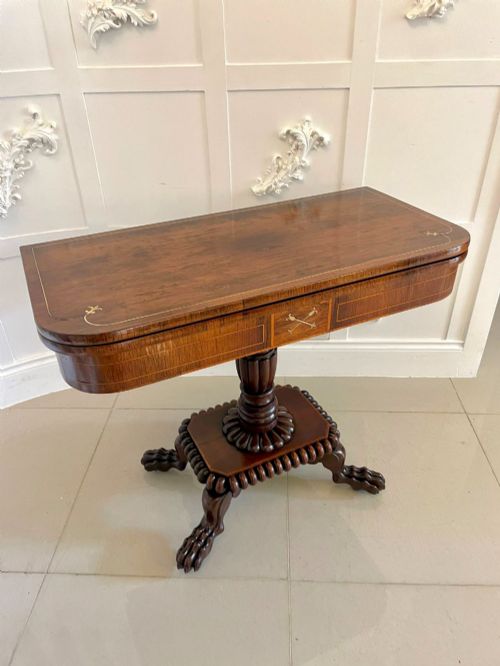
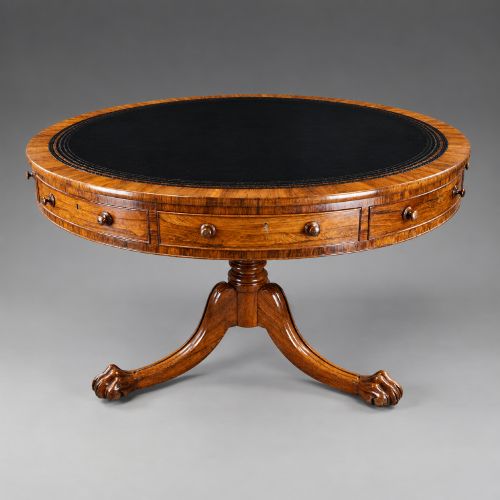
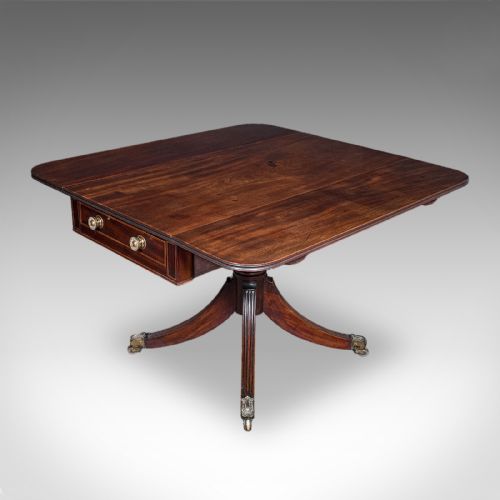
Nineteenth Century Pedestal Table
A nineteenth century pedestal table brings centred support and enduring timber character to a room, offering dining, writing and occasional surfaces.
Nineteenth Century Pedestal Table
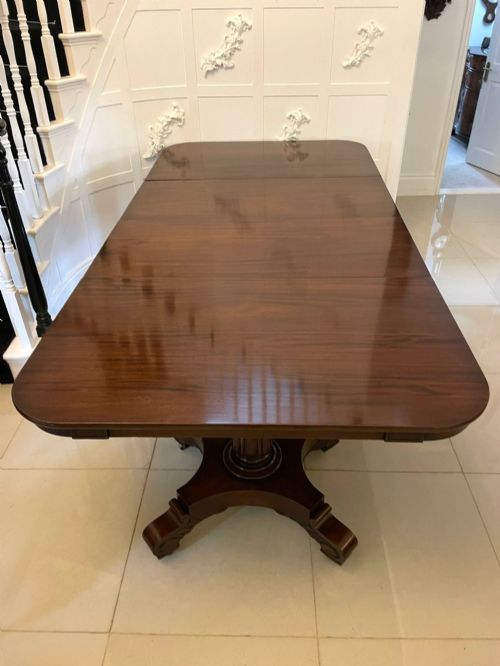
A nineteenth century pedestal table encompasses dining formats, drum tables, card tables, occasional pieces and desks supported by a central pillar or multiple pillars.
Makers shaped these items across periods including the Regency, William IV and Victorian eras, utilising timbers such as mahogany, rosewood, walnut and oak.
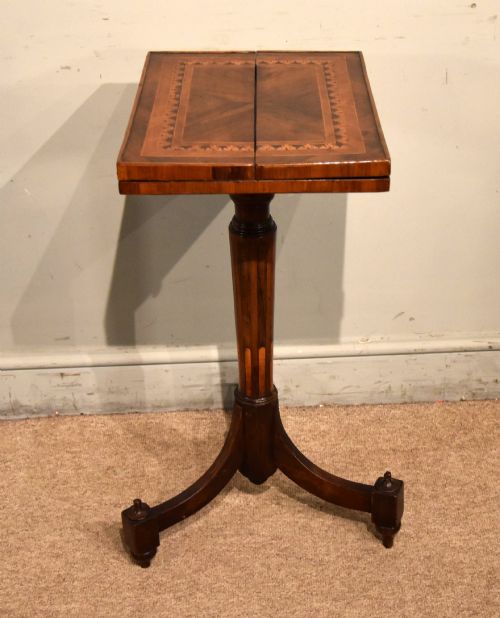
The selections span grand triple pedestal dining tables seating ten to twelve people down to compact wine tables, Pembroke tables and revolving bookstands.
Materials and construction
Craftsmen built these pieces from solid hardwoods and applied veneers including figured mahogany, burr walnut, flame mahogany and satinwood to tabletops and desk carcases.
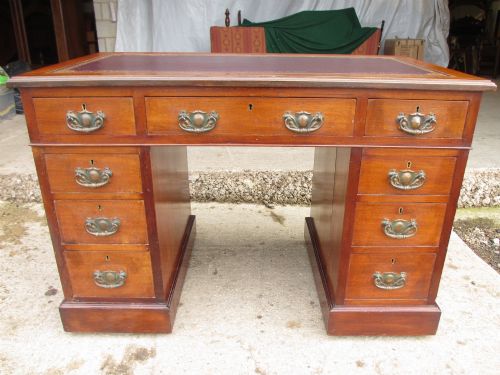
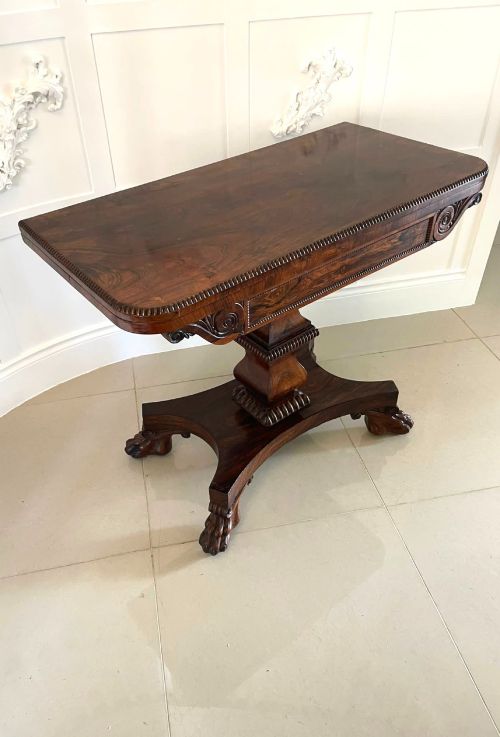
Many examples incorporate brass inlays, tooled leather writing surfaces, marble tops and detailed carved decoration such as sunburst motifs and tripod bases.
Listings feature pedestal tables constructed from mahogany, rosewood, walnut, burr walnut, oak, burr oak, satinwood and marble.
Distinctions in execution
Excellence rests in the selection of figured timbers, the crispness of carved details on pillars and feet, and the precision of brass inlay work.
Superior execution shows in balanced proportions between the central pedestal, base supports and the top surface, alongside integrated secondary timbers within drawers.
George Bullock·Wylie & Lochead·Hobbs & Co·Maple & Co·Gillows·Holland & Sons
The Nineteenth Century Pedestal Table Glossary
- Guéridon
- A small French round table supported by a central pillar, often featuring marble or wood tops.
- Drum table
- A circular library table containing drawers around the frieze, set upon a central pillar and tripod or plinth base.
- Pembroke table
- A drop-leaf table with hinged flaps on either side, useful for versatile placement.
- Card table
- A folding table designed for gaming, frequently lined with baize or leather and rotating to open.
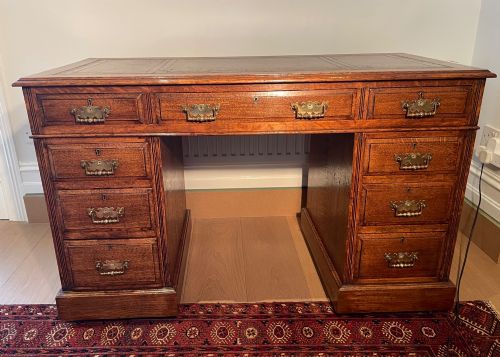
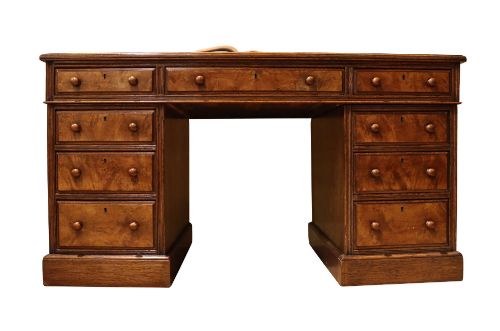
- Pedestal desk
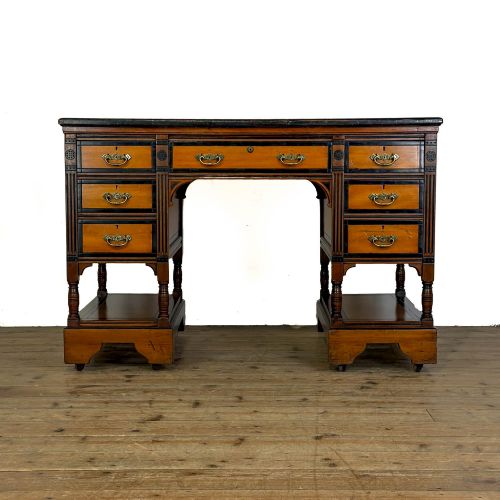
- A flat-topped writing table supported by two banks of drawers forming pedestals.
Nineteenth Century Pedestal Table: Frequently Asked Questions
How do I style a pedestal table?
Position a round occasional or wine table beside a seating area to hold a lamp or small objects without obstructing floor space.
Larger dining or centre versions anchor a room layout, allowing chairs to tuck neatly around the central pillar.
Where were pedestal tables used?
These tables served multiple rooms, acting as dining surfaces in formal eating spaces, game tables in drawing rooms, and writing desks in libraries.
Smaller wine and lamp versions moved easily across domestic interiors to hold drinks, books or lighting.
How do I date a pedestal table?
Examine the timber species, secondary woods, and decorative styles to determine the era of manufacture.
Regency pieces often display brass inlay and rosewood veneers, while later Victorian items lean towards heavy oak and burr walnut desks with leather inserts.
How do I care for wood surfaces?
Maintain polished timber surfaces by keeping them away from direct heat sources and strong sunlight that causes fading.
Apply suitable wax occasionally to nourish the grain and protect the finish of mahogany, rosewood or walnut.