

Warm Brown Pedestal Table
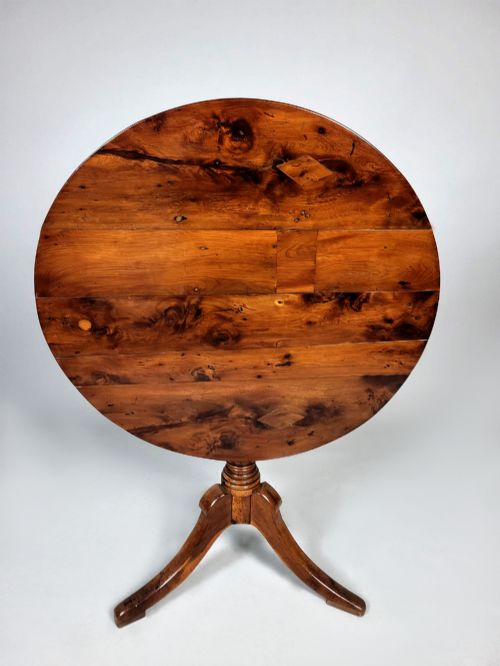
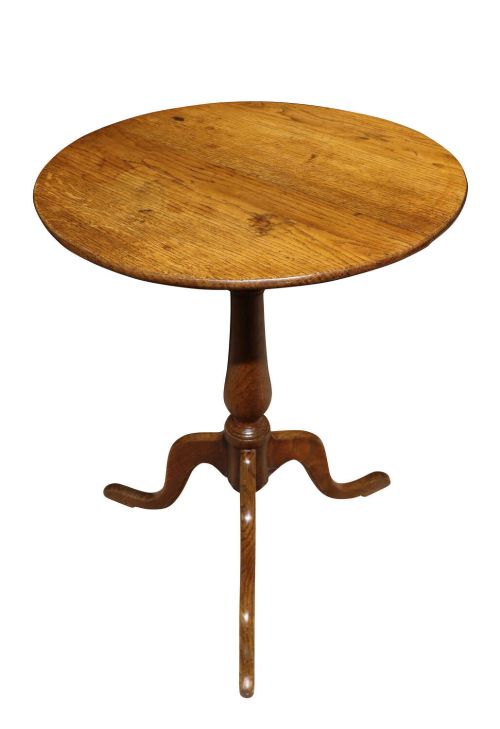
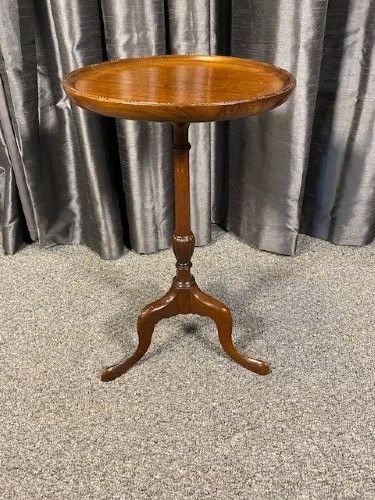
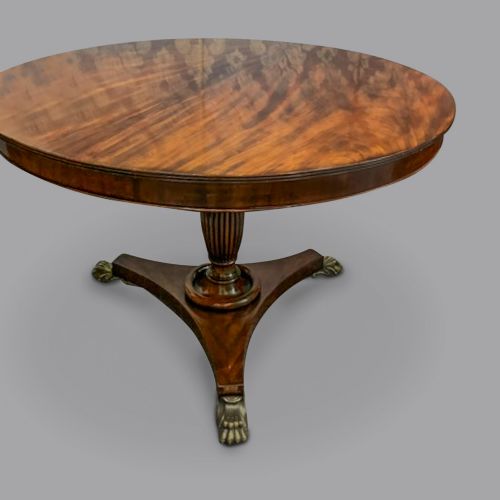
A warm brown pedestal table brings rich timber grain and a central pillar support into a room.
Warm Brown Pedestal Table
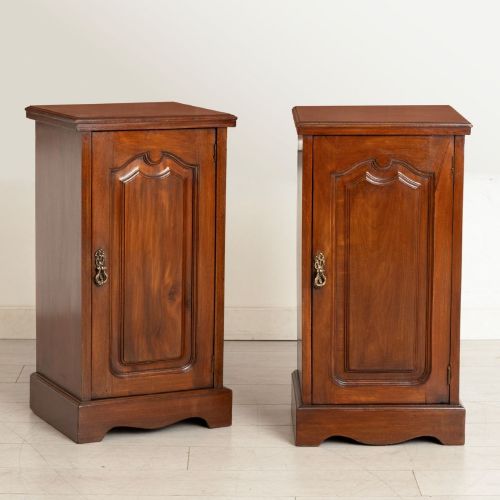
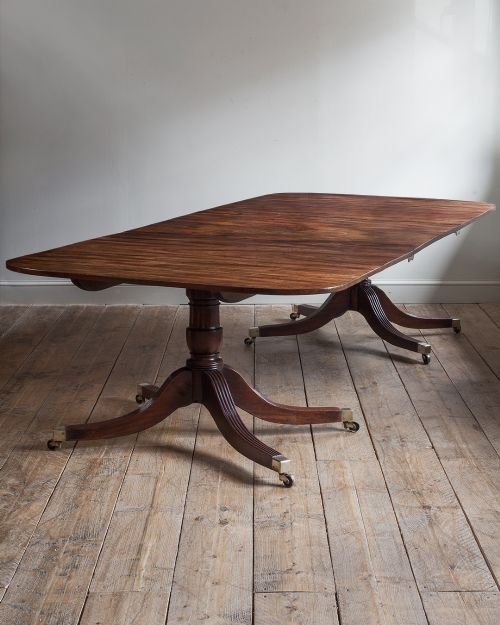
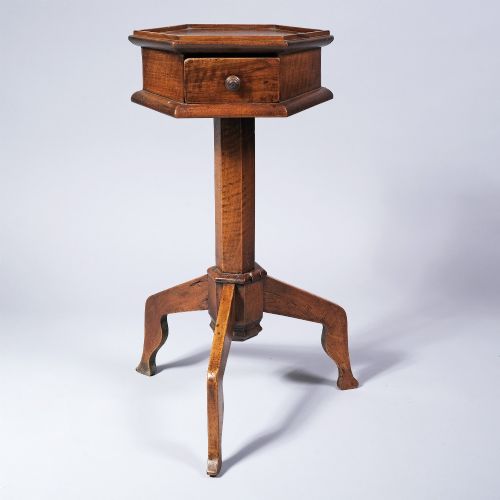
A warm brown pedestal table combines rich timber surfaces with a central pillar support, spanning diverse historical periods from the eighteenth century through to the twentieth century. These pieces appear in numerous forms throughout the listings, including compact occasional tables, wine tables, tripod tables, and larger dining formats.
Buyers encounter variations shaped by regional styles and craftsmanship, ranging from Georgian mahogany wine tables to French Provincial elm pieces and Victorian burr walnut examples. The central pillar design allows for flexible seating arrangements around dining rooms, libraries, and hallways without obstructive corner legs.
Materials and construction methods
Cabinet makers utilised solid timbers and selected veneers, notably mahogany, walnut, elm, and oak, applying hand-rubbed finishes to accentuate the natural figure of the wood. Turning lathes shaped central pedestals and supportive legs, whilst traditional joinery secured tabletops to pillars using tilt mechanisms or fixed blocks.
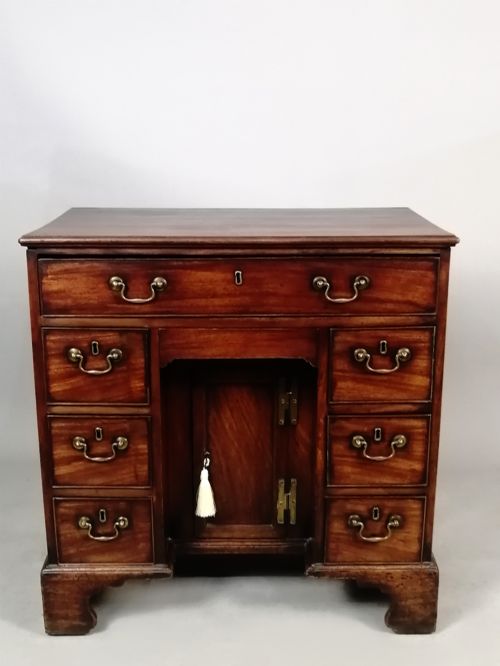
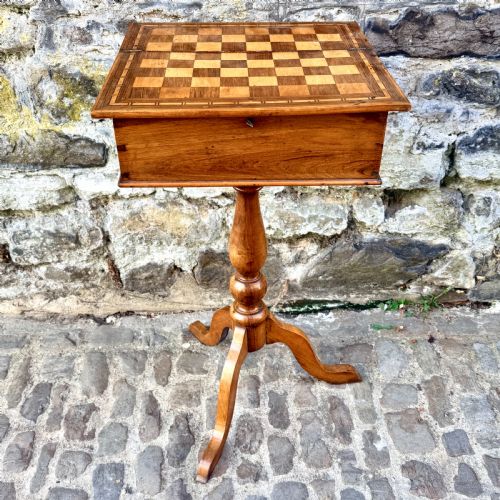
Inlaid decorative techniques incorporated contrasting woods such as satinwood and fruitwood, creating geometric borders and surface patterns on tabletops and desk fronts. Polishing involved shellac and wax applications built up gradually to achieve a deep lustre on the timber.
Warm Brown Pedestal Table Retail Price Guide 2026
Typical asking prices for warm brown pedestal table among the pieces listed under this phrase on Sellingantiques today, from the lower quarter to the upper quarter. They describe what is for sale here now, not the wider market.
Some tilt-top tables feature ingenious birdcage mechanisms that let the surface spin as well as fold.
Distinctions in craftsmanship
Quality rests upon the selection of timber figures, where burr walnut, figured elm, and premium mahogany display superior grain depth and colour richness. The stability of the central pillar and the precision of the leg joints dictate structural integrity under daily use.
Refined pieces demonstrate meticulous hand-carving on pedestal bases and claw feet, alongside crisp inlay work and sound structural timber movement allowance. Simpler utility versions rely on robust construction without decorative embellishment.
Maple & Co·Maurice Adams
The Warm Brown Pedestal Table Glossary
- Pedestal table
- A table supported by a single central pillar resting on feet or a base platform. This form maximises legroom and floor space.
- Tripod table
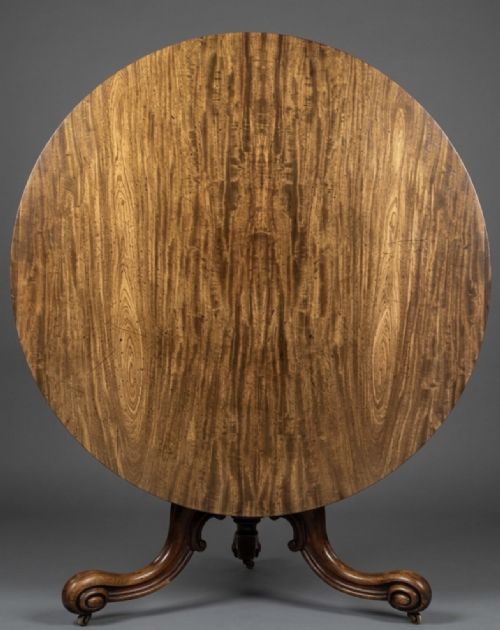
- An occasional table supported by a pillar above three spreading legs. These pieces gained popularity during the Georgian period for tea drinking.
- Tilt top
- A tabletop hinged to swivel vertically when not in use. This mechanism allowed tables to stand flat against walls to save space.
- Wine table
- A small occasional table designed to hold drinking vessels. They frequently feature circular tops and slender pillar supports.
- Refectory table
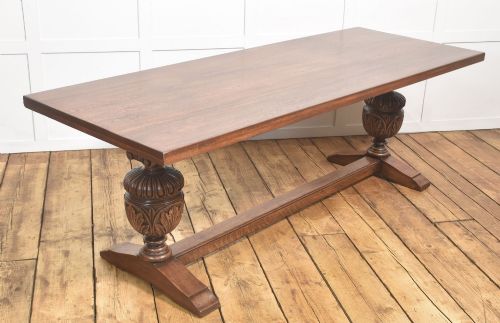
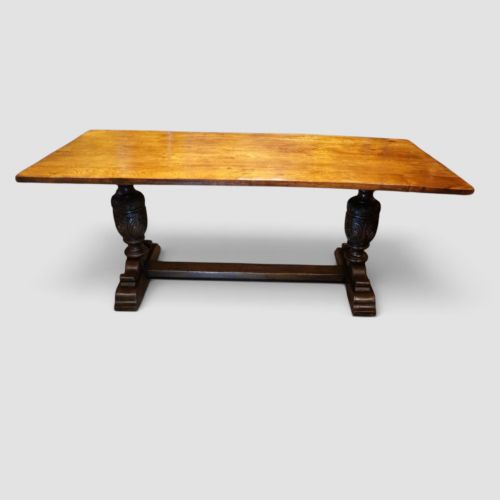
- A long dining table traditionally used for communal dining. Examples in the listings feature solid oak construction and stretcher bases.
Warm Brown Pedestal Table: Frequently Asked Questions
What periods do these tables represent?
The listings span several centuries, starting from early Georgian and Queen Anne periods through Regency and Victorian eras, up to Art Deco and twentieth-century revival designs.
Each era introduced distinct proportions, decorative elements, and timber choices, reflecting shifting tastes in interior furnishing.
How were pedestal tables used historically?
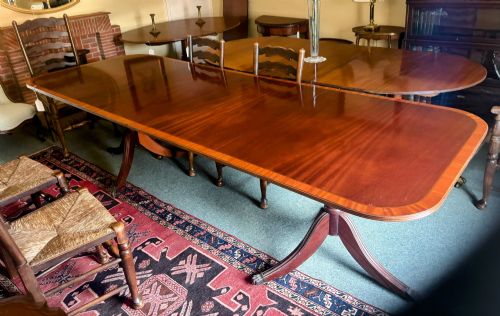
Smaller versions served as wine tables, candle stands, or occasional tea tables in drawing rooms. Larger multi-pillar formats functioned as dining tables that could accommodate extending leaves for guests.
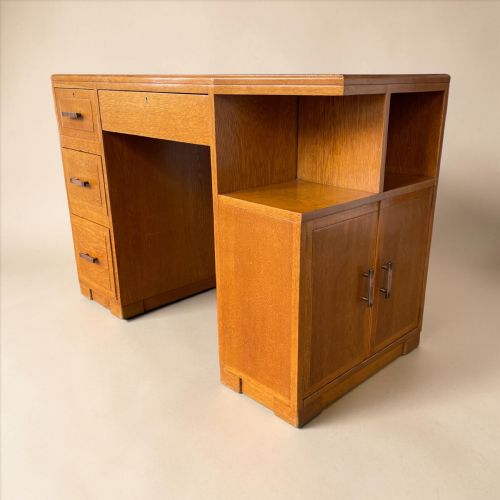
Desks and kneehole tables provided dedicated writing spaces in private studies and bedrooms.
Which timbers are most common?
Mahogany and oak appear frequently across multiple centuries, valued for their durability and warm appearance. Walnut, burr walnut, elm, and fruitwood also feature prominently in specialised occasional and centre tables.
Inlays incorporate lighter woods like satinwood to create decorative contrast against darker background veneers.
How do tilt-top mechanisms work?
A birdcage or catch mechanism beneath the tabletop allows the surface to pivot from horizontal to vertical. This clever engineering enabled homeowners to store tables against walls when rooms required extra floor space.
Collectors examine the original brass catches and pivot pins to verify authenticity.