
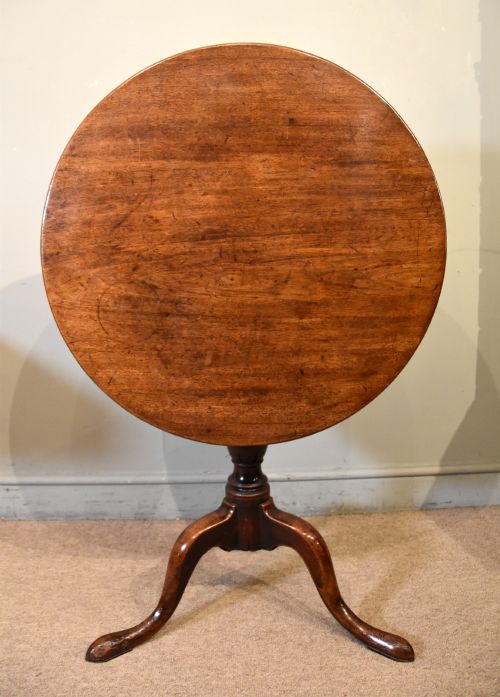
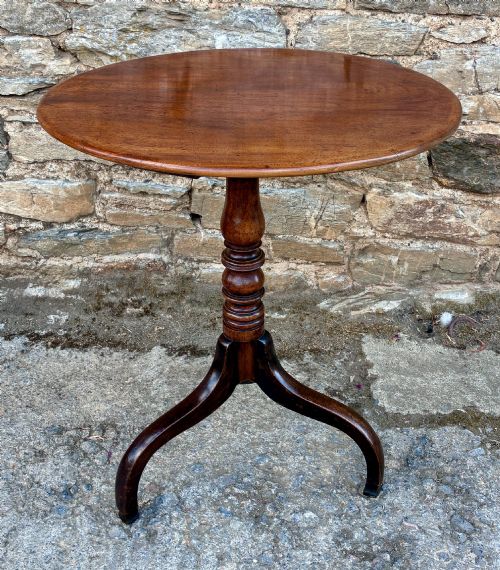
Brown Mahogany Tilt Table
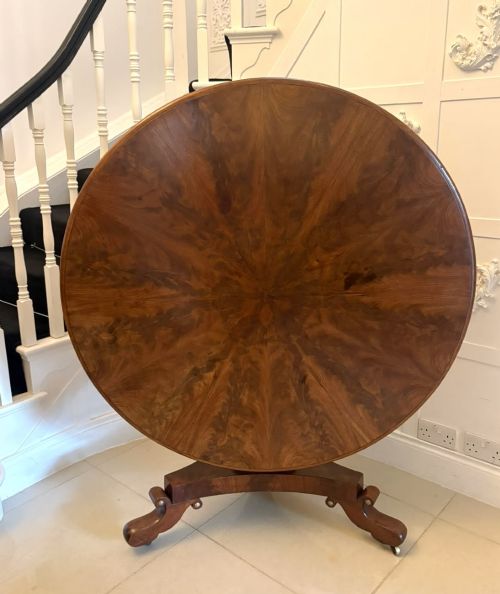
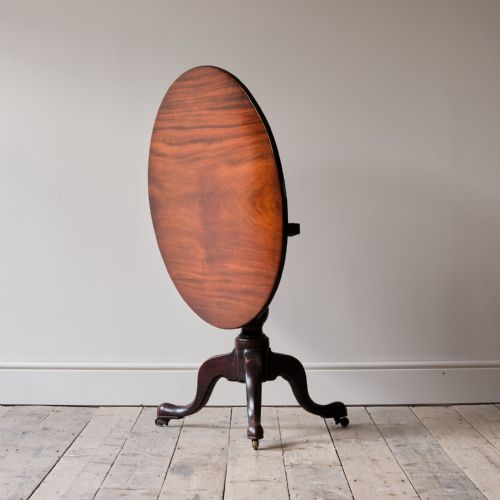
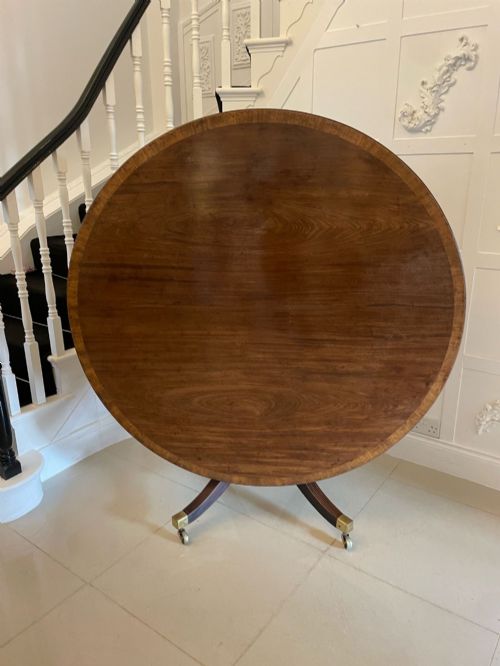
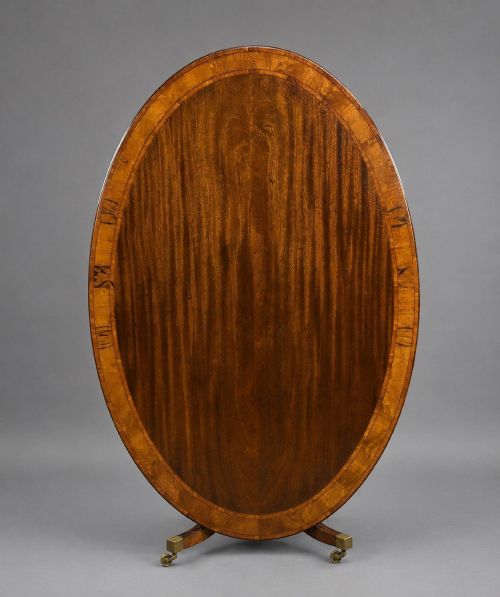
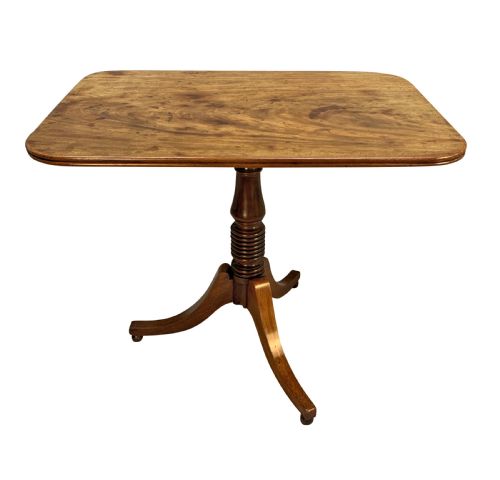
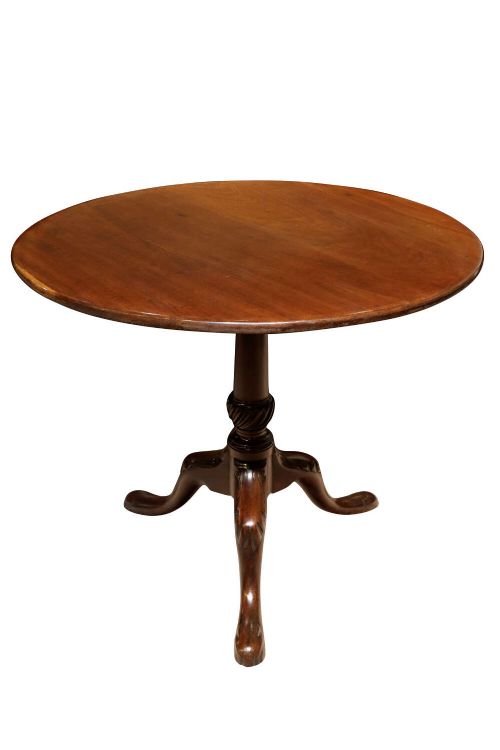
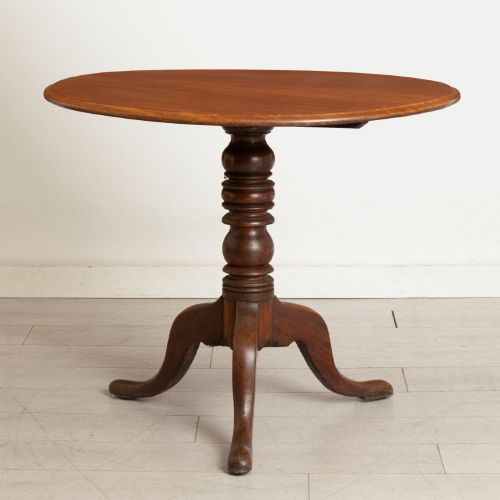
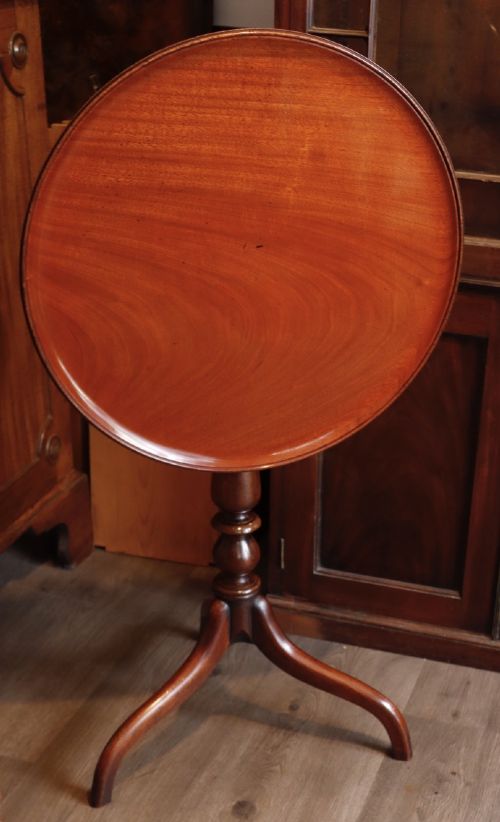
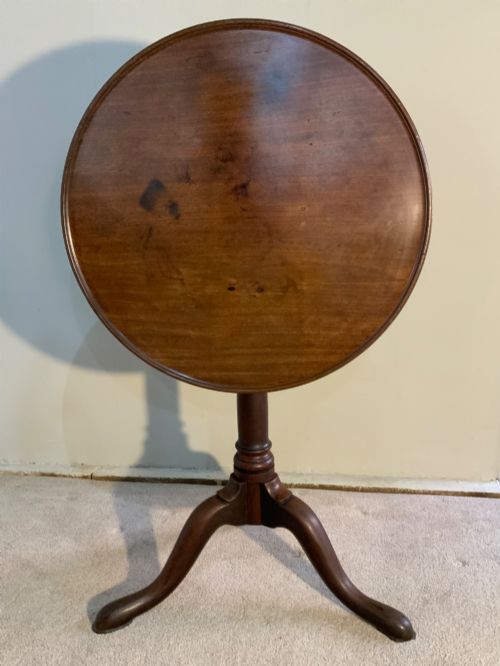
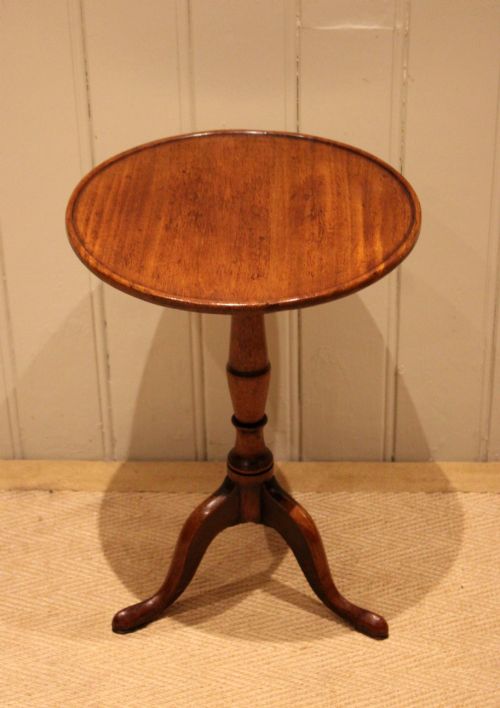
A brown mahogany tilt table offers clever space-saving design paired with rich timber grain, standing ready for tea, dining or display.
Brown Mahogany Tilt Table
When searching for a brown mahogany tilt table, buyers encounter versatile furniture pieces designed to tip vertical when not in use to save floor space in domestic interiors. The selection spans compact wine tables and occasional pieces alongside large circular breakfast and dining tables.
Most examples hail from the Georgian, Regency and Victorian periods, showcasing traditional craftsmanship through tripod bases, pillar supports and tilting mechanisms. Smaller wine and occasional tables appear frequently, alongside larger multi-seater dining formats.
Origins stretch from the eighteenth century through the nineteenth century, including specific reigns like George III and George IV. These tables function equally well as central display surfaces or practical dining solutions in period and modern homes.
Materials and construction methods
Cabinet makers utilised solid mahogany and figured mahogany veneers to achieve rich brown tones and striking grain patterns on the tabletop surfaces. Secondary timbers like oak often provide structural stability beneath the primary show wood.
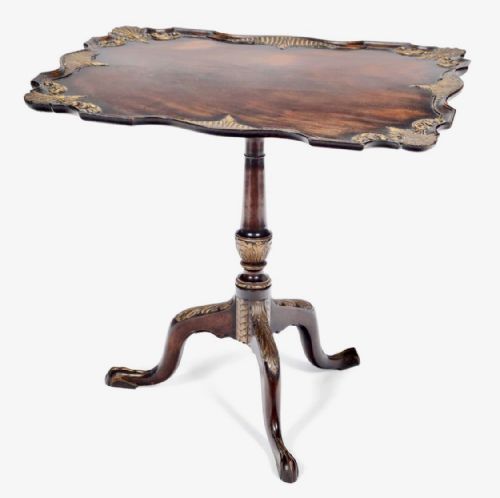
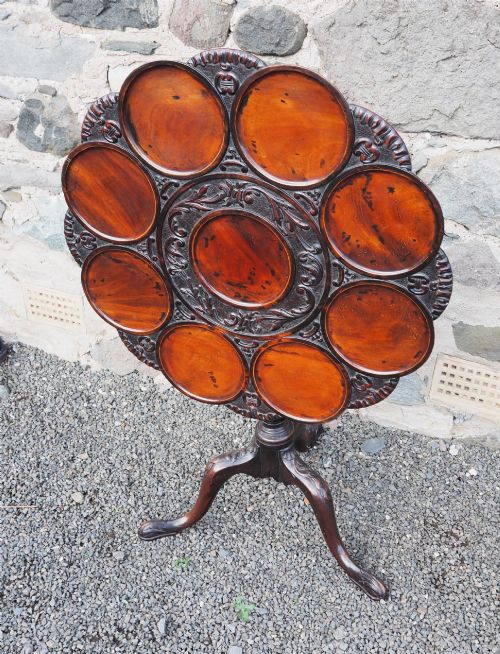
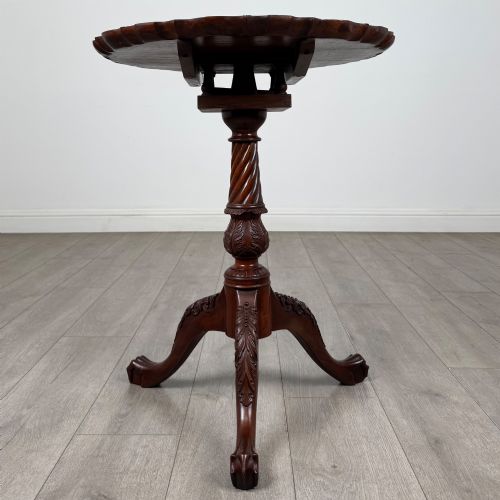
Makers incorporated brass fittings, boxwood inlay, parcel gilding and leather accents to embellish finer pieces. Tripod legs and pedestal columns support the top, often connected via a sophisticated birdcage mechanism that allows both rotation and tilting.
Listings feature mahogany, satinwood, parcel gilt, oak, boxwood and leather across Georgian, Regency and Victorian periods.
Distinguishing quality across the range
The choice of timber sets the baseline for quality, with highly figured flame mahogany and crisp parcel gilt carving sitting above plain, utilitarian boards. Faded patination developed over centuries adds desirable visual depth to superior examples.
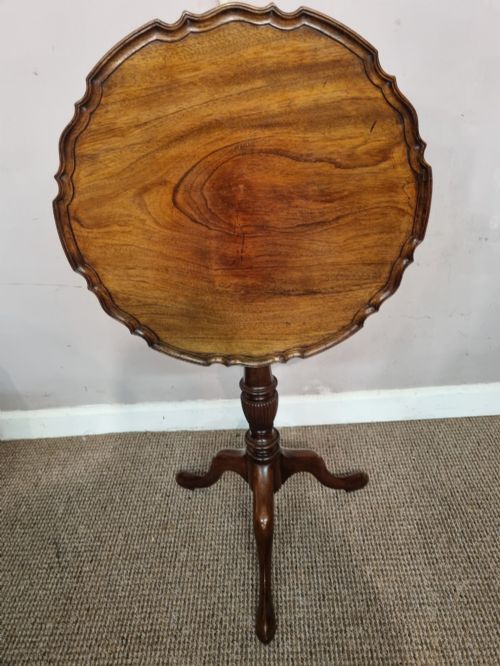
Mechanical execution defines the upper tier, where birdcage pivots, hinges and brass catches operate smoothly without play. Finely turned pedestals and intricate edge details, such as pie crust carving or boxwood stringing, separate standard production from master craftsmanship.
Ralph Turnbull
The Brown Mahogany Tilt Table Glossary
- Tilt-top table
- A table with a hinged top that tips into a vertical position for storage against a wall. This mechanism allowed rooms to serve multiple functions throughout the day.
- Birdcage
- A timber framework beneath the tabletop containing small spindles that enables the top to both rotate and tilt. This feature is associated with finer eighteenth and nineteenth century examples.
- Tripod base
- A pedestal support terminating in three legs, providing stable floor contact on uneven historic floorboards. These legs frequently finish in pad feet or carved scroll terminals.
- Pie crust edge
- A raised, decoratively carved tabletop rim shaped to resemble pastry crust edges. This ornamental detail appears on select Georgian and Edwardian occasional tables.
- Breakfast table
- A large circular or oval table designed for morning meals, often featuring a tilt action to clear floor space after use. Regency breakfast tables frequently display figured mahogany tops and robust pillar supports.
Brown Mahogany Tilt Table: Frequently Asked Questions
How do I operate the tilt mechanism?
Most tables utilise a simple brass catch or latch beneath the top that releases the surface from the pillar support. Unlatching allows the table to pivot flat for use or tilt upright for storage.
Older examples featuring birdcage mechanisms may require releasing a secondary pin or revolving catch before tipping. Care should be taken to support the weight of the timber during operation.
Were these tables used for dining?
Smaller formats served as wine tables, tea tables or occasional stands for holding lamps and books beside seating. Large circular and oval variants functioned primarily as breakfast or dining tables.
The tilting action allowed households to reclaim valuable floor space in smaller rooms once meals concluded.
How do I care for the mahogany surface?
Keep mahogany timber away from direct heat sources and strong sunlight to prevent timber shrinkage, warping and fading of the rich brown colour. Regular dusting with a soft, dry cloth preserves the polished finish.
Application of traditional beeswax feeds the wood and maintains the natural lustre without building up heavy synthetic residue.
How can I tell a Georgian table from a Victorian one?
Georgian tables often display restrained elegance with simpler tripod proportions, fine timbers and occasional birdcage actions dating from the eighteenth century. Victorian iterations tend to be heavier, featuring bolder carvings, serpentine edges and darker factory finishes.
Examining the construction methods underneath, tool marks and secondary timbers helps clarify the manufacturing period.